


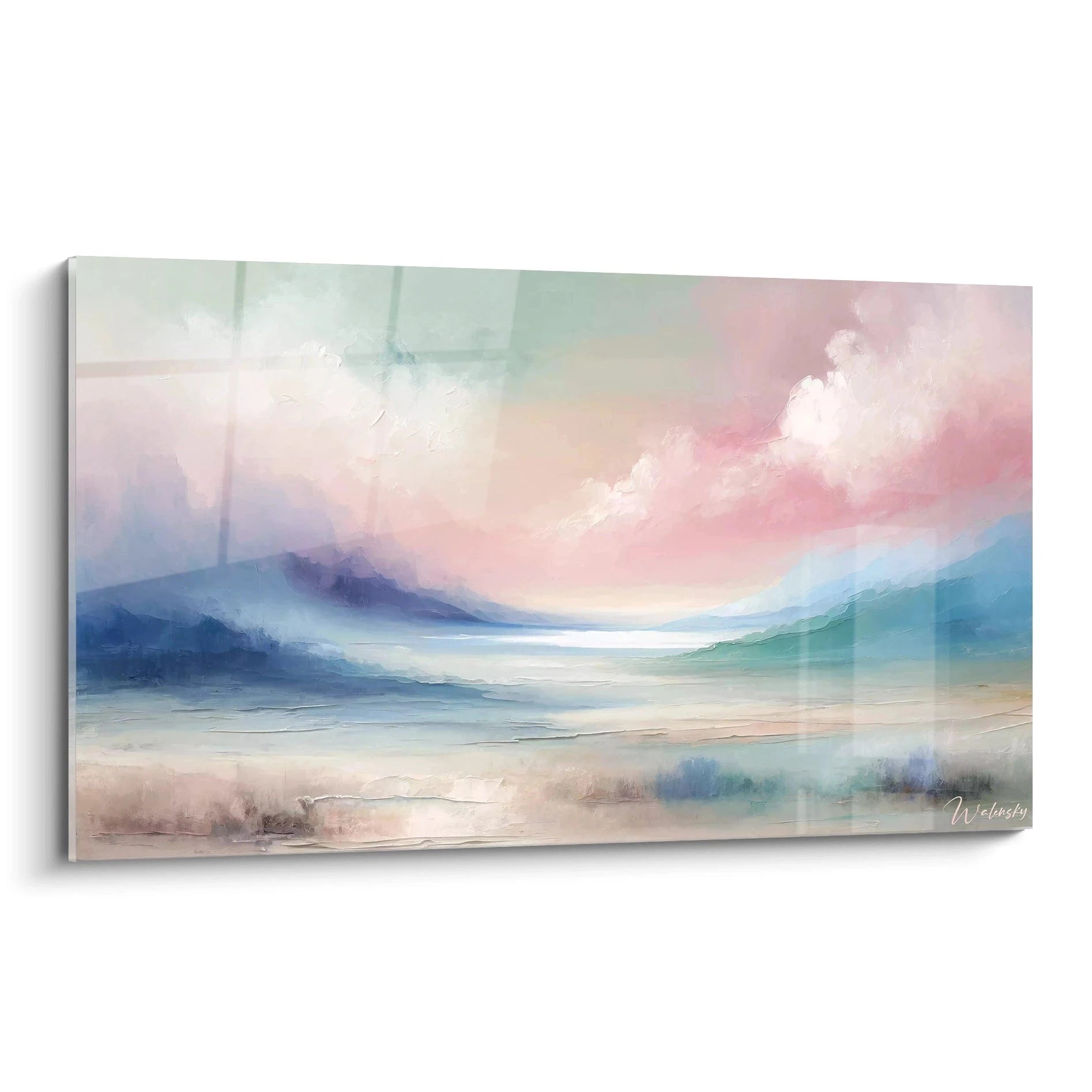

Watercolor Lotus Flower Wall Art
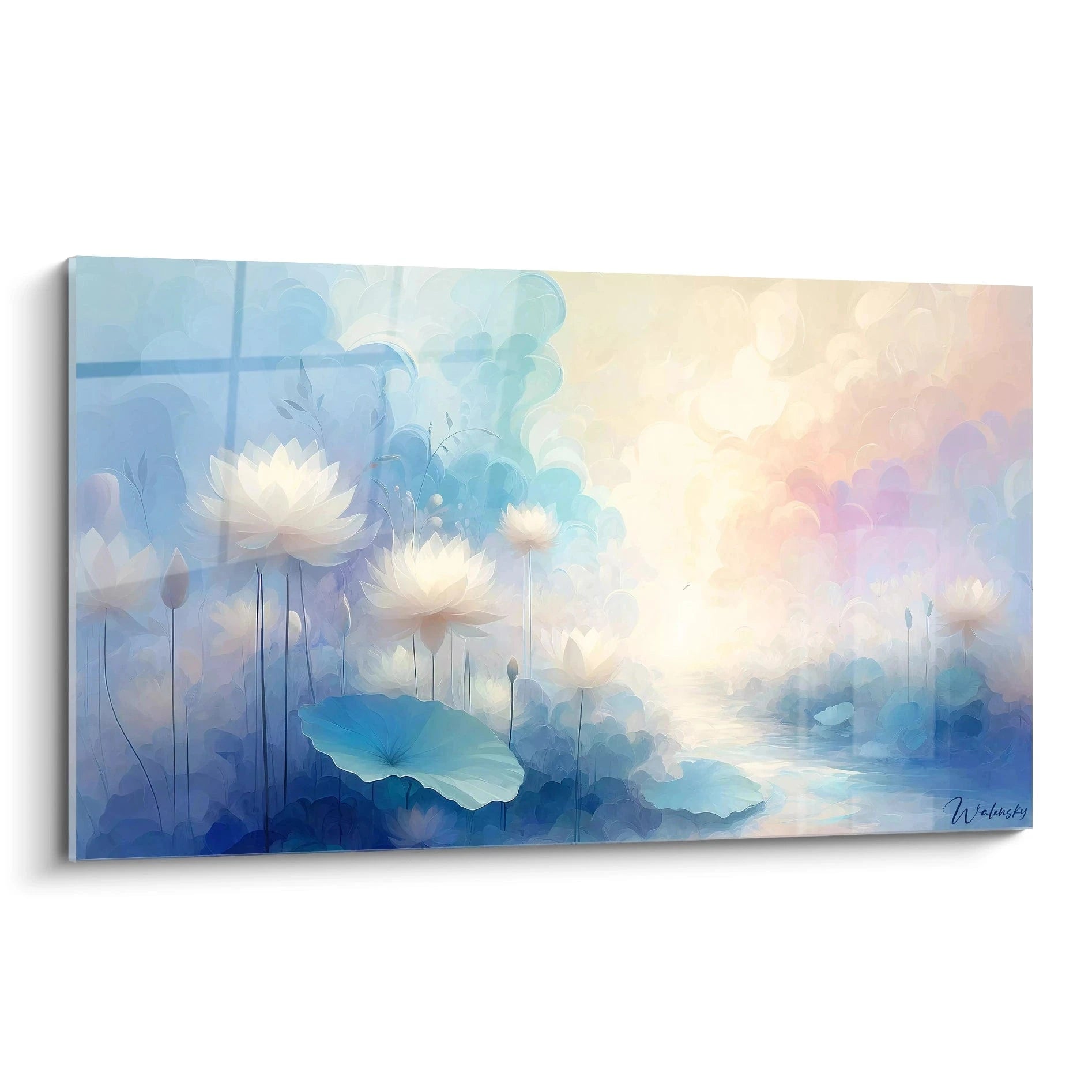
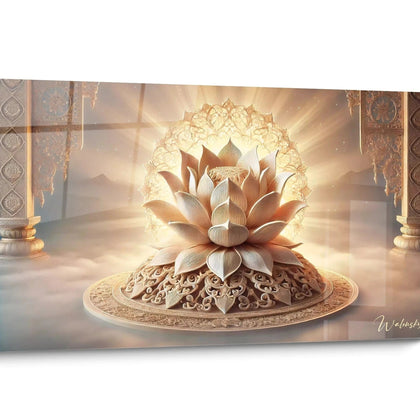
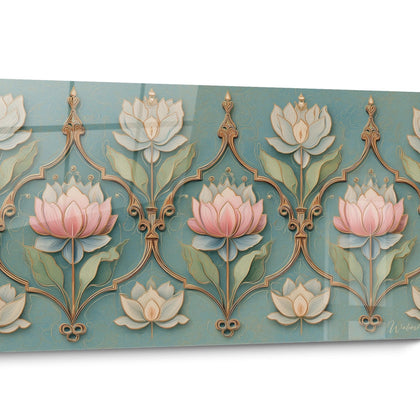
The Lotus Flower Painting Watercolor embodies purity and serenity in your living space. This collection celebrates the timeless elegance of the lotus through zen watercolor compositions with soft and ethereal nuances. Each artwork captures the delicacy of the petals and the spiritual symbolism of this sacred flower. Perfect for creating a meditative atmosphere, our range of Asian style lotus paintings transforms your walls into havens of peace and harmony.
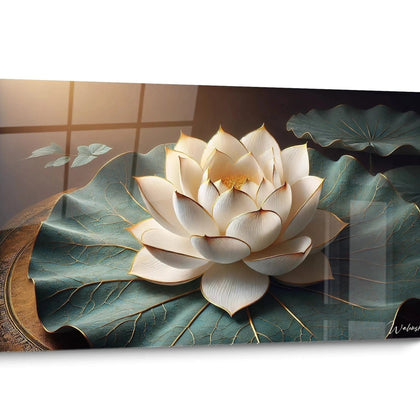
 Lotus Painting Pure Grace - lotus flower edition228,90 €
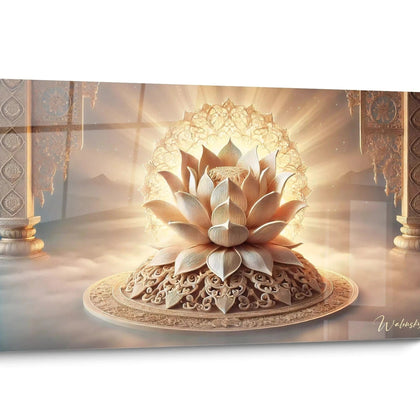
 Lotus Inner Peace Wall Art - lotus flower edition228,90 €
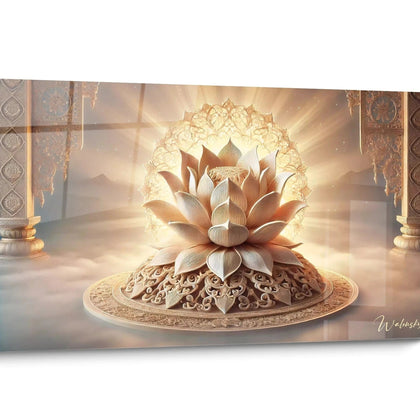
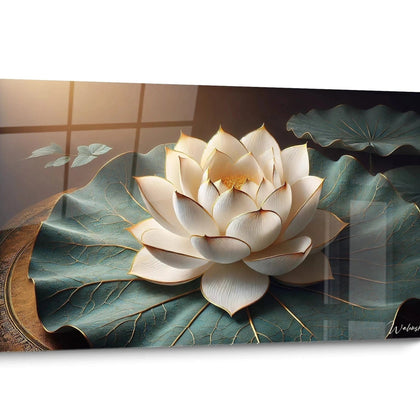
 Lotus Flower Eternal Grace Painting - Lotus Flower Edition273,90 €
Explore further
In Watercolor Lotus Flower Wall Art
All about Watercolor Lotus Flower Wall Art
- Watercolor Lotus Flower Wall Art Presentation
- Ambiance & Symbolism
- Techniques & Watercolor Finishes
- Harmonization & Placement
The watercolor lotus flower wall art represents a large-format mural artwork where the delicacy of diluted pigments meets Buddhist and Oriental symbolism. This artistic representation emphasizes fluid gradations and the transparency characteristic of watercolor painting, creating a meditative atmosphere particularly sought after in contemporary spaces. Unlike geometric compositions such as the art deco lotus flower wall art, the watercolor version focuses on the spontaneity and unpredictability of color flows to capture the ephemeral essence of the lotus. The generous dimensions of these mural creations allow appreciation of every chromatic nuance and each translucent layer that composes the emblematic petals of this sacred aquatic plant.
The Spiritual and Decorative Universe of Watercolor Lotus
Why choose a watercolor representation of lotus for a zen space?
The watercolor technique applied to the sacred lotus naturally amplifies the contemplative dimension of this flower emblematic of Buddhism. The layering of translucent washes evokes successive layers of spiritual consciousness, while the reserved whites suggest enlightenment and absolute purity. A watercolor lotus flower wall art in a yoga studio or alternative therapy office instantly creates a soothing vibrational resonance, particularly when pale pink and lavender tones dominate the composition.
The pastel nuances obtained through progressive pigment dilution perfectly match environments dedicated to meditation or energetic practices. This soft aesthetic integrates harmoniously in master bedrooms where the goal is to promote nighttime relaxation. Collectors of Orientalist art particularly appreciate the subtle chromatic variations that differentiate each piece, making every artwork truly unique despite an identical subject.
Hidden symbolism in flows and transparency
Each accidental flow in a watercolor representation of the lotus carries metaphorical significance related to impermanence. The pigments that merge unpredictably illustrate the interconnection of natural elements – the water that nourishes the sacred plant becomes the artistic medium itself. Areas where the white of the support shows through evoke the spaces of silence necessary for contemplation, creating visual breathing essential in information-saturated interiors.
In commercial spaces such as high-end spas or holistic wellness salons, a large-format watercolor lotus flower wall art instantly communicates values of naturalness and authenticity. Organic gradations unconsciously reassure clients by suggesting natural processes rather than artificial interventions. Biophilic design professionals favor these fluid representations to strengthen visual connection with the aquatic element, particularly effective in urban areas disconnected from nature.
The psychological impact of diluted tones
Environmental psychology research demonstrates that watercolor representations significantly reduce the perception of spatial rigidity. The blurred contours of the lotus treated in watercolor engage the brain differently compared to sharp lines, activating zones associated with reverie and imagination. This particularity makes these works especially suited to creative spaces such as writing studios or music composition studios.
The washed tones also create a unique atmospheric depth, giving the impression that the watercolor lotus flower literally emerges from a morning mist. This subtle three-dimensional effect works remarkably well in spaces with low ceilings, where it generates an illusion of vertical expansion without visually overwhelming the occupant.
Artistic Mastery and Visual Rendering of Diluted Pigments
Technical specificities of watercolor applied to the lotus motif
The large-format mural reproduction of a watercolor lotus flower wall art requires a thorough understanding of pigment behavior. The emerald greens of water lily leaves react differently to dilutions than carmine pinks of petals, creating saturation contrasts that naturally guide the eye to the heart of the composition. Specialized artists exploit granulation phenomena – where certain pigments deposit unevenly – to simulate the organic texture of plant surfaces.
Fusion zones between complementary colors generate subtle optical vibrations particularly sought by discerning collectors. A cobalt blue that progressively migrates toward burnt orange in light-shadow transitions creates chromatic dynamics impossible to obtain with other mediums. These technical subtleties fully reveal themselves on generous formats where every square centimeter tells a pigmentary micro-story.
How to recognize museum-quality watercolor?
Premium examples of a watercolor lotus flower wall art distinguish themselves through the presence of highlights – these touches of more concentrated pigments that create strategic luminous accents. Careful observation also reveals reworked areas, where the artist reactivated dry pigment to adjust intensity, testifying to an authentic creative process rather than mechanical reproduction.
The management of halos – these circular marks left by uneven evaporation – constitutes a marker of expertise. In sophisticated compositions, these controlled accidents reinforce the impression of spontaneity while serving the overall compositional structure. Enlightened enthusiasts particularly scrutinize transitions between petals, where the mastery of drying timing determines the sharpness or fusion of contours.
Chromatic evolution according to light exposure
A fascinating phenomenon of watercolor representations concerns their metamorphosis according to natural lighting conditions. A watercolor lotus flower wall art exposed to soft morning light reveals lavender nuances invisible under artificial lighting, while direct late afternoon light intensifies areas saturated with red pigments. This chromatic variability transforms the artwork into an artistic sundial, subtly marking the passage of hours.
North-facing spaces particularly benefit from cool tones – cerulean blues and violets – that retain their brilliance under constant indirect light. Conversely, walls bathed in midday light intensify saffron yellows and tea roses, creating a warm atmosphere particularly appreciated in reception rooms. This dynamic interaction with the luminous environment justifies the strategic positioning of these works as evolving focal points rather than simple static decorative elements.
Spatial Integration and Advanced Aesthetic Combinations
Which material associations sublimate floral watercolor?
Pairing a watercolor lotus flower wall art with raw natural materials considerably amplifies its visual impact. The contrast between pigment delicacy and the roughness of untreated linen, split bamboo, or volcanic stone creates a sophisticated aesthetic tension. Contemporary interior designers frequently juxtapose these works with unglazed terracotta elements, whose porosity visually resonates with watercolor paper absorption.
Minimalist Japanized environments constitute the ideal setting for these fluid representations. A pearl gray polished concrete floor accentuates the lotus's pastel tones, while translucent washi paper sliding partitions establish a poetic dialogue between different light manipulation techniques. The addition of living vegetation – tree ferns or sacred bamboos – creates thematic continuity that reinforces the credibility of the overall decorative ensemble.
Optimal spatial configurations for large formats
In vertical volumes such as stairwells or double-height entrance halls, a monumental watercolor lotus flower wall art functions as a soothing visual anchor. Its ascending nature – the flower emerging from muddy water toward light – naturally harmonizes with the vertical trajectory of the gaze. This arrangement creates a daily contemplation ritual during ascents and descents, transforming functional transit into a meditative moment.
Commercial wellness spaces innovate by creating contemplative alcoves around these works. An emerald velvet bench positioned three meters from a large-format watercolor establishes the optimal contemplation distance, allowing the eye to embrace the entirety while exploring pigmentary details. The addition of variable temperature directional lighting (2700K to 4000K) allows intentional alteration of chromatic ambiance according to times of day.
Chromatic strategies to amplify the watercolor effect
The surrounding wall palettes radically influence the perception of a watercolor lotus flower wall art. An accent wall in neutral slightly rosy tone (like shell beige) amplifies the warm tones of the work, while cool gray-blue adds emphasis to shadow and cool zones. Avant-garde interior architects experiment with subtle gradient backgrounds that visually extend the watercolor's misty atmosphere into physical space.
The strategic accumulation of multiple different formats – a vertical triptych or an asymmetrical constellation – creates visual narrative evoking different blooming stages. This museographic approach transforms a simple wall into an immersive thematic gallery, particularly effective in high-end co-working spaces seeking to differentiate themselves through coherent and soothing visual identity.
Where to place a watercolor lotus flower wall art to maximize its soothing impact?
Prioritize walls perpendicular to windows to benefit from lateral lighting that reveals wash depth without creating reflections. East-facing rooms allow morning contemplation bathed in soft light, while west-facing spaces offer spectacular chromatic metamorphosis in late afternoon.
Can a watercolor lotus flower wall art be integrated into a modern and minimalist interior?
Absolutely, the fluid organic quality of watercolor brings precisely the natural touch needed to humanize pared-down spaces. Its absence of rigid framing or presentation in floating casings reinforces contemporary aesthetics while introducing the visual breathing essential to minimalist environments risking coldness.
What are the best decorative combinations with large-format watercolor lotus flower wall art?
Pair it with natural textiles such as washed linen or wild silk in coordinated tones, artisanal ceramics with imperfect glazes, and diffuse light sources such as Japanese paper lanterns. Avoid bright metals that visually compete with the delicacy of diluted pigments.


