


Minimalist Lotus Flower Wall Art
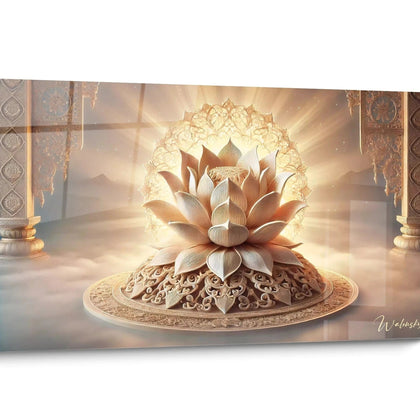
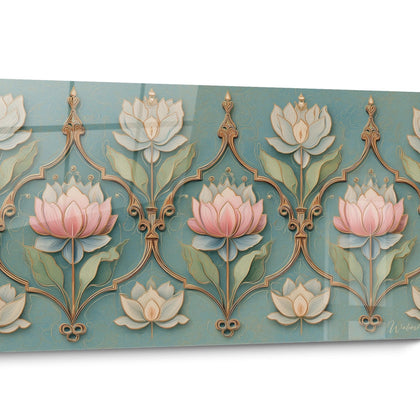
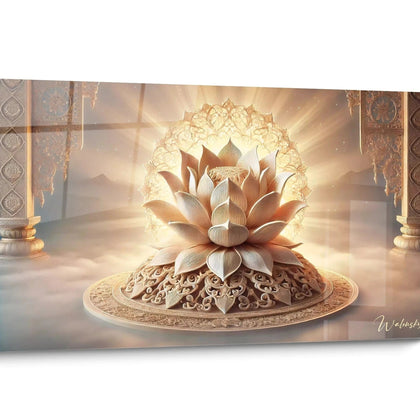
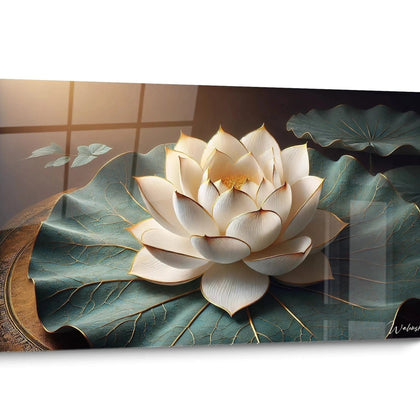
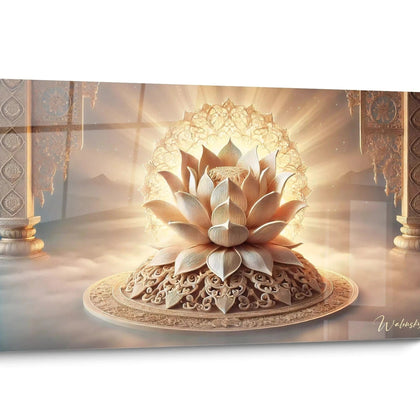
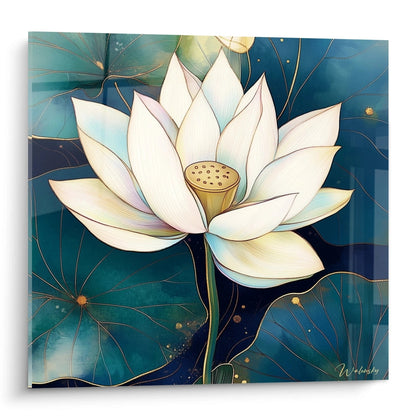
The Minimalist Lotus Flower Painting embodies the essence of purity and spiritual awakening in your interior. This collection celebrates the timeless beauty of the lotus through minimalist flower art lotus flower with clean and harmonious lines. Perfect for creating a zen and contemplative atmosphere, each work captures the natural grace of this sacred flower. Ideal for a soothing lotus wall decoration, this artistic style brings serenity and elegance to your living space.
 Lotus Painting Pure Grace - lotus flower edition213,90 €
 Lotus Flower Eternal Grace Painting - Lotus Flower Edition233,90 €
 Sacred Purity Wall Art - Zen Lotus Flower Edition233,90 €
Explore further
In Minimalist Lotus Flower Wall Art
All about Minimalist Lotus Flower Wall Art
- Minimalist Lotus Flower Wall Art Presentation
- Pure and Zen Design
- Contemporary Symbolism
- Decorative Integration
A minimalist lotus flower wall art embodies the perfect balance between Eastern spirituality and contemporary design. This refined representation of the sacred lotus transforms your spaces into sanctuaries of serenity, where each simplified line conveys a soothing philosophy of life. The generous formats of these wall creations magnify the very essence of minimalism, offering remarkable visual presence without decorative overload. Unlike artistic compositions laden with details, this reductionist approach sublimes the purity of the lotus by eliminating the superfluous to retain only what is symbolically essential. Every delicate curve, every carefully orchestrated negative space participates in daily visual meditation within your interior.
The Art of Visual Reduction in Service of the Sacred Lotus
The minimalist lotus flower wall art revolutionizes traditional decorative approaches by applying less is more principles to a timeless symbol. This artistic philosophy rests on economical expressive means: a few essential strokes, a restricted color palette, strategically positioned empty spaces that breathe and allow the eye to rest. In vast contemporary living spaces, these large-format wall compositions create contemplative focal points without visual saturation.
Why does minimalism particularly sublimate the lotus?
The very nature of the lotus — emergence of purity from troubled depths — lends itself beautifully to graphic purification. A linear contour suggesting delicate petals, a black and white monochrome play accentuating philosophical contrasts, or even a geometricized silhouette transforming the organic flower into an abstract icon: all these minimalist interpretations amplify the spiritual message of the lotus rather than dilute it. The imposing dimensions of these wall representations allow appreciation of every nuance of this intentional simplification.
Negative spaces and visual breathing
The exploitation of emptiness in a minimalist lotus flower wall art is never accidental. These unpainted zones become as meaningful as the motif itself, creating dynamic tension between presence and absence. In spacious interiors, this management of pictorial space dialogues with surrounding architecture: high ceilings, purified walls, furniture with clean lines. The minimalist lotus then becomes a visual bridge between Eastern philosophy of emptiness (ma) and contemporary Scandinavian or Japanese aesthetics.
Monochrome palettes and mastered contrasts
Unlike detailed botanical representations, the minimalist lotus often favors restricted color ranges: pure white on deep black background, diluted Chinese ink creating subtle gray nuances, or even a single gold stroke on neutral surface. This deliberate chromatic restriction forces the eye to perceive form rather than color, structure rather than ornament. For those who also appreciate more delicate approaches, the world of lotus flower watercolor wall art offers a complementary alternative with its fluid transparencies.
Spiritual Symbolism Amplified by Formal Purification
The minimalist lotus flower wall art operates a powerful symbolic distillation: by reducing representation to its graphic essence, it paradoxically amplifies the spiritual charge of the motif. This approach responds to the needs of meditation practitioners, yoga enthusiasts, or simply seekers of balance in an overloaded daily life. The imposing formats available transform these works into true meditative wall supports, simplified contemporary mandalas.
The lotus as an icon of contemporary resilience
Beyond its traditional Buddhist significance, the minimalist lotus becomes in modern interiors a symbol of resistance against surrounding complexity. Its purified form recalls the capacity to emerge intact from turbulence, a message particularly resonant in urban living spaces. Wellness professionals — yoga studios, holistic therapy centers, mindfulness-focused coworking spaces — massively adopt these representations for their ability to instantly communicate calm and centeredness.
How does minimalist design reinforce spiritual intention?
The elimination of superfluous details in a minimalist lotus flower wall art creates a direct channel between observer and symbolic archetype. Without ornamental distractions, the gaze immediately penetrates the heart of the message: rebirth, illumination, purity preserved despite adversity. This visual directness proves particularly effective in bedrooms, where the last and first daily glance rests on an invitation to let go rather than complex visual stimulation.
Visual rituals and daily anchoring
Incorporating a large-format minimalist lotus into your living space creates an anchoring visual ritual. Unlike narrative compositions requiring prolonged reading, this formal simplicity allows instant contemplative engagement: a few seconds suffice to absorb the complete composition, mentally reset, then continue your day. The generous dimensions guarantee this immediate visibility even in peripheral vision, functioning as a constant reminder of personal intentions for serenity and authenticity.
Integration Strategies in Contemporary Interiors
Installing a minimalist lotus flower wall art requires specific spatial reflection, as its strength lies precisely in what it does not show. These works demand breathing room around them — a clear wall becomes their ideal setting, allowing pictorial minimalism to dialogue with architectural minimalism. The large dimensions available make them masterpieces capable of visually structuring an open living room, master suite, or welcoming entryway.
What decorative environments naturally harmonize with the refined lotus?
Scandinavian, Japanese wabi-sabi, mid-century modern, or industrial-chic aesthetics share with the minimalist lotus the same philosophy of elegant restraint. In an interior with purified lines, low furniture, raw materials, and neutral palette, this stylized plant representation introduces an organic dimension without breaking formal harmony. Spaces flooded with natural light particularly magnify the subtle contrasts of monochrome versions, creating visual variations throughout the day.
Decorative associations and strategic complements
The minimalist lotus flower wall art functions ideally as a unique focal point rather than a wall gallery. Accompany it with a few curated elements: artisanal pottery with simple forms, a discreet meditation cushion, zen pebbles arranged in a purified line. Avoid multiplying symbolic objects that would dilute visual impact. In home offices dedicated to creative or intellectual work, this type of wall representation promotes concentration without imposing narrative distraction.
Functional zones and spatial intentions
Each room benefits differently from a minimalist lotus. In the entryway, it immediately establishes a soothing tone for the domestic space. Above a bed, it becomes the last and first daily point of focus, programming the subconscious toward calm and clarity. In a yoga or meditation practice space, its role transcends decoration to become a drishti support (visual focal point). Spa-style bathrooms, with their natural materials and minimalist lines, beautifully welcome these compositions in humidity-resistant formats.
Frequently asked questions about minimalist lotus flower wall art
Is a minimalist lotus flower wall art suitable for small spaces?
Absolutely, provided you respect wall proportions. In a reduced space, choose a format that occupies approximately one-third of the wall to create a focal point without visually crushing the room. The minimalism of the design compensates for the size by avoiding the visual saturation typical of detail-laden compositions.
How do you clean and maintain a large-format minimalist lotus flower wall art?
Regular dusting with a dry microfiber cloth is generally sufficient. Avoid direct exposure to intense sunlight, which could alter the subtle nuances of monochrome versions. For imposing formats, light half-yearly cleaning maintains the depth of contrasts essential to the minimalist effect.
Does the minimalist lotus style coordinate with other plant motifs?
Cohabitation works if you maintain stylistic coherence: other plant representations that are equally refined, graphic, and non-botanical. Avoid mixing minimalism and detailed realism, which would create visual dissonance. The minimalist lotus affirms an aesthetic that gains by remaining the primary plant focal point of the space.
Further reading
Our articles on this topic
- How Can a Minimalist Artwork Be Enough to Create a Complete Zen Atmosphere?
- Why is a nature artwork perfect for bringing freshness to a minimalist room?
- Pairing a Wall Art with a Minimalist Ambiance
- Luxury Minimalist Artwork: Subtle Refinement or Lack of Impact?
- Which Zen Lotus Flower Wall Art to Choose for a Living Room?


