


Wall Art for Wellness Center
Elevate your space with a collection of wall art for wellness centers specially designed to create a serene and welcoming atmosphere. These unique artworks are thoughtfully created to support the wellness journey of your clients, perfectly complementing the soothing ambiance of your facility. Every wellness center will benefit from an artistic touch that reinforces your space's identity while promoting relaxation. From harmonious compositions to soft tones that invite tranquility and introspection, ideal for enriching the sensory experience of your visitors.
 Eternal Tranquility Wall Art - Tree Nature Edition233,90 €
 Breath of Earth Wall Art - Tree of Life Zen Edition233,90 €
 Tree of Life Zen Dance of Seasons Wall Art233,90 €
 Night Tree Wall Art - Zen Life Tree Edition233,90 €
 Ancient Tree Wall Art - Life Tree Zen Edition233,90 €
 Marbled Peace Wall Art - Zen Edition233,90 €
 Waterfall Artwork No.3 - Landscape Edition233,90 €
 Waterfall Painting No.2 - Landscape Edition233,90 €
 Waterfall Painting No.1 - Landscape Edition233,90 €
 Light Cascade Wall Art - Nature Waterfall Edition233,90 €
 Golden Cascade Canvas - Cascade Nature Edition233,90 €
 Artistic landscape painting No. 1 - Landscape edition233,90 €
 Tulip Sea Painting - Wildflower Landscape Edition233,90 €
 Spring Beauty Painting - Wildflower Landscape Edition233,90 €
 Reverie in Pink Wall Art - Orchid Nature Edition233,90 €
 Refinement Wall Art - Orchid Nature Edition233,90 €
 Zen Orchid Wall Art - Orchid Nature Edition233,90 €
 Orchids at Dusk Wall Art - Orchid Nature Edition233,90 €
 Pastel Nuance Wall Art - Orchid Nature Edition233,90 €
 Blue Bloom Wall Art - Orchid Nature Edition233,90 €
 Evening Softness Wall Art - Orchid Nature Edition233,90 €
 Ephemeral Beauty Artwork - Floral Nature Edition233,90 €
 Red Passion Wall Art - Nature Floral Edition233,90 €
 Poem in Pink Wall Art - Flower Nature Edition233,90 €
Explore further
In Wall Art for Wellness Center
-
 Wall Art for Zen Wellness Center24
artworks
Wall Art for Zen Wellness Center24
artworks
-
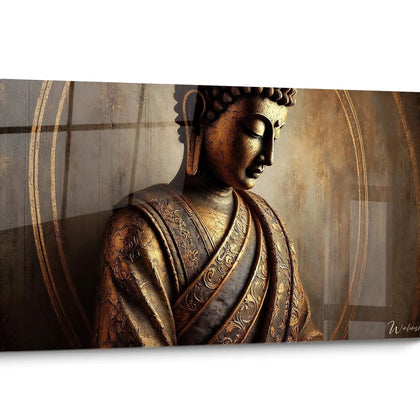 Buddha Wellness Center Wall Art15
artworks
Buddha Wellness Center Wall Art15
artworks
-
 Golden Wellness Center Wall Art18
artworks
Golden Wellness Center Wall Art18
artworks
-
 Abstract Wellness Center Wall Art15
artworks
Abstract Wellness Center Wall Art15
artworks
-
 Wellness Center Wall Art Floral24
artworks
Wellness Center Wall Art Floral24
artworks
-
 Wall Art for Wellness Center Cascade8
artworks
Wall Art for Wellness Center Cascade8
artworks
-
 Wall Art for Wellness Center Tree of Life10
artworks
Wall Art for Wellness Center Tree of Life10
artworks
-
 Orchid Wellness Center Wall Art9
artworks
Orchid Wellness Center Wall Art9
artworks
-
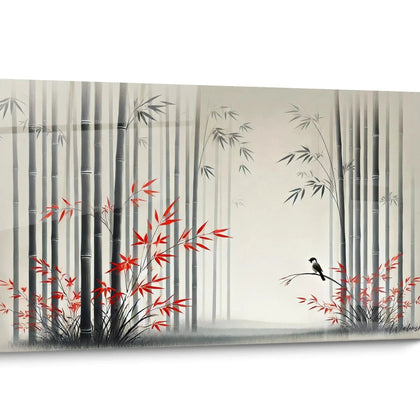 Wall Art for Wellness Center Bamboo5
artworks
Wall Art for Wellness Center Bamboo5
artworks
-
 Landscape Wall Art for Wellness Centers13
artworks
Landscape Wall Art for Wellness Centers13
artworks
-
 Wall Art for Lotus Wellness Center6
artworks
Wall Art for Lotus Wellness Center6
artworks


In the same family
Also explore the theme Professionnels
-
 For Real Estate Agencies5435
artworks
For Real Estate Agencies5435
artworks
-
 For Luxury Boutiques26
artworks
For Luxury Boutiques26
artworks
-
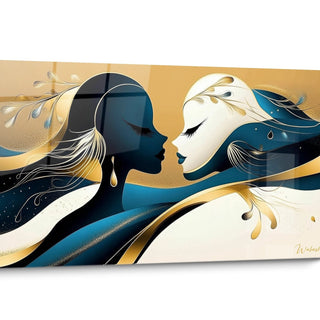 For law firms820
artworks
For law firms820
artworks
-
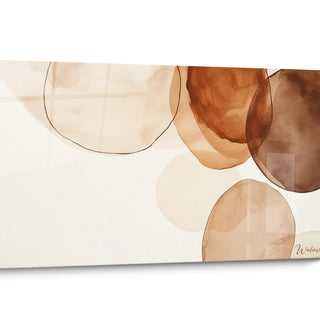 For Dental Practices100
artworks
For Dental Practices100
artworks
-
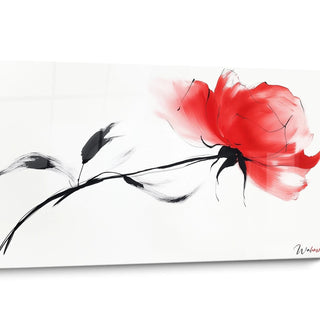 For Doctor's Office100
artworks
For Doctor's Office100
artworks
-
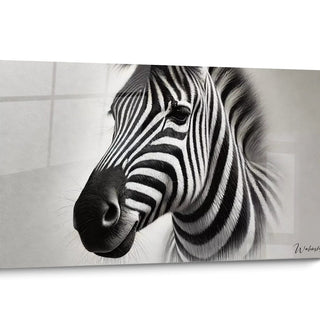 For Medical Practices100
artworks
For Medical Practices100
artworks
-
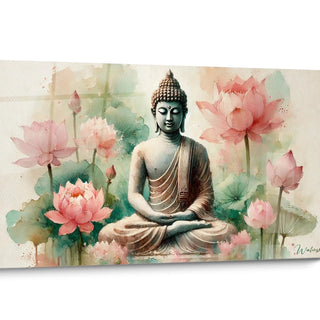 For Psychologist's Office100
artworks
For Psychologist's Office100
artworks
-
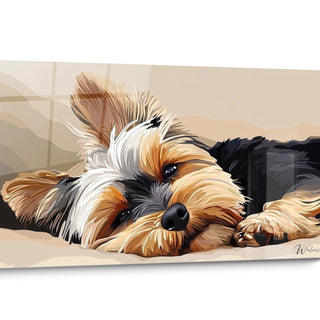 For Veterinary Clinics64
artworks
For Veterinary Clinics64
artworks
-
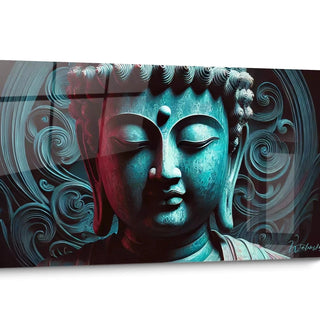 For Clinics100
artworks
For Clinics100
artworks
-
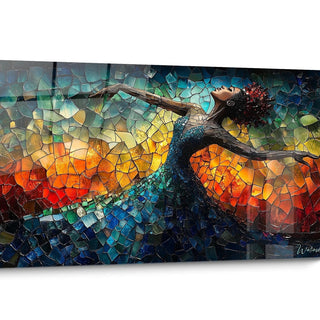 For Luxury Hotels820
artworks
For Luxury Hotels820
artworks
-
 For Steakhouse9
artworks
For Steakhouse9
artworks
-
 For Fish Restaurant16
artworks
For Fish Restaurant16
artworks
-
 For Sushi Restaurant15
artworks
For Sushi Restaurant15
artworks
All about Wall Art for Wellness Center
- Wall Art Presentation for Wellness Centers
- Large Format Artworks for Therapeutic Ambiance
- Resistance to Wellness Environments
- Psychological Impact in Therapeutic Spaces
Discover how wall art for wellness centers transforms client experience and optimizes your professional space. Our murals specially designed for therapeutic environments combine aesthetics and functionality to support your commercial and therapeutic objectives.
Holistic care centers, spas and relaxation spaces require visual design that reinforces their identity and the benefits offered. A wall art piece for a wellness center is not simply a decorative element, but a genuine therapeutic tool that contributes to the overall experience of your clients.
Our large format works are specifically created to resist particular conditions in wellness spaces (humidity, temperature variations) while offering visual immersion conducive to relaxation and letting go.
Discover in the following sections how to choose the ideal wall art for your wellness center, their technical characteristics adapted to this specific environment, and their measurable impact on client satisfaction and loyalty.
Navigate through our different tabs to explore all essential aspects to consider before investing in wall art for wellness professionals.
Large Format Artworks to Create an Immersive Therapeutic Ambiance
The visual design of a wellness center represents a strategic investment that directly influences client experience and the effectiveness of care provided. Large format wall art constitutes a key element of this ambiance strategy, transcending simple decoration to become genuine therapeutic tools.
Why choose monumental artworks for your therapeutic space?
Large-scale murals generate immediate visual impact that immerses the visitor in your establishment's sensory world from arrival. Unlike standard commercial spaces, a wellness center must create an instant break from the stressful external environment. A monumental artwork of at least 120x180cm in your reception hall establishes this essential transition.
Visual immersion significantly facilitates the mental disconnection process, a prerequisite for the effectiveness of many holistic care approaches. Studies in neuroesthetics demonstrate that contemplating large format works activates brain areas associated with stress reduction and sensory openness.
Optimal dimensions according to specific therapeutic spaces
Each zone of your wellness center requires a different dimensional approach for wall art:
- Reception and welcome: Favor panoramic formats (minimum 150x200cm) creating a visual "anchor point" that naturally guides gaze and circulation
- Corridors and transition zones: Series of medium artworks (60x90cm) create a visual path guiding the client between different spaces
- Individual practice rooms: Vertical works (90x120cm) placed in the client's field of vision during treatments
- Collective spaces (yoga, meditation): Monumental formats (180x250cm) serving as focal point during guided practices
Impact of artwork dimensions on clients' psycho-emotional state
Research in environmental psychology confirms that the dimensions of visual elements directly influence our spatial perception and emotional state. In a wellness center, large formats produce several specific effects:
Imposing wall artworks create a sense of expansion that counterbalances the feeling of confinement sometimes experienced in certain confined therapeutic spaces. This modified space perception promotes deep breathing and muscle relaxation.
The visual immersion generated by a large format artwork significantly reduces attention to parasitic environmental details (technical equipment, electrical outlets, wall imperfections), thus maintaining the illusion of perfectly harmonious space.
What visual themes should be prioritized for maximum therapeutic impact?
The choice of subject depicted must respond to the specific needs of your clientele and practices offered:
For centers focused on meditation and energy practices, panoramic landscape artworks of high altitude (mountains, distant horizons) in ultra-large format reinforce the sensation of elevation and transcendence sought during these practices.
Spaces dedicated to body care particularly benefit from representations of water (waterfalls, oceans) in elongated portrait format, which evoke fluidity and visually accompany the sensation of downward energy circulation.
Waiting areas and common spaces gain effectiveness with abstract compositions featuring organic forms in very large format, which stimulate the brain's right hemisphere and prepare the nervous system for sensory receptiveness.
Specific installation of large format wall art in therapeutic environments
Hanging monumental works in a wellness center responds to particular constraints:
Installation height must account for varied client positions (standing, sitting, lying down) depending on spaces. In massage rooms, the main artwork should be visible from the treatment table, generally lower than standard hanging height.
The orientation of monumental works subtly influences movement through space. A large horizontal artwork naturally encourages slowing and stopping, while a vertical format guides circulation and movement.
Specific lighting is crucial for large formats in therapeutic space. Unlike art galleries, favor indirect and diffuse lighting that avoids disruptive reflections during treatment and creates an enveloping ambiance consistent with your holistic approach.
Wall Art Resistant to Specific Wellness Center Environments
Wellness centers present unique environmental challenges that impose particular requirements for wall art. Wall art for a wellness center must resist conditions very different from those encountered in other professional or residential spaces.
What technical characteristics should you seek for wall art exposed to humid environments?
Proximity to aquatic spaces (pools, hot tubs, steam rooms) creates a particular microclimate in many wellness centers. This elevated ambient humidity constitutes the first challenge for decorative artworks. Works intended for these zones must present superior hygrometric resistance.
Wall art with acrylic sealant finish offers an effective barrier against ambient humidity, preventing mold appearance or warping that would quickly affect standard works. This protection is particularly crucial for artworks installed in corridors adjacent to humid spaces where hygrometric variations are constant.
For areas directly exposed to water splash (proximity to therapeutic showers or basins), favor wall art with integral water-resistant treatment that allows regular cleaning without damage. These specific works maintain their visual integrity despite repeated humidity exposure.
Resistance to thermal variations in contrasting care spaces
A distinctive characteristic of wellness centers lies in the juxtaposition of spaces with contrasting temperatures. The transition from heated zones (saunas, heated care rooms) to cooler spaces (rest areas, cold pools) generates considerable thermal stress for decorative elements.
Wall art for wellness centers must incorporate a multilayer composite structure that resists expansion and contraction caused by thermal variations. A standard artwork would quickly deform under these conditions, creating an unattractive wavy appearance and significantly reducing its lifespan.
Printing techniques on composite aluminum or mineral supports offer exceptional dimensional stability facing thermal amplitudes. These artworks maintain perfect flatness despite temperature variations exceeding 20°C between different center zones.
Protection against substances specific to therapeutic environments
Wellness centers daily use essential oils, aromatic preparations and various care products that saturate the air with volatile particles. These substances can interact with pigments and supports of classic artworks, causing premature discoloration and deterioration.
Wall art for a wellness center must benefit from protection against these specific chemical aggressions. Works with UV encapsulation offer an effective barrier against discoloration caused by volatile organic compounds present in therapeutic space air.
For spaces where aromatherapy is intensively practiced, opt for wall art with anti-adhesion treatment that prevents oily particle fixation in suspension. This characteristic also facilitates regular artwork maintenance without risk of alteration.
Durability under intensive use conditions
The significant client rotation in a wellness center subjects decorative elements to much more intense exposure than in a residential environment. Wall art for a wellness center must be designed to maintain its aesthetic qualities despite this intensive use.
Mineral printing techniques or pigment infusion offer superior resistance to discoloration even under constant light exposure. This characteristic is essential for works placed in naturally lit spaces like solariums or yoga rooms.
The reinforced structure of professional artworks also enables resistance to vibrations generated by certain therapeutic equipment (motorized massage tables, pressotherapy devices, etc.) which would, over time, weaken standard works.
Secure hanging solutions for high-traffic environments
The high volume of traffic in wellness center common areas requires specifically adapted hanging systems:
- Anti-lift fasteners that prevent accidental removal during frequent passages nearby
- Recessed hanging systems that eliminate potential protrusions in spaces where clients sometimes circulate in robes
- Vibration-resistant mounts that absorb shocks transmitted by the floor during dynamic activities (group classes, movement)
These specialized hanging solutions guarantee not only client safety but also long-term artwork preservation by avoiding micro-displacements that would eventually damage both the artwork and the wall surface.
Psychological Impact and Commercial Benefits of Wall Art in Therapeutic Spaces
Strategic integration of wall art in a wellness center far transcends simple decorative function. These murals constitute genuine therapeutic tools that profoundly influence client experience while reinforcing establishment profitability.
How do artworks influence the psychological state of clients awaiting treatment?
The wait preceding treatment represents a critical moment where anxiety and impatience can compromise subsequent therapeutic effectiveness. Wall art for a wellness center strategically positioned in the reception space acts as a "neurological pre-conditioning" that prepares the client for the experience ahead.
Studies in neuropsychology have demonstrated that contemplating specific visual works triggers dopamine release and measurable cortisol reduction (stress hormone). This phenomenon, particularly pronounced facing certain visual compositions, allows the client to begin their therapeutic journey in a state of optimal receptiveness.
Wall artworks with open compositions and distant horizons activate the same brain areas as guided meditation, creating a mindset conducive before treatment even begins. This pre-conditioning amplifies perceived treatment effectiveness and significantly increases client satisfaction.
Wall art as commercial differentiation elements for wellness centers
In a highly competitive sector, the visual identity of a wellness center constitutes a crucial differentiation factor. Large dimension artworks establish immediately recognizable signature that anchors your establishment in clients' minds.
Industry statistics reveal that 78% of premium center clients mention visual atmosphere as determining factor in establishment choice, ahead of technical equipment or even staff qualifications. An investment in professionally designed wall art specifically created for your space represents therefore a direct commercial lever.
The "Instagrammable" effect of striking wall artworks also generates considerable organic marketing. Clients naturally photograph and share these distinctive visual elements, transforming your décor into a permanent promotional tool on social networks.
What return on investment should you expect from high-end wall art in therapeutic space?
Acquisition of professional wall art represents an investment whose profitability must be evaluated across several dimensions:
The exceptional lifespan of works specifically designed to resist particular wellness center conditions (humidity, thermal variations, suspended substances) guarantees very competitive cost per year of use. Unlike standard decorative solutions requiring frequent replacement, these artworks maintain their visual impact for 7 to 10 years minimum.
The influence of wall art on average client spending has been documented: establishments investing in high-end visual coherence record an average 23% increase in additional product and care sales. This indirect commercial stimulation often represents complete investment return in less than 18 months.
Client loyalty strengthened by distinctive sensory experience perhaps represents the most significant economic benefit. Wellness centers with strong visual identity display client return rates 34% higher than sector average, significantly reducing new client acquisition costs.
Adapting wall art to different therapeutic practices
Each discipline offered in your wellness center benefits from specific wall art type that reinforces its effectiveness:
- Meditation spaces: Abstract works with circular forms facilitate concentration and mental grounding
- Massage rooms: Artworks depicting horizontal landscapes promote deep muscle relaxation
- Hydrotherapy zones: Compositions with blue dominants amplify sensation of immersion and fluidity
- Yoga spaces: Elongated vertical works visually support elongation and postural alignment
This targeted personalization transforms wall art into genuine therapeutic assistants that complement practitioners' action and amplify perceived benefits of dispensed care.
FAQ on wall art for wellness centers
What wall art size should be prioritized for a small therapeutic space?
Even in restricted space, favor at least one focal artwork with minimum dimension 90x120cm. In small therapeutic spaces, an oversized artwork paradoxically creates sensation of expansion by redirecting client attention toward a "visual window" that transcends physical room limits.
Does wall art for wellness centers require particular maintenance?
Professional wall art designed for therapeutic environments requires minimal maintenance - simple weekly dusting with a dry microfiber cloth generally suffices. For very humid zones, quarterly cleaning with a slightly moistened cloth (without detergent) is recommended to remove condensation residue.
How to integrate wall art for a wellness center into a rebranding strategy?
During rebranding, use artworks as visual pivots of your new identity. Choose works subtly incorporating your new corporate colors and therapeutic philosophy. Install them strategically 2-3 weeks before full identity deployment to create gradual transition in your existing clientele's minds.
Further reading
Our articles on this topic
- What artworks to choose to create a soothing atmosphere in a spa?
- Are Zen Wall Art Essential in a Wellness Center?
- How to Choose Artwork That Extends the Therapeutic Effects of Care?
- Unlock Your Mind with the Power of a Carefully Chosen Artwork
- How to Select Artwork Suitable for a Post-Treatment Relaxation Area?
- Are Minimalist Paintings Preferable in Wellness Spaces?


