


Wall Art for Living Room Dance Movement
Our Painting for Living Room Dance Movement collection captures the essence of choreography and body expression through vibrant artistic creations. Each work celebrates contemporary dance for interior with dynamic compositions that convey the grace, energy, and fluidity of dancers. Perfect for creating a modern dance wall decoration, this artistic universe transforms your living room into an elegant and vibrant space, where passion and aesthetics meet to inspire your daily life.
 Silhouettes Dance Wall Art - Cubism Abstract Edition273,90 €
 Line Dance Wall Art - Abstract Dancer Edition273,90 €
 Dance of Light Painting - Abstract Dancer Edition273,90 €
 Beauty in Red and Black Wall Art - Abstract Dancer Edition273,90 €
 Golden Ballet Wall Art - Abstract Dancer Edition273,90 €
 Celestial Duality Wall Art - Artistic Abstract Edition273,90 €
Explore further
In Wall Art for Living Room Dance Movement
-
 Wall Art for Living Room634
artworks
-
 Modern Abstract Wall Art for Living Room24
artworks
-
 Natural Landscape Wall Art for Living Room24
artworks
-
 Golden Luxury Living Room Wall Art24
artworks
-
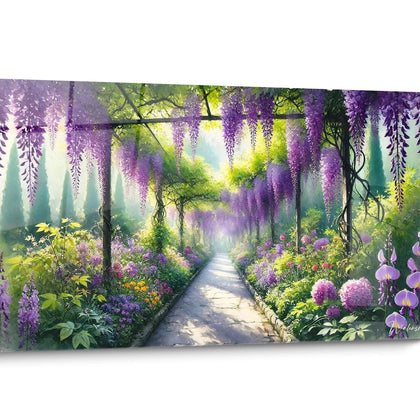 Zen Meditation Wall Art for Living Room24
artworks
-
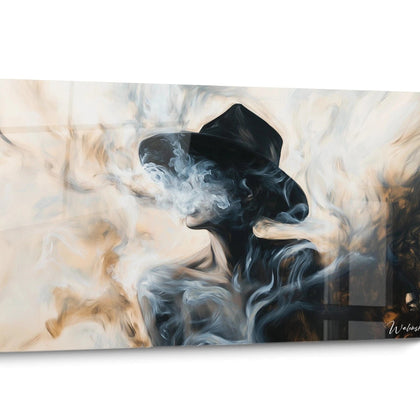 Elegant Black and White Living Room Wall Art17
artworks
-
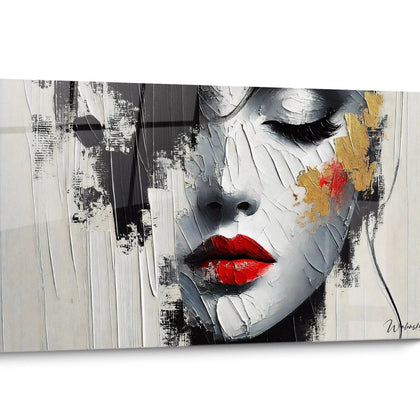 Artistic Portrait Wall Art for Living Room18
artworks
-
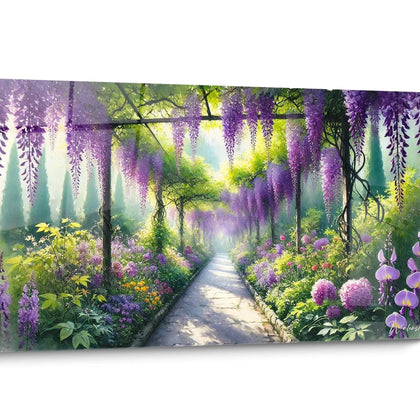 Botanical Flower Wall Art for Living Room19
artworks
-
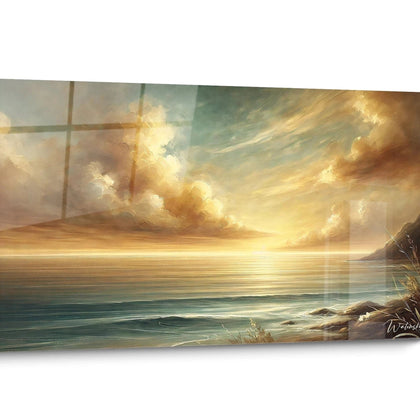 Ocean Sea Wall Art for Living Room15
artworks
-
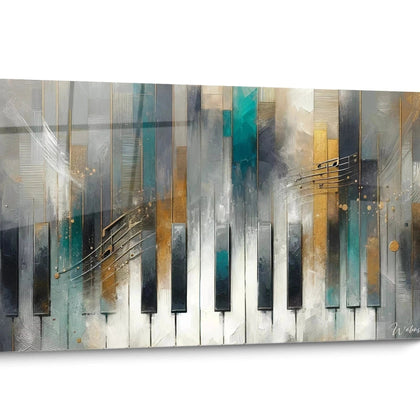 Modern Music Wall Art for Living Room10
artworks
-
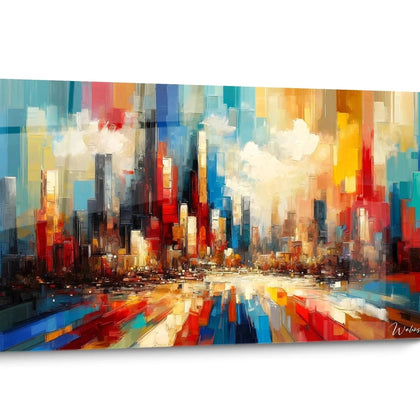 Vibrant Multicolor Wall Art for Living Room10
artworks
-
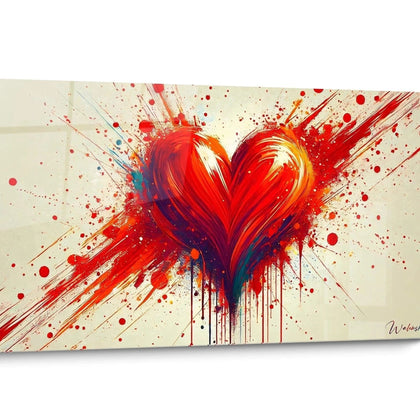 Romantic Love Wall Art for Living Room9
artworks
-
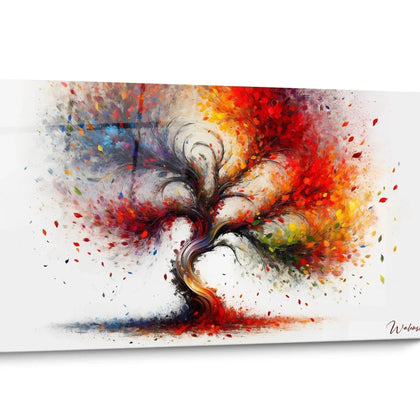 Wall Art for Living Room Tree Nature8
artworks
-
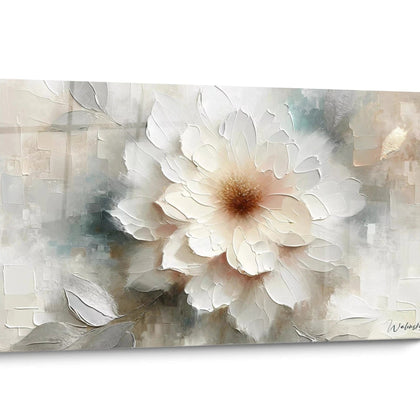 Minimalist Wall Art for Living Room - Refined Aesthetic18
artworks
-
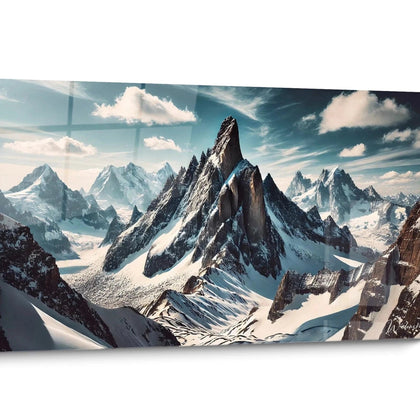 Panoramic Mountain Wall Art for Living Room6
artworks
-
 Colorful Pop Art Wall Art for Living Room5
artworks
All about Wall Art for Living Room Dance Movement
- Presentation Painting Dance Movement
- Visual dynamism of movement
- Energetic ambiance for social spaces
- Wall expression of choreography
A painting for living room Dance Movement radically transforms the spatial perception of your reception area by capturing the very essence of bodily fluidity and gestural expression. These large-format creations celebrate the kinetic energy of bodies in motion, visually translating grace, impulse, and choreographic dynamics through compositions where each curve evokes a step, each line captures a suspended moment. Unlike static representations, these works infuse a palpable vitality into living rooms, creating a permanent dialogue between the artwork and the daily movements of the occupants.
The kinetic energy captured in your living room
A painting for living room Dance Movement exploits the principles of gestural decomposition to create an impression of perpetual trajectory. Broken guideline lines, fragmented silhouettes, and chromatic traces suggest the temporal sequence of a danced gesture, transforming your wall into a visual stage where the gaze mentally reconstructs the choreographic sequence. This narrative approach to movement generates a particular cognitive activation in the viewer.
How do directional curves amplify spatiality?
Compositions favoring ascending arabesques and expansive diagonals modify the volumetric perception of your living room. An imposing vertical format accentuates the ceiling height while creating a visual aspiration upwards, while serpentine horizontal lines optically widen the space. This orchestration of visual vectors directly dialogues with the physical circulation in the room, the curves of the painting responding to natural movement trajectories.
The impact of tonal contrasts on the perception of tempo
Marked oppositions between light and dark zones visually translate the accelerations and decelerations of the dance movement. Chromatic splashes suggest explosive impulse moments, while subtle gradients evoke the fluid transitions between postures. This rhythmic alternation creates a visual breathing that energizes the atmosphere of the living room without saturating the space, particularly effective in configurations where the painting constitutes the focal point facing the seating areas.
Why prioritize representations of contemporary dance?
The gestures of contemporary dance offer maximum interpretive freedom, their organic forms and unusual torsions escaping conventional figurative codes. This partial abstraction allows for harmonious integration with various decorative styles, from Scandinavian minimalism to eclectic interiors. Lovers of modern abstract art for living room particularly appreciate this blurred boundary between figuration and suggestion, where movement becomes pure plastic energy rather than literal representation.
Creating a vibrant atmosphere in reception areas
Installing a painting for living room Dance Movement in a space dedicated to social exchanges generates continuous visual stimulation that combats decorative monotony. Unlike still lifes or soothing landscapes recommended for bedrooms, these energetic compositions maintain an optimal level of perceptual activation for conversation and conviviality areas. The presence of human figures in action, even stylized, unconsciously creates a sensation of presence and animation.
How to harmonize visual movement and static furniture?
The contrast between the fixed nature of the sofa, armchairs, and the fluidity of the dancing painting creates a productive aesthetic tension. To balance this dynamic, position the artwork at a mid-height between seating and ceiling, allowing seated viewers to embrace it naturally without neck strain. Panoramic formats work particularly well above modular seating arrangements, their lateral extension visually unifying the entire furniture ensemble.
The influence on social interactions in the living room
A large-format painting for the living room, Dance Movement, naturally becomes a conversation starter during receptions, offering a visual trigger to initiate discussions about art, performing arts, or simply the emotions evoked. Representations of movement generate visceral and kinesthetic reactions – some viewers physically feel the impulse of the gesture – creating deeper emotional connections than purely decorative artworks. This experiential dimension enriches the social atmosphere.
What lighting enhances compositions in motion?
Directional lighting systems with adjustable spotlights allow you to create shadows that accentuate the visual relief and amplify the impression of dynamic depth. Side grazing light reveals the texture variations suggesting gestural velocity, while a frontal light source unifies the overall reading. For living rooms receiving variable natural light, prioritize compositions with strong intrinsic contrasts that maintain their visual impact regardless of changing lighting conditions throughout the day.
Choreographic expression as a decorative signature
Choosing a painting for the living room, Dance Movement constitutes an affirmed cultural positioning, signaling a sensitivity to performing arts and an appreciation for physical performance as a form of expression. These works visually translate abstract concepts – freedom, passion, discipline, transcendence – through the universal language of the body in action. For owners who themselves practice dance or value expressive physical activity, the artwork resonates as an identity extension.
How do choreographic styles determine the atmosphere?
Representations of classical ballet with their clean lines and elegant verticality are suitable for sophisticated interiors that prioritize symmetry and refinement. Conversely, compositions inspired by urban dances or breakdance movements, with their sharp angles and explosive energy, energize contemporary industrial spaces. Gestures of modern dance, with their organic extensions and controlled imbalances, blend harmoniously into eclectic decors that value expressive authenticity.
The symbolism of perpetual motion in interior decoration
Beyond their aesthetic qualities, these artworks philosophically embody the principle of continuous transformation and existential fluidity. In a society valuing adaptability and dynamism, a painting capturing the transition between postures rather than the frozen pose resonates with contemporary aspirations. This symbolic dimension transforms the artwork into a daily visual manifesto encouraging movement, change, and personal expression, particularly relevant in active and wellness-oriented homes.
What formats should be prioritized to maximize visual impact?
The imposing dimensions, ranging from 120 to 180 cm, allow for complete visual immersion where the viewer can mentally project their own body into the depicted space. Tall, vertical formats accentuate the impression of elevation and lightness characteristic of jumps and extensions, while panoramic horizontal formats better capture lateral movement sequences and group compositions. For living rooms with double height ceilings, consider vertical diptychs or triptychs creating a visual cascade that spectacularly amplifies the impression of upward movement.
Would a Dance Movement painting be suitable for family spaces?
Absolutely, these energetic compositions positively stimulate children's imaginations while maintaining an aesthetic sophistication appreciated by adults. The representation of the body in action subconsciously encourages physical activity and body expression, important educational values. Opt for balanced color palettes avoiding oversaturation to preserve a harmonious atmosphere conducive to both convivial moments and relaxation.
How to maintain a painting depicting dance?
A monthly dusting with a dry microfiber cloth is sufficient for smooth surfaces. Avoid liquid cleaning products that could alter the pigments and finishes. Position the artwork away from direct heat sources and prolonged sunlight which could affect the vibrant tones essential to the impression of vitality characteristic of these compositions.
Can multiple Dance Movement paintings be combined in the same living room?
To avoid visual saturation, limit yourself to a major piece complemented by a more discreet secondary composition in a peripheral area. The accumulation of multiple dynamic representations risks creating a counterproductive visual agitation. Instead, prioritize association with soothing decorative elements creating a rhythmic counterpoint between areas of intensity and visual breathing spaces.
Further reading
Our articles on this topic
- Which art movement should you choose to decorate your modern living room?
- Which wall art to choose for a dance or breakdance studio
- Do ballet and dance paintings inspire artistic activities?
- Living Room Wall Painting: How to Choose the Centerpiece of Your Decor
- Jazz singer painting on brick background: elevating your loft apartment entrance
- What wall art to choose for a stylish and cozy living room?
L'art qui suscite l'envie
Maison belge d'art mural grand format
14 jourspour changer d'avis*
Protection Walenskyincluse
Fabriquéen Italie
FormatXXL
Kit de fixationtoujours fourni
* Hors tableaux personnalisés et tailles personnalisées


