


Vibrant Multicolor Wall Art for Living Room
The Vibrant Multicolored Living Room Artwork transforms your living space into a vibrant contemporary gallery. These artistic creations with bright and energetic nuances bring dynamism and character to your interior decoration. Perfect for enhancing a multicolored modern living room, these captivating works create striking focal points. Each composition celebrates chromatic boldness and contemporary artistic expression. Ideal for lovers of vibrant art for interiors, this colorful universe breathes life and personality into your walls.
 Paint Bursts Canvas - Pop Art Abstract Edition273,90 €
 Vintage Brilliance Canvas - Abstract Pop Art Edition273,90 €
 Divinity in Colors Painting - Contemporary Abstract Painting Edition273,90 €
 Woman with Sunflowers Painting - Abstract Fauvism Edition273,90 €
 Seasonal Sparkle Canvas - Forest Landscape Edition273,90 €
 Chameleon Pop Art Painting - Pop Art Abstract Edition273,90 €
 Ballet of Bubbles Wall Art - Multicolor Abstract Edition273,90 €
 City in Colours Painting - Multicolour Abstract Edition273,90 €
 Chromatic Cascades Wall Art - Limited Edition Multicolor Abstract273,90 €
 Cosmic Viscosity Wall Art - Multicolor Abstract Edition273,90 €
Explore further
In Vibrant Multicolor Wall Art for Living Room
-
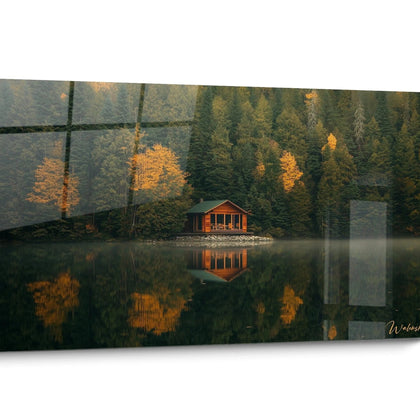 Wall Art for Living Room634
artworks
Wall Art for Living Room634
artworks
-
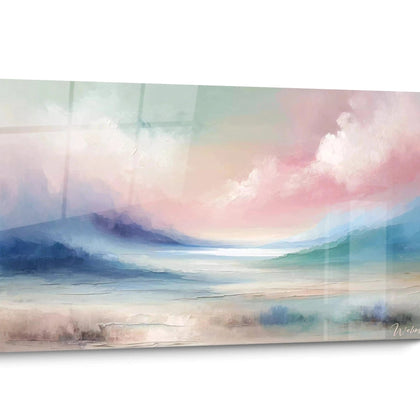 Modern Abstract Wall Art for Living Room24
artworks
Modern Abstract Wall Art for Living Room24
artworks
-
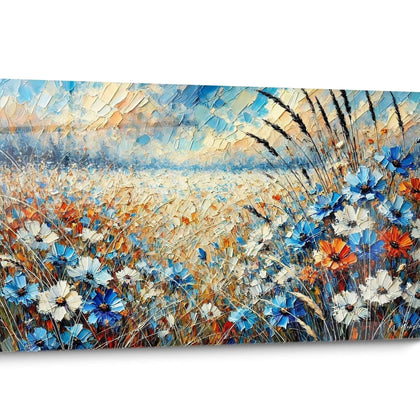 Natural Landscape Wall Art for Living Room24
artworks
Natural Landscape Wall Art for Living Room24
artworks
-
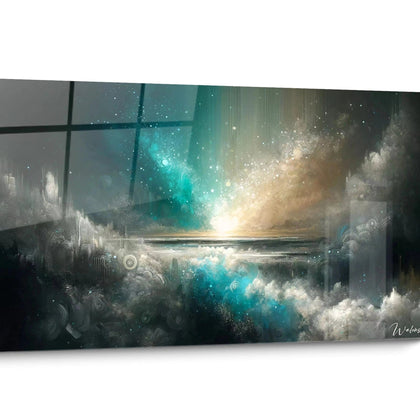 Golden Luxury Living Room Wall Art24
artworks
Golden Luxury Living Room Wall Art24
artworks
-
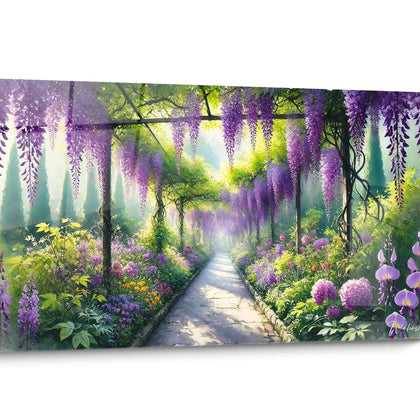 Zen Meditation Wall Art for Living Room24
artworks
Zen Meditation Wall Art for Living Room24
artworks
-
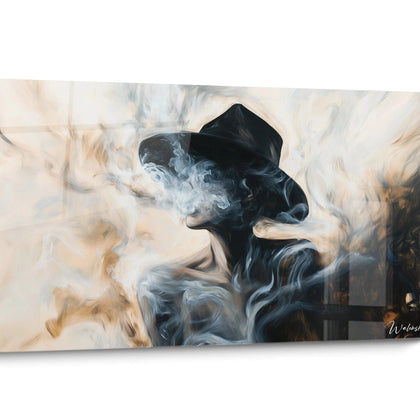 Elegant Black and White Living Room Wall Art17
artworks
Elegant Black and White Living Room Wall Art17
artworks
-
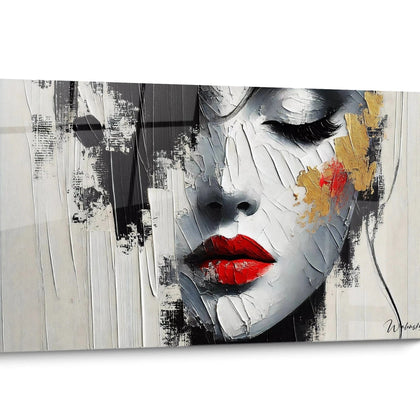 Artistic Portrait Wall Art for Living Room18
artworks
Artistic Portrait Wall Art for Living Room18
artworks
-
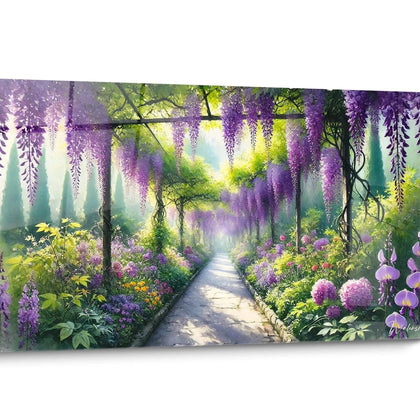 Botanical Flower Wall Art for Living Room19
artworks
Botanical Flower Wall Art for Living Room19
artworks
-
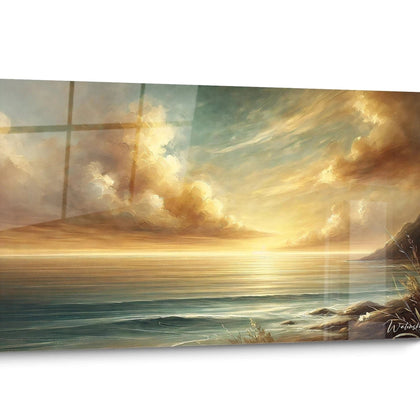 Ocean Sea Wall Art for Living Room15
artworks
Ocean Sea Wall Art for Living Room15
artworks
-
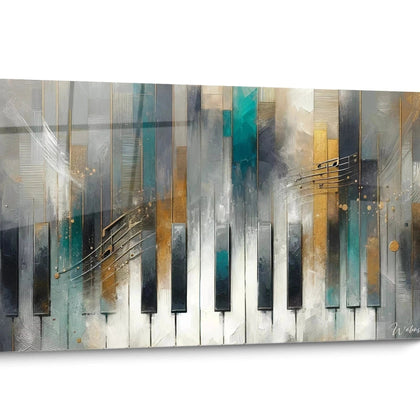 Modern Music Wall Art for Living Room10
artworks
Modern Music Wall Art for Living Room10
artworks
-
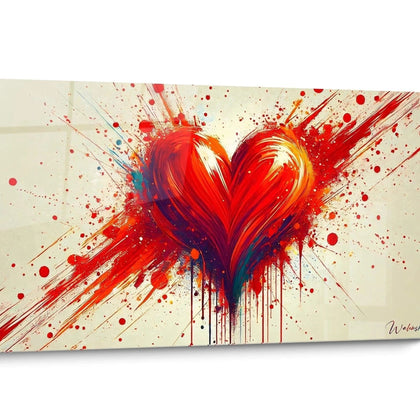 Romantic Love Wall Art for Living Room9
artworks
Romantic Love Wall Art for Living Room9
artworks
-
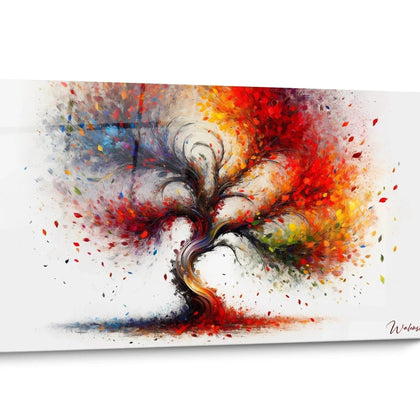 Wall Art for Living Room Tree Nature8
artworks
Wall Art for Living Room Tree Nature8
artworks
-
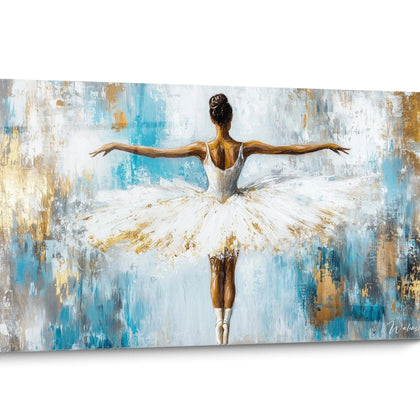 Wall Art for Living Room Dance Movement6
artworks
Wall Art for Living Room Dance Movement6
artworks
-
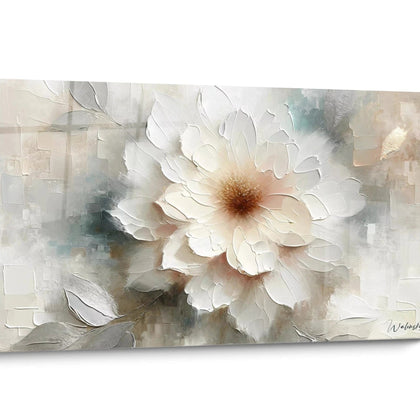 Minimalist Wall Art for Living Room - Refined Aesthetic18
artworks
Minimalist Wall Art for Living Room - Refined Aesthetic18
artworks
-
 Panoramic Mountain Wall Art for Living Room6
artworks
Panoramic Mountain Wall Art for Living Room6
artworks
-
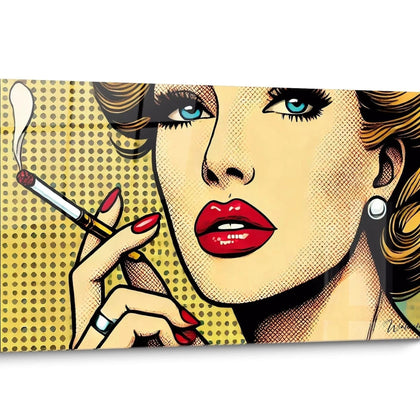 Colorful Pop Art Wall Art for Living Room5
artworks
Colorful Pop Art Wall Art for Living Room5
artworks
All about Vibrant Multicolor Wall Art for Living Room
- Colorful Living Room Painting Presentation
- Vibrant Chromatic Explosions
- Energizing Multicolored Decor
- Vibrant Composition Guide
A vibrant, multicolored painting for the living room instantly transforms the atmosphere of your space, infusing it with an unparalleled chromatic energy. This wall decoration category is distinguished by its visual intensity, capable of energizing contemporary interiors while creating spectacular focal points. Vibrant compositions combine several saturated hues that interact with each other, generating a pronounced wall presence particularly suited to the generous volumes of modern living rooms.
The Psychological Impact of Vibrant Multicolored Compositions in the Living Room Space
A vibrant, multicolored painting for the living room acts as a natural visual stimulant that directly influences mood and spatial perception. Environmental psychology research demonstrates that exposure to diverse and saturated color palettes increases perceived energy levels in a room, making reception areas more dynamic and conducive to social interaction.
How intense chromatic contrasts change the perception of volume?
Large multicolored compositions exploit simultaneous contrasts to create illusory depth. A scarlet red juxtaposed with electric turquoise generates an optical vibration that animates the wall surface, while the addition of lemon yellow and magenta amplifies this dynamic effect. This chromatic interaction works particularly well in spacious living rooms where the viewing distance allows you to appreciate the entire composition without visual saturation.
What energetic benefits do saturated hues bring on a daily basis?
Installing a vibrant, multicolored painting in your main living space creates a stimulating daily visual ritual. Vivid hues like mandarin orange, deep violet, and emerald green activate different perception zones, keeping the mind alert and fostering creativity. For those seeking more structured compositions while maintaining this vitality, exploring an abstract modern painting for the living room allows you to discover how geometry and chromatic intensity combine.
The balance between visual stimulation and residential comfort
Contrary to popular belief, an intense multicolored wall decor does not necessarily generate visual fatigue when properly sized. Imposing formats allow the different color zones to breathe, creating micro-visual rest spaces between the saturated areas. The eye can thus circulate freely between the different intensities, naturally moving from a fuchsia explosion to a cobalt blue area before resting on softer transitions.
Owners of open spaces particularly appreciate how these vibrant compositions define functional zones without physically partitioning them. A large multicolored format positioned behind the sofa visually delimits the living room from the rest of the space while maintaining architectural fluidity.
Composition Strategies to Maximize Vibrant Impact
What chromatic density to prioritize according to the architecture of the living room?
The success of a vibrant, multicolored painting for the living room largely depends on the prior analysis of your architectural environment. In living rooms with standard ceilings, a composition concentrating saturated hues on the upper two-thirds creates a visual elevation, while spaces with a high ceiling can accommodate chromatic explosions evenly distributed across the entire surface.
Rooms bathed in natural light allow vibrant pigments to reveal their full intensity, particularly during golden hours when grazing rays amplify perceived saturation. Conversely, north-facing living rooms benefit from compositions favoring warm tones – vermilion red, golden yellow, sanguine orange – which compensate for the coolness of indirect natural light.
High-impact color combinations for large formats
Explosive complementary triads form the foundation of successful multicolored compositions. The cyan-magenta-yellow association generates maximum vibration while maintaining a theoretical balance, while tetrahedral combinations – such as royal blue, bright orange, intense purple and chartreuse – create a sophisticated visual complexity. These color orchestrations work optimally on formats exceeding 120 centimeters, allowing each hue to develop its individual presence before merging into the overall harmony.
How to integrate metallic elements into vibrant compositions?
The subtle incorporation of touches of gold, copper or silver into a vibrant multicolored living room painting creates points of reflection that further energize the composition. These metallic accents capture ambient light and redistribute it through the color layers, generating subtle variations depending on the time and artificial lighting. This technique is particularly suitable for contemporary interiors where the metallic finishes of lighting and furniture find a visual echo in the wall art.
Discerning collectors seek pieces where color transitions reveal a confirmed technical mastery. Vibrant gradients – from crimson red to aubergine purple via saturated intermediate steps – demonstrate a sophistication that transcends the simple juxtaposition of bright colors. These nuances add a narrative depth to the composition, inviting prolonged contemplation beyond the initial impact.
Formal reception areas benefit from structured multicolored compositions where chromatic energy is channeled by underlying geometric architectures. This approach maintains vitality while introducing an order that dialogues with the furniture and architectural lines of the living room.
Integration Scenarios and Decorative Associations for Vibrant Compositions
What textiles and materials accompany wall color explosions?
Installing a vibrant multicolored living room painting requires strategic reflection on the textile environment. Contrary to intuition, cushions and rugs in neutral tones – charcoal gray, sand beige, off-white – allow the wall composition to visually dominate without competition. However, a few textile accents echoing one or two specific colors of the painting create harmonious reminders that unify the overall decoration.
Natural fabrics such as raw linen or velvet offer a tactile texture that pleasantly contrasts with the visual intensity of the wall. This sensory duality – chromatic energy versus material softness – enriches the overall living room experience. Owners of contemporary furniture with clean lines note that these vibrant compositions bring the emotional warmth sometimes absent from minimalist designs.
Specific lighting strategies for imposing multicolored formats
Illuminating a vibrant multicolored painting for a living room requires a differentiated approach depending on the chromatic zones. Variable temperature LED lighting allows you to adjust the ambiance: a cooler light (5000K) during the day amplifies cyan and violet hues, while a warm tone (2700K) in the evening enhances reds and oranges. This flexibility transforms the artwork according to the time of day and activities.
Adjustable spotlights installed at 30 degrees prevent direct reflections while creating a subtle modeling that reveals any surface textures. For particularly dynamic compositions, indirect lighting from the ceiling generates uniform brightness that respects chromatic integrity without creating distracting hot spots.
Furniture arrangements that amplify the vibrant impact
A sofa with marked architectural lines in black leather or charcoal fabric creates a dramatic contrast that visually propels the multicolored painting. This opposition between restrained furniture and wall exuberance generates a sophisticated aesthetic tension particularly prized in high-end contemporary interiors. Glass-top coffee tables maintain the essential visual lightness to avoid weighing down a space already rich in chromatic stimulation.
Shelves and wall units positioned on adjacent walls benefit from a clean arrangement with a few decorative objects selected for their shape rather than their color. This restraint allows the eye to circulate freely between the multicolored focal point and the peripheral visual resting areas, creating a balanced spatial rhythm.
What is the ideal viewing distance for a large, vibrant multicolored painting for a living room?
For formats exceeding 150 centimeters, a minimum distance of 3 to 4 meters allows the different chromatic zones to visually merge while retaining their individuality. This distance generally corresponds to the distance separating the sofa from the opposite wall in standard configurations.
Is a vibrant multicolored painting suitable for spaces with colored walls?
The combination works optimally when the host wall has a neutral tone or subtly picks up one of the secondary colors in the composition. A saturated competing wall risks creating a visual cacophony, unless in assumed maximalist approaches where overload becomes an aesthetic choice.
How to evolve the decoration around a vibrant multicolored painting for a living room over the seasons?
The multicolored artwork serving as a permanent anchor, seasonal variations are expressed through subtle textile modifications: light linen cushions and transparent vases in summer, wool blankets and scented candles in winter. These adjustments maintain decorative freshness without questioning the vibrant central composition that transcends ephemeral trends.
Further reading
Our articles on this topic
L'art qui suscite l'envie
Maison belge d'art mural grand format
14 jourspour changer d'avis*
Protection Walenskyincluse
Fabriquéen Italie
FormatXXL
Kit de fixationtoujours fourni
* Hors tableaux personnalisés et tailles personnalisées


