


Artistic Portrait Wall Art for Living Room
Our Wall Art Collection Artistic Portrait transforms your living space into a contemporary gallery. Each artwork celebrates human expressiveness through artistic portraits for living room decor in a variety of styles, from realism to abstraction. These wall creations bring character and depth to your interior with carefully selected modern living room portrait paintings . Ideal for creating an elegant focal point, these works captivate the eye and evoke emotion.
 Feminine Essence Wall Art - Sensual Abstract Edition273,90 €
 Wall Art Close to the Skin - Abstract Face Edition273,90 €
 Unfinished Beauty Canvas - Abstract Face Edition273,90 €
 Vintage Brilliance Canvas - Abstract Pop Art Edition273,90 €
 Divine Fragility Painting - Sensual Abstract Edition273,90 €
 Soul Radiance Canvas - Contemporary Abstract Painting Edition273,90 €
 Between Two Worlds Wall Art - Figurative Abstract Edition273,90 €
 Femininity Unleashed Wall Art - Abstract Edition273,90 €
 Beyond the Gaze Wall Art - Abstract Face Edition273,90 €
 Graceful Absence Painting - Abstract Face Edition273,90 €
 Femininity Painting with Delicate Strokes - Abstract Face Edition273,90 €
 Touch of Darkness Artwork - Abstract Face Edition273,90 €
 Curved Elegance Painting - Abstract Face Edition273,90 €
 Interior Fragmentation Wall Art - Abstract Face Edition273,90 €
 Awakening of a Dream Painting - Abstract Face Edition273,90 €
 Linear Softness Painting - Abstract Face Edition273,90 €
 Smoke Pop Wall Art - Abstract Pop Art Edition273,90 €
 Abstract Essence Wall Art - Abstract Cubism Edition273,90 €
Explore further
In Artistic Portrait Wall Art for Living Room
-
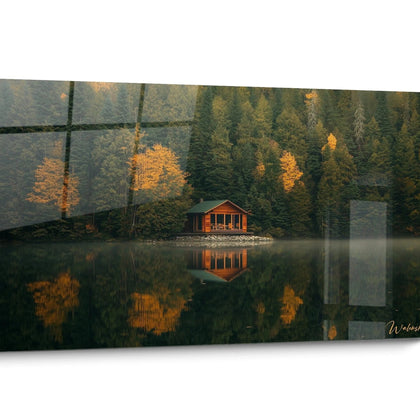 Wall Art for Living Room634
artworks
Wall Art for Living Room634
artworks
-
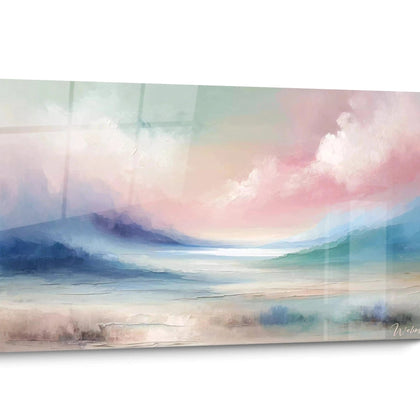 Modern Abstract Wall Art for Living Room24
artworks
Modern Abstract Wall Art for Living Room24
artworks
-
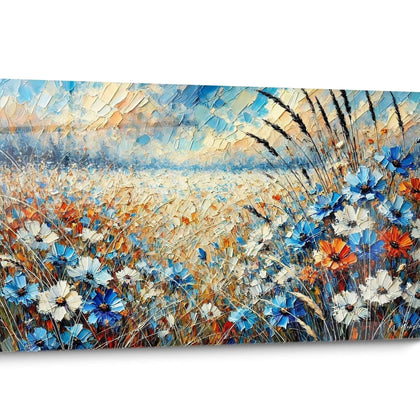 Natural Landscape Wall Art for Living Room24
artworks
Natural Landscape Wall Art for Living Room24
artworks
-
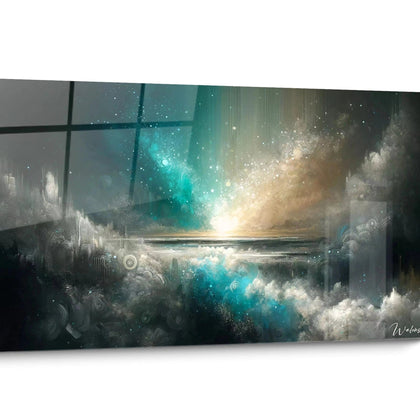 Golden Luxury Living Room Wall Art24
artworks
Golden Luxury Living Room Wall Art24
artworks
-
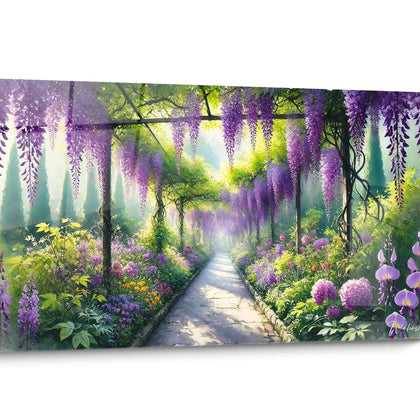 Zen Meditation Wall Art for Living Room24
artworks
Zen Meditation Wall Art for Living Room24
artworks
-
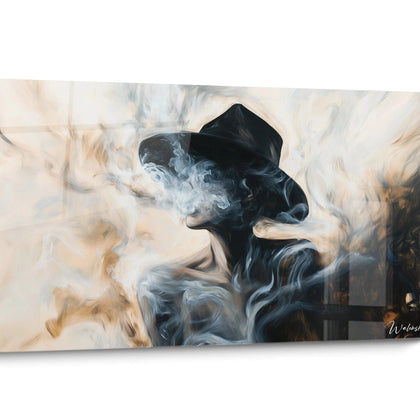 Elegant Black and White Living Room Wall Art17
artworks
Elegant Black and White Living Room Wall Art17
artworks
-
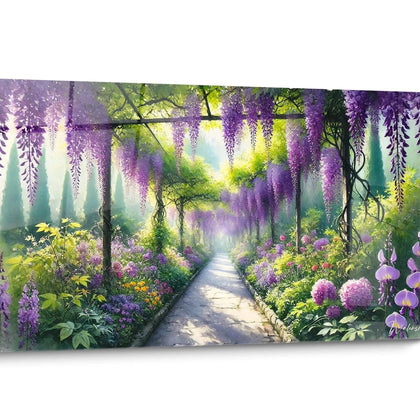 Botanical Flower Wall Art for Living Room19
artworks
Botanical Flower Wall Art for Living Room19
artworks
-
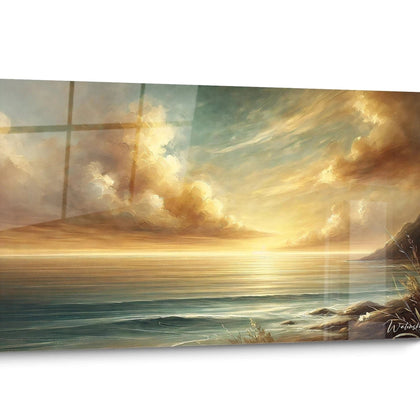 Ocean Sea Wall Art for Living Room15
artworks
Ocean Sea Wall Art for Living Room15
artworks
-
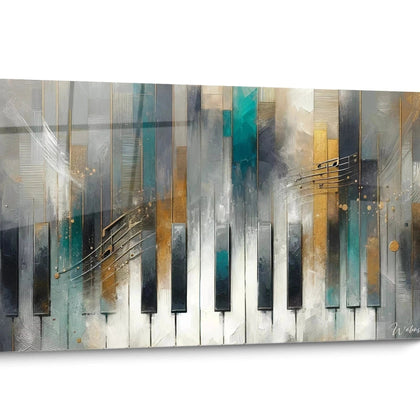 Modern Music Wall Art for Living Room10
artworks
Modern Music Wall Art for Living Room10
artworks
-
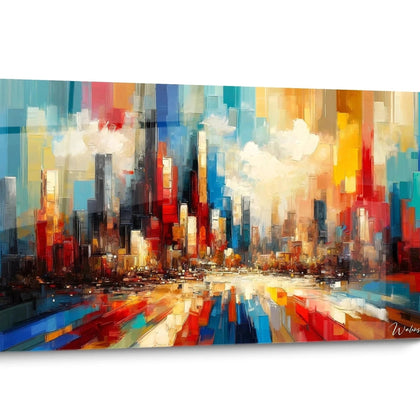 Vibrant Multicolor Wall Art for Living Room10
artworks
Vibrant Multicolor Wall Art for Living Room10
artworks
-
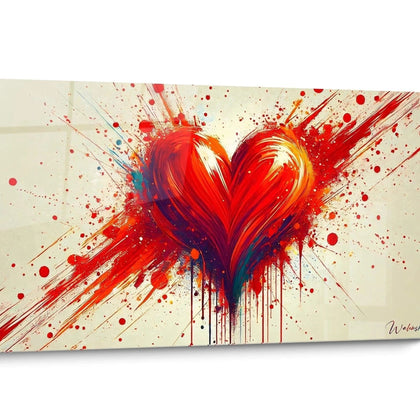 Romantic Love Wall Art for Living Room9
artworks
Romantic Love Wall Art for Living Room9
artworks
-
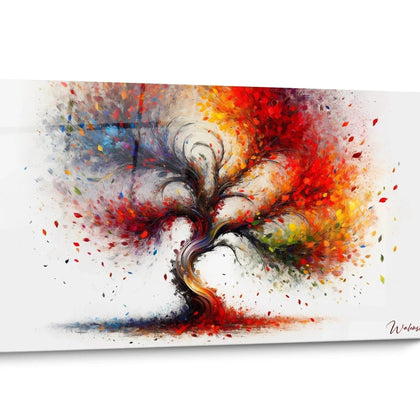 Wall Art for Living Room Tree Nature8
artworks
Wall Art for Living Room Tree Nature8
artworks
-
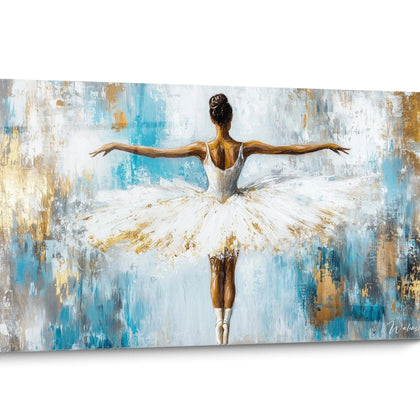 Wall Art for Living Room Dance Movement6
artworks
Wall Art for Living Room Dance Movement6
artworks
-
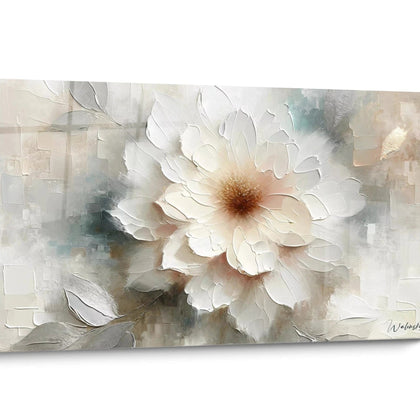 Minimalist Wall Art for Living Room - Refined Aesthetic18
artworks
Minimalist Wall Art for Living Room - Refined Aesthetic18
artworks
-
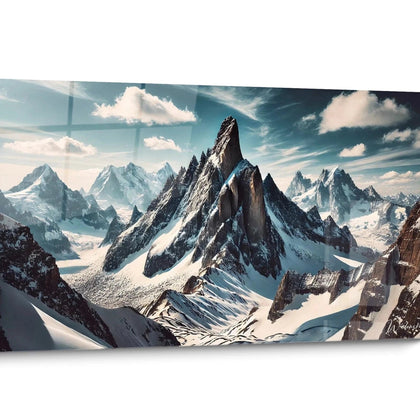 Panoramic Mountain Wall Art for Living Room6
artworks
Panoramic Mountain Wall Art for Living Room6
artworks
-
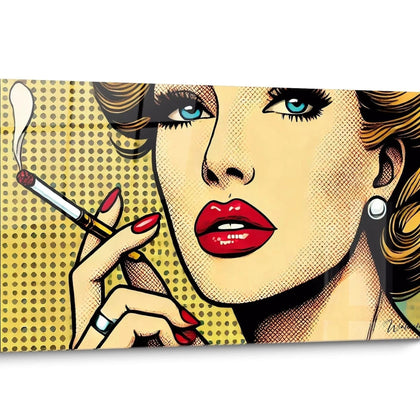 Colorful Pop Art Wall Art for Living Room5
artworks
Colorful Pop Art Wall Art for Living Room5
artworks
All about Artistic Portrait Wall Art for Living Room
- Artistic Portrait Presentation
- The Expression of the Gaze
- Psychology of Portraits
- Character and Personality
An artistic portrait painting for the living room instantly transforms your living space into a personal gallery where human emotion takes center stage. These monumental representations capture the very essence of humanity through expressive faces, intense gazes, and meticulously rendered features that dialogue with your daily life. Unlike impersonal decorative compositions or abstract modern paintings for the living room, the artistic portrait establishes a direct emotional connection, inviting contemplation and introspection into your residential environment.
The Expression of the Gaze and the Monumental Presence of Portraits
The artistic portrait painting for the living room in a large format creates an almost physical presence in the reception space. This imposing dimension amplifies the intensity of the captured gaze, transforming a simple wall into a magnetic focal point where each visitor is inexorably drawn to the depth of the eyes represented.
How does a monumental portrait influence the atmosphere of a living room?
The monumental scale of an artistic portrait radically alters the spatial dynamics. A face represented in spectacular dimensions engages the occupants in a permanent silent conversation, establishing a paradoxical intimacy between the artwork and the viewer. This dominant visual presence imposes a slowing of the pace, inviting contemplative pause where classic decorative compositions simply serve as aesthetic filler.
The Direction of the Gaze as an Architectural Element
Portraits with a frontal gaze create a direct confrontation that empowers the space, while three-quarter profiles generate a subtle directional tension subconsciously guiding circulation in the room. Contemporary portrait artists deliberately exploit these orientations to create monumental works that literally shape domestic energy flows. A slightly averted gaze to the left naturally directs towards a conversation area, while an upward gaze symbolically elevates ceilings and the spirit.
What type of portraits are suitable for contemporary reception areas?
Hyperrealistic black and white portraits blend perfectly into Scandinavian minimalist interiors, bringing human warmth without chromatic compromise. Semi-abstract representations where facial features partially dissolve into pictorial gestures are suitable for eclectic spaces that tolerate visual ambiguity. For living rooms with classic furniture, portraits with chiaroscuro treatments reminiscent of old masters establish a temporal bridge between tradition and modernity.
The psychological impact of captured facial expressions
A serene face diffuses calm and stability in agitated family spaces, functioning as a silent emotional regulator. Melancholic expressions are suitable for libraries and reading corners, reinforcing the introspective atmosphere. Subtle smiles humanize imposing architectural volumes, while intense gazes charged with raw emotion create dramatic anchor points in otherwise neutral decorative compositions. This permanent emotional charge fundamentally distinguishes the artistic portrait from other wall decorative categories.
Psychology of Portraits and Construction of Space Identity
Installing a painting for a portrait artistic living room is a deeply personal act that instantly communicates the values and sensibilities of the occupants. This selection transcends simple decoration to become an identity statement, particularly when imposing dimensions amplify the symbolic scope of the chosen human representation.
The selection of portrait as a mirror of aspirations
Choosing an anonymous portrait rather than a famous figure signals a preference for the universal over the cult, valuing collective humanity over popular iconography. Discerning collectors often prefer unknown faces but charged with visible history, where wrinkles and imperfections tell silent stories accessible to interpretation. This approach transforms the living room into an existential space where the human condition is exposed without commercial filter.
How do portraits influence social interactions in the living room?
A monumental artistic portrait functions as a natural conversational catalyst, offering guests a neutral topic to break the initial ice. Imposing dimensions legitimize the work as a subject of serious discussion rather than a simple decorative accessory. Hosts regularly observe how different visitors react to the portrait's gaze, these reactions often revealing more about the guests than about the work itself, creating a fascinating social dynamic.
Contemporary portraits versus classic interpretations
Enlarged photographic portraits to monumental scale bring a visceral immediacy that painting cannot reproduce, each pore and texture becoming hyper-present. Conversely, pictorial interpretations allow the artist's hand to be seen, adding a interpretive layer between subject and viewer that enriches semantic complexity. Digitally manipulated portraits combine these approaches, superimposing photographic realism and visible artistic intervention to create hybrid works particularly suited to multi-layered contemporary interiors.
Diversity represented as ethical positioning
Exposing portraits representing diverse ethnic origins, age groups and gender expressions constitutes a visible ideological positioning. Conscious collectors use their walls as spaces for representational validation, particularly relevant in family living rooms where children daily internalize these images. A monumental artistic portrait of an elderly person values experience and maturity in a culture obsessed with youth, while a child's face captures universal innocence transcending social divisions.
Character and Personality Conveyed by Monumental Portrait
The painting for a portrait artistic living room functions as an external projection of the occupants' psyche, particularly when monumental dimensions amplify every expressive nuance. This correspondence between work and inhabitant creates an environmental coherence where the portrait becomes a visual extension of the residential identity.
Male versus female portraits: distinct energetic dynamics
Male portraits with angular features and determined gazes inject a directive yang energy into spaces, suitable for home offices and libraries where concentration and determination dominate. Female representations, particularly those capturing vulnerability or contemplation, bring a receptive yin quality favoring dialogue and emotional openness in conversational areas. This traditional dichotomy is complicated in contemporary portraits exploring androgyny and fluidity, offering hybrid energies to spaces resisting binary categorizations.
What impact do multi-person portraits have in family living rooms?
Portrait compositions including multiple faces create a visible relational dynamic that resonates particularly in shared living spaces. These arrangements suggest community and interconnection, transforming the wall into a visual metaphor for family ties. The exchanged glances between multiple subjects generate compositional force lines that structure the space differently from isolated portraits, creating invisible but subconsciously perceptible visual corridors.
Captured temporality: eternal youth versus traces of time
Portraits of youthful faces freeze the ephemeral beauty of youth, functioning as a memento of this transient period. Conversely, faces marked by experience celebrate the dignity of aging, particularly relevant in a society marginalizing age. Mature collectors often gravitate towards portraits showing visible temporal patina, these works validating their own physical transformations and providing comfort in the face of the inevitable passage of time.
Ethnographic portraits and cultural openness
Exposing portraits capturing specific traditional clothing, adornments, or cultural markings transforms the living room into a space of intercultural appreciation. These representations work particularly well in cosmopolitan homes or among travelers wishing to maintain a visual connection with discovered cultures. A monumental portrait of a tattooed Berber woman or a Maasai man adorned brings authentic exoticism without falling into superficial decorative appropriation, provided that the works are selected with ethnographic respect.
FAQ: Frequently Asked Questions about paintings for artistic portrait living rooms
Is a painting for an artistic portrait living room suitable for minimalist spaces?
Absolutely, a monumental portrait in a restricted black and white palette is even the ideal accent in purified interiors. The presence of a human being brings the necessary emotional warmth to balance the potential coldness of minimalist spaces, creating a dramatic focal point without compromising chromatic discipline. Favor neutral backgrounds and simplified graphic treatments that respect the minimalist aesthetic while introducing the essential human element.
How to position an artistic portrait in relation to the living room furniture?
The portrait should dialogue with the furniture without being obstructed, ideally positioned where the subject's gaze seems naturally to observe the main living areas. Above a sofa, ensure that the heads of the occupants do not visually cut off the portrait at mid-face. Facing the main entrance, the portrait welcomes visitors and immediately establishes the character of the space. Avoid placing portraits with intense gazes directly facing dining areas, which can create an uncomfortable surveillance during convivial moments.
Do artistic portraits require specific lighting in a living room?
Soft directional lighting enhances the contrasts and depth of the portrait without creating annoying reflections. Adjustable LED spotlights allow you to adjust the angle to eliminate glare while sculpting the volumes of the represented face. Lateral lighting creates a dramatic effect reminiscent of classic photographic studios, while uniform diffused lighting is suitable for portraits with delicate palettes. Absolutely avoid direct sunlight which degrades pigments and supports, preferring walls perpendicular to the windows for valuable monumental works.
Further reading
Our articles on this topic
- Impress with a statement artwork in a themed living room
- Living room wall painting decor: ideas, tips and inspiration to transform your living space
- Should You Invest in a Work by a Renowned Artist to Enhance Your Living Room?
- Are paintings with figures suitable for family living rooms?
- Living room photo decor: how to combine photos and paintings with style
- Wall art as a manifesto for a sustainable and thoughtful lifestyle
L'art qui suscite l'envie
Maison belge d'art mural grand format
14 jourspour changer d'avis*
Protection Walenskyincluse
Fabriquéen Italie
FormatXXL
Kit de fixationtoujours fourni
* Hors tableaux personnalisés et tailles personnalisées


