


Minimalist Wall Art for Living Room - Refined Aesthetic
Our Wall Art Collection for Minimalist Living Rooms Refined celebrates the essence of contemporary sobriety. Each creation embodies the perfect balance between minimalist design for modern interiors and timeless elegance. These works, with their pure lines and harmonious compositions, transform your living space into a sanctuary of serenity. Perfect for enhancing a living room with a refined and contemporary style, they create a soothing and sophisticated atmosphere. Explore this refined artistic universe.
 Feminine Essence Wall Art - Sensual Abstract Edition273,90 €
 Harmony of Opposites Wall Art - Textured Abstract Edition273,90 €
 Divine Fragility Painting - Sensual Abstract Edition273,90 €
 Blue and White Painting - Abstract Still Life Edition273,90 €
 Intertwined Essences Wall Art - Figurative Abstract Edition273,90 €
 Organic Balance Canvas - Artistic Abstract Edition273,90 €
 Ephemeral Stability Wall Art - Zen Feng Shui Edition273,90 €
 Natural Harmony Canvas - Diverse Zen Edition273,90 €
 Femininity Painting with Delicate Strokes - Abstract Face Edition273,90 €
 Curved Elegance Painting - Abstract Face Edition273,90 €
 Fragments of Absolute Artwork - Abstract Black and White Edition273,90 €
 Brilliance of Purity Wall Art - Abstract Flower Edition273,90 €
 Balanced Contrast Artwork - Abstract Body Edition273,90 €
 Balance Pastel Wall Art - Zen Edition273,90 €
 Minimalist Harmony Wall Art - Zen Edition273,90 €
 Abstract Harmony Painting - Minimalist Abstract Edition273,90 €
 Winter Elegance Wall Art - Minimalist Abstract Edition273,90 €
 Poetic Nuance Fusion Wall Art - Minimalist Abstract Signature Edition273,90 €
Explore further
In Minimalist Wall Art for Living Room - Refined Aesthetic
-
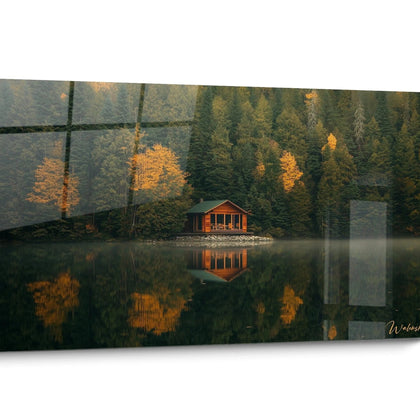 Wall Art for Living Room634
artworks
Wall Art for Living Room634
artworks
-
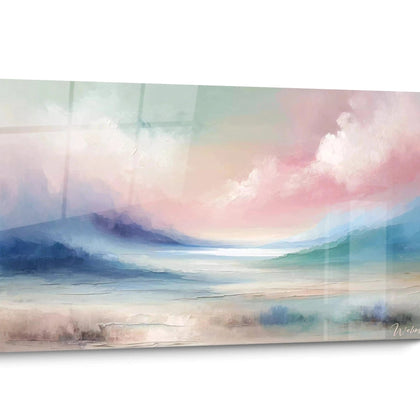 Modern Abstract Wall Art for Living Room24
artworks
Modern Abstract Wall Art for Living Room24
artworks
-
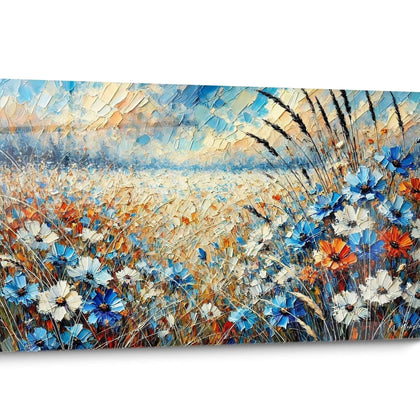 Natural Landscape Wall Art for Living Room24
artworks
Natural Landscape Wall Art for Living Room24
artworks
-
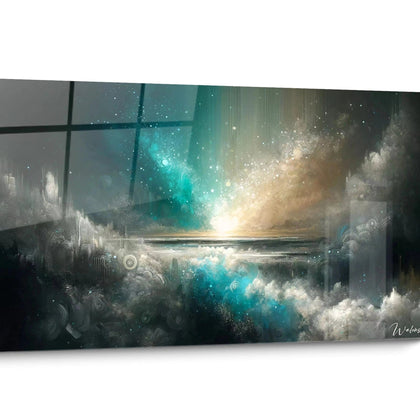 Golden Luxury Living Room Wall Art24
artworks
Golden Luxury Living Room Wall Art24
artworks
-
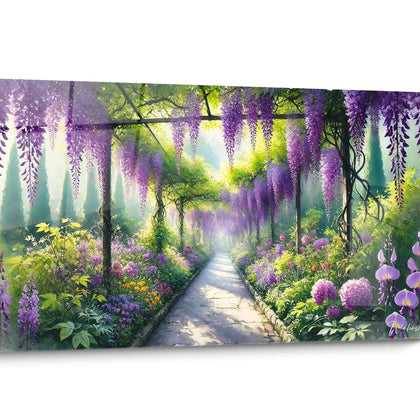 Zen Meditation Wall Art for Living Room24
artworks
Zen Meditation Wall Art for Living Room24
artworks
-
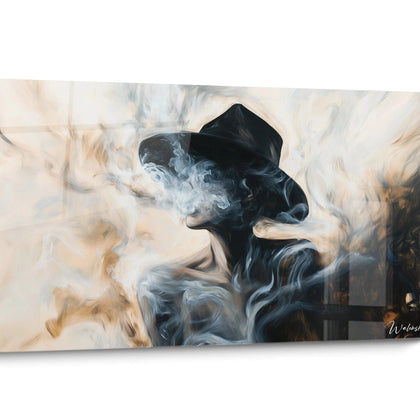 Elegant Black and White Living Room Wall Art17
artworks
Elegant Black and White Living Room Wall Art17
artworks
-
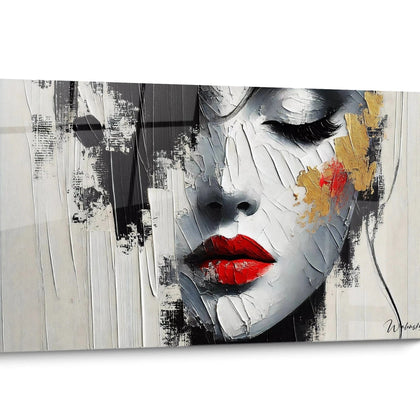 Artistic Portrait Wall Art for Living Room18
artworks
Artistic Portrait Wall Art for Living Room18
artworks
-
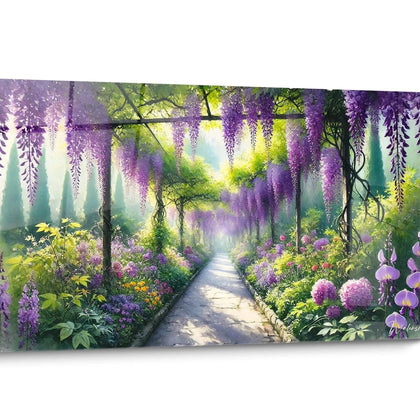 Botanical Flower Wall Art for Living Room19
artworks
Botanical Flower Wall Art for Living Room19
artworks
-
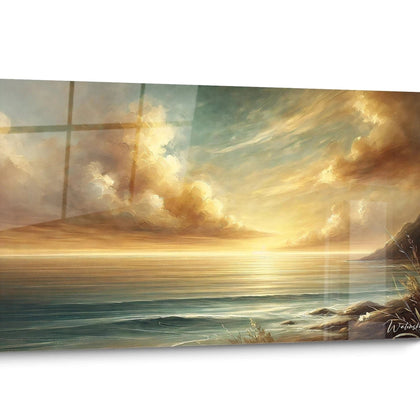 Ocean Sea Wall Art for Living Room15
artworks
Ocean Sea Wall Art for Living Room15
artworks
-
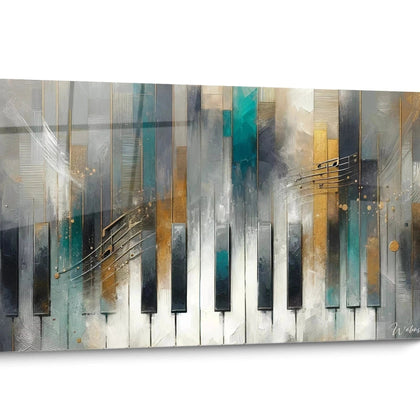 Modern Music Wall Art for Living Room10
artworks
Modern Music Wall Art for Living Room10
artworks
-
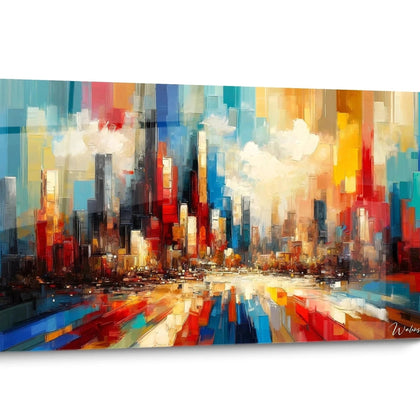 Vibrant Multicolor Wall Art for Living Room10
artworks
Vibrant Multicolor Wall Art for Living Room10
artworks
-
 Romantic Love Wall Art for Living Room9
artworks
Romantic Love Wall Art for Living Room9
artworks
-
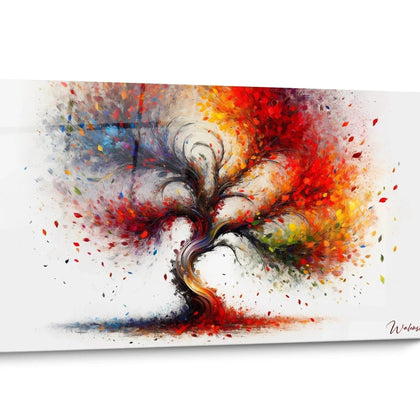 Wall Art for Living Room Tree Nature8
artworks
Wall Art for Living Room Tree Nature8
artworks
-
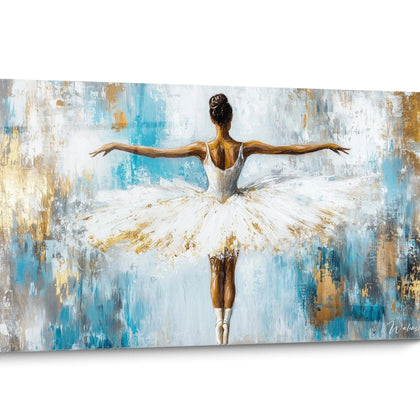 Wall Art for Living Room Dance Movement6
artworks
Wall Art for Living Room Dance Movement6
artworks
-
 Panoramic Mountain Wall Art for Living Room6
artworks
Panoramic Mountain Wall Art for Living Room6
artworks
-
 Colorful Pop Art Wall Art for Living Room5
artworks
Colorful Pop Art Wall Art for Living Room5
artworks
All about Minimalist Wall Art for Living Room - Refined Aesthetic
- Presentation Painting Living Room Minimalist
- Contemporary, uncluttered spaces
- Minimalist materials and finishes
- Psychology of decorative emptiness
A painting for a minimalist living room embodies the very essence of the "less is more" philosophy, transforming your living space into a sanctuary of visual tranquility. These large-scale wall creations prioritize chromatic restraint, simplified geometric compositions, and the strategic use of emptiness as a design element in its own right. Unlike overloaded decorative works, these imposing paintings create essential visual breaths in contemporary interiors, allowing the eye to rest without being solicited by a multitude of details. Their strength lies in their ability to structure the living room space with their monumental presence while maintaining a formal discretion that respects the architectural balance of the room. These wall pieces become silent anchors that dialogue with the volumes, the clean lines of the furniture, and the natural light, creating a meditative atmosphere conducive to relaxation and contemplation in your reception area.
The visual architecture of large-format minimalist compositions
The painting for a minimalist, uncluttered living room responds to a compositional logic radically different from traditional decorative works. In a contemporary living space, these large-scale creations exploit the power of negative space - this empty space intentional which becomes as expressive as the represented elements. The significant wall surface occupied by these paintings imposes a visual discipline where every line, every geometric shape, and every chromatic transition obeys a precise intention. The viewer's eye scans areas of visual rest interspersed with subtle graphic tensions, creating a contemplative experience that slows down the perceptual rhythm in a living room often saturated with stimulation.
How does monumental scale reinforce the minimalist message?
The imposing formats of these paintings allow for immersion in minimalist philosophy in a way that is impossible with reduced dimensions. A clean composition of 120x180 cm creates a visual field that encompasses the viewer, transforming the decorative experience into a true spatial dialogue. This monumentality paradoxically contrasts with the sobriety of the visual vocabulary employed: a palette of a maximum of three neutral shades, primary geometric shapes, uniform blocks that reveal their complexity only during prolonged observation. The large dimension also allows one to appreciate the subtle variations in texture and tone that would go unnoticed on a reduced format, revealing the hidden richness behind the apparent simplicity.
Asymmetrical balance and controlled visual tension
The spatial organization of a painting for a minimalist, uncluttered living room relies on carefully calculated precarious balances. Unlike classic symmetrical compositions, these works exploit asymmetrical distributions where a large block of neutral color dialogues with a fine graphic line strategically positioned. This visual tension maintains interest without breaking the overall serenity. Areas of formal concentration alternate with uniform chromatic expansions, creating a breathing rhythm that subtly influences the atmosphere of the living room. For collectors seeking more graphic dynamism, a painting for a modern abstract living room can be an interesting counterpoint in another space of the same home.
Chromatic modulation in economy of means
The voluntary restriction of the color palette fundamentally characterizes these creations. Preferred shades - off-white, stone gray, sand beige, charcoal black - are based on a neutrality active where each nuance has a precise spatial function. A expansive light gray can visually push back the limits of the living room while a matte black rectangle creates a gravitational anchor. These large paintings also reveal variations in temporal perception: depending on the brightness of the day, the same gray goes through several states of intensity, imperceptibly transforming the work over the hours. This subtle instability maintains a living relationship with the observer without ever tipping into aggressive visual stimulation.
Materiality and physical presence of maximum purification
The tactile and material dimension of a painting for a minimalist, purified living room is an essential parameter often neglected. These large-format works do not merely occupy the wall space visually: they establish a physical presence that modifies the volumetric perception of the living room. The thickness of the support, the surface treatment - matte absorbent or slightly satin - and the peripheral finishes contribute to the minimalist message. A perfectly flat surface without relief or impasto reinforces the impression of visual silence, while a very slight texture perceptible only in close vision adds a discreet sensory dimension. The very weight of these monumental creations confers a literal gravity that symbolically anchors the composition in the architecture of the living room.
What finishes to prioritize for optimal architectural integration?
The integration of a painting for a minimalist, purified living room requires reflection on the transition between the work and the supporting wall. Frameless finishes, where the image extends onto the edges, create a particularly effective sense of wall continuity in purified interiors with white walls. This absence of visual demarcation partially merges the work with its architectural support. Conversely, a slight recess from the wall thanks to an invisible suspension system generates a peripheral shadow that visually detaches the painting while preserving its formal discretion. This apparent levitation is particularly suitable for living rooms bathed in natural light where the shadow becomes a mobile graphic element complementing the fixed composition.
Interaction with the surrounding materials of the living room
These large paintings intensely dialogue with the materiality of the furniture and wall coverings of the living room. A composition in stone tones naturally harmonizes with a polished concrete floor or bleached oak furniture, creating a chromatic continuity that visually unifies the space. Conversely, a painting featuring a deep black solid color can create a visual echo with black metal elements - furniture legs, pendant lights - establishing a graphic structure that runs throughout the room. The surface finish of the painting - matte to absorb light, satin to reflect it subtly - should be chosen considering the lighting sources of the living room: zenithal lighting, side bay windows, spotlights.
Aesthetic durability and resistance to visual obsolescence
One of the major advantages of a painting for a minimalist, uncluttered living room lies in its ability to transcend decorative trends without losing its relevance. Unlike artworks referencing dated graphic trends, these compositions based on timeless formal principles - balance, proportion, chromatic restriction - maintain their aesthetic currency. This visual longevity represents a lasting decorative investment for a living room, the artwork accompanying the progressive evolution of furniture and accessories without ever appearing discordant. The quality materials used for these large-format creations - UV resistance, color stability - also guarantee physical preservation for several decades, maintaining the initial visual impact despite daily exposure to intense natural light.
Spatial psychology and atmospheric influence of wall minimalism
The impact of a painting for a minimalist, uncluttered living room extends far beyond the simple decorative function to intervene in the psychological perception of the living space. Environmental neuroscience demonstrates that visually simplified spaces reduce cognitive load and promote attentional recovery. A living room equipped with a refined monumental artwork offers a perceptual refuge where the gaze can rest without being constantly solicited by a profusion of details. This visual economy translates into a sensation of spatial amplitude: paradoxically, the occupation of a large wall surface by a minimalist composition perceptually enlarges the living room, where an accumulation of small elements would fragment and visually shrink it.
What effects on well-being and domestic relaxation?
Minimalist environments, of which these paintings are the artistic expression, are scientifically associated with a decrease in cortisol - stress hormone - and an improvement in the quality of presence. In a living room designed as a decompression space after days saturated with information, the presence of a refined large-format composition creates a soothing focal point. The absence of figurative narrative or symbolic complexity frees the viewer from any interpretative effort, allowing for purely sensory reception. Subtle chromatic variations - a barely perceptible gradation of grays, a vibrant border between two neutrals - stimulate the perceptual system just enough to maintain interest without causing visual fatigue. This moderate stimulation corresponds to the optimal state for conscious relaxation.
Structuring space through emptiness and visual silence
The painting for a minimalist, uncluttered living room functions as an invisible spatial organizer. Its monumental presence defines a zone of the living room - often the main conversation area - creating a stable visual backdrop that highlights the furniture arranged in front of it. Unlike a blank wall that can appear incomplete or a decorative accumulation that creates visual noise, this unique artwork provides a definitive resolution to the question of wall dressing. Its imposing format discourages the addition of further elements, thus preserving the visual clarity of the living room. This function of guardian of purity proves particularly valuable in homes where the tendency to accumulate constantly threatens the initial minimalist balance.
Mediation between architecture and furniture
These wall decorations establish an essential dialogue between the fixed elements of architecture – volumes, openings, proportions – and the mobile components that make up the furniture and accessories. A large-format vertical painting can visually extend the height of a living room, reinforcing architectural verticality. Conversely, a panoramic horizontal format emphasizes the lateral extension of the room, creating an impression of amplified width. The geometric lines present in the composition can echo the angles of contemporary furniture – low seating, rectangular tables – weaving a formal coherence that visually unifies the entire space. This visual linking function transforms the living room from a collection of disparate objects into an intentionally composed environment.
Would a painting for a minimalist living room be suitable for small spaces?
Contrary to intuition, a large-scale painting in a clean palette can visually enlarge a small living room. The absence of visual fragmentation and the chromatic continuity with the walls create an impression of spatial expansion, while an imposing format establishes a monumental scale that perceptually recalibrates the proportions of the room.
How to integrate a painting for a minimalist living room into an already furnished interior?
Successful integration begins with prior decluttering: removing superfluous decorative elements from the wall intended to accommodate the artwork, then evaluating the dominant color palette of the existing furniture. Choose a composition whose neutral tones dialogue with these main shades, creating visual continuity rather than a brutal contrast that would fragment the space.
What is the aesthetic lifespan of a painting for a minimalist living room?
Minimalist compositions based on universal formal principles rather than ephemeral trends retain their aesthetic relevance for decades. Their clean visual vocabulary escapes fashion cycles, functioning as a quasi-architectural element that transcends minor decorative evolutions in the living room without losing its coherence or visual impact.
Further reading
Our articles on this topic
- Modern Minimalist Paintings for a Chic Living Room Design
- Simple Modern Living Room: Decor Ideas and Tips for an Elegant, Uncluttered Interior
- Optimize Your Interior with a Minimalist Living Room Design
- Scandinavian white and wood living room: how to choose a painting that warms up the space
- Modern living room interior: 10 decor ideas for an elegant and warm space
- Transform Your Living Room with Minimalist Design and Clean Art
L'art qui suscite l'envie
Maison belge d'art mural grand format
14 jourspour changer d'avis*
Protection Walenskyincluse
Fabriquéen Italie
FormatXXL
Kit de fixationtoujours fourni
* Hors tableaux personnalisés et tailles personnalisées


