


Panoramic Mountain Wall Art for Living Room
The Painting for living room Panoramic Mountain brings a spectacular dimension to your interior. These creations capture the immensity of snow-capped peaks, green valleys and endless horizons. Perfect for creating a soothing atmosphere, this large-format mountain wall decor transforms your space into a window open onto nature. Each composition enhances the alpine reliefs with elegance. Ideal for lovers of panoramic mountain landscapes, this wall art invites daily escapism and enriches your decoration with a majestic and contemplative touch.
 Flowers and Peaks Painting - Mountain Landscape Edition273,90 €
 Alpine Awakening Wall Art - Mountain Landscape Edition273,90 €
 Natural Elegance Painting - Mountain Landscape Edition273,90 €
 Forest Balance Canvas - Zen Edition273,90 €
 Minimalist Harmony Wall Art - Zen Edition273,90 €
 Ode to the Wind Abstract Edition Wall Art - Walensky273,90 €
Explore further
In Panoramic Mountain Wall Art for Living Room
-
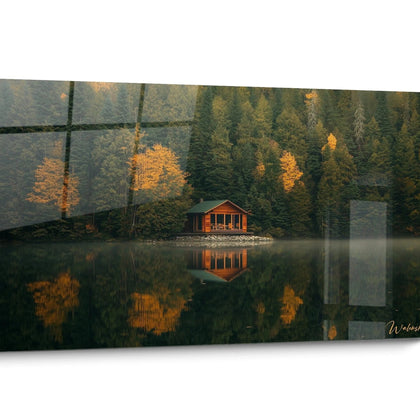 Wall Art for Living Room634
artworks
Wall Art for Living Room634
artworks
-
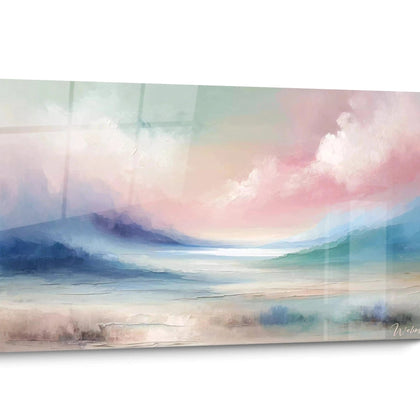 Modern Abstract Wall Art for Living Room24
artworks
Modern Abstract Wall Art for Living Room24
artworks
-
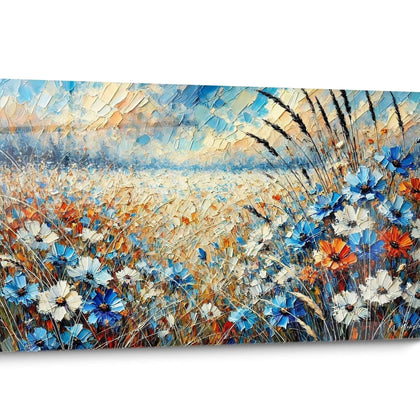 Natural Landscape Wall Art for Living Room24
artworks
Natural Landscape Wall Art for Living Room24
artworks
-
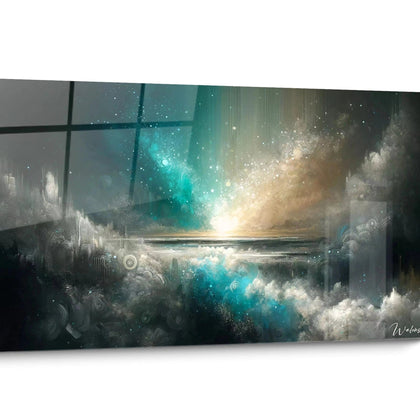 Golden Luxury Living Room Wall Art24
artworks
Golden Luxury Living Room Wall Art24
artworks
-
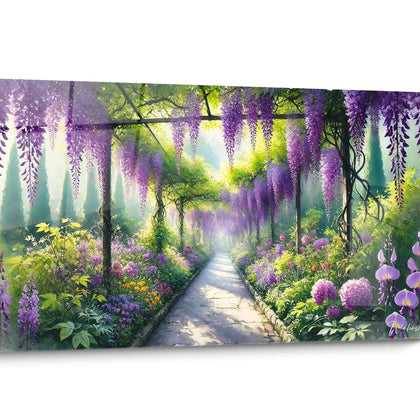 Zen Meditation Wall Art for Living Room24
artworks
Zen Meditation Wall Art for Living Room24
artworks
-
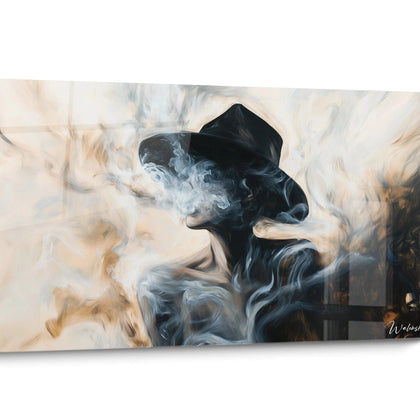 Elegant Black and White Living Room Wall Art17
artworks
Elegant Black and White Living Room Wall Art17
artworks
-
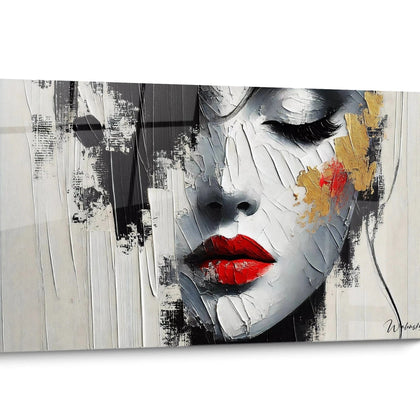 Artistic Portrait Wall Art for Living Room18
artworks
Artistic Portrait Wall Art for Living Room18
artworks
-
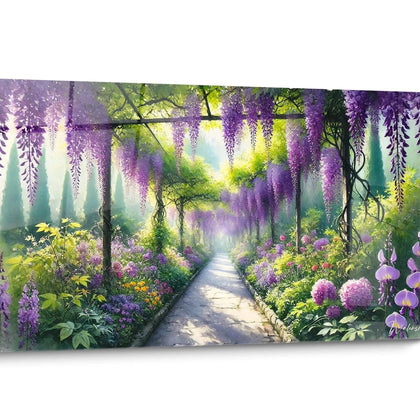 Botanical Flower Wall Art for Living Room19
artworks
Botanical Flower Wall Art for Living Room19
artworks
-
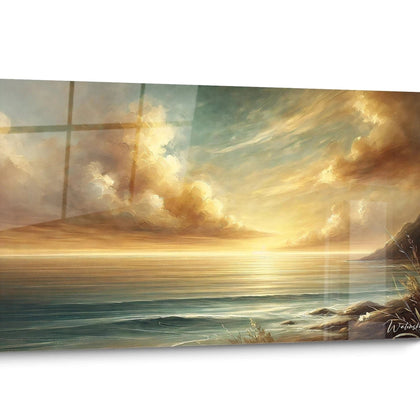 Ocean Sea Wall Art for Living Room15
artworks
Ocean Sea Wall Art for Living Room15
artworks
-
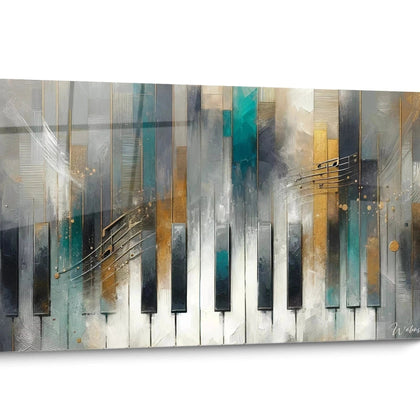 Modern Music Wall Art for Living Room10
artworks
Modern Music Wall Art for Living Room10
artworks
-
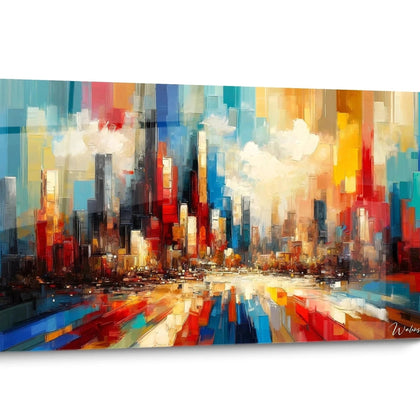 Vibrant Multicolor Wall Art for Living Room10
artworks
Vibrant Multicolor Wall Art for Living Room10
artworks
-
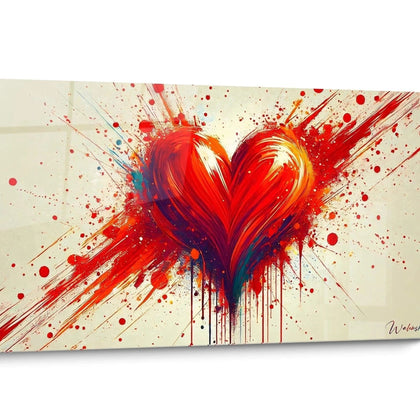 Romantic Love Wall Art for Living Room9
artworks
Romantic Love Wall Art for Living Room9
artworks
-
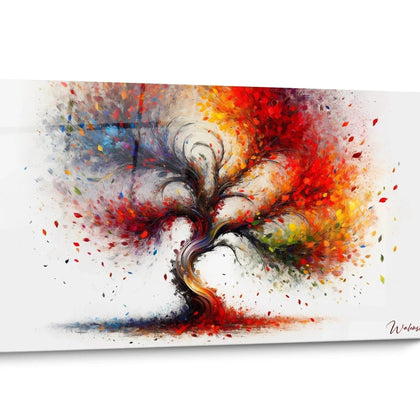 Wall Art for Living Room Tree Nature8
artworks
Wall Art for Living Room Tree Nature8
artworks
-
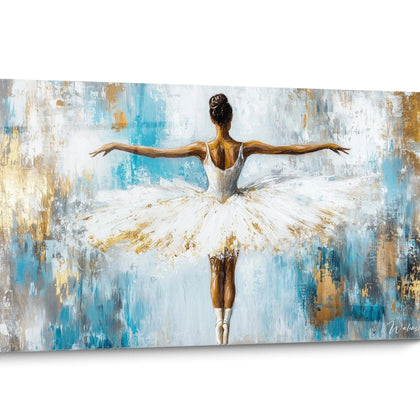 Wall Art for Living Room Dance Movement6
artworks
Wall Art for Living Room Dance Movement6
artworks
-
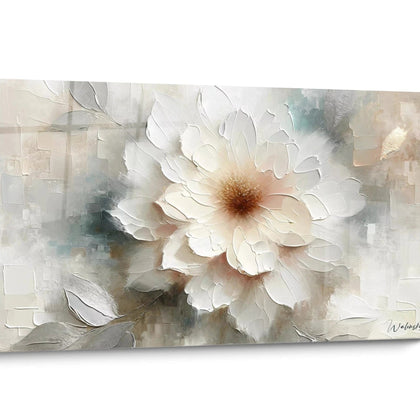 Minimalist Wall Art for Living Room - Refined Aesthetic18
artworks
Minimalist Wall Art for Living Room - Refined Aesthetic18
artworks
-
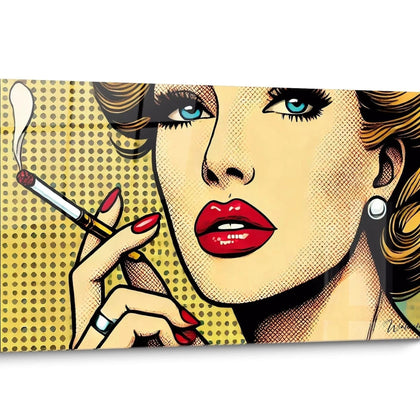 Colorful Pop Art Wall Art for Living Room5
artworks
Colorful Pop Art Wall Art for Living Room5
artworks
All about Panoramic Mountain Wall Art for Living Room
- Presentation Mountain Panorama Painting
- Life-Size in the Living Room
- Indoor Alpine Atmosphere
- Visual Impact & Harmony
Transform your living room into an open window onto mountain peaks with a living room painting mountain panorama of large dimensions. These mural creations capture the immensity of the alpine reliefs in an extended horizontal format that faithfully reproduces the visual experience of a mountain panorama. Unlike standardized formats, these XXL works recreate the sensation of infinite space characteristic of high-altitude landscapes, offering your interior exceptional visual depth and a daily escape to snowy peaks.
Panoramic Immersion at the Heart of Your Living Space
A mountain panorama painting for the living room is distinguished by its unique ability to reproduce the real scale of mountain ranges. Extended horizontal formats, often exceeding 150 cm in width, respect the natural proportions of mountain ranges and create an authentic visual window onto the summits. This dimensional peculiarity literally transforms a wall into a privileged viewpoint, similar to that offered by a bay window facing the Alps or the Pyrenees.
Why prioritize a panoramic format for mountain landscapes?
The horizontal morphology of mountain ranges requires a format that respects their natural spread. A panoramic painting simultaneously captures several peaks, the intermediate valleys and the amplitude of the sky, elements impossible to transcribe in a square or vertical format. This visual continuity faithfully reproduces the contemplative experience experienced at altitude, where the gaze naturally sweeps from left to right. For contemporary living spaces with extended walls above the sofa, this configuration fully exploits the available surface while maintaining consistency with the horizontal architecture of modern rooms.
Spatial organization around a monumental alpine panorama
The installation of a mountain panorama artwork completely restructures the perception of your living room. The horizon line of the mountain landscape should ideally align with the natural visual level of a seated person, creating a continuity between the interior space and the represented landscape. This arrangement generates a virtual extension of the room, psychologically pushing back the limits of the wall. Low furniture – horizontal bookshelves, elongated consoles, banquettes – amplify this effect by respecting the horizontal geometry initiated by the painting, while vertical elements would risk fragmenting the panoramic unity.
Adapting lighting to the specificities of high-altitude landscapes
Panoramic mountain scenes present extreme contrasts in light characteristic of alpine environments: dazzling snows, dark rocks, deep skies. Soft lateral lighting avoids reflections on the light areas while revealing the subtle nuances of the shadow areas. Variable lighting systems allow you to adapt the light intensity according to the time of day, creating either the impression of a rosy dawn on the summits or that of a bright afternoon in the high mountains. This modulation transforms your mountain panorama painting into a living element that dialogues with the natural light of your living room.
Create an Alpine Atmosphere in Your Contemporary Interior
Integrating a wall art mural depicting a panoramic mountain view into an urban interior establishes a striking contrast between the mineral serenity of the peaks and the urban bustle. This intentional juxtaposition responds to a growing need to reconnect with nature, particularly among hiking and mountaineering enthusiasts who wish to extend their high-altitude experiences on a daily basis. The mountain panorama then becomes a meditative anchor point, a permanent reminder of past escapades and a visual invitation to future adventures.
Color palettes specific to alpine panoramas
The panoramic mountain wall art murals present distinctive color harmonies: deep blues of high-altitude skies, brilliant whites of eternal snows, anthracite grays of rocky walls, changing greens of coniferous forests. These natural tones particularly harmonize with contemporary minimalist interiors that prioritize raw materials – polished concrete, aged wood, natural stone. For living rooms with dominant neutral tones, a panorama with golden hues of sunrise on the ridges brings a warm touch without breaking the overall color balance. Conversely, a winter panorama with cool tones reinforces the purified atmosphere of Scandinavian or Nordic spaces.
How does a mountain panorama influence the perception of space?
The spatial enlargement effect generated by a mountain panoramic wall art mural relies on several perceptual principles. The horizon line placed in the upper third of the composition creates a maximum sense of depth, the gaze naturally plunging into the valleys before rising towards the peaks. The successive planes – foreground of alpine meadows, intermediate planes of forests, background of snow-capped peaks – establish a visual stratification that virtually multiplies the square meters of your living room. This technique is particularly effective in restricted spaces where the inability to physically widen the room can be visually compensated.
Complementary decorative associations with mountain themes
The decorative environment surrounding your panoramic wall art mural should extend the alpine atmosphere without falling into thematic redundancy. Natural textiles – raw linen, thick wool, felt – subtly evoke the refuge materials of the mountains. Light wood species such as spruce or larches establish a continuity with the forests depicted in the panorama. However, avoid the accumulation of folkloric accessories that would dilute the visual impact of the main work. If you also appreciate geometric compositions, an abstract modern wall art mural could create an interesting dialogue in an adjacent room, offering a stylistic counterpoint to the organic nature of the mountain landscape.
Optimizing the Visual Impact of a Large-Format Mountain Panorama
The effectiveness of a wall art mural depicting a panoramic mountain view relies as much on its intrinsic qualities as on its thoughtful architectural integration. The monumental dimensions of these creations – frequently between 120 and 200 cm in width – require precise spatial planning to fully reveal their contemplative potential. An alpine panorama becomes the absolute focal point of the living room, around which the entire layout revolves, influencing circulation, seating arrangement, and even the acoustics of the room.
What viewing distance to fully appreciate a mountain panorama?
The optimal viewing distance is generally calculated between 1.5 and 2 times the width of the wall art. For a 180 cm artwork, allow a minimum distance of 2.7 to 3.6 meters – a distance typically corresponding to that separating a sofa from the opposite wall in a standard living room. This proportion allows the eye to embrace the entire panorama simultaneously without excessive eye movement, reproducing the natural experience of contemplating a mountain landscape. In smaller spaces, prioritize a slightly reduced format rather than compromising this critical distance that conditions visual immersion.
Panoramic compositions according to the represented mountain ranges
Each mountain range has a distinctive visual signature that influences the overall atmosphere. The Alps offer marked contrasts between steep peaks and green valleys, creating dynamic compositions with pronounced ascending lines. The Scandinavian mountains offer more rounded reliefs, gentle transitions, and vaporous atmospheres particularly suited to soothing Nordic interiors. The Himalayan ranges, with their extreme altitudes and monumental glaciers, generate panoramas of impressive verticality even in a horizontal format. The choice of mountain range should resonate with your personal experiences or travel aspirations, transforming the wall art into a support for emotional memory.
Seasonal evolution and atmospheric variations in mountain panoramas
Unlike static decorative subjects, mountain landscapes have an implicit temporal dimension. A spring panorama captures the melting snow and the emergence of alpine meadows, evoking renewal and dynamism. Summer scenes with flowering alpine pastures radiate maximum luminous energy, ideal for interiors needing a chromatic boost of vitality. Autumn panoramas with golden larches create a warm, contemplative atmosphere. Winter compositions, dominated by immaculate whiteness and steel skies, bring a minimalist serenity. This represented seasonality can either harmonize with the external climate or create a counterpoint – a bright summer panorama compensating for urban winter gloom.
Is a panoramic mountain wall art suitable for small spaces?
Paradoxically, a large panoramic mountain artwork works remarkably well in compact living rooms by creating a visual opening that compensates for physical limitations. The key is to respect the ratio of artwork width/wall width (ideally 60-75%) and to maintain a sufficient viewing distance. A 120-140 cm format is perfectly suited to spaces of 15-20 m² while producing the desired extension effect.
Which wall orientation to prioritize for a panoramic mountain wall art?
The main wall facing the entrance to the living room is the optimal location, ensuring that the mountain panorama immediately stands out as the central element of the room. This frontal position also maximizes viewing symmetry from different seating points. Avoid walls perpendicular to windows which would create problematic reflections at times of direct sunlight.
How to maintain a large panoramic mountain wall art?
The extended dimensions paradoxically facilitate maintenance by limiting dust accumulation in surface reliefs. Monthly dusting with an antistatic microfiber cloth is generally sufficient. For artworks with a smooth surface, a semi-annual cleaning with a slightly damp cloth removes atmospheric deposits. Absolutely avoid chemical products that would alter the pigments, particularly the bright whites of the snowy areas essential to the authenticity of the alpine panorama.
Further reading
Our articles on this topic
- Which size to choose for a large-format panoramic ski painting based on your wall?
- Panoramic Vosges ridge painting for a large room: getting the sizing right
- Large panoramic skateboard sunset painting: size it properly for your wall
- Large panoramic pelican painting for living room: which size and placement to choose
- Argentavis panoramic painting: which size to choose for a large living room wall
- Panoramic painting Colmar: which large format to choose for your room
L'art qui suscite l'envie
Maison belge d'art mural grand format
14 jourspour changer d'avis*
Protection Walenskyincluse
Fabriquéen Italie
FormatXXL
Kit de fixationtoujours fourni
* Hors tableaux personnalisés et tailles personnalisées


