

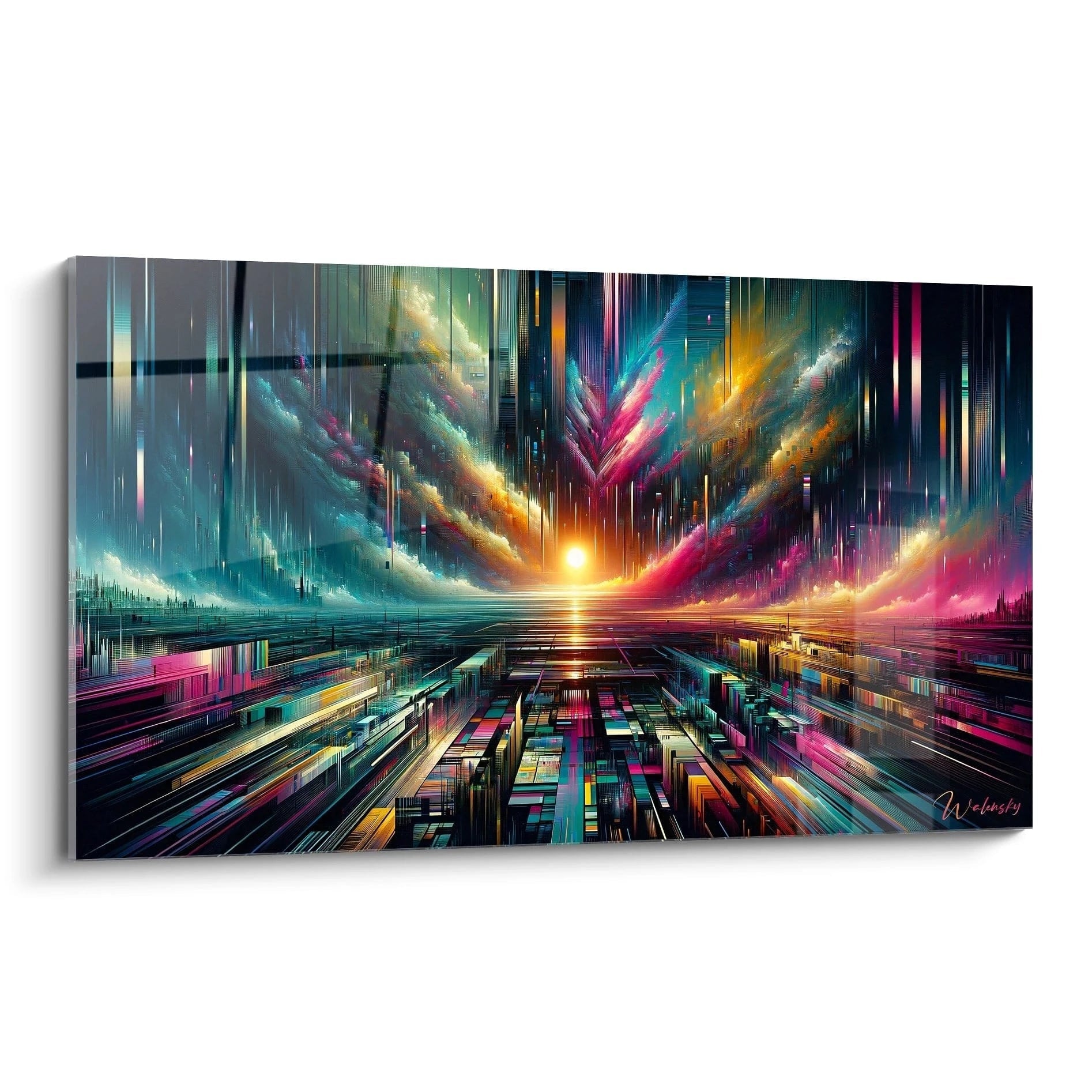


Urban Street Art Canvas
The Street Art Urban Painting captures the rebellious and creative essence of contemporary graffiti culture. Each artwork celebrates decorative urban art with bold compositions, striking typography, and visuals inspired by global cities. Transform your interior with these creations that embody the raw energy of the street and the authenticity of modern street art. Perfect for young and dynamic spaces, this artistic universe brings character and originality to your wall decoration.
 Vertical Vertigo Urban Red Wall Art - street art edition273,90 €
 Street Lamp Solitary - Street Art Edition273,90 €
 Concrete Reclaimed Wall Art - street art edition273,90 €
 Forgotten Passage Canvas - Street Art Edition273,90 €
 Cubic City Painting - street art edition242,90 €
 Phantom Quarter Artwork - street art edition242,90 €
 Urban Fragments Wall Art - Street Art Edition242,90 €
 Windows on Sky Painting - Street Art Edition228,90 €
 Nomadic Art Wall - Street Art Graffiti Edition273,90 €
 Street Art Canvas No.9 - Diverse Street Art Edition273,90 €
 Street Art Wall Art No.2 - Street Art Divers Edition273,90 €
Explore further
In Urban Street Art Canvas

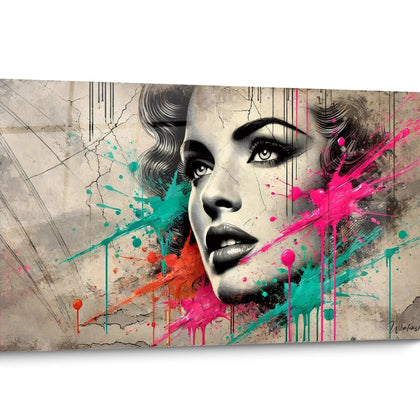
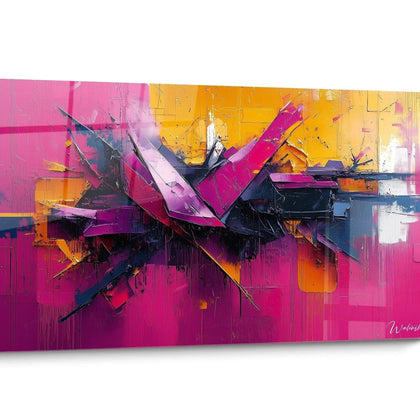
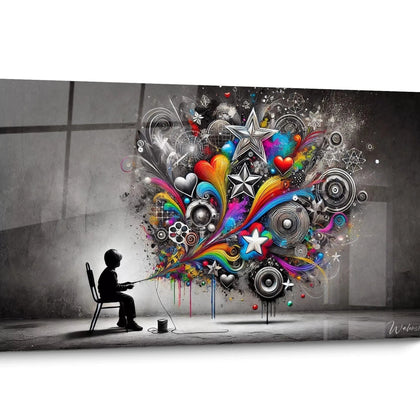
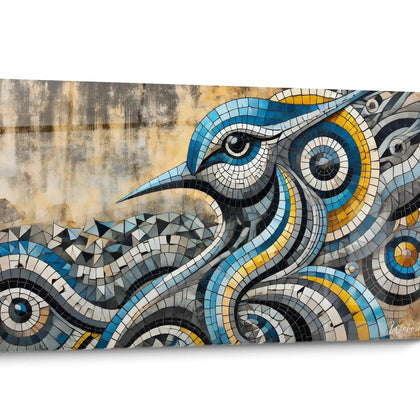
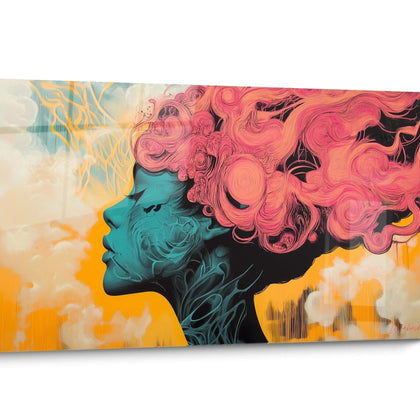
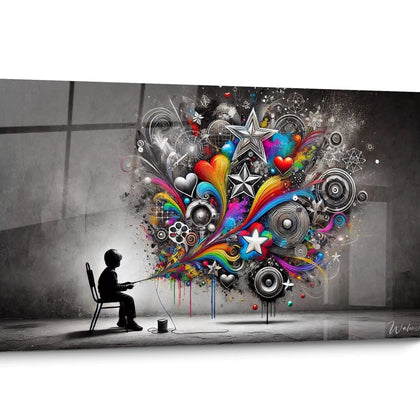
All about Urban Street Art Canvas
- Urban Street Art Wall Presentation
- Urban Muralist Art
- Underground Authenticity
- Street Culture Decoration
The urban street art wall captures the raw energy of contemporary metropolises and transposes the aesthetic of graffitied alleys directly into your living space. This form of artistic expression, born in working-class neighborhoods in the 1970s, now materializes in imposing formats that radically transform the atmosphere of an interior. Unlike printed reproductions, these large-scale mural creations embody creative rebellion and authentic urban spirit without compromise, offering a bold alternative to conventional decorations for those seeking an assertive visual identity.
Muralist Aesthetics Transposed Indoors
The urban street art wall draws visual codes from monumental murals discovered on dilapidated facades and concrete walls of city centers. This architectural transposition allows you to integrate the visual impact of a multi-square-meter mural into a living room, industrial loft, or commercial space. Compositions prioritize oversized portraits, dynamic lettering, and chromatic overlays typical of graffiti writing, creating that characteristic visual tension of wild urban interventions.
What visual techniques of mural graffiti are adapted to decorative format?
Creations incorporate dripping effects, simulated aerosol spray marks, and stencil overlays that impart authentic urban texture. Aerosol gradients, impossible to reproduce through other mediums, generate the characteristic depth of pieces created in multiple passes. Calculated splatters and controlled drips add that spontaneous dimension evoking the creative urgency of illegal nighttime sessions, while maintaining balanced composition suited to residential spaces.
The architectural impact of monumental formats
Imposing dimensions transform a simple wall into an absolute focal point, creating visual disruption similar to discovering a mural around a street corner. This monumental scale generates an immersive effect that modifies the spatial perception of the entire room. In high-ceiling spaces typical of industrial conversions, these works restore proportions and humanize excessive volumes. For streetwear boutiques or trendy coworking spaces, they constitute instantly recognizable visual identity elements that anchor the space in contemporary urban culture.
Integrating an urban street art wall in an open space or automotive showroom creates zones of visual respite while asserting an uninhibited identity. The codes of abstract street art wall sometimes blend with figurative compositions to generate hybrid works capturing the chaotic energy of metropolises without falling into literal representation.
Underground Authenticity as Decorative Signature
The urban street art wall conveys the counter-cultural values and spirit of contestation inherent to the graffiti movement. This underground authenticity manifests through the choice of non-commercial motifs, marginalized characters, and socially engaged messages rejecting sterilized decoration. Collectors specifically seek this subversive dimension testifying to direct lineage with New York writing pioneers and European crews from the 1990s.
How to recognize an authentically urban composition?
Authenticity markers include references to bombing codes, wildstyle, and throw-up constituting the fundamental vocabulary of graffiti culture. Complex lettering with impossible interlaces, masked characters typical of urban anonymity, and saturated color palettes evoking authentic fluorescent sprays authenticate the work's cultural origin. The inclusion of styled tags, encrypted dates, and geographic references to emblematic neighborhoods reinforces this documentary dimension anchoring the piece in real urban geography.
The symbolism of street icons
Recurring motifs in urban street art walls draw from the specific iconography of hip-hop culture and urban protest movements. Aerosol cans transformed into graphic elements, vintage boomboxes, suspended sneakers, and b-boy silhouettes constitute an immediately decodable visual language for initiates. These cultural references create complicity with viewers sharing these codes, transforming the work into an identity marker for spaces dedicated to sneaker culture, music production studios, or urban combat-focused sports facilities.
Integration of these elements in a modern barbershop or skateboard concept store amplifies thematic coherence and strengthens customer experience. Raw concrete tones, oxidized metal textures, and urban patina effects impart tactile materiality evoking degraded subway and abandoned warehouse surfaces, creating raw industrial ambiance particularly sought in alternative commercial spaces.
Create an Assumed Street Culture Atmosphere
The urban street art wall constitutes the central element of decorative scenography celebrating street culture in all its forms. This transgressive decorative approach addresses hip-hop enthusiasts, limited sneaker collectors, and entrepreneurs wishing to anchor their brand in contemporary urban universe. Installing a monumental piece immediately transforms a standard apartment into a loft inspired by trendy Brooklyn or East London neighborhoods.
What atmosphere to create around an urban street art wall?
The ideal environment combines raw industrial materials, minimalist furniture, and directional lighting dramatizing work contrasts. Exposed brick walls, exposed metal ducts, and polished concrete floors amplify post-industrial aesthetics naturally dialoguing with graffiti codes. Adding vintage 1990s elements like exposed vinyl records, retro gaming consoles, or streetwear furniture reinforces thematic coherence without falling into museum-like reconstruction.
Commercial spaces and street identity
For urban clothing boutiques, tattoo salons, or music-themed bars, the urban street art wall functions as a visual manifesto immediately asserting the establishment's cultural positioning. Target customers instantly recognize the reference universe and feel in familiar territory, facilitating brand adhesion. In upscale fast-food establishments or independent coffee shops, these works create striking contrast with traditional dining codes, attracting young urban clientele sensitive to cultural authenticity.
Colored LED lighting accentuates chromatic saturation zones while directional spotlights create cast shadows reinforcing the apparent three-dimensionality of compositions. This lighting staging transforms the work into quasi-scenographic installation evolving throughout the day, particularly effective in private clubs or premium sports facilities seeking total immersive experience.
FAQ - Frequently Asked Questions about Urban Street Art Walls
Is an urban street art wall suitable for professional spaces?
Absolutely, particularly for technology startups, creative agencies, and businesses targeting young urban clientele. The work asserts an uninhibited and modern identity humanizing workspaces while stimulating team creativity.
Where to place a large-format urban street art wall?
Privileged locations include the main living room wall facing the sofa, stairwell in industrial duplexes, or as backdrop for commercial reception areas. The work requires a clear wall without furniture clutter to maximize visual impact.
How to maintain an urban street art wall daily?
Monthly dusting with a dry microfiber cloth suffices to preserve chromatic intensity. Avoid direct exposure to sunlight which can alter the saturated pigments characteristic of graffiti aesthetics, particularly fluorescent hues and deep blacks.
Further reading
Our articles on this topic
- How to Choose Vandal-Resistant Artwork for Common Areas?
- 10 Street Art Painting Techniques to Enhance Your Walls
- How does Cameroonian artist Pascale Marthine Tayou subvert the codes of traditional wall art?
- Which Modern Urban Artworks Suit City Apartments?
- How is the Street Art Design Market Evolving?


