


Street Art Graffiti Wall Art
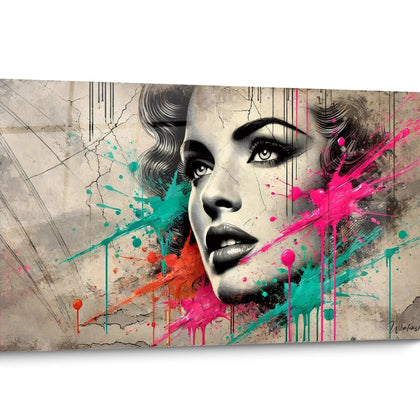
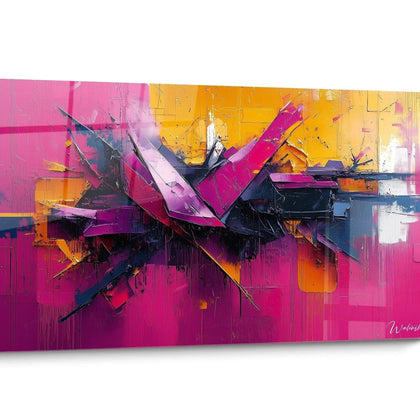
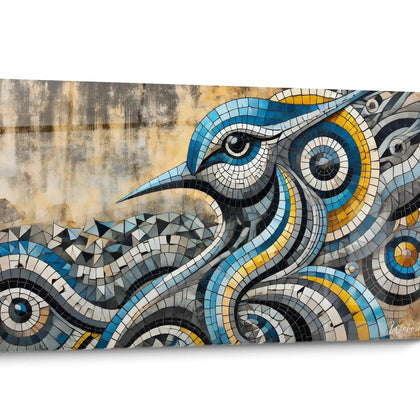
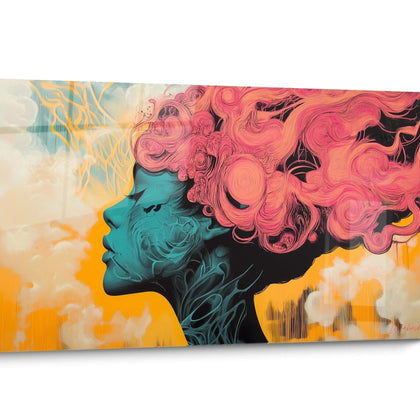
Our Wall Painting Graffiti collection celebrates the raw energy of contemporary urban art . Explore creations inspired by the greatest graffiti artists, combining vibrant colors and impactful messages. Each graffiti painting urban artwork captures the rebellious and creative spirit of the street to transform your walls into true modern art galleries. Perfect for an authentic street art decoration, these works bring character and originality to your interior with boldness and style.
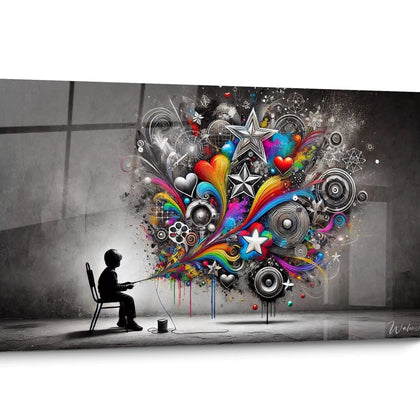
 The Urban Spirit Painting - Graffiti Street Art Edition273,90 €
 Creative Arsenal Artwork - street art edition273,90 €
 Purple Signature Wall Art - graffiti edition242,90 €
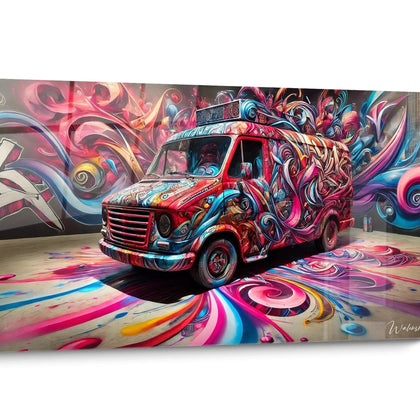
 Urban Wave Wall Art - Graffiti Edition242,90 €
 Neon Fusion Wall Art - graffiti edition242,90 €
 Big Bang Pictural Wall Art - Graffiti Edition242,90 €
 Liquid Graffiti Wall Art - street art edition242,90 €
 Urban Energy Painting - street art edition242,90 €
 Electric Splash Painting - street art edition228,90 €
 Delirious Monsters Artwork - Street Art Edition228,90 €
 The Chaos Mask Painting - Graffiti Street Art Edition273,90 €
 Soul Cracks Artwork - Graffiti Street Art Edition273,90 €
 Nomadic Art Wall - Street Art Graffiti Edition273,90 €
Explore further
In Street Art Graffiti Wall Art

All about Street Art Graffiti Wall Art
- Street Art Graffiti Wall Art Presentation
- Rebellious Urban Aesthetics
- Visual Impact and Atmosphere
- Symbolism and Underground Culture
The street art graffiti wall art represents the very essence of contemporary urban culture, capturing the raw energy of metropolitan spaces and the authenticity of clandestine mural expressions. These monumental creations instantly transform residential and professional spaces into genuine underground galleries, bringing that transgressive dimension and visual force characteristic of urban frescoes. Unlike conventional wall décor, each graffiti composition translates a coded visual narrative, inherited directly from New York and European artistic protest movements, thus offering a direct connection with the cultural history of major cities. Acquiring a large-format street art graffiti wall art constitutes an aesthetic investment for those seeking bold decoration capable of visually dominating an industrial loft, creative office, or trendy commercial space, while asserting a resolutely contemporary and nonconformist identity.
The Visual Expression of Urban Rebellion
The Chromatic Codes of Artistic Vandalism
The street art graffiti wall art distinguishes itself through its explosive color palettes, directly inspired by aerosol cans used on metropolitan walls. These compositions favor violent contrasts between saturated primary colors and fluorescent hues, creating this immediately identifiable visual signature. Overlapping stylized lettering, controlled splashes, and intentional drips reproduce the spontaneous aesthetic of nocturnal interventions on urban surfaces. This intense chromatic approach radically transforms the atmosphere of an industrial or contemporary interior, generating a dominant visual presence that immediately captures the eye. Deep black nuances serve as structural foundation, recalling the asphalt and railway surfaces that constitute authentic graffiti's traditional supports.
How Destructured Typographies Impose Their Presence?
The central element of street art graffiti wall art resides in its monumental deformed letters, illegible to the uninitiated yet carrying intense symbolic charge. These wildstyle or bubble typographies create complex visual architectures, where each curve and directional arrow participates in dynamic overall composition. Large-format sizes amplify this graphic complexity, allowing appreciation of technical details like 3D effects, multilayered drop shadows, and double outlines characteristic. This graphic density confers exceptional depth to the wall support, transforming the flat surface into visual relief. Owners of trendy commercial spaces particularly favor these compositions for their ability to instantly communicate a young, creative identity connected to contemporary urban cultures.
The Integration of Tags and Underground Signatures
An authentic street art graffiti wall art systematically incorporates territorial marking elements like tags, throw-ups, and complete pieces constituting the fundamental vocabulary of the movement. These rapid, gestural inscriptions add an additional narrative layer, evoking artistic territorial wars and visual dialogues between rival crews. Informed collectors particularly seek these multilayered compositions that visually narrate the story of an imaginary urban wall, with its successive repaints and crossed interventions. This graphic stratification radically distinguishes these creations from simple decorative representations, conferring cultural legitimacy among urban art enthusiasts. Acquiring a large-format piece becomes then the symbolic appropriation of a metropolitan fragment, transporting the energy of creative neighborhoods directly into private or professional space.
For those who also appreciate geometric compositions and destructured forms of the urban movement, discover our collection of abstract street art wall art that extends this exploration of contemporary visual languages.
Transform Space Through Graffiti Power
The Architectural Impact of Large Dimensions
The street art graffiti wall art in monumental format radically modifies the spatial perception of an interior environment by creating a dominant focal point that visually restructures the entire room. These XXL compositions reproduce the impressive scale of urban mural frescoes, generating that sense of total immersion characteristic when standing before a wall entirely covered with graffiti. The chromatic intensity and graphic density of these wall supports instantly eliminate architectural neutrality, imposing a resolutely urban and contemporary ambiance. Professional reception spaces, automotive showrooms, and streetwear fashion boutiques particularly exploit this transformative capacity to immediately establish their creative positioning. The dynamic composition of letters and motifs naturally guides eye circulation, creating constant visual movement that animates space even in the absence of occupants.
Which Environments Magnify Graffiti Aesthetics?
The installation of street art graffiti wall art finds its full expression in converted industrial architectures, where exposed metal beams, raw concrete, and visible piping naturally dialogue with uncomplicated urban aesthetics. Lofts with high ceilings offer the vertical space necessary to deploy these monumental compositions without visual compression, allowing sufficient distance to appreciate detail complexity. Exposed brick walls create material continuity with graffiti's original urban supports, reinforcing perceived authenticity of the overall decorative ensemble. Commercial spaces dedicated to youth cultures—crossfit gyms, sneaker boutiques, recording studios—systematically adopt these supports to visually anchor their identity in the streetwear universe. Even contemporary minimalist residential interiors benefit from this visual energy injection, the contrast between architectural simplicity and graphic explosion creating sophisticated aesthetic tension.
Underground Decorative Associations
Street art graffiti wall art naturally integrates into environments with industrial furnishings, where metal furniture, suspended projector-type lighting, and raw steel surfaces reinforce overall urban atmosphere. Colored neon-type lighting installations create chromatic resonances with fluorescent tones of graffiti, amplifying the nocturnal impact of the ensemble. Sophisticated owners juxtapose these rebellious visual expressions with recovered vintage elements—diverted signage, old enameled advertising plaques—thus building coherent visual narrative around urban culture. Luxuriant plants like monstera or ficus introduce welcome organic contrast, softening graphic harshness while recalling wild vegetation colonizing urban wastelands. This overall scenography transforms habitat or commercial space into genuine immersive environment, where each element contributes to reinforcing the underground aesthetic universe.
The Cultural and Symbolic Dimension of Graffiti
The Heritage of Visual Protest Movements
Acquiring a street art graffiti wall art means appropriating a parcel of metropolitan cultural history, from the first New York subway tags of the 1970s to Banksy's or Shepard Fairey's contemporary monumental interventions. These compositions perpetuate the tradition of illegal appropriation of public space for personal expression purposes, transforming transgression into legitimate artistic language. Informed collectors recognize in these wall supports the visual codes of different geographic schools—New York wildstyle, elegant Parisian style, massive Berlin characters—each carrying specific cultural history. This heritage dimension confers great compositions a value far exceeding their decorative function, positioning them as visual testimonies of a major twentieth-century artistic movement. Progressive cultural spaces and innovative technology companies exploit this historical legitimacy to communicate their connection to values of creativity, nonconformism, and urban authenticity.
Why Does Graffiti Authenticate Creative Spaces?
In the contemporary economy of attention and authenticity, street art graffiti wall art functions as an immediate visual marker of creative credibility, instantly signaling to visitors that they are entering unconventional space. Communication agencies, design studios, and coworking spaces systematically exploit this signaling capacity to differentiate themselves from traditional corporate environments. Graffiti aesthetics communicate values of innovation, risk-taking, and challenging established norms, particularly sought after by sectors undergoing digital transformation. Monumental formats amplify this symbolic communication, demonstrating the financial commitment and aesthetic audacity necessary to assume such assertive decoration. This perceived authenticity also creates generational connection with millennials and generation Z, populations socialized in visually saturated environment of street art references for whom these graphic codes constitute natural and familiar language.
The Coded Visual Narratives of Compositions
Each street art graffiti wall art develops complex narrative accessible only to the initiated, where deformed letters, recurring characters, and underground symbols create parallel communication system. Imaginary crews, cryptic signatures, and cross-references to movement history weave dense semantic network that considerably enriches contemplative experience. Passionate collectors decipher these narrative layers as others analyze classical painting symbols, progressively discovering visual dialogues and subtle homages to movement pioneers. This interpretive depth fundamentally distinguishes these creations from simple decorative reproductions, conferring artistic legitimacy among demanding enthusiasts. Installing a monumental composition becomes then the affirmation of cultural belonging, the visual sharing of value system, and permanent invitation to deciphering and discussion around contemporary urban codes.
Which street art graffiti wall art to choose for a professional open space?
For a professional open space, favor a large-format graffiti composition with monumental typographies and energetic but not aggressive color palette, incorporating structured graphic elements that maintain visual coherence without descending into chaos. Panoramic horizontal formats particularly suit long reception walls or collective relaxation spaces, creating visual continuity that energizes environment without fragmenting space.
How does street art graffiti wall art transform a loft's ambiance?
In a loft, very large-format street art graffiti wall art exploits verticality and generous volumes to create a dominant focal point that visually anchors the entire open space. Association with raw materials typical of lofts—polished concrete, oxidized metal, exposed brick—reinforces overall urban authenticity, transforming the habitat into symbolic extension of street and metropolitan creative neighborhoods.
Why favor large dimensions for street art graffiti wall art?
Large dimensions respect urban mural frescoes' original scale, allowing faithful reproduction of authentic graffiti's characteristic visual impact and immersion. Monumental compositions also provide necessary space to deploy typical wildstyle graphic complexity and elaborate pieces, where technical details, overlays, and three-dimensional effects require substantial surface to be fully appreciated without visual compression.
Further reading
Our articles on this topic
- What is the average price of a street art painting by a recognized artist?
- What is the budget for a medium-sized street art painting?
- How to Recognize an Authentic Street Art Painting from a Simple Print?
- Large street art painting for a living room wall: how to choose the right dimensions
- Which French Street Art Paintings Are the Most Valuable Currently?
- Where to Buy Quality Street Art for Your Living Room?
L'art qui suscite l'envie
Maison belge d'art mural grand format
14 jourspour changer d'avis*
Protection Walenskyincluse
Fabriquéen Italie
FormatXXL
Kit de fixationtoujours fourni
* Hors tableaux personnalisés et tailles personnalisées


