


Hyperrealistic Nature Wall Art
Our Painting Hyperrealism Nature collection celebrates technical perfection in the service of organic beauty. Each nature painting hyperrealistic is reproduced with breathtaking precision, capturing the meticulous details of the fauna and flora: plant textures, aquatic reflections, animal fur. These hyperrealistic nature artworks transcend photography to offer total immersion in the very essence of life, where each leaf, each drop of water reveals exceptional artistic work.
 Giant Arctic Iceberg Painting - hyperrealism edition273,90 €
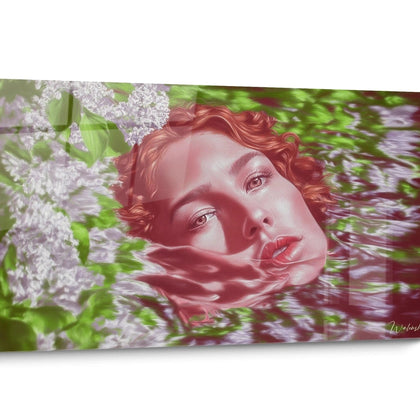
 Flowering Branch Contemplation Red Wall Art - hyperrealism edition273,90 €
 Fawn Fragile Innocence - Hyperrealism Edition273,90 €
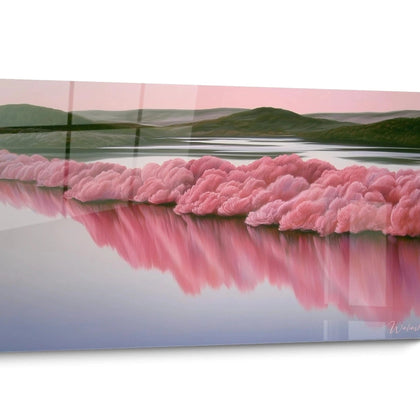
 Cherry Blossoms with Pink Reflections - Hyperrealism Edition273,90 €
All about Hyperrealistic Nature Wall Art
- Presentation Hyperrealistic Nature Paintings
- Monumental Botanical Compositions
- Magnified Microscopic Details
- Forest & Aquatic Immersion
Hyperrealistic nature paintings represent the perfect alliance between photographic technique mastery and fascination for the plant world, offering an immersive visual experience that radically transforms the atmosphere of your living spaces. These large-scale wall creations capture every organic detail with surgical precision, revealing textures imperceptible to the naked eye and creating a contemplative window into preserved ecosystems.
The Visual Impact of Botanical Compositions in Monumental Format
An hyperrealistic painting in a large format creates an architectural presence that completely redefines the spatial perception of a room. Oversized floral compositions, capturing a two-meter peony or a wild bouquet occupying an entire wall, generate a striking sense of proximity to the plant matter. This unusual scale allows one to appreciate the complexity of foliar veins, the translucency of petals under grazing light, and the microscopic chromatic variations invisible in the real world.
How do natural tonal variations influence the ambiance of a room?
The organic palettes of hyperrealistic nature artworks exploit the subtle nuances of the plant kingdom to create specific atmospheres. Compositions dominated by deep chlorophylls and forest greens instill a sense of mental oxygenation in professional spaces, while representations of damp mosses and lichens offer a sought-after contemplative tranquility for master bedrooms. For fresher harmonies, an hyperrealistic blue painting can create a striking contrast with warm plant tones.
Botanical hyperrealism as a biophilic substitute
In urban environments lacking direct access to nature, these wall representations function as therapeutic visual connections with the organic world. Studies on biophilic design demonstrate that regular exposure to detailed naturalistic images reduces physiological markers of stress. A hyperrealistic painting capturing a lush undergrowth or a plant cascade offers this sensory immersion without the constraints of maintaining real vertical gardens, while retaining the positive psychological impact.
Which plant essences should be prioritized depending on the use of the space?
Representations of arboreal ferns and giant fronds are particularly suitable for medical waiting rooms and transition spaces, their natural fractal geometry capturing attention without creating excessive stimulation. Close-up compositions of lotus and water lily flowers bring a meditative dimension to yoga studios and spaces dedicated to contemplative practices. For gourmet restaurants seeking a sophisticated ambiance, hyperrealistic representations of edible plants – exploded artichokes, Romanesco cabbages – create a subtle conceptual connection with the culinary experience.
The Fascination of Magnified Microscopic Details at Mural Scale
Hyperrealistic nature excels at revealing normally invisible organic structures, transforming minuscule botanical elements into striking monumental compositions. A painting representing the surface of a lotus leaf magnified one hundred times exposes the natural hydrophobic network in all its geometric complexity, while the trichomes of a rose petal become a fascinating crystalline forest. This inversion of scale generates a perpetual discovery : each observation reveals additional details invisible during previous contemplations.
Why do hyperrealistic organic textures captivate us so enduringly?
Unlike geometric patterns that quickly exhaust their visual interest potential, natural textures reproduced with photographic fidelity maintain their ability to engage cognitive processes. Organic fractals – dendritic ramifications, Fibonacci spirals in floral heads, foliar vein networks – activate pattern recognition mechanisms without ever reaching complete resolution. A large-scale hyperrealistic nature painting thus offers an inexhaustible source of micro-visual explorations, particularly appreciated in spaces of prolonged rest such as reading rooms or private libraries.
The psychological effect of hyperrealistic droplets and dew
Representations of moist plants with suspended water droplets create an immediate sensation of freshness that influences the thermal perception of a space. Works capturing banana leaves covered in condensation or petals supporting perfect liquid spheres generate a virtual tactile dimension: viewers frequently report a sensation of atmospheric humidity despite the absence of any physical element. This cross-sensory illusion makes these paintings particularly suitable for wellness spaces, decorative hammams, and luxurious bathrooms.
How to integrate botanical hyperrealism into a minimalist decor?
The detailed organic character of a hyperrealistic nature painting creates a valuable architectural contrast in contemporary, pared-down interiors. On an immaculate white wall, a monumental representation of a bamboo stem with its characteristic nodes and subtle chromatic variations becomes the only focal point needed, eliminating the need for decorative accumulation. Hyperrealistic botanical compositions in monochrome – silver eucalyptus, white sage, dusty miller – blend harmoniously with neutral palettes while bringing the essential visual complexity to avoid decorative sterility.
Creating a Forest and Aquatic Immersion in Contemporary Habitat
Large-format hyperrealistic nature paintings depicting complete ecosystems transform a wall into an immersive portal to preserved environments. A representation of a tropical forest in a plunging perspective, capturing the vegetation stratification from the canopy to the mossy ground, creates an illusory depth that visually expands the space. Aquatic compositions – submerged mangrove roots, seagrass meadows traversed by filtered light – bring a meditative liquid dimension particularly sought after in post-professional decompression spaces.
Which ecosystems to prioritize according to natural light exposure?
Rooms bathed in direct natural light benefit from representations of lush vegetation where the hyperrealistic rendering of light and shadow play dialogues with the changing ambient lighting. A painting capturing a forest clearing with rays of light piercing the canopy will see its dramatic effects enhanced according to solar orientation. For less bright spaces, compositions of humid undergrowth, vegetated caves, or crepuscular seabeds create an atmospheric coherence that values the intimacy of these environments rather than fighting their naturally dark character.
The hyperrealism of tree barks and monumental woody structures
Representations of cross-sectioned ancient tree trunks, revealing decades of growth rings, bring a fascinating temporal dimension to contemporary interiors. These compositions create a historical anchor and a connection with long natural cycles, particularly appreciated in executive offices and professional practices where they symbolize patient growth and solidity. The textures of rough bark – sequoia, cork oak, plane tree – captured with tactile precision offer a striking contrast to the smooth surfaces of modern interiors, introducing a balancing visual roughness.
How do hyperrealistic aquatic scenes influence the perception of acoustics?
Although obviously silent, representations of waterfalls, forest rivers, or lake surfaces disturbed by rain generate a synesthetic association with aquatic soundscapes. Owners frequently report a sense of a calmer and acoustically dampened environment in the presence of these artworks, a phenomenon linked to memorial associations between visual and natural auditory stimuli. This particularity makes hyperrealistic nature paintings representing aquatic elements particularly suitable for spaces requiring a perception of tranquility: restless children's rooms, coworking spaces, therapeutic consultation rooms.
FAQ: Frequently Asked Questions about hyperrealistic nature paintings
Is a hyperrealistic nature painting suitable for demanding professional environments?
Absolutely, these artworks create a proven biophilic balance to reduce cognitive fatigue in offices and medical practices, while maintaining an appropriate aesthetic sophistication for formal professional contexts. Detailed botanical compositions offer restorative micro-visual breaks without compromising the ambient seriousness.
How to preserve the chromatic vibrancy of a hyperrealistic vegetal artwork exposed durably?
The photographic pigments of archival quality used for these large-format reproductions resist aging remarkably well when protected from prolonged exposure to direct sunlight. Strategic positioning avoiding direct UV rays during peak intensity hours preserves the saturation of the chlorophylls and anthocyanins represented for decades.
Do hyperrealistic nature representations work in interiors with a raw industrial style?
The contrast between raw industrial materials and hyperrealistic organic sophistication creates a decorative tension that is particularly sought after. On exposed concrete or brick walls, a monumental nature painting introduces the missing organic dimension while respecting the unprimed aesthetic, the microscopic botanical details dialoguing with the rough mineral textures.
L'art qui suscite l'envie
Maison belge d'art mural grand format
14 jourspour changer d'avis*
Protection Walenskyincluse
Fabriquéen Italie
FormatXXL
Kit de fixationtoujours fourni
* Hors tableaux personnalisés et tailles personnalisées


