


Hyperrealism Rose Painting
The Hyperrealism Pink Painting celebrates floral beauty with stunning photographic precision. This collection of hyperrealistic floral art captures every nuance, texture, and light reflection on the petals with unsettling accuracy. Our artists perfectly master the technique of photographic realism pink, creating compositions where illusion becomes reality. Perfect for enhancing living rooms and contemporary spaces, these creations transform your interior into a refined art gallery.
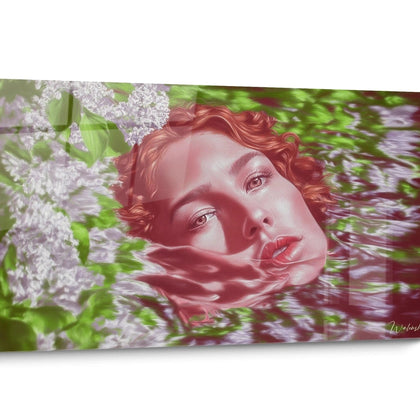
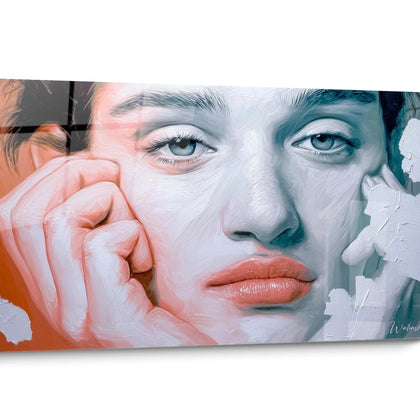
 Woman Crimson Lips Portrait Painting - hyperrealism edition273,90 €
 Man with Doves Artwork Serene White — hyperrealism edition273,90 €
 Portrait Painting Deep Ocean Eyes Artwork - hyperrealism edition273,90 €
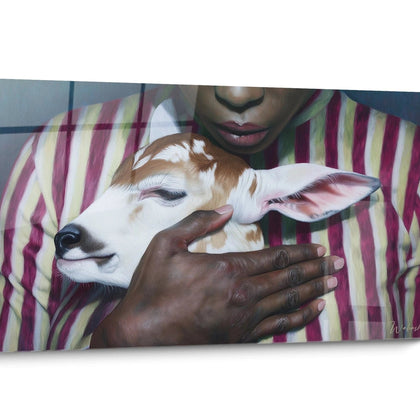
 Portrait Wall Art Protective Hands - hyperrealism edition273,90 €
 Botanical Fusion Portrait Painting - Hyperrealism Edition273,90 €
 Couple Tenderness Intimate Wall Art - hyperrealism edition273,90 €
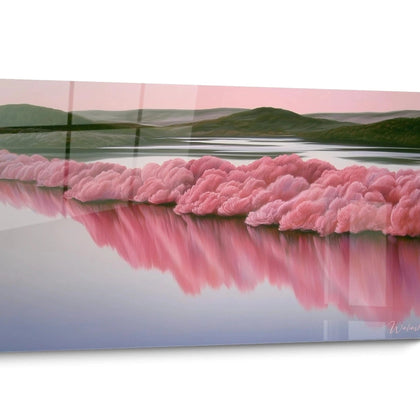
 Cherry Blossoms with Pink Reflections - Hyperrealism Edition273,90 €
 Woman with Crystalline Freckles Painting - hyperrealism edition273,90 €
 Dove Communion Silent - Hyperrealism Edition Wall Art273,90 €
 Woman Forbidden Vision Painting - hyperrealism edition228,90 €
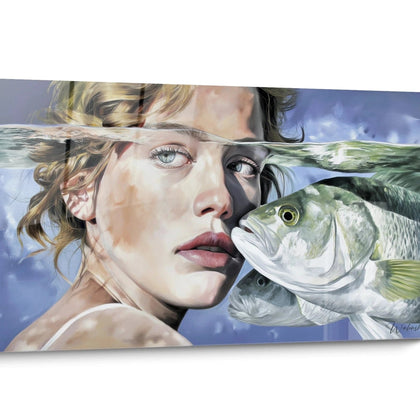
 Face Painting Aquatic Emergence - hyperrealism edition228,90 €

All about Hyperrealism Rose Painting
- Hyperrealism Pink Painting Presentation
- Decorative Integration
- Symbolism and Emotions
- Acquisition and Value
A pink hyperrealism painting embodies technical excellence applied to a botanical motif among the most demanding in terms of pictorial rendering. This category of large-format wall artworks captures every microscopic detail of the petal, every chromatic nuance ranging from powder pink to deep magenta, in photographic fidelity that defies visual perception. The hyperrealist artist dedicates hundreds of hours to reproducing the velvety texture, translucent veins and subtle variations of light that animate each inflorescence, transforming a simple floral composition into a genuine technical feat.
Integrating a Pink Hyperrealism Painting into Contemporary Spaces
Installing a pink hyperrealism painting in a residential or professional environment requires a thorough understanding of its interactions with contemporary architecture. These monumental creations function as architectural focal points, capable of completely redefining a room's spatial perception through their imposing visual presence and ability to capture attention upon entry.
Which spaces best enhance large-format floral hyperrealism?
Spacious entrance halls, living areas with double-height ceilings and reception spaces particularly benefit from these spectacular artworks. The monumental dimension necessary for pink hyperrealism – often exceeding 150 centimeters – finds its full expression in generous architectural volumes allowing sufficient visual distance. Luxury boutiques, high-end spas and specialized aesthetic dermatology practices frequently adopt this iconography for its implicit association with softness, refinement and meticulous care.
Chromatic associations to amplify visual impact
The pink palette requires strategic decorative choices to avoid any visual saturation. Immaculate white monochromatic environments, anthracite grey ambiances and neutral beige decors create optimal contrast allowing the pink hyperrealism painting to deploy all its chromatic complexity. Association with brushed brass or rose gold metallic elements establishes sophisticated tonal continuity, while blue hyperrealism paintings positioned in adjacent spaces create coherent chromatic progression between different zones of the same location.
Management of natural and artificial lighting
Floral hyperrealism reacts extraordinarily to daily luminous variations. Eastern morning light reveals cool pink nuances, while western evening light amplifies warm and golden tones. Installing directional LED lighting with adjustable color temperature (between 3000K and 4000K) maintains chromatic fidelity in the evening without altering the pigmentary subtleties the artist meticulously reproduced.
Protection against fading and sun exposure
Pink pigments, particularly sensitive to UV radiation, require rigorous protection. Anti-UV films on glazing, filtering cellular shades and preferential orientation toward walls perpendicular to windows guarantee chromatic permanence over several decades. This vigilance preserves both the aesthetic and financial investment represented by an authentic hyperrealist artwork.
Symbolism and Emotional Resonance of Pink Hyperrealism Painting
Beyond technical performance, a pink hyperrealism painting conveys profound symbolic charge inherited from centuries of artistic and botanical representations. The rose constitutes in collective imagination a universal archetype combining ephemeral beauty, formal perfection and existential fragility – themes that hyperrealism amplifies through its troubling documentary exactitude.
Why does hyperrealism intensify the emotional dimension of flowers?
Photographic fidelity of rendering creates a fascinating perceptual paradox: the observer simultaneously perceives pictorial artifice and the illusion of real vegetative presence. This cognitive tension generates prolonged contemplation, visual meditation that neither photography (too literal) nor abstraction (too interpretive) provokes. The large-format pink hyperrealism painting functions as a dimensional window toward botanical reality frozen in its eternal perfection, abolishing the natural cycle of withering.
Therapeutic applications and environmental well-being
Neuroscience confirms the measurable impact of hyperrealistic floral representations on cortisol reduction and improvement of subjective well-being parameters. Health facilities, meditation centers and premium coworking spaces integrate these artworks as elements of artificial biophilic design – reproducing the psychological benefits of nature without maintenance constraints. Pink color specifically activates neurophysiological responses associated with serenity, relational gentleness and emotional openness.
Which floral iconography corresponds to which decorative intent?
A rose in full bloom projects abundance and flourishing, ideal for celebration spaces or creative professional environments. Compositions showing dewdrops amplify the sensation of fresh morning and renewal, particularly sought after in spas and wellness institutes. Macro representations centered on inner petals create contemplative intimacy suited to master bedrooms and rest areas.
Differentiation with other floral artistic movements
Unlike classical still lifes that idealize or photographs that document, pink hyperrealism establishes unique aesthetic territory: celebration of technical mastery in service of controlled illusion. Each artwork constitutes a manifesto of artisanal expertise applied to an eternally renewed subject, justifying commercial valuation significantly superior to standard photographic reproductions.
Acquisition and Valuation of Pink Hyperrealism Painting
Investment in a large-dimension pink hyperrealism painting represents an aesthetic and patrimonial decision requiring thorough analysis of quality criteria, authenticity and appreciation potential. The contemporary hyperrealism market experiences sustained growth, driven by increasing international demand and limited supply due to temporal constraints inherent in this demanding technique.
How to evaluate the technical quality of a hyperrealist artwork?
Close examination reveals authentic artistic mastery: imperceptible chromatic transitions, velvety texture rendering without uniform flat areas, sophisticated management of reflections and transparencies, rigorous botanical anatomical fidelity. Legitimate hyperrealist creations require between 80 and 300 hours of work depending on dimensions, justifying pricing substantially superior to standard decorative productions. Artist signature, authenticity documentation and provenance traceability constitute determining elements for future valuation.
Positioning within coherent collection strategy
Discerning collectors develop thematic ensembles creating visual narrative throughout their spaces. A pink hyperrealism painting naturally integrates into hyperrealistic botanical series, monochromatic chromatic progressions or dialogues between naturalism and abstraction. Sequential acquisition of works by the same artist or movement establishes patrimonial coherence amplifying global collection value beyond simple addition of individual pieces.
Purchase criteria to maximize satisfaction and investment
Prioritize monumental formats (minimum 120×120 cm) whose rarity and spatial impact justify better value resilience. Verify permanence of pigments used and UV protection treatments applied during creation. Photograph initial condition and store authenticity certificates in secure conditions. Artworks from numbered limited series or exclusive commissions benefit from rarity arguments favoring patrimonial appreciation.
Where to find authentic and large-format pink hyperrealism paintings?
Galleries specializing in contemporary hyperrealism, certified art sales platforms and recognized artist studios constitute privileged acquisition channels. The monumental dimensions we offer (frequently exceeding 150 cm) meet architectural requirements of premium residential and commercial spaces, offering immediate visual presence incomparable with standard formats.
FAQ - Frequently Asked Questions about Pink Hyperrealism Painting
Is a pink hyperrealism painting suitable for contemporary masculine interiors?
Absolutely. Hyperrealism transcends conventional chromatic associations through its technical and conceptual dimension. In streamlined architectural environments with industrial or minimalist furniture, these artworks create sophisticated contrast between organic softness and structural rigor, particularly sought after in lofts and high-end professional spaces.
What rendering difference between pink hyperrealism and enlarged floral photography?
Pictorial hyperrealism offers pigmentary density, controlled depth of field and subtle interpretation that mechanical photographic reproduction cannot match. The artist selects, amplifies and synthesizes visual elements to create reality more intense than the real, where photography documents faithfully but without this distinctive creative intentionality.
How to maintain a pink hyperrealism painting to preserve its value over time?
Avoid any direct contact with the pictorial surface, control ambient humidity between 45-55%, maintain stable temperature, perform annual dusting with soft natural hair brush, and have all conservation inspections conducted every five years by a certified professional to document condition and anticipate any necessary preventive intervention.


