


Sunset Wall Art
Discover our "Sunset Wall Art" collection, a series of luminous artworks capturing the soothing and poetic essence of day's end. Each sunset wall art celebrates the brilliant hues of twilight, with color gradients that warm the soul and transform your space. This collection highlights the natural beauty of coastal and mountain landscapes, offering a contemporary and calming touch. Twilight artwork or sunset landscape, each piece evokes serenity and escape, perfect for creating a relaxing and elegant atmosphere.
 Whispers of the Sun Painting - Sunset Landscape Edition233,90 €
 Flaming Ocean Canvas - Sunset Edition233,90 €
 Sand Palette Wall Art - Sunset Landscape Edition233,90 €
 Paradise Vibrance Canvas - Sunset Edition213,90 €
 Sunset Landscape Painting - Infinite Golden Horizon - Sunset Edition232,90 €
 Maritime Landscape Painting - Flames of Dusk - Sunset Edition233,90 €
 Dramatic Cloudy Landscape Painting - Celestial Ablaze - Sunset Edition213,90 €
 Ocean Portal Wall Art - Sunset Edition233,90 €
 Moroccan Sanctuary Wall Art - sunset edition233,90 €
 Ocean Silence Painting - Sunset Landscape Edition233,90 €
 Winter Solstice Wall Art - Sunset Edition233,90 €
 Ochre Symphony Wall Art - sunset edition232,90 €
 Purple Waves Wall Art - Sunset Edition213,90 €
Explore further
In Sunset Wall Art

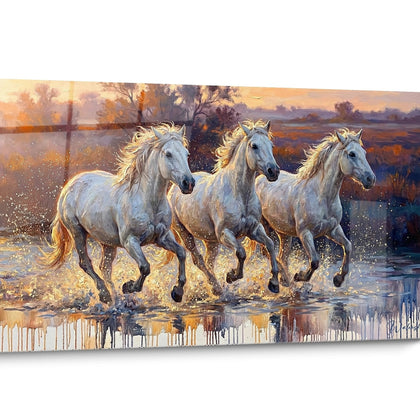

In the same family
Also explore the theme Landscapes
-
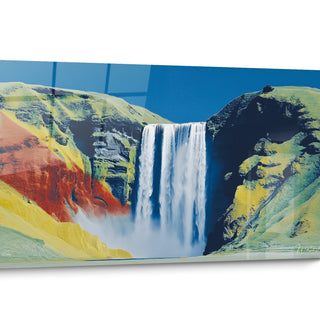 View all1336
artworks
View all1336
artworks
-
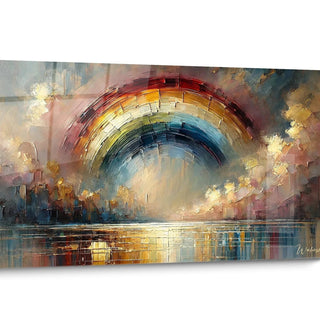 Rainbow2
artworks
Rainbow2
artworks
-
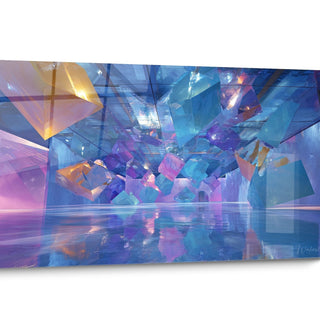 Architecture30
artworks
Architecture30
artworks
-
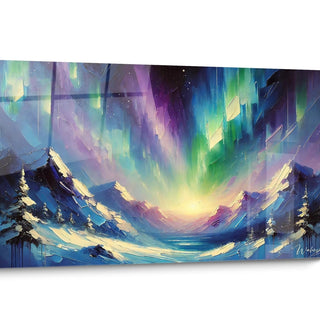 Northern Lights32
artworks
Northern Lights32
artworks
-
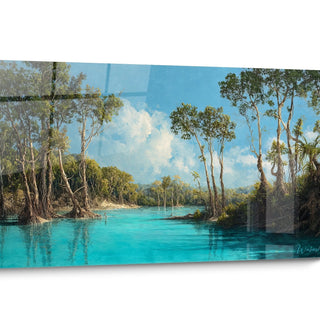 Other Landscapes117
artworks
Other Landscapes117
artworks
-
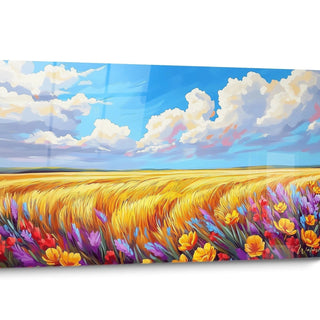 Campaign51
artworks
Campaign51
artworks
-
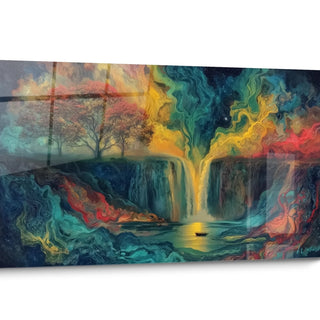 Cascade104
artworks
Cascade104
artworks
-
 Waterfalls12
artworks
Waterfalls12
artworks
-
 Lavender Fields7
artworks
Lavender Fields7
artworks
-
 Sky14
artworks
Sky14
artworks
-
 Starry Sky8
artworks
Starry Sky8
artworks
-
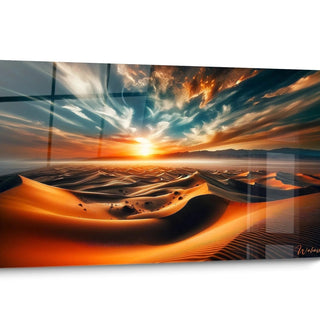 Desert82
artworks
Desert82
artworks
-
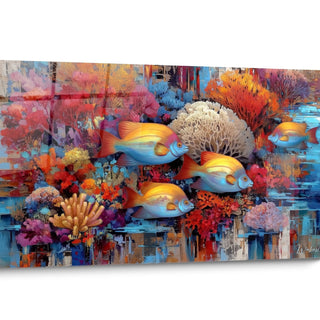 Underwater Depths38
artworks
Underwater Depths38
artworks
-
 Forest129
artworks
Forest129
artworks
-
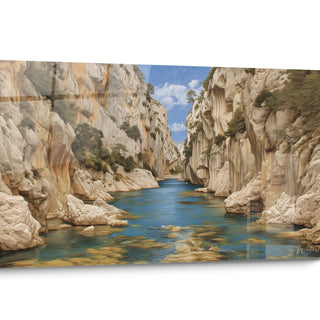 Gorges and Canyons41
artworks
Gorges and Canyons41
artworks
-
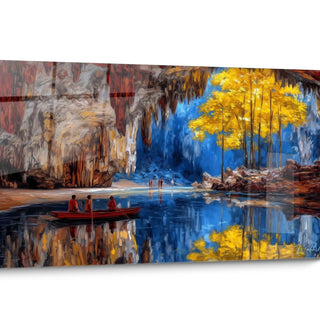 Natural Caves565
artworks
Natural Caves565
artworks
-
 Islands and Archipelagos55
artworks
Islands and Archipelagos55
artworks
-
 Jungle9
artworks
Jungle9
artworks
-
 Lakes77
artworks
Lakes77
artworks
-
 The World of the Sea189
artworks
The World of the Sea189
artworks
-
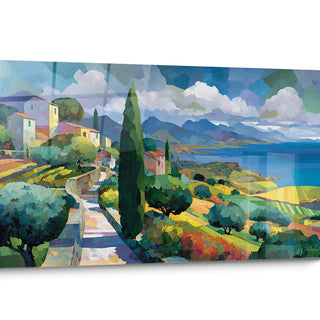 Marine71
artworks
Marine71
artworks
-
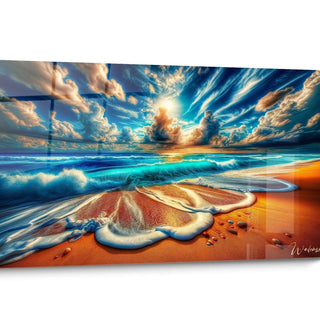 Sea77
artworks
Sea77
artworks
-
 Mountain218
artworks
Mountain218
artworks
-
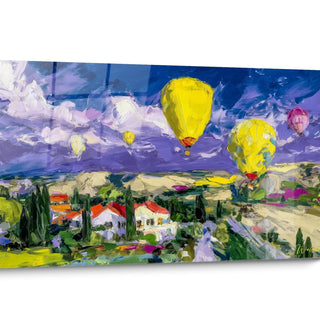 Hot Air Balloon5
artworks
Hot Air Balloon5
artworks
-
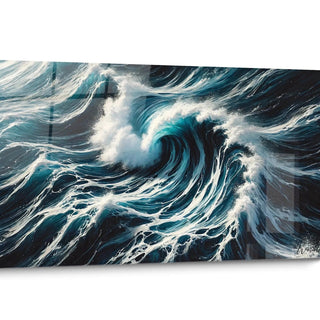 Ocean16
artworks
Ocean16
artworks
-
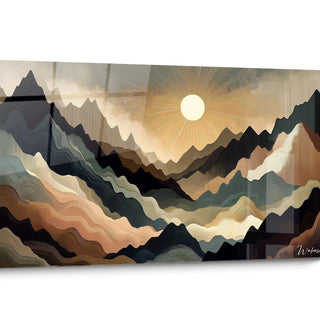 Abstract Landscape25
artworks
Abstract Landscape25
artworks
-
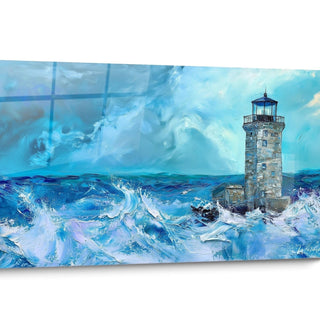 Lighthouses20
artworks
Lighthouses20
artworks
-
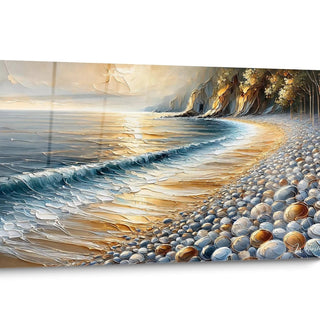 Beach105
artworks
Beach105
artworks
-
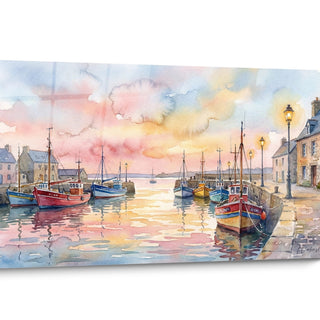 Ports19
artworks
Ports19
artworks
-
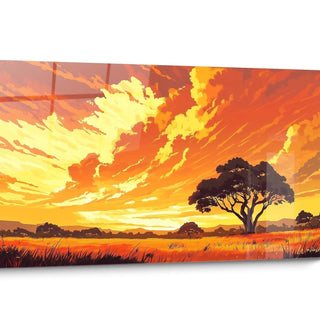 Savanna5
artworks
Savanna5
artworks
-
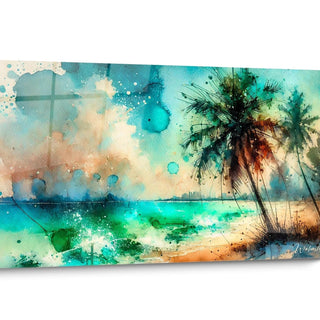 Tropics9
artworks
Tropics9
artworks
-
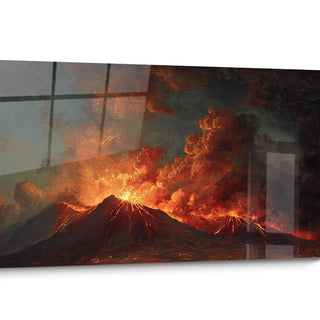 Volcanoes57
artworks
Volcanoes57
artworks
-
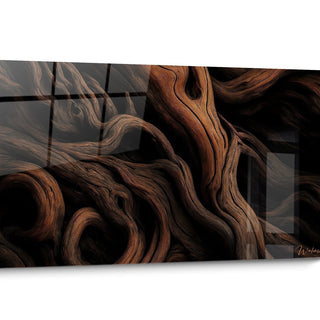 Aerial View17
artworks
Aerial View17
artworks


All about Sunset Wall Art
- Presentation Sunset Painting
- Sunset painting serene atmosphere
- Sunset painting wall decoration
- Sunset painting emotional impact
Paintings depicting a sunset bring a unique ambiance and warm atmosphere to your interior. These artworks capture the magic of this fleeting moment when the sky blazes with spectacular colors. Discover how a landscape painting depicting a sunset can radically transform the atmosphere of your living space.
Sunset Painting: The Art of Integrating Twilight Hues into Your Interior
Paintings depicting a sunset stand out through their unique ability to capture that magical moment when day gives way to night. Unlike other landscape representations, these artworks immortalize a transitional moment with exceptional colors that last only minutes in reality.
How does a sunset painting influence the ambiance of a room?
One of the exclusive characteristics of a sunset painting is its extraordinarily rich chromatic palette. The warm hues of orange, red, and purple instantly create an enveloping and welcoming atmosphere. Unlike daytime or nighttime landscape representations, these artworks diffuse an amber light that subtly modifies the perception of your space.
Owners of large spaces particularly appreciate sunset paintings for their ability to create a warm focal point in rooms with significant dimensions. The dominance of warm tones naturally counterbalances the potential coldness of large volumes, creating a perfect visual balance between space and intimacy.
The emotional microclimates generated by different types of sunsets
Each type of depicted sunset generates a specific emotional microclimate:
- Marine sunsets evoke sensations of vacation and escape
- Urban sunsets create a striking contrast between nature and civilization
- Mountain sunsets inspire grandeur and contemplation
- Field sunsets suggest serenity and simplicity
This ability to generate distinct emotional atmospheres is unique to sunset paintings and is not found with the same intensity in other landscape representations.
Interior psychologists often recommend sunset representations for their soothing effect on mood. The day-night transition symbolized in these artworks unconsciously helps mark a pause, to slow down the pace—particularly beneficial in relaxation spaces like the living room or bedroom.
Which spaces benefit most from a painting depicting a sunset?
West-facing spaces derive particular advantage from sunset paintings, creating a fascinating dialogue between the artwork and the natural light that evolves similarly at day's end. This unique phenomenon of light echo amplifies the visual impact of the room at specific times of the day.
In contemporary interiors with neutral tones, a large-format sunset painting acts as a true chromatic thermostat, visually warming the space without requiring structural changes. This characteristic makes it a privileged choice for decorators wishing to quickly transform the ambiance of a minimalist space.
Professionals in the hospitality sector have long identified the unique effect of sunset paintings on the perception of time spent in a space. These artworks unconsciously encourage slowing down, savoring the present moment, thus creating a distinct and memorable customer experience.
The perceptual evolution of a sunset painting according to lighting
A fascinating particularity of sunset paintings lies in their visual metamorphosis according to ambient lighting. Unlike other landscape representations, these artworks possess a chameleon quality:
In natural morning light, the orange and red hues appear softer, almost pastel.
Under warm artificial lighting in the evening, these same colors intensify dramatically, creating an almost hypnotic effect.
This unique interaction with lighting truly transforms the artwork throughout the day, offering an evolving visual experience that no other type of painting can reproduce with the same intensity.
Chromotherapy experts emphasize the particular benefits of twilight hues on our psychological well-being. Regular contemplation of the tones characteristic of a sunset would help reduce stress and naturally prepare the body for the transition to nighttime rest—a therapeutic advantage unique to this type of landscape representation.
To maximize the emotional impact of a sunset painting, specialists recommend placing it in an environment where you spend relaxation time at day's end. This synchronization between the represented subject and your own daily rhythm significantly reinforces the emotional connection with the artwork.
Sunset Painting: Creating Striking Contrasts in Your Wall Decoration
Paintings depicting a sunset possess this unique ability to instantly transform the atmosphere of a room through their interplay of lights and naturally dramatic contrasts. Unlike other landscape representations, they capture a moment of transition where nature displays its most colorful spectacle.
How to integrate a sunset painting into different decorative styles?
Integrating a sunset painting into a contemporary interior creates a striking contrast between the refined lines of modern furniture and the explosion of natural colors. This juxtaposition is particularly effective in minimalist spaces where the artwork naturally becomes the focal point of the room.
In an interior with Mediterranean inspirations, a maritime sunset painting extends and amplifies the vacation ambiance. The typical amber tones of Mediterranean twilight establish chromatic continuity with warm materials like terracotta or rattan, creating a visual harmony impossible to reproduce with other types of landscape representations.
For Nordic interiors with light hues, a large sunset painting brings the necessary touch of warmth without compromising the refined aesthetic. The orange and reddish tones perfectly counterbalance the coolness of whites and grays, creating a unique visual balance that few other artworks can offer.
What are the specific psychological effects of a sunset painting?
Experts in environmental psychology have identified what they call the "twilight effect" specific to sunset paintings. Unlike full daylight representations that stimulate activity, or nighttime scenes that favor introspection, sunsets induce an intermediate state of soothed yet alert consciousness—particularly beneficial in transition spaces like entryways or hallways.
A recent study on the impact of decorative elements on well-being revealed that sunset paintings are particularly effective for:
- Reducing the perception of time in a space (feeling that time passes more slowly)
- Significantly diminishing stress sensations after 5-10 minutes of contemplation
- Improving the quality of social interactions in the room where they are displayed
- Facilitating mental transitions between professional activities and personal time
These specific benefits make them privileged choices for spaces dedicated to relaxation and rejuvenation.
How to maximize the impact of a large-format sunset painting?
A large-format sunset painting possesses this remarkable ability to create what decorators call an "immersion wall." Unlike other landscape representations, the panoramic nature and chromatic intensity of the sunset allow for visually extending perceived space, creating a sensation of openness even in a modest-sized room.
Lighting experts recommend installing a dedicated lighting system with variable color temperatures to showcase a sunset painting:
Cooler lighting (4000-5000K) during the day reveals subtle blue and purple nuances present in the artwork.
Warmer lighting (2700-3000K) in the evening intensifies oranges and reds, amplifying the twilight effect.
This specific light modulation transforms the artwork throughout the day, giving it an evolving dimension unique to sunset representations.
For modern residential spaces with white walls, the effect of a sunset painting extends well beyond direct visual impact. The subtle color reflections on surrounding surfaces create what interior architects call a "chromatic halo"—a phenomenon where the artwork slightly tints the atmosphere of the entire room, particularly visible in the evening when natural light diminishes.
What are the unique spatial considerations for sunset paintings?
Unlike other landscape representations, sunset paintings benefit from positioning facing the main entrance of a room. This arrangement allows for creating what interior scenographers call an "artificial horizon effect"—a visual opening that immediately draws the eye and expands spatial perception upon entering the room.
For large spaces with high ceilings, a panoramic-format sunset painting placed at eye level creates a horizontal visual anchor that naturally counterbalances the verticality of the room. This technique is particularly effective in lofts or contemporary living spaces with significant volumes.
Biophilic design specialists emphasize the importance of horizon representation in a sunset painting. This natural demarcation line between sky and earth (or sea) plays a fundamental role in our spatial perception and our sense of safety in a space. Sunsets, with their generally well-defined horizon dramatically heightened by light contrasts, maximize this soothing effect on our psyche.
Sunset Painting: The Emotional Impact of Twilight Hues in Your Personal Space
Paintings depicting a sunset exercise a particular fascination over our collective psyche. Far more than a simple landscape representation, they capture a moment of transition universally recognized as symbolic and emotionally charged across all cultures.
Why do sunset paintings have such a powerful emotional impact?
Neuroscientists have identified a unique brain response to sunset representations. Unlike other landscape scenes, sunsets simultaneously activate brain areas associated with autobiographical memory and positive emotions. This dual stimulation explains why these artworks often generate an immediate and profound emotional response, even in people with no particular interest in art.
Cultural anthropologist Vincent Delacroix notes that "the sunset is perhaps the only daily natural phenomenon that still interrupts our activity in the modern world. We stop to observe it, to photograph it, to share it." This universal pause in our hectic pace explains why its artistic representation resonates so deeply within us—it reconnects us to this collective slowed-down experience.
Owners of large sunset paintings often testify to a phenomenon that interior psychologists call "temporal anchoring"—the artwork unconsciously becomes a transition marker in the day, a visual signal that encourages slowing down and adopting a more contemplative pace at day's end. This subtle ritual function is unique to twilight representations.
How does the luminosity of a sunset painting transform the perception of a space?
Interior architects use a concept called "emotional window" to describe the unique effect of sunset paintings in spaces without natural openings or limited views. These artworks create a visual breakthrough that transcends the physical constraints of the room, generating a sensation of space and connection with the outside world impossible to reproduce with other subjects.
In high-end professional environments, large sunset paintings are strategically placed in decompression spaces and creative meeting rooms. Their presence activates what organizational psychologists call "the transitional state"—a mental disposition more open to new ideas and alternative perspectives, thus facilitating creative processes and complex problem-solving.
A fascinating characteristic of sunset paintings lies in their ability to subtly modify our perception of time in a space. Studies in environmental psychology have demonstrated that people estimate having spent approximately 15% less time in a room adorned with a sunset painting than in an identical space decorated with other types of artworks—a phenomenon called "aesthetic temporal dilation".
- Urban sunsets evoke nostalgia and transition
- Ocean sunsets inspire vastness and freedom
- Mountain sunsets suggest accomplishment and transcendence
- Desert sunsets communicate simplicity and timelessness
What specific emotions can different types of sunset paintings evoke?
Therapists using art as a clinical tool have documented distinct emotional responses depending on the types of sunsets represented:
This nuanced emotional palette makes sunset paintings particularly effective therapeutic tools in care and healing environments.
For collectors and art enthusiasts, sunset paintings possess what art critic Jean-Michel Routhier calls "the portal quality"—they function as visual thresholds between different emotional states. This characteristic makes them privileged choices for marking spatial transitions in an interior, such as the passage from a work space to a relaxation area.
High-end commercial space designers exploit what they call the "sunset effect" to increase customer dwell time in certain zones. The presence of a large painting depicting a sunset unconsciously encourages slowing down, contemplating, thus creating a time pocket conducive to a more thoughtful and generally more gratifying shopping experience for the consumer.
FAQ on sunset paintings
What is the best height for hanging a large-format sunset painting?
For a large-format sunset painting, prioritize hanging it where the center of the artwork is approximately 1.60m from the floor. This specific height allows for creating a visual horizon line that maximizes the immersive effect specific to twilight scenes. In spaces with particularly high ceilings, you can go up to 1.70m to enhance the panoramic effect.
How to maintain a sunset painting to preserve the vibrancy of orange colors?
The vibrant colors of sunset paintings require particular attention. Avoid direct exposure to UV rays which can alter orange and red pigments more quickly than other hues. Semi-annual cleaning with a slightly dampened microfiber cloth is sufficient for routine maintenance. For particularly valuable artworks, consider UV-protective glazing which will preserve the characteristic chromatic intensity of twilight scenes.
Can a sunset painting positively influence sleep quality?
Studies in chronobiology suggest that a sunset painting placed in a bedroom can indeed help improve sleep quality. Contemplation of orange and reddish hues before bedtime naturally stimulates melatonin production, the sleep hormone. This phenomenon, called "visual circadian priming," unconsciously prepares the body for the transition to nighttime rest, particularly beneficial for people suffering from mild insomnia.
What are the ideal dimensions for a sunset painting in a large living space?
In a large living space, prioritize a sunset painting in panoramic format at least 120 cm wide to create a truly striking visual impact. The ideal ratio is generally 16:9 or 21:9, thus reproducing the natural proportions of a twilight horizon. For particularly spacious areas, an artwork 150 to 180 cm wide will allow for creating what decorators call a "luminous immersion wall," radically transforming the atmosphere of the room.


