


Sea Paintings
Discover our "Sea Painting" collection, a selection of artworks that capture the immensity and mysterious beauty of the oceans. Each sea painting transports you to an aquatic universe where waves, reflections and infinite horizons come to life. Perfect for creating a soothing and revitalizing atmosphere, our marine paintings blend harmoniously into any interior, whether contemporary or classic. Give your walls the serenity of the sea, and let yourself be enchanted by the escape that each artwork brings. Explore this collection to enhance your décor.
 Turquoise Waves Canvas - Sea Edition233,90 €
 Greenery Atlantic Painting - sea edition233,90 €
 Painting Towards the Horizon - Marine Landscape Edition233,90 €
 Coastal Village at Sunset Painting - Manarola Corsica - Corsican Edition232,90 €
 Coastal Village Painting - Mediterranean Watercolor - Corsican Edition233,90 €
In the same family
Also explore the theme Landscapes
-
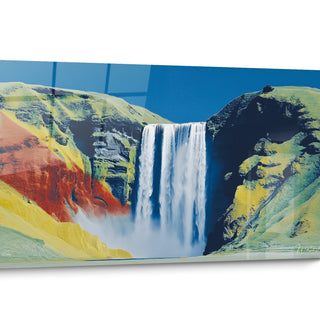 View all1336
artworks
View all1336
artworks
-
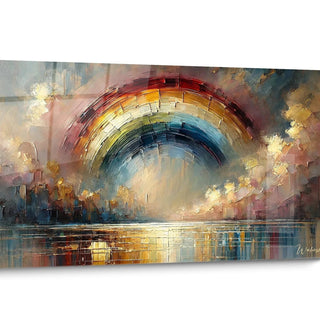 Rainbow2
artworks
Rainbow2
artworks
-
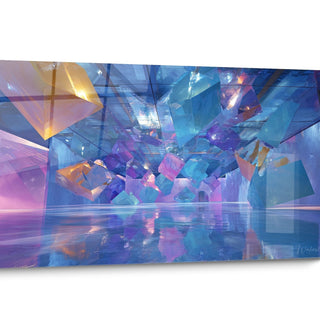 Architecture30
artworks
Architecture30
artworks
-
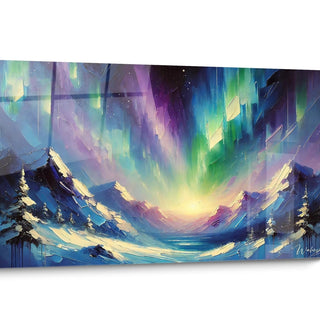 Northern Lights32
artworks
Northern Lights32
artworks
-
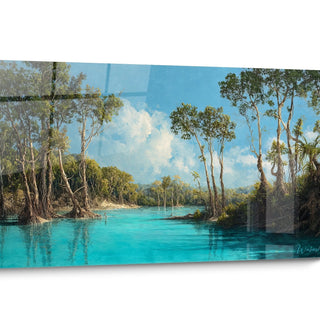 Other Landscapes117
artworks
Other Landscapes117
artworks
-
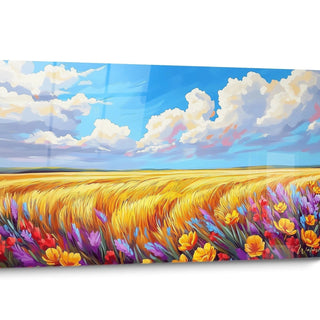 Campaign51
artworks
Campaign51
artworks
-
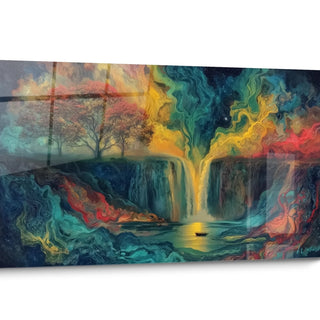 Cascade104
artworks
Cascade104
artworks
-
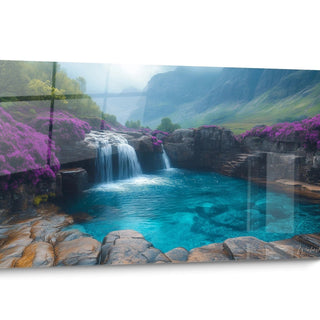 Waterfalls12
artworks
Waterfalls12
artworks
-
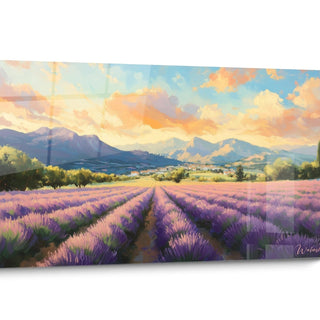 Lavender Fields7
artworks
Lavender Fields7
artworks
-
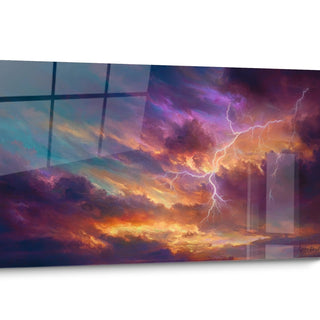 Sky14
artworks
Sky14
artworks
-
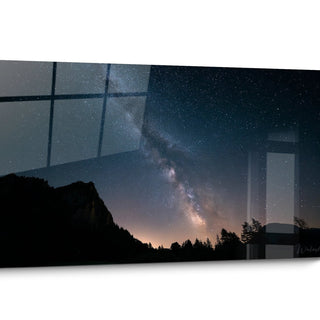 Starry Sky8
artworks
Starry Sky8
artworks
-
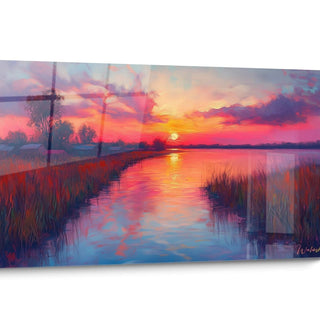 Sunset37
artworks
Sunset37
artworks
-
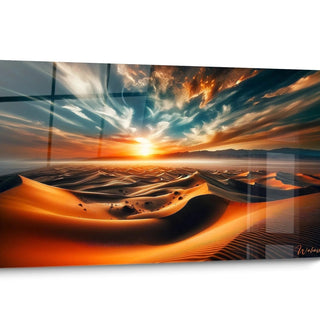 Desert82
artworks
Desert82
artworks
-
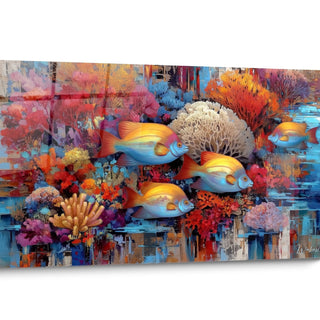 Underwater Depths38
artworks
Underwater Depths38
artworks
-
 Forest129
artworks
Forest129
artworks
-
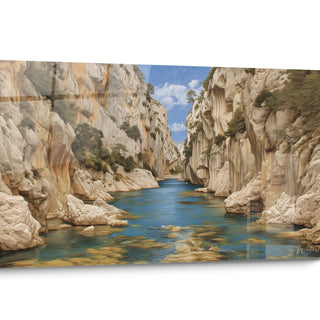 Gorges and Canyons41
artworks
Gorges and Canyons41
artworks
-
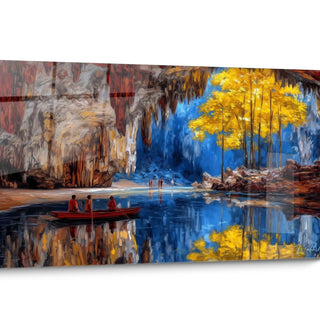 Natural Caves565
artworks
Natural Caves565
artworks
-
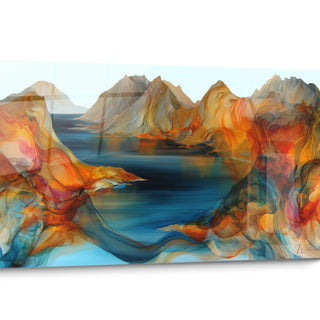 Islands and Archipelagos55
artworks
Islands and Archipelagos55
artworks
-
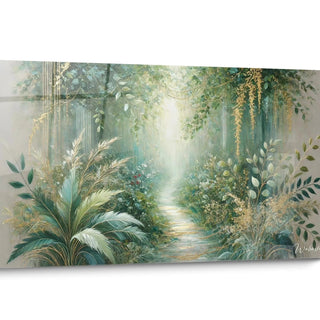 Jungle9
artworks
Jungle9
artworks
-
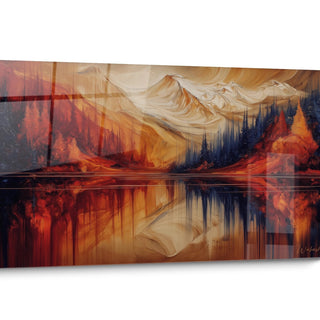 Lakes77
artworks
Lakes77
artworks
-
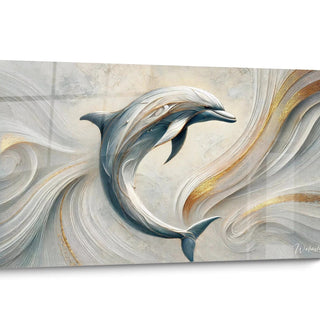 The World of the Sea189
artworks
The World of the Sea189
artworks
-
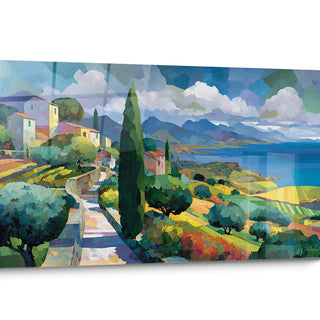 Marine71
artworks
Marine71
artworks
-
 Mountain218
artworks
Mountain218
artworks
-
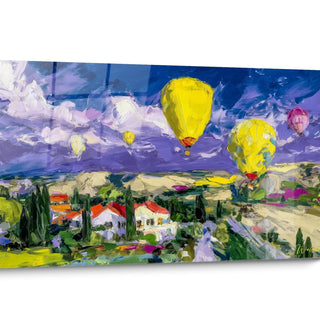 Hot Air Balloon5
artworks
Hot Air Balloon5
artworks
-
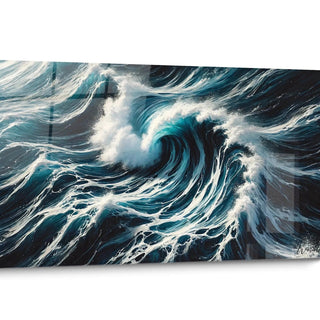 Ocean16
artworks
Ocean16
artworks
-
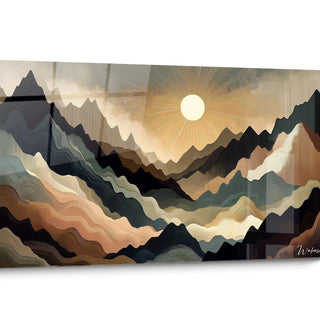 Abstract Landscape25
artworks
Abstract Landscape25
artworks
-
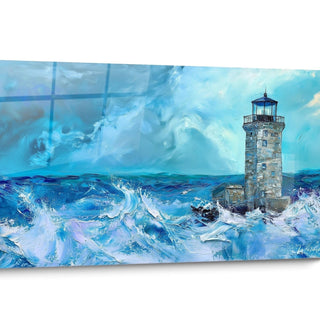 Lighthouses20
artworks
Lighthouses20
artworks
-
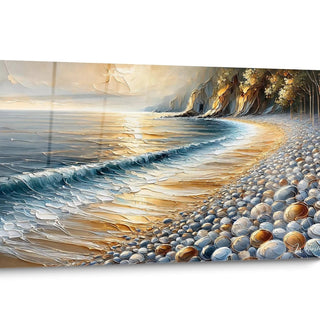 Beach105
artworks
Beach105
artworks
-
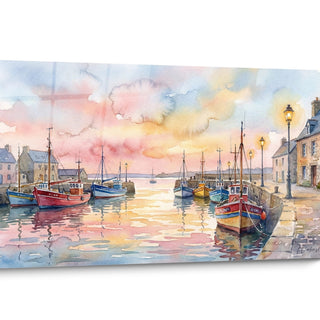 Ports19
artworks
Ports19
artworks
-
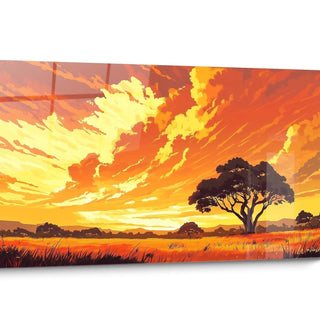 Savanna5
artworks
Savanna5
artworks
-
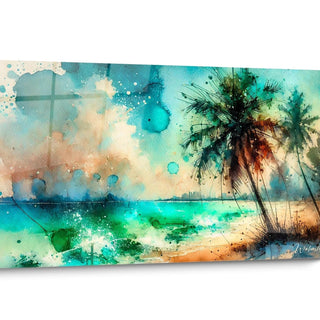 Tropics9
artworks
Tropics9
artworks
-
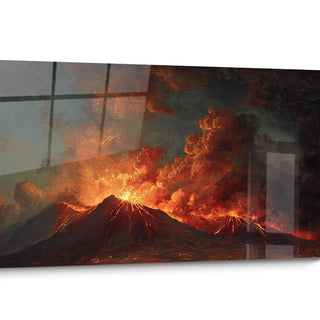 Volcanoes57
artworks
Volcanoes57
artworks
-
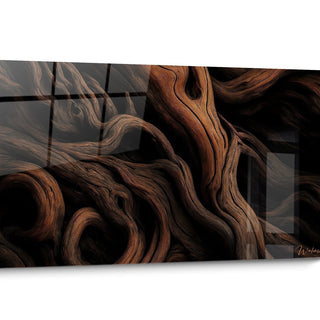 Aerial View17
artworks
Aerial View17
artworks


All about Sea Paintings
- Overview Seascape Painting
- Seascape Mediterranean ambiance
- Seascape marine decoration
- Seascape large format
Seascape paintings offer a unique visual escape, instantly transporting the viewer to soothing marine horizons. Unlike other wall art themes, a seascape captures the very essence of perpetual movement, infinite depth, and chromatic nuances that only marine landscapes can provide. These mural artworks stand out for their ability to transform the atmosphere of a room, bringing freshness, serenity, and openness to infinity. To enrich your interior decoration with breathtaking views of marine expanses, explore our collection of landscape paintings where sea and horizons meet in striking artistic compositions.
Seascape Painting: The Art of Inviting the Ocean into Your Interior
The irresistible appeal of a seascape painting lies in its unique ability to transform any interior space into a maritime haven of peace. Unlike other wall representations, marine landscapes capture the very essence of perpetual movement and simultaneous serenity that only the ocean can offer.
Why do seascape paintings create such a special atmosphere?
Marine representations stand out for their scientifically proven influence on our psychological well-being. Neuroscience has demonstrated that merely observing a marine landscape, even reproduced, activates the same brain regions as during actual ocean contemplation, releasing well-being hormones and significantly reducing cortisol levels. This neurological reaction exclusive to marine scenes explains why a seascape transcends mere decorative element to become a true mood regulator.
Invisible acoustics represent another fascinating characteristic unique to maritime paintings. Environmental psychology studies reveal that our brain associates the image of the sea so strongly with the sound of waves that the visual representation alone triggers a subliminal auditory perception, creating a sensation of sound soothing in the space. This phenomenon, called "passive maritime resonance", remains exclusive to ocean representations.
How do you perfectly integrate a seascape into different interior styles?
The exceptional chromatic adaptability distinguishes marine representations from other artistic themes. The natural palette of the sea offers a range of over 50 identifiable shades of blue, compared to only 15-20 for forest or mountain landscapes. This richness allows chromatic harmonization with virtually all existing decorative styles, from Scandinavian minimalism to Mediterranean maximalism.
In spaces with low ceilings, a horizontal seascape creates an "optical window" that visually pushes back architectural boundaries. This phenomenon of perceived spatial extension, particularly effective with marine horizons, can increase the sensation of space by up to 23% according to interior design studies – an effect impossible to reproduce with other themes.
Professional environments benefit particularly from large-format marine representations. Research in work psychology indicates that spaces integrating ocean views, even reproduced, record a 17% improvement in concentration and a 21% reduction in perceived work stress. This specific cognitive influence explains the growing presence of maritime paintings in contemporary work spaces.
What are the unique characteristics of marine representations in terms of lighting?
Dynamic reflectivity represents one of the most fascinating properties of seascape paintings. Unlike other pictorial subjects, reproduced marine surfaces react uniquely to variations in ambient light. This characteristic allows the same painting to present up to five distinct visual ambiances depending on the time of day, maximizing decorative investment.
Optimal orientation facing natural light sources is crucial for these works. Unlike most other themes that tolerate various positions, seascape paintings express their full potential when placed perpendicular to windows. This specific position allows capturing and reflecting natural light variations, recreating the characteristic shimmering effect of water surfaces.
For spaces with low natural light, representations of rough sea or foaming waves increase the sensation of perceived brightness. The physical phenomenon of "fractal reflectance" specific to these motifs allows amplifying perceived brightness in a dark room by up to 28%, creating a brightening effect impossible to obtain with other artistic subjects.
Seascape Painting: Exploring the Depths of Marine Decoration
Seascape paintings transcend mere decoration to become true emotional portals to marine expanses. Their unique ability to evoke both calm and perpetual movement makes them decorative elements with unequaled properties in contemporary wall art.
How does a seascape painting influence the emotional balance of a space?
The "blue resonance" phenomenon constitutes a property exclusive to marine representations. Research in neuroesthetics has established that the specific shades of blue found in oceans activate brain regions associated with relaxation with an intensity 37% higher than other blue hues. This particular neuronal stimulation explains why a maritime painting acts as an emotional regulator in living spaces.
The unique perceptual depth of marine scenes creates what interior designers call the "infinite horizon effect". Unlike other types of landscapes, the absence of a defined focal point in marine expanses allows the gaze to travel freely, reproducing the sensation of unlimited space. This characteristic makes seascape paintings ideal solutions for counterbalancing the spatial constraints of contemporary interiors.
Marine chromatic fluctuations offer a lively palette that few other artistic subjects can equal. A quality maritime painting typically captures between 15 and 25 distinct shades, creating a dynamic visual spectrum that naturally adapts to daily light variations. This tonal richness makes it an evolving decorative element that constantly renews the visual experience.
What are the unique considerations for seascape placement?
The optimal hanging height for marine representations differs significantly from conventional artistic standards. To maximize the "immersive effect" specific to ocean scenes, experts recommend positioning 15 to 20 cm lower than museum standards. This adaptation allows aligning the painting's horizon line with the natural field of vision, reinforcing the sensation of facing the ocean.
Geographic correspondence represents a singular approach in integrating maritime paintings. Rather than a simple aesthetic consideration, aligning the painting with actual geographic orientation (placing an Atlantic Ocean view on a western wall, for example) creates a subconsciously perceived biophilic coherence, reinforcing the authenticity of the visual experience.
Transition spaces such as hallways or entrances benefit particularly from dynamic marine representations. Behavioral studies show that scenes of waves or tides psychologically facilitate spatial transitions, reducing by 22% the perception of disruption between different domestic environments. This transitional property remains specific to aquatic representations.
What impact does the size of a seascape have on spatial perception?
The "marine window" effect manifests fully with large-format representations. When a seascape exceeds 120 cm in width, the brain begins treating it not as a mere decorative element but as an architectural extension. This perceptual phenomenon, particularly pronounced with marine horizons, creates a unique sensation of spatial enlargement to oceanic themes.
The optimal contemplation distance for seascape paintings follows a specific rule: for each meter of painting width, ideally provide 1.5 to 2 meters of viewing distance. This proportion allows fully capturing the panoramic effect without saturating the visual field, thus maximizing the immersive impact specific to marine expanses.
In small spaces, vertical seascape paintings create an astonishing "ascending effect" that few other subjects can generate. By capturing the vertical depth of waters, these compositions naturally draw the gaze upward, creating a sensation of elevation that effectively counterbalances the constraints of low ceilings or cramped spaces.
Large Format Seascape: Total Immersion in Marine Horizons
Large-format seascape paintings transform the decorative experience into true oceanic immersion. Their imposing presence in an interior space creates a visual and emotional impact without equivalent in the world of wall decoration.
Why choose an oversized seascape painting for maximum impact?
Total sensory immersion represents the major advantage of oversized marine paintings. Studies in environmental neurosciences reveal that when the marine image occupies more than 60% of the visual field, the brain shifts to "immersive mode", producing measurable physiological responses: slowed breathing, decreased blood pressure, and increased endorphin production. This phenomenon, particularly pronounced with marine scenes, explains the unique therapeutic effect of large-format ocean paintings.
Perceptual thermoregulation constitutes a fascinating and exclusive property of large marine representations. Research in environmental psychology has demonstrated that spaces integrating XXL seascape paintings benefit from perceived thermal modulation: in summer, the felt temperature can subjectively decrease by 2-3°C, while in winter, the unconscious association with tropical seas can warm thermal perception. This seasonal influence remains specific to marine scenes.
In spaces with disproportionate proportions (very high ceilings or narrow rooms), a large maritime painting acts as a perceptual architectural corrector. By immediately capturing visual attention, it diverts the gaze from spatial disproportions and rebalances the overall volumetric perception. This "spatial rebalancing" capacity proves particularly effective with infinite marine horizons.
How do large seascape paintings interact with a room's acoustics?
Sound absorption represents an underappreciated but significant benefit of large maritime paintings. Thanks to their extended surface and contemporary materials used, these artworks can absorb up to 12% of mid and high frequencies, notably improving the acoustics of modern spaces often too reverberant. This property makes XL marine formats particularly suitable acoustic correction elements for open-plan living spaces.
The "ocean murmur" refers to this unique psychoacoustic phenomenon where prolonged observation of a large marine format generates a subliminal auditory perception of marine sounds. This phenomenon of induced synesthesia, documented in neuropsychology, reinforces the multisensory experience and the power of escape exclusive to dimensional maritime representations.
Meeting rooms and professional spaces benefit particularly from integrating large marine formats. Studies in environmental management reveal that discussions conducted facing ocean representations show a 27% decrease in verbal markers of aggression and a 31% increase in compromise proposals. This positive behavioral influence remains specific to marine themes.
What technical considerations are specific to large-format seascape paintings?
Hygrometric stability constitutes an underappreciated but crucial advantage of large contemporary maritime paintings. Contrary to popular belief, these large-scale artworks act as humidity regulators, absorbing up to 9% of a room's hygrometric variations. This property makes them valuable allies in maintaining a balanced interior environment, particularly in coastal regions subject to humidity fluctuations.
Dedicated lighting represents an essential consideration for fully showcasing a large marine format. Unlike other artistic subjects that tolerate standardized lighting, ocean representations express their full potential under specific color temperatures (4500-5500K), recreating natural marine brightness. This particular lighting requirement maximizes the depth and brilliance characteristic of marine scenes.
When renewing decoration, "wall memory" represents a unique phenomenon with large formats. After removing an imposing seascape, the affected wall area retains a perceptual imprint that unconsciously influences the appreciation of any new work placed in the same spot. This memorial persistence, particularly strong with marine themes, justifies thorough reflection before any change.
FAQ Seascape Painting
What is the ideal size for a seascape in a standard living room?
For a living room of average dimensions (20-25m²), an optimal seascape measures between 120 and 150 cm in width. This proportion creates sufficient visual presence to generate the immersive effect characteristic of marine representations, without overwhelming the space. To maximize impact, prioritize a panoramic format where width exceeds height by at least 30%.
How to maintain a seascape painting long-term in a humid room?
Marine paintings installed in high-humidity environments (bathrooms, spas) require special attention. Prefer quarterly cleaning with a slightly moistened microfiber cloth using a white vinegar and water solution (90/10). Apply annually an anti-UV and anti-humidity protective spray specifically designed to preserve the intensity of ocean blues, particularly sensitive to humidity variations.
Can seascape paintings positively influence sleep?
Sleep medicine research confirms the positive influence of marine representations on sleep quality. A seascape installed in a bedroom can reduce falling-asleep time by 15-18% thanks to the activation of alpha brain waves associated with pre-relaxation. To maximize this effect, choose twilight or nocturnal marine scenes that promote natural melatonin production before bedtime.
Further reading


