

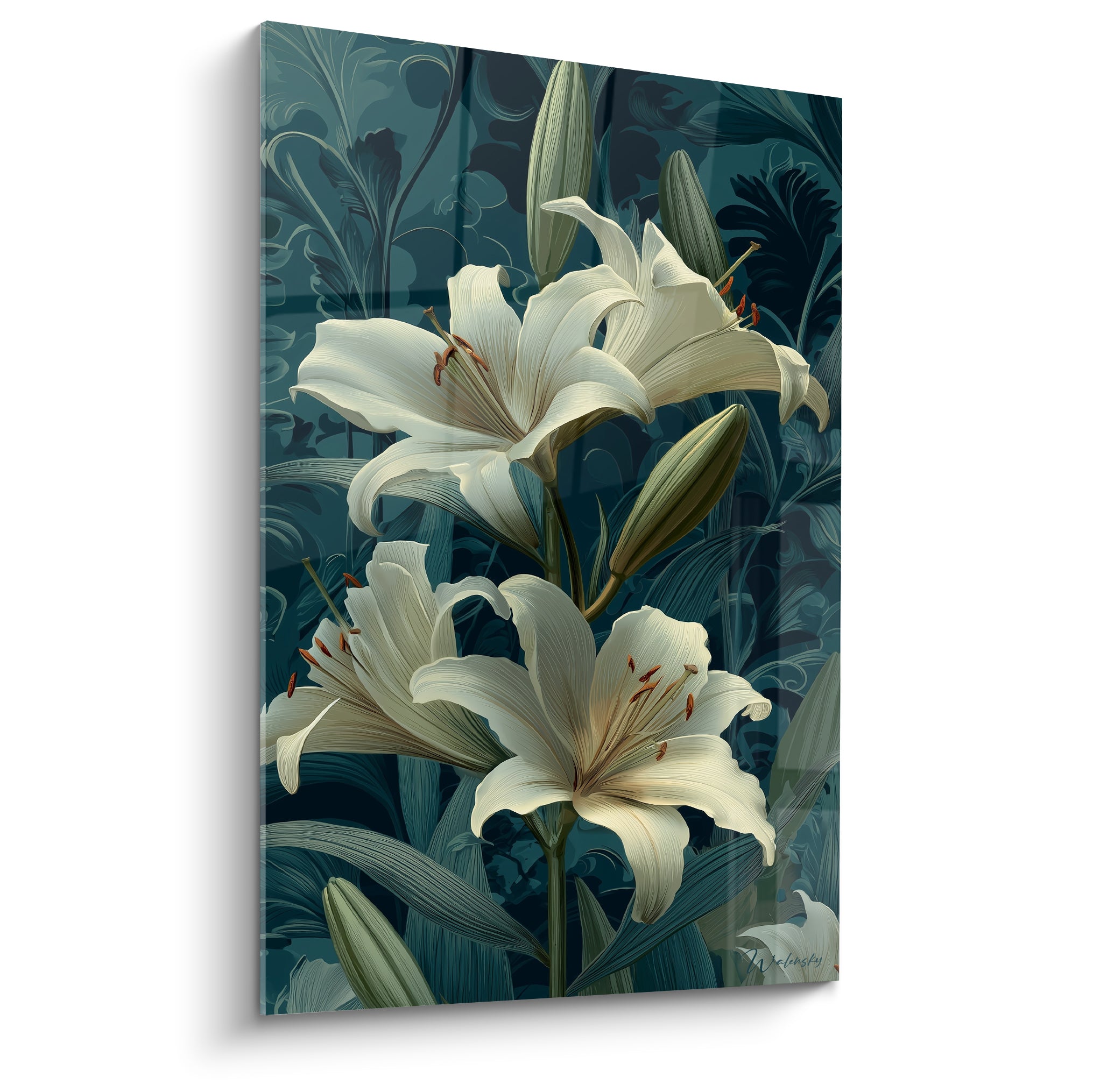







Modern Meeting Room Wall Art
Our Meeting room painting Modern collection transforms your professional spaces into places of inspiration and creativity. Each artwork has been carefully selected to bring a contemporary and elegant touch to your work environment. These artistic creations combine sophistication and dynamism, perfect for stimulating collaboration and impressing your partners. Discover visual compositions that reflect contemporary corporate art and enhance professional wall decoration.
 Heart of the Breeze Canvas - Abstract Boat Edition273,90 €
 Big Bang Artistic Dazzling Wall Art - Limited Edition🥇273,90 €
 Drums Wall Art No. 2 - Abstract Music Edition273,90 €
 Joy Tree Wall Art - Nature Tree Edition273,90 €
 Wall Art Close to the Skin - Abstract Face Edition273,90 €
 Fluid Golden Trees Abstract Painting - Abstract Edition273,90 €
 Fog Wall Art No. 1 - Landscape Edition273,90 €
 Birch Wall Art No. 2 - Nature Edition273,90 €
 Birch Painting No. 1 - Nature Edition 2273,90 €
 Baobab Painting No. 1 - Nature Edition273,90 €
 Golden Ballet Wall Art - Abstract Dancer Edition273,90 €
 Drums Painting No.1 - Abstract Music Edition273,90 €
 Chameleon Pop Art Painting - Pop Art Abstract Edition273,90 €
 Urban Mists Canvas - Black and White Abstract Edition273,90 €
 Torn Chords Painting - Abstract Music Edition273,90 €
 Azure Mist Wall Art - Abstract Seascape Edition273,90 €
 Midnight Blue Painting - Abstract Flower Edition273,90 €
 Rhythm of Colors Canvas - Abstract Music Edition273,90 €
 Pastel Aurora Wall Art - Abstract Edition273,90 €
 Floral Dawn Wall Art - Abstract Edition273,90 €
 Fire Tree Artwork - Abstract Colorful Edition273,90 €
 Cybernetic Aurora Painting - Abstract Edition273,90 €
 Modern Times Aurora Painting - Abstract Edition273,90 €
 Water Ballet Nuances Abstract Wall Art - Limited Edition273,90 €
Explore further
In Modern Meeting Room Wall Art
-
 Meeting Room Wall Art737
artworks
Meeting Room Wall Art737
artworks
-
 Abstract Meeting Room Wall Art24
artworks
Abstract Meeting Room Wall Art24
artworks
-
 Black and White Meeting Room Wall Art14
artworks
Black and White Meeting Room Wall Art14
artworks
-
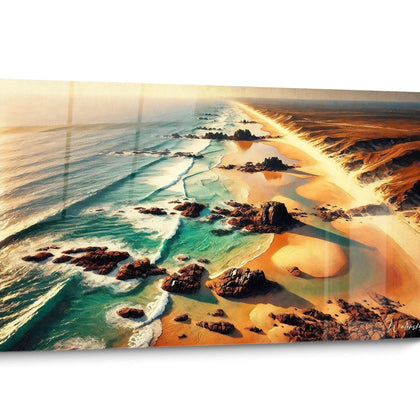 Golden Meeting Room Wall Art24
artworks
Golden Meeting Room Wall Art24
artworks
-
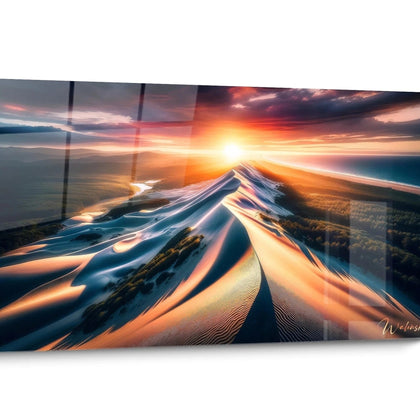 Meeting Room Zen Wall Art24
artworks
Meeting Room Zen Wall Art24
artworks
-
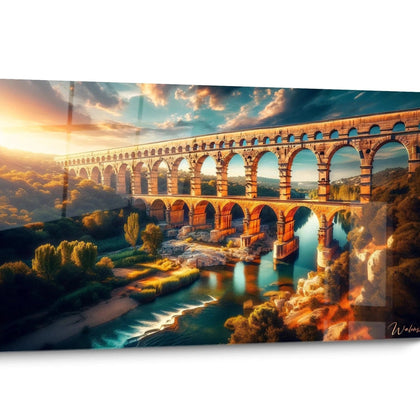 Meeting Room Landscape Wall Art24
artworks
Meeting Room Landscape Wall Art24
artworks
-
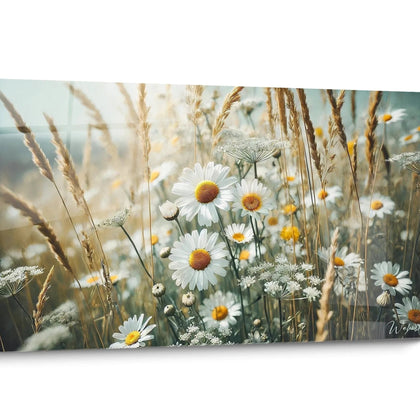 Meeting Room Flower Wall Art24
artworks
Meeting Room Flower Wall Art24
artworks
-
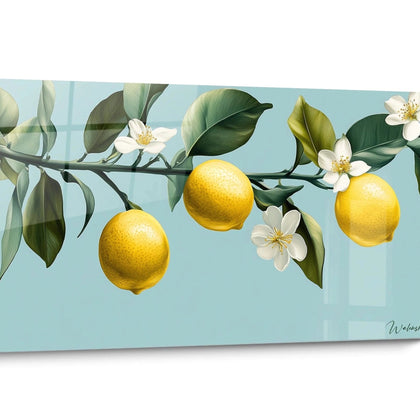 Blue Meeting Room Wall Art24
artworks
Blue Meeting Room Wall Art24
artworks
-
 Orange Meeting Room Wall Art21
artworks
Orange Meeting Room Wall Art21
artworks
-
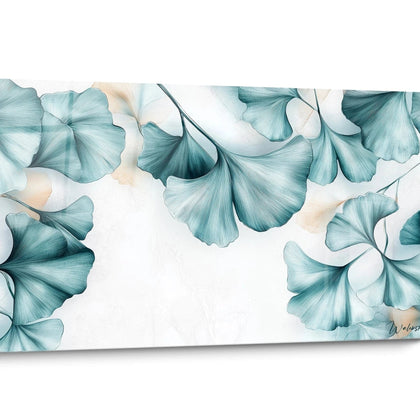 Minimalist Conference Room Wall Art19
artworks
Minimalist Conference Room Wall Art19
artworks
-
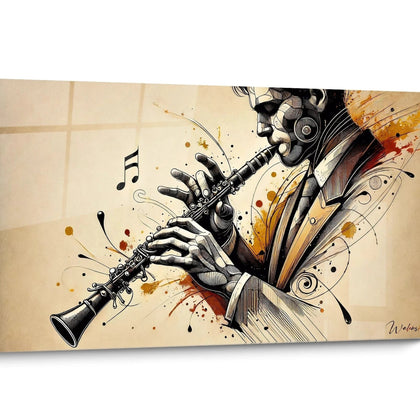 Meeting Room Wall Art Music11
artworks
Meeting Room Wall Art Music11
artworks
-
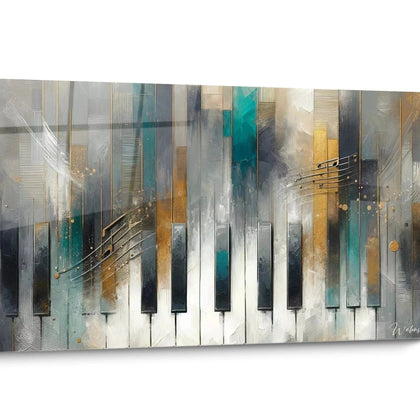 Geometric Meeting Room Wall Art7
artworks
Geometric Meeting Room Wall Art7
artworks
All about Modern Meeting Room Wall Art
- Presentation Meeting Room Painting Modern
- Professional Impact and Creativity
- Dynamic Decision-Making
- Corporate Environment
The modern meeting room painting represents a strategic decorative element in contemporary professional spaces, designed to transform the atmosphere of decision-making and collaboration areas. These large-format artworks embody the company's visual identity while stimulating concentration and productivity during collective work sessions. Unlike domestic spaces, conference rooms require visuals that reinforce professionalism without creating distractions, while reflecting the values of innovation and modernity of the organization.
The Psychological Influence of Visuals on Collective Performance
In corporate meeting spaces, the modern meeting room painting plays a decisive role in the quality of professional exchanges. Organizational neuroscience demonstrates that the visual environment directly influences team creativity and strategic decision-making. A clean visual with geometric lines promotes mental clarity, while dynamic compositions stimulate innovation during brainstorming sessions.
How does wall design impact commercial negotiations?
Commercial directors note that the visual layout of negotiation rooms influences the perception of a company's credibility. A large-format contemporary painting instantly conveys values of modernity and professional seriousness. Potential clients subconsciously evaluate a company's financial strength through its decorative choices. A well-cared-for decor with monumental works reinforces trust and facilitates the conclusion of strategic partnerships.
Cognitive Stimulation and Atmosphere Conducive to Innovation
Meeting spaces equipped with modern visuals generate a conducive atmosphere for creative sessions. Innovation departments now prefer visual compositions that break the monotony of traditional white walls. Contemporary abstract forms activate brain areas associated with lateral thinking, essential for solving complex problems. To enrich this visual dynamic, some companies integrate an abstract meeting room painting that captures attention without overloading the cognitive space of participants.
Visual Coherence with Corporate Identity
The choice of a modern wall painting for a meeting room is part of a global spatial branding strategy. Marketing departments now align the color palette of artworks with the institutional graphic charter. This visual continuity reinforces brand identity at every interaction with partners and collaborators. Monumental formats allow to assert a striking presence while respecting the aesthetic codes of the sector, whether it is finance, technology or strategic consulting.
Spatial Optimization and Dynamics of Strategic Meetings
The placement of a modern meeting room painting responds to specific visual ergonomics imperatives for decision-making spaces. Unlike individual offices, conference rooms simultaneously accommodate multiple perspectives with varying viewing angles. The strategic positioning of a large-format artwork facing the entrance immediately establishes the level of professional requirements, while a lateral placement subtly accompanies exchanges without monopolizing attention.
What criteria determine the ideal format for a board room?
Interior designers specializing in corporate fit-outs recommend dimensions proportional to the size of the conference table. For a room accommodating 12 to 20 participants, a modern painting of 150 to 200 centimeters creates an optimal visual impact without overwhelming the space. The rule of the upper third stipulates that the artwork occupies approximately one-third of the available wall height, ensuring a confident presence while preserving architectural balance. Premium executive rooms favor panoramic formats that follow the length of the main walls.
Acoustic Management and Visual Neutrality
Beyond aesthetics, a modern painting contributes to the acoustic improvement of meeting spaces. Large wall surfaces dressed reduce sound reverberation, a frequent problem in rooms equipped with reflective materials such as glass and metal. Facility managers note improved intelligibility during international video conferences thanks to this strategic wall covering. Minimalist compositions in neutral tones avoid visual interference with projected presentations, a crucial element for executive committees multiplying digital media.
Adaptation to Video Conferencing Technologies
The era of hybrid work imposes new constraints on meeting room layouts. The positioning of a contemporary painting must now integrate video conferencing cameras and their capture field. Real estate departments opt for lateral locations that enrich the background of participants without creating distractions for remote interlocutors. This harmonization between modern decor and technological infrastructure is becoming a differentiating criterion for companies caring about their professional image during virtual interactions with clients and investors.
Sustainable Investment and Valorization of Professional Spaces
Acquiring a modern meeting room painting constitutes a strategic investment in the patrimonial valuation of corporate real estate assets. Real estate appraisal firms now integrate the quality of interior layouts into their analysis grids, recognizing the direct impact on the attractiveness of office spaces. A refined decor with large-format contemporary artworks reduces vacancy rates and justifies premium rents in competitive business districts.
How does wall decor influence talent recruitment?
Human resources managers confirm that high-potential candidates evaluate the work environment from the first few minutes of the interview. A meeting room equipped with modern visuals instantly conveys a culture of a dynamic and employee well-being-focused company. Millennials and Generation Z, particularly sensitive to the aesthetics of workplaces, consider these elements as indicators of organizational innovation capacity. Investing in a large-format contemporary painting thus becomes a tangible employer branding tool.
Maintenance and Durability in High-Traffic Environments
Meeting spaces undergo intense daily use requiring resistant equipment. Facility managers prefer artworks designed with durable materials that withstand thermal variations related to professional air conditioning systems. Unlike residential spaces, conference rooms require decorative solutions requiring minimal maintenance while retaining their visual impact for several years. Anti-glare finishes preserve the readability of compositions even under high-intensity LED lighting standard in office buildings.
Flexibility and Visual Identity Evolution
Rebranding cycles require adaptability of decorative elements in strategic spaces. A modern painting with neutral tones offers this sought-after flexibility for general managers anticipating graphic charter evolutions. This chromatic neutrality allows to accompany several iterations of the visual identity without requiring systematic replacement, thus optimizing the decorative return on investment. Growing companies appreciate this adaptability that follows the evolution of their market positioning without complete rearrangement of representation spaces.
What painting style is suitable for a meeting room in the technology sector?
Tech companies favor clean compositions with geometric lines and monochrome palettes, reflecting values of innovation and precision. Horizontal panoramic formats harmonize perfectly with the open architecture of contemporary technology campuses.
How to integrate a modern meeting room painting into a multifunctional space?
Modular spaces benefit from artworks with balanced compositions that work as well in plenary meeting configurations as in restricted workshop formats. The thematic neutrality guarantees visual relevance regardless of the nature of the professional sessions hosted.
Why choose a monumental format for a modern meeting room?
Imposing dimensions create an immediate focal point that visually structures the space while asserting professional standing. This striking presence facilitates memorization of the environment by visitors, reinforcing the impact of strategic meetings over time.
Further reading


