


Orange Meeting Room Wall Art
The Meeting room painting Orange transforms your professional spaces into places of inspiration and creativity. This exclusive collection combines the vibrant energy of orange with sophisticated artistic compositions, perfectly suited for collaborative workspaces. Each creation stimulates communication and productivity while bringing a touch of warmth to your professional wall decoration. Ideal for energizing your offices and creating a motivating atmosphere during your strategic meetings.
 Big Bang Artistic Dazzling Wall Art - Limited Edition🥇273,90 €
 Chimera Cubist Painting - Sensual Abstract Edition273,90 €
 Drums Wall Art No. 2 - Abstract Music Edition273,90 €
 Silhouettes Dance Wall Art - Cubism Abstract Edition273,90 €
 Cabin Artwork No. 1 - Landscape Edition273,90 €
 Dahlia Painting No.3 - Nature Edition273,90 €
 Pumpkin Painting No. 1 - Nature Edition273,90 €
 Mushroom Painting No.2 - Nature Edition273,90 €
 Mushroom Painting No.1 - Nature 2 Edition273,90 €
 Baobab Painting No. 1 - Nature Edition273,90 €
 Drums Painting No.1 - Abstract Music Edition273,90 €
 Golden Pumpkins Wall Art - Autumn Landscape Edition273,90 €
 Desert Twilight Canvas - Sunset Landscape Edition273,90 €
 Chameleon Pop Art Painting - Pop Art Abstract Edition273,90 €
 Amber Softness Wall Art - Abstract Seascape Edition273,90 €
 Meadow Song Canvas - Abstract Flower Edition273,90 €
 Aerial Dance Canvas - Abstract Acrylic Edition273,90 €
 Golden Reflections City Wall Art - Abstract Edition273,90 €
 Fire Tree Artwork - Abstract Colorful Edition273,90 €
 Timeless Mechanical Complexity Canvas - Abstract Geometric Edition273,90 €
 Cosmic Viscosity Wall Art - Multicolor Abstract Edition273,90 €
Explore further
In Orange Meeting Room Wall Art
-
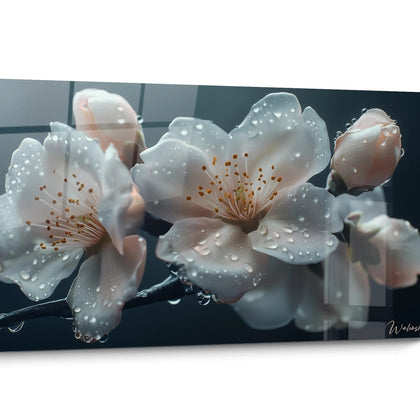 Meeting Room Wall Art737
artworks
Meeting Room Wall Art737
artworks
-
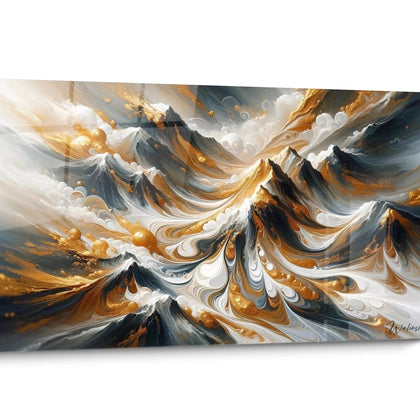 Abstract Meeting Room Wall Art24
artworks
Abstract Meeting Room Wall Art24
artworks
-
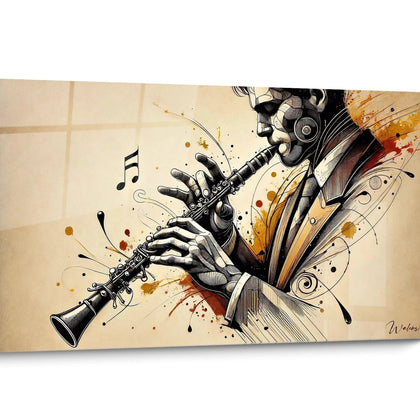 Black and White Meeting Room Wall Art14
artworks
Black and White Meeting Room Wall Art14
artworks
-
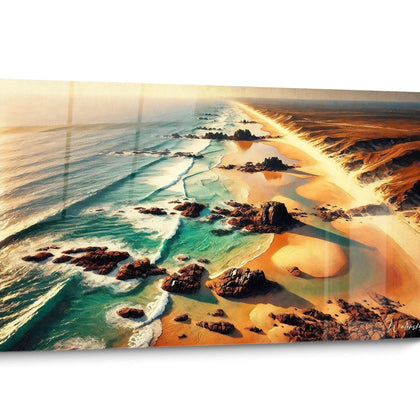 Golden Meeting Room Wall Art24
artworks
Golden Meeting Room Wall Art24
artworks
-
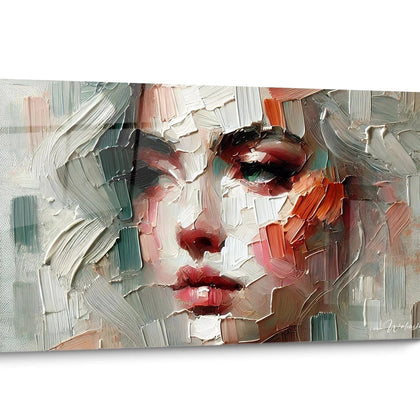 Modern Meeting Room Wall Art24
artworks
Modern Meeting Room Wall Art24
artworks
-
 Meeting Room Zen Wall Art24
artworks
Meeting Room Zen Wall Art24
artworks
-
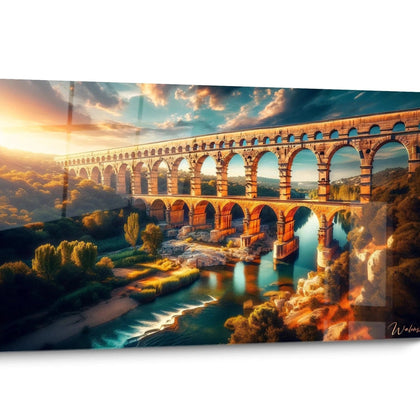 Meeting Room Landscape Wall Art24
artworks
Meeting Room Landscape Wall Art24
artworks
-
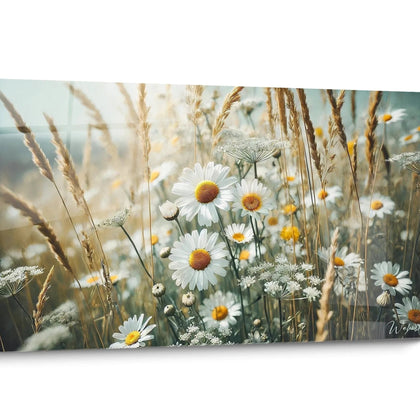 Meeting Room Flower Wall Art24
artworks
Meeting Room Flower Wall Art24
artworks
-
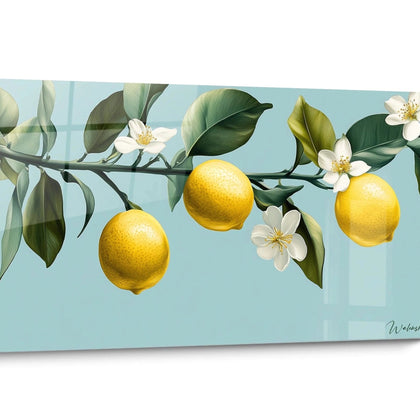 Blue Meeting Room Wall Art24
artworks
Blue Meeting Room Wall Art24
artworks
-
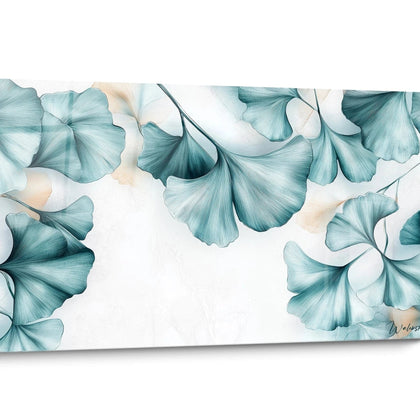 Minimalist Conference Room Wall Art19
artworks
Minimalist Conference Room Wall Art19
artworks
-
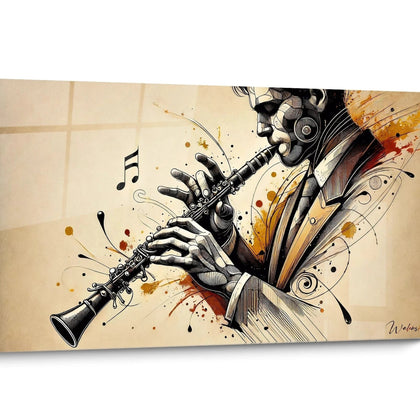 Meeting Room Wall Art Music11
artworks
Meeting Room Wall Art Music11
artworks
-
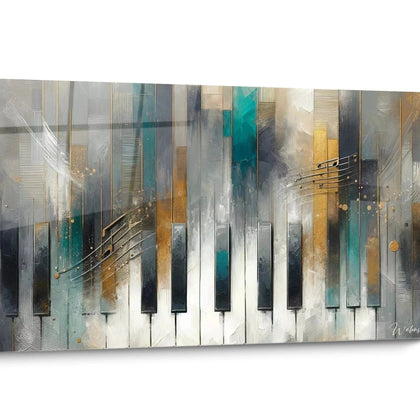 Geometric Meeting Room Wall Art7
artworks
Geometric Meeting Room Wall Art7
artworks
All about Orange Meeting Room Wall Art
- Painting Presentation Orange
- Orange in Meeting Room
- Impact on Productivity
- Corporate Environment
Transforming a meeting room into a dynamic collaborative space requires careful consideration of the psychological impact of colors. The meeting room painting orange stands out as a strategic decorative element in modern professional environments. This energizing hue stimulates collective creativity and promotes participant engagement during collaborative work sessions. Innovative companies now integrate this chromatic dimension into their space planning strategy. The use of wall decoration in warm tones responds to specific objectives of organizational performance and team dynamism. The large dimensions of these wall creations maximize their visual presence and amplify their psychological effect on all collaborators.
Orange as a Catalyst for Productive Meetings
Why does orange stimulate professional exchanges?
The meeting room painting orange activates brain areas related to enthusiasm and rapid decision-making. This warm color creates an atmosphere conducive to brainstorming and strategic sessions where innovation must emerge quickly. Neuroscience demonstrates that orange shades increase collective concentration while reducing interpersonal tensions during complex negotiations.
In boardrooms, this energizing tone combats the monotony of prolonged meetings. It maintains an optimal level of attention even during budget presentations or quarterly reviews. CEOs observe a measurable improvement in active participation when their meeting space integrates this strategic chromatic dimension.
Visual intensity adapted to large corporate spaces
The monumental formats of orange wall creations naturally impose themselves in meeting rooms of 40 to 80 square meters. Their architectural presence compensates for the significant volumes and high ceilings characteristic of executive decision-making spaces. Chromatic saturation must be calibrated according to natural light exposure and room orientation.
Facilities management professionals prefer artworks whose width exceeds 180 centimeters to create an effective focal point facing conference tables. This generous scale visually balances imposing technological equipment such as videoconferencing screens and projection systems. For more varied atmospheres, also consider an abstract meeting room painting which brings a complementary contemporary dimension.
Chromatic synergies with corporate identity
Integrating an orange wall painting into a meeting room often aligns with a broader spatial brand design approach. Technology companies and creative agencies use this hue to reinforce their innovative positioning. Terracotta or mandarin shades harmonize particularly well with graphic charts including neutral gray or beige tones.
Corporate interior architects recommend combining this dominant color with furniture with clean lines in metallic or dark wood finishes. This combination avoids visual overload while maintaining a professional and stimulating atmosphere for executive committees and client presentations.
Psychological Impact on Collective Performance
How does orange influence group dynamics?
The orange meeting room painting acts as an emotional regulator during confrontations of ideas and conflict resolution phases. This color facilitates the expression of divergent opinions without excessive aggression, creating a safe framework for disruptive innovation. Organizational psychologists observe a significant reduction in creative blocks in environments integrating this energizing chromaticity.
Multicultural teams particularly benefit from this warm atmosphere that transcends cultural barriers. Orange has an almost universal symbolic value of openness and conviviality, facilitating international workshops and design thinking sessions. HR managers note an improvement in the sense of belonging during strategic seminars held in these optimized spaces.
Optimizing meeting cycles according to biological rhythms
The intrinsic luminosity of orange hues compensates for natural energy dips in the afternoon. A large orange wall painting maintains a constant level of vigilance during weekly committee meetings scheduled between 2 PM and 4 PM. This decorative solution avoids systematic recourse to coffee breaks to revitalize collective attention.
Neuroscience applied to workspaces demonstrates that this color activates the production of dopamine, an essential neurotransmitter for motivation and perseverance. Quarterly strategic planning sessions gain in decisional efficiency thanks to this stimulating yet non-aggressive chromatic environment.
Memorization of decisions and formalization of commitments
The visual association between a striking orange decorative element and the decisions made facilitates the memorization of collective commitments. Participants more precisely remember the resolutions voted in a visually distinctive environment. This spatial anchoring reinforces individual accountability for objectives defined in a group.
Project managers strategically use this particularity for meetings launching critical programs. The chromatic environment then becomes a cognitive landmark associated with important decision-making moments, creating a memory continuity between the different phases of the project.
Integration into Contemporary Corporate Architectures
Compatibility with LEED and WELL environmental standards
The choice of an orange meeting room painting is in line with the certification processes of tertiary buildings focused on occupant well-being. WELL Building Standard reference frameworks value chromatic interventions that promote vitality and emotional balance for users. This holistic approach to space planning recognizes the direct impact of the visual environment on organizational health.
Real estate developers marketing premium office buildings now integrate these considerations from the design phase. Turnkey meeting rooms frequently include wall decorative solutions in dynamic colors calibrated by environmental psychology experts. This added value differentiates the real estate offering in saturated tertiary markets.
Adaptability to agile organizational changes
Companies adopting flexible working methodologies require versatile meeting spaces. A large-scale orange decorative element remains relevant whether it is sprint planning, scrum retrospectives, or portfolio reviews. This functional neutrality justifies the investment in a durable decorative piece despite frequent reorganizations.
Digital transformation leaders observe that these stable visual markers provide psychological reassurance during periods of profound organizational change. As teams, processes, and tools evolve rapidly, the identifiable physical environment offers essential stabilizing reference points for change acceptance.
What technical criteria for a durable investment?
Selecting an orange wall art for meeting rooms requires assessing its resistance to temperature variations generated by professional air conditioning systems. Formats exceeding 200 centimeters in width must exhibit structural stability guaranteeing their integrity against equipment vibrations. Facilities managers prefer solutions requiring minimal maintenance compatible with tertiary cleaning protocols.
Evaluating chromatic durability against exposure to high-intensity LED lighting is a determining criterion. Executive meeting rooms operate daily with sustained light levels, potentially accelerating pigment degradation. Specialized suppliers now guarantee color stability for 10 to 15 years for premium professional installations.
FAQ - Orange Meeting Room Wall Art
Is an orange meeting room wall art suitable for traditional financial sectors?
Banking institutions and audit firms are gradually adopting this chromatic for their innovation and digital transformation spaces, while maintaining neutral tones in classic advisory rooms. Orange visually signals areas dedicated to experimentation and a break from conventional approaches.
How to size an orange meeting room wall art for 12 people?
For a standard configuration accommodating twelve participants around a 4-meter table, prioritize a minimum width of 160 centimeters to create a proportionate visual impact. The optimal height is between 100 and 130 centimeters to balance the main wall without overwhelming the space.
Do the orange hues of the meeting room wall art influence differently according to cultures?
While orange retains a universally energizing connotation, Asian teams associate it with notions of prosperity particularly valued, while Northern European collaborators perceive more of the innovative and non-conformist aspect. This cultural polysemy generally enriches interpretations without creating rejection.
Further reading


