


Meeting Room Zen Wall Art
Our Zen Meeting Room Artwork collection transforms your professional spaces into havens of serenity conducive to concentration and creativity. Inspired by Japanese minimalist art, this exclusive selection of artworks brings a harmonious and elegant zen office decor. Each creation evokes tranquility through purified compositions, soft tones, and soothing natural motifs. Ideal for creating a relaxing atmosphere in the workplace, this collection promotes a serene and productive work environment.
 Waterfall Artwork No.3 - Landscape Edition273,90 €
 Waterfall Painting No.2 - Landscape Edition273,90 €
 Waterfall Painting No.1 - Landscape Edition273,90 €
 Boxwood Wall Art No. 1 - Nature Edition273,90 €
 Birch Wall Art No. 2 - Nature Edition273,90 €
 Birch Painting No. 1 - Nature Edition 2273,90 €
 Baobab Painting No. 1 - Nature Edition273,90 €
 Arum Wall Art No. 3 - Nature Edition273,90 €
 Arum Painting N°2 - Nature Edition273,90 €
 Arum Painting N°1 - Nature Edition273,90 €
 Spring Brilliance Wall Art - Spring Landscape Edition273,90 €
 Light Cascade Wall Art - Nature Waterfall Edition273,90 €
 Golden Cascade Canvas - Cascade Nature Edition273,90 €
 Airy Softness Wall Art - Feather Nature Edition273,90 €
 Timeless Tree Wall Art - Nature Tree Edition273,90 €
 Natural Softness Wall Art - Flower Nature Edition273,90 €
 Landscape wall art N°1 - Landscape edition273,90 €
 Azure Mist Wall Art - Abstract Seascape Edition273,90 €
 Echoes of the Open Sea - Abstract Boat Painting Edition273,90 €
 Botanical Lace Wall Art - Nature Edition273,90 €
 Pastel Aurora Wall Art - Abstract Edition273,90 €
 Floral Dawn Wall Art - Abstract Edition273,90 €
 Dawn Over Eternal Dunes - Signature Edition273,90 €
 Beautiful Escape in Lost Paradise Painting - Landscape Edition273,90 €
Explore further
In Meeting Room Zen Wall Art
-
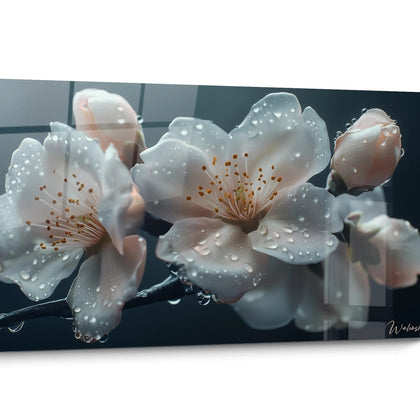 Meeting Room Wall Art737
artworks
Meeting Room Wall Art737
artworks
-
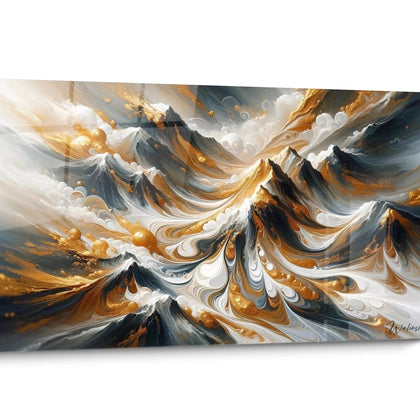 Abstract Meeting Room Wall Art24
artworks
Abstract Meeting Room Wall Art24
artworks
-
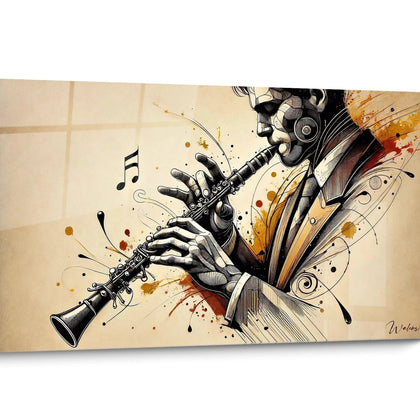 Black and White Meeting Room Wall Art14
artworks
Black and White Meeting Room Wall Art14
artworks
-
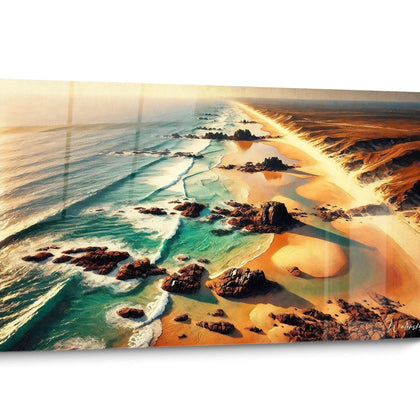 Golden Meeting Room Wall Art24
artworks
Golden Meeting Room Wall Art24
artworks
-
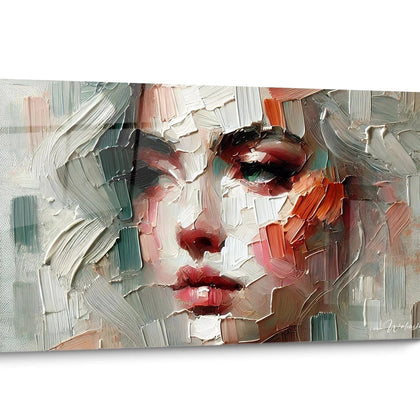 Modern Meeting Room Wall Art24
artworks
Modern Meeting Room Wall Art24
artworks
-
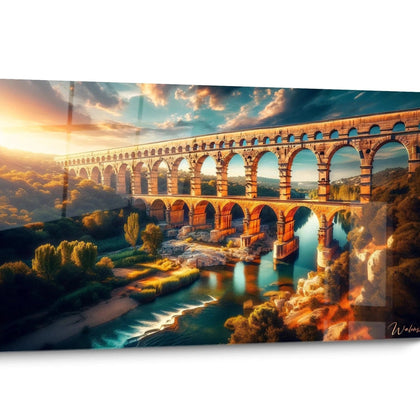 Meeting Room Landscape Wall Art24
artworks
Meeting Room Landscape Wall Art24
artworks
-
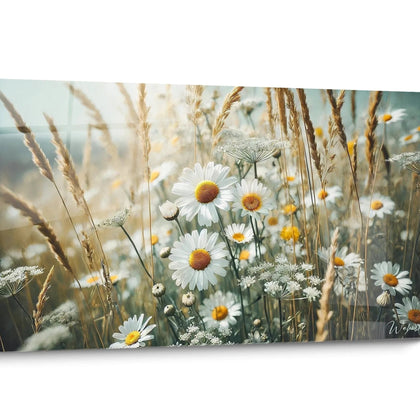 Meeting Room Flower Wall Art24
artworks
Meeting Room Flower Wall Art24
artworks
-
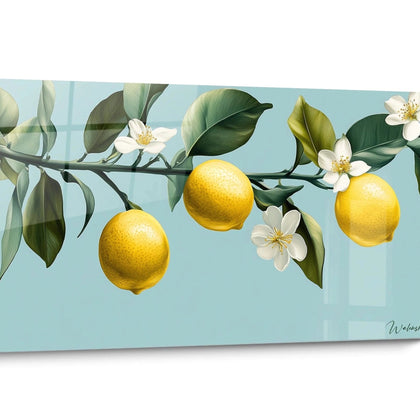 Blue Meeting Room Wall Art24
artworks
Blue Meeting Room Wall Art24
artworks
-
 Orange Meeting Room Wall Art21
artworks
Orange Meeting Room Wall Art21
artworks
-
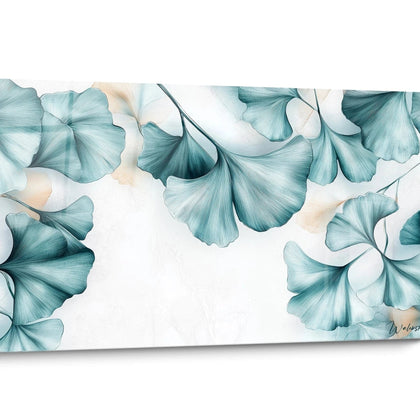 Minimalist Conference Room Wall Art19
artworks
Minimalist Conference Room Wall Art19
artworks
-
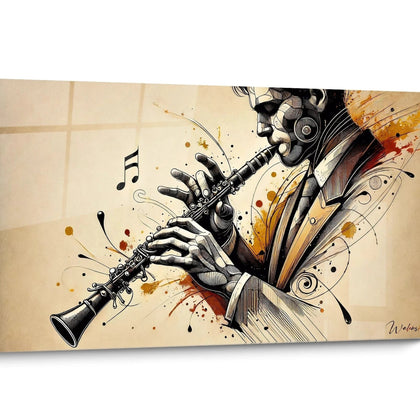 Meeting Room Wall Art Music11
artworks
Meeting Room Wall Art Music11
artworks
-
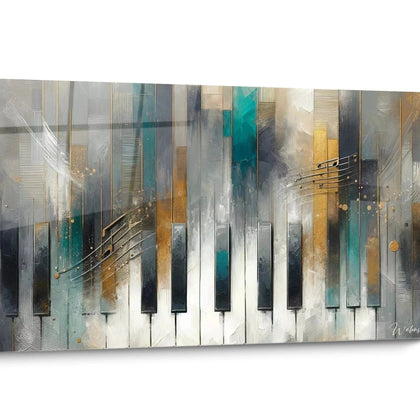 Geometric Meeting Room Wall Art7
artworks
Geometric Meeting Room Wall Art7
artworks
All about Meeting Room Zen Wall Art
- Presentation Zen Painting
- Calming the Professional Environment
- Zen Collaboration Spaces
- Performance and Wellbeing
A Zen meeting room painting radically transforms the atmosphere of your professional dialogue spaces. In a context where meeting fatigue and collective stress directly impact productivity, integrating visually soothing elements becomes a tangible managerial strategy. These large-scale wall compositions diffuse an immediate serenity, reducing tensions prior to complex negotiations or intensive brainstorming sessions. Zen aesthetics applied to meeting rooms is based on principles of visual simplification, asymmetrical balance, and desaturated color palettes that promote mental clarity. Unlike visually cluttered environments, a zen painting creates a meditative focal point that refocuses collective attention without distraction. HR departments and space planning directors are now seeking these visual solutions to humanize their strategic decision-making areas and improve workplace wellbeing.
The Art of Neutralizing Decision-Making Stress Through Zen Aesthetics
The paintings for meeting rooms Zen act as mood regulators in spaces where tensions and professional stakes are concentrated. When teams meet to discuss sensitive issues or strategic decisions, the visual environment plays a neurological role demonstrated in the management of collective cortisol. A large-scale zen composition, positioned facing the participants or in the background of the manager, diffuses visual codes of calm that counterbalance the intensity of discussions.
Why do neutral tones promote collective concentration?
The desaturated palettes characteristic of zen aesthetics – mineral beiges, pearl grays, off-whites, tea greens – reduce excessive visual stimulation that fragments attention. In a meeting room, each competing visual element solicits the cognitive resources of the participants. A large-scale zen painting unifies the space through its chromatic sobriety, allowing the brain to remain focused on the exchanges rather than on environmental analysis. This attentional economy becomes decisive during meetings lasting more than 90 minutes.
Minimalist Compositions and Decision-Making Psychology
The asymmetrical balance typical of zen paintings – a stone, a branch, an empty space – evokes the philosophy of ma, that fertile interval where creative solutions are born. In strategic meetings, these visual negative spaces unconsciously encourage divergent thinking and tolerance for reflective silence. Sales teams facing tense negotiations note that these soothing visual elements prolong reflection times and reduce impulsive decisions. For those seeking a complementary alternative, the Abstract meeting room painting offers a different conceptual approach while maintaining visual sobriety.
The Physiological Impact of Natural Motifs
Bamboo, stacked pebbles, cherry blossoms, stylized waves: the recurring motifs of zen compositions activate the parasympathetic response of the nervous system. This visual biophilia, even abstract, measurably reduces blood pressure and muscle tension in participants. In boardrooms where major orientations are decided, this deactivation of the fight-or-flight mode facilitates constructive listening and collaboration. A painting of at least 120x80 cm guarantees this sufficient calming presence for a space accommodating 8 to 12 people.
Creating Brainstorming Spaces That Foster Collective Intelligence
Co-creation zones and meditative atmosphere
The Zen meeting room paintings of monumental format transform brainstorming spaces into sanctuaries of calmed creativity. Contrary to the common belief that creativity requires stimulation and chaos, cognitive neuroscience research demonstrates that innovation emerges more from alpha brain states – these frequencies associated with awakened relaxation. A large zen format, with its clean horizons and meditative compositions, induces precisely this neurologically optimal state. Creative agencies and innovation labs install these artworks in their war rooms to facilitate transitions between intense ideation phases and moments of collective synthesis.
How to harmonize diversity of opinions and visual cohesion?
During collaborative sessions bringing together varied profiles – financial, creative, operational – differences in perspective can create unproductive friction. A Zen painting acts as a symbolic unifying element: its universal simplicity transcends differences in professional background. The choice of a composition representing a raked Zen garden, for example, evokes the iterative process of continuous improvement understood by all. This common visual reference facilitates alignment despite differences, creating a neutral psychological terrain where contributions converge.
Workshop spaces and collective energy management
Creative marathons and strategic seminars often extend over several hours, generating mental fatigue and decreased engagement. Positioning a monumental Zen painting facing the group creates a visual anchor point towards which eyes naturally turn during micro-cognitive pauses. These moments of “lost gaze”, far from being unproductive, allow for memory consolidation and unconscious information processing. Zen aesthetics, unlike dynamic or complex visuals, does not over-stimulate during these pauses but offers active rest to the prefrontal cortex. Formats of 150x100 cm are ideal for rooms accommodating more than 15 participants during these extended sessions.
Architectural acoustics and visual balance
Modern meeting rooms often suffer from sound reverberations that fatigue and irritate during prolonged exchanges. While the Zen painting does not directly improve acoustics, its calming presence psychologically compensates for the auditory discomfort. Participants subjectively report less sound-related discomfort when the visual environment is harmonious. This multisensory compensation is part of the holistic design strategies for next-generation professional collaboration spaces.
Optimize Decision-Making Performance Through the Visual Environment
Boardrooms and aesthetic legitimacy
In executive floors where board meetings and executive committees are held, decorative choices implicitly communicate organizational values. A Zen meeting room painting of imposing dimensions signals a corporate culture valuing balance, strategic reflection, and measured decisions rather than impulsive reactivity. External administrators and investors unconsciously interpret these environmental signals when evaluating governance. An authentic Zen composition – monochrome bamboo grove, calligraphed ensō circle, misty mountain landscape – evokes wisdom and long-term perspective, qualities sought in corporate governance.
Can absenteeism be reduced through Zen design?
Studies on well-being at work establish a correlation between the quality of the environment and employee engagement. Meeting rooms perceived as anxiety-inducing or oppressive generate avoidance and strategic absenteeism. Conversely, professional spaces integrating zen elements – including soothing wall paintings – see their voluntary usage rate increase. Managers report that these redesigned rooms become sought-after places rather than avoided, transforming the dynamics of interactions. This spatial attractiveness contributes indirectly to the reduction of disengaged presenteeism and convenient absenteeism.
Crisis management and stabilizing decision-making environments
During crisis situations requiring crisis management cells and decision-making under extreme pressure, the immediate environment directly influences the quality of judgment. Zen paintings in large format installed in these strategic emergency rooms offer a visual counterbalance to informational chaos. Their serene stillness, balanced compositions, and references to enduring nature anchor decision-makers psychologically in an expanded timeframe, reducing panic biases and promoting rational analysis. Command centers of companies exposed to risks systematically integrate these stabilizing visual elements.
Mediation spaces and visual neutrality
Rooms dedicated to social mediation, union negotiations, or internal conflict resolution require absolute environmental neutrality. A large-scale zen painting offers this visual impartiality: no dominant cultural connotation, no aggressive corporate symbolism, just a universal invitation to calm. Professional mediators prefer these compositions to symbolically disarm defensive postures and create a psychological space where compromise becomes conceivable. This pacificatory function justifies the investment in formats of 140x90 cm minimum, guaranteeing a significant presence.
Is a Zen painting for meeting rooms suitable for traditional financial sectors?
Absolutely. Financial institutions are discovering that zen aesthetics do not contradict professional rigor but enrich it. A sober and monumental zen painting in a trading or risk analysis room communicates emotional control and strategic vision, essential qualities in these professions where hasty decisions are costly. Zen minimalist sophistication rivals traditional ostentatious luxury.
What is the difference between a Zen painting and a simple calming decoration for meeting rooms?
A true zen painting respects codified aesthetic principles: balanced asymmetry, meaningful negative space, restricted palette, reference to nature or contemplative philosophy. Generic calming decoration can visually relax without conveying this conceptual depth that engages a different reflection. The philosophical dimension of zen transforms the painting into an indirect management tool rather than a simple embellishment.
Do large-scale Zen paintings risk appearing impersonal in a meeting room?
It is precisely their strength: in a professional space for collective decision-making, relative impersonality allows each person to project their own interpretation without imposing an individual taste. This inclusive neutrality favors the collective appropriation of the space. Zen offers presence without domination, character without exclusion, sophistication without elitism – an ideal balance for demanding collaborative environments.
L'art qui suscite l'envie
Maison belge d'art mural grand format
14 jourspour changer d'avis*
Protection Walenskyincluse
Fabriquéen Italie
FormatXXL
Kit de fixationtoujours fourni
* Hors tableaux personnalisés et tailles personnalisées


