

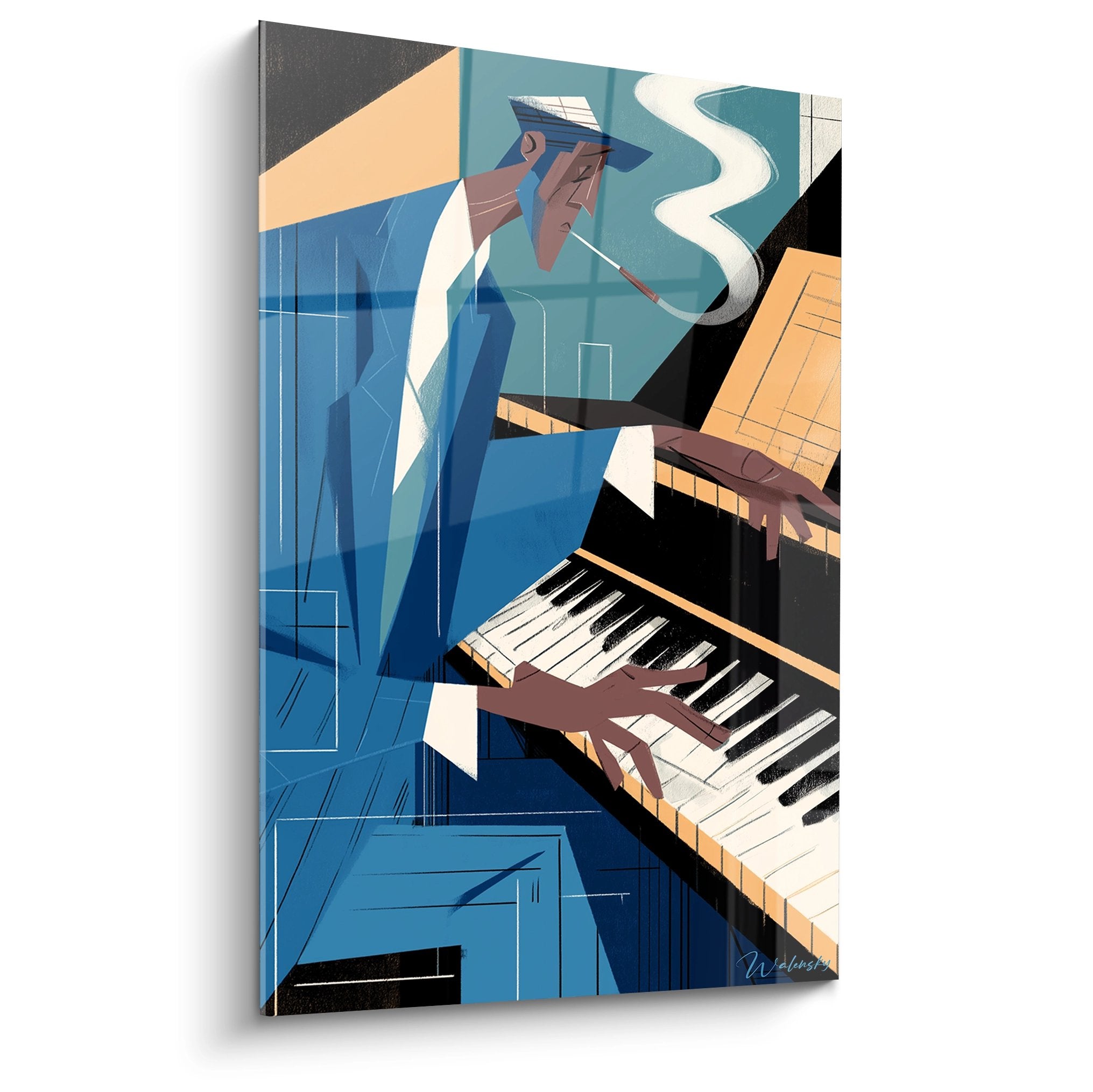
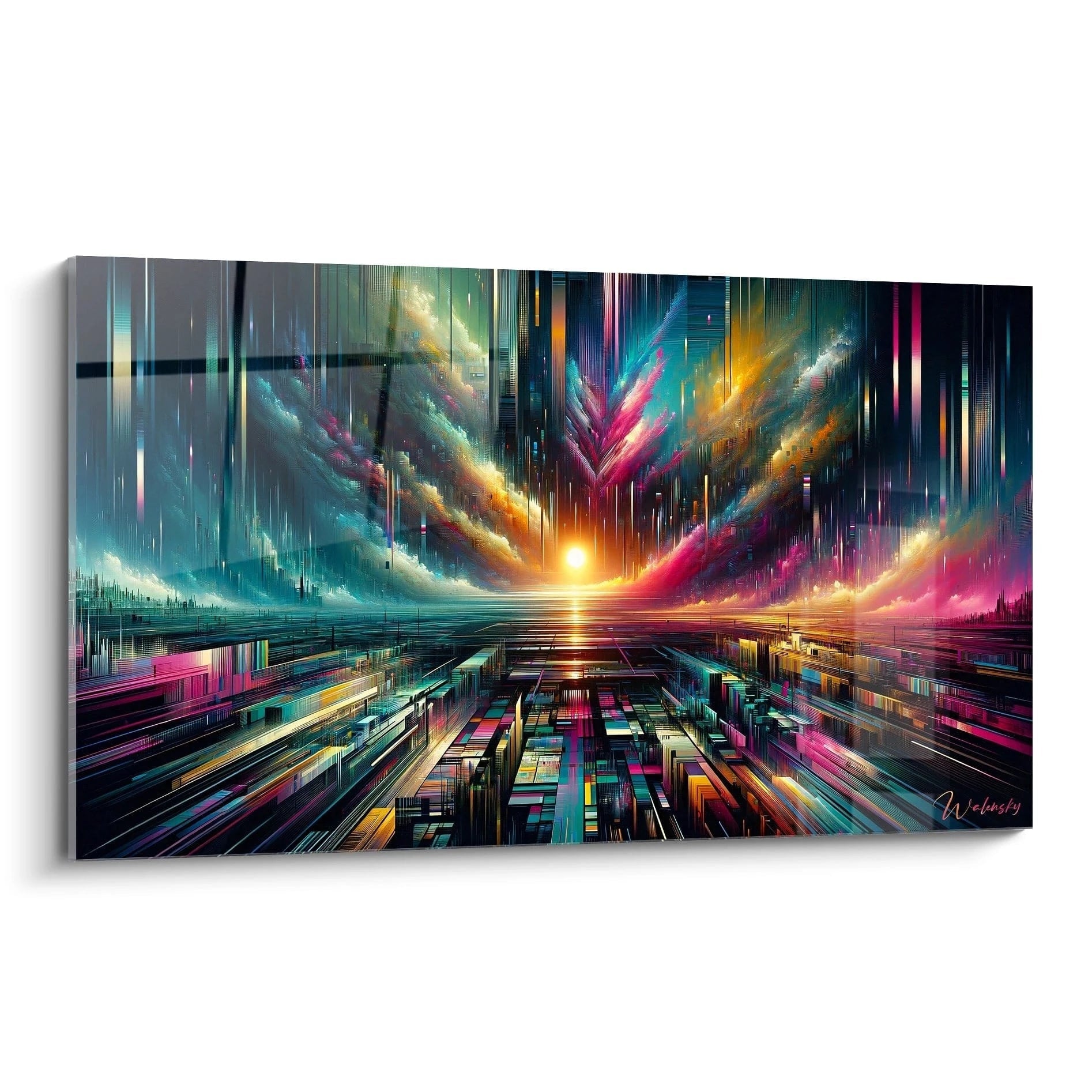
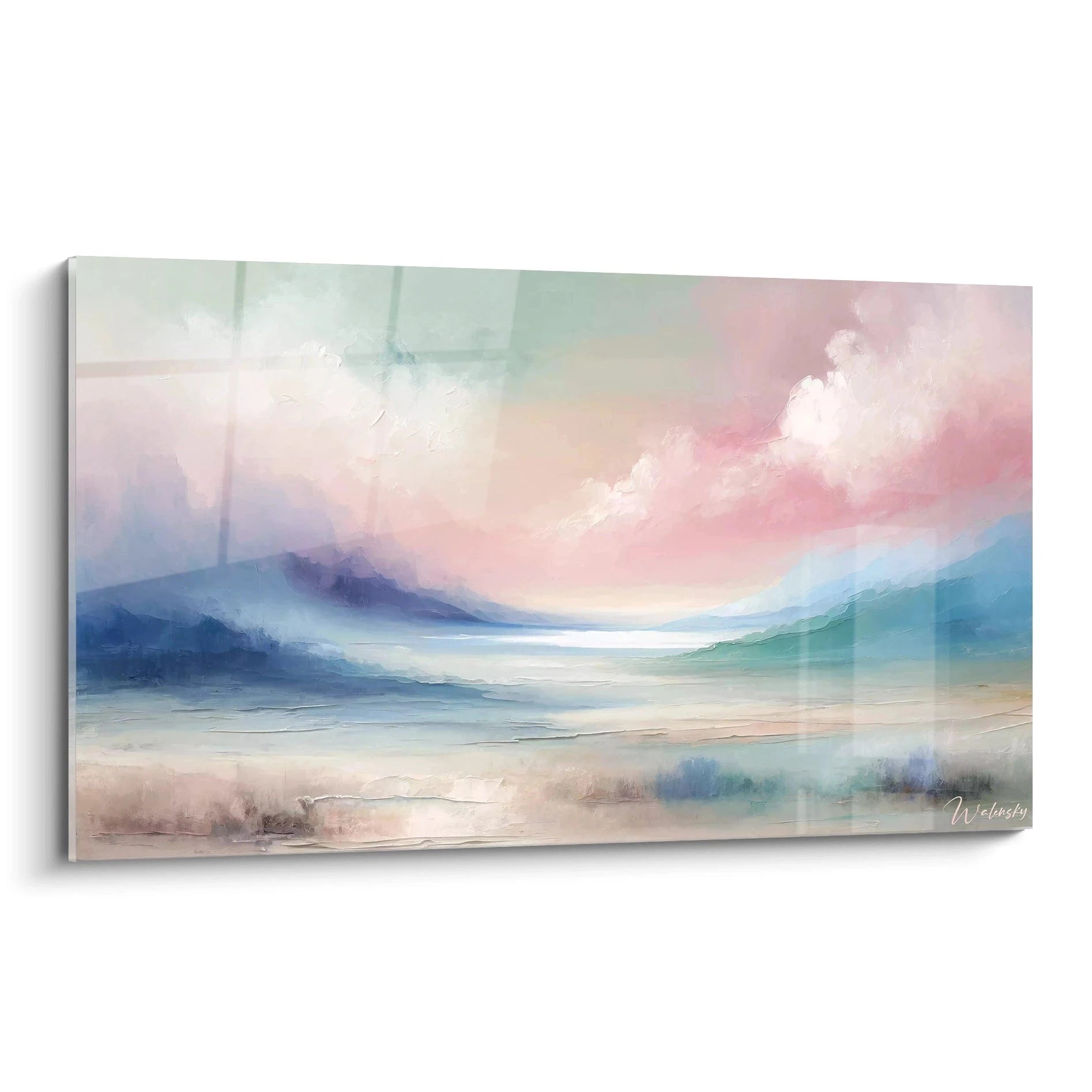


Meeting Room Wall Art Music
Our Painting salle de réunion Musique collection transforms your professional spaces into places of creative inspiration. These works combine corporate elegance and musical passion, creating an atmosphere conducive to constructive dialogue. Each décoration murale musicale bureau is designed to stimulate the creativity of your teams. Instruments, stylized scores and graphic sound universes invite themselves into your salles de réunion design musical to reflect your innovative and dynamic corporate culture.
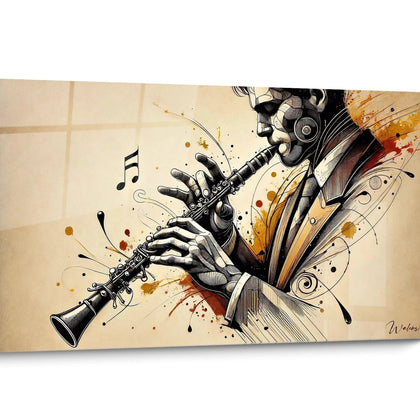
 Clarinet Painting No.1 - Abstract Music Edition273,90 €
 Drums Wall Art No. 2 - Abstract Music Edition273,90 €
 Woman with Sunflowers Painting - Abstract Fauvism Edition273,90 €
 Treble Clef Painting No. 1 - Abstract Music Edition273,90 €
 Clarinet Painting N°2 - Abstract Music Edition273,90 €
 Drums Painting No.1 - Abstract Music Edition273,90 €
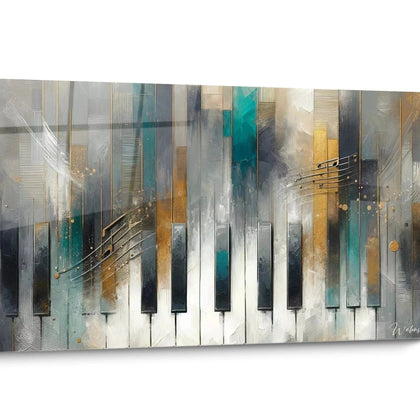
 Sound Keys Canvas - Abstract Music Edition273,90 €
 Torn Chords Painting - Abstract Music Edition273,90 €
 Echo in Silence Wall Art - Abstract Music Edition273,90 €
 Keys of Silence Wall Art - Abstract Music Edition273,90 €
 Rhythm of Colors Canvas - Abstract Music Edition273,90 €
Explore further
In Meeting Room Wall Art Music
-
 Meeting Room Wall Art737
artworks
Meeting Room Wall Art737
artworks
-
 Abstract Meeting Room Wall Art24
artworks
Abstract Meeting Room Wall Art24
artworks
-
 Black and White Meeting Room Wall Art14
artworks
Black and White Meeting Room Wall Art14
artworks
-
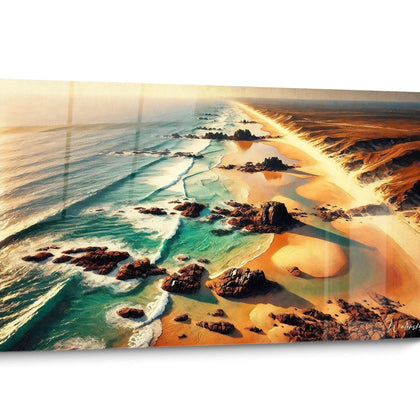 Golden Meeting Room Wall Art24
artworks
Golden Meeting Room Wall Art24
artworks
-
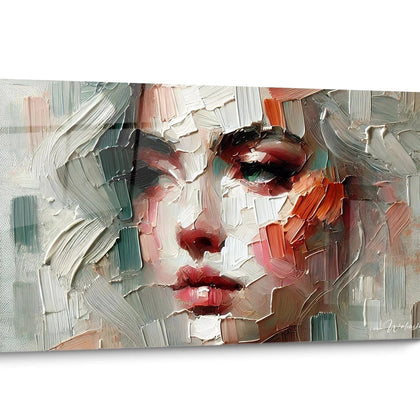 Modern Meeting Room Wall Art24
artworks
Modern Meeting Room Wall Art24
artworks
-
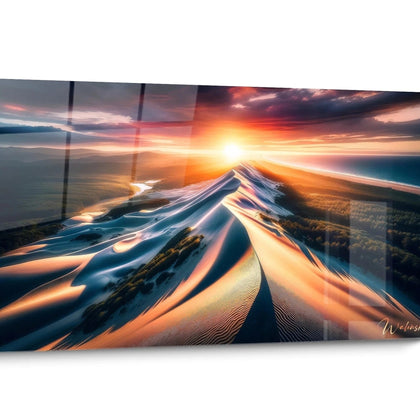 Meeting Room Zen Wall Art24
artworks
Meeting Room Zen Wall Art24
artworks
-
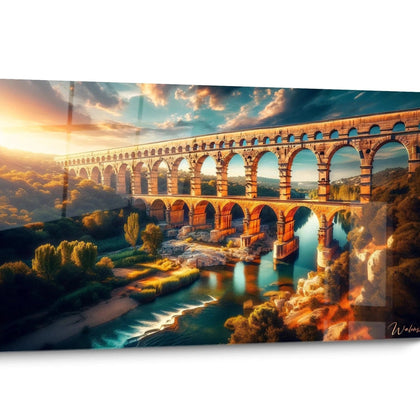 Meeting Room Landscape Wall Art24
artworks
Meeting Room Landscape Wall Art24
artworks
-
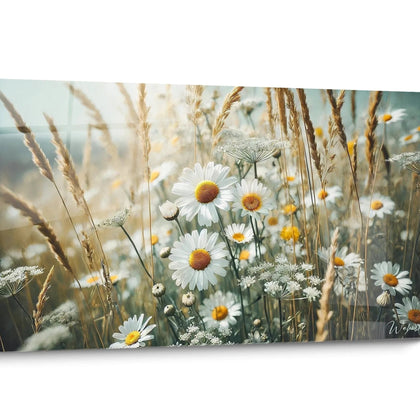 Meeting Room Flower Wall Art24
artworks
Meeting Room Flower Wall Art24
artworks
-
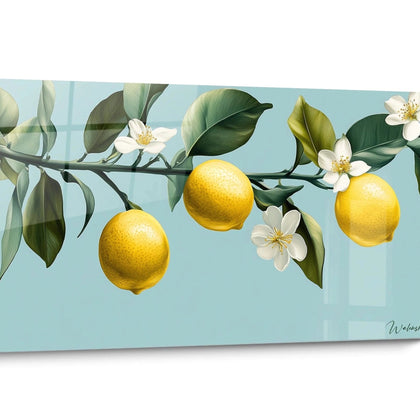 Blue Meeting Room Wall Art24
artworks
Blue Meeting Room Wall Art24
artworks
-
 Orange Meeting Room Wall Art21
artworks
Orange Meeting Room Wall Art21
artworks
-
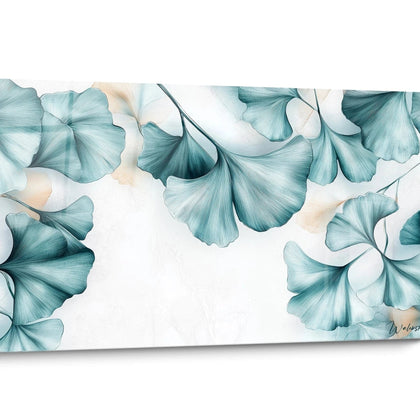 Minimalist Conference Room Wall Art19
artworks
Minimalist Conference Room Wall Art19
artworks
-
 Geometric Meeting Room Wall Art7
artworks
Geometric Meeting Room Wall Art7
artworks
All about Meeting Room Wall Art Music
- Music Wall Art Presentation
- Acoustics and Music
- Visual Sound Ambiance
- Musical Professional Impact
A music conference room wall art radically transforms the atmosphere of your professional spaces by integrating an artistic dimension inspired by the sonic universe. These large-scale wall creations capture the essence of instruments, musical scores, acoustic waves, and musical symbols to create an environment conducive to creative and strategic exchanges. Unlike conventional decorations, these imposing works dialogue with the architecture of your conference rooms to stimulate innovation and team collaboration. Each visual composition evokes the rhythmic dynamics, melodic harmony, and vibratory energy that characterize musical art, thus offering a distinctive professional setting that makes an impression during important presentations or commercial negotiations.
The Visual Acoustic Impact in Musical Meeting Spaces
The integration of a music conference room wall art addresses specific challenges for creative sector companies, recording studios converted into collaborative spaces, and communication agencies specializing in musical events. These monumental installations often represent visualizations of sound waves, colorful spectrograms, or abstract representations of frequencies that immediately establish the creative positioning of the organization.
How to choose a musical representation suited to your industry?
Music industry professionals favor visual representations that reflect their area of expertise: oscillograms for sound engineers, stylized clefs and staves for music publishers, or rhythmic abstractions for independent labels. A large-scale artwork depicting a vintage mixing console brings sought-after authenticity to briefing rooms in record labels, while sound amplitude visualizations are particularly suitable for brainstorming spaces of audio application developers.
Monumental instrumental compositions as a strategic visual anchor
Representations of stringed instruments, keyboards, or percussion at an imposing scale create memorable focal points during meetings with artists, producers, or investors. A deconstructed grand piano in geometric elements or an electric guitar fragmented in colorful pieces generates spontaneous conversations and eases tension before contract negotiations. These artworks function as emotional triggers that facilitate collective creativity.
The symbolism of musical notations in the professional environment
Artworks incorporating solfège elements, musical measures, or handwritten annotations bring an intellectual dimension appreciated in music training rooms or vocal coaching spaces. These compositions subtly establish the technical expertise of the organization while maintaining a contemporary aesthetic. To complement this thematic approach, an abstract conference room wall art allows you to balance different spaces with professional decorative coherence.
Color palettes inspired by musical genres
Each musical style possesses its visual identity: deep shades of blue and purple for jazz, vibrant neon colors for electronic music, warm golden tones for classical, or black and white contrasts for rock. A monumental artwork using these color codes instantly reinforces the brand identity of a music company and creates visual coherence with its overall communication during client meetings.
Creating Sonic Atmosphere Through Musical Visual Expression
The installation of a large-format music conference room wall art profoundly modifies the psychoacoustic perception of a professional space. These creations visually suggest the presence of sound, influencing the vocal behavior of participants and their level of engagement during collaborative sessions. Research in environmental psychology demonstrates that visual representations of sound elements affect vocal modulation and the rhythm of exchanges.
The influence of wave and frequency representations on group dynamics
Compositions presenting sinusoidal shapes, frequency spectra, or resonance visualizations unconsciously create an expectation of harmony in discussions. These patterns evoke sonic balance and encourage participants to structure their contributions with greater rhythm and modulation. A monumental artwork illustrating concentric acoustic waves in a music negotiation room subtly reminds of the importance of active listening and synchronization between speakers.
Which musical visual elements promote collective focus?
Refined compositions centered on a single instrument in close-up or minimalist musical notation reduce cognitive overload while maintaining the musical thematic anchor. These artworks function particularly well in rooms dedicated to critical listening sessions, production reviews, or masterclasses where auditory focus takes priority. Visual simplicity complements sonic complexity without creating attentional competition.
Dynamic compositions to stimulate creative energy
Artworks depicting rhythmic explosions, cymbals in frozen motion, or vibrating strings in multiple exposure transmit the kinetic energy of live music visually. These installations suit brainstorming spaces at music festivals, strategy rooms for touring companies, or meeting areas of event promoters where intensity and dynamism constitute fundamental values.
Integrating visual movement into strategic reflection spaces
Compositions using blur effects, superposition, or decomposition of musical gestures capture the temporality inherent to sonic art. A large-scale artwork showing a conductor in decomposed motion or a drummer in fragmented action introduces a narrative dimension that enriches discussions about artistic trajectories, tour schedules, or album release strategies.
Professional Positioning and Musical Sector Identity
The choice of a music conference room wall art constitutes a statement of professional intent immediately perceptible by visitors, artists, and business partners. These monumental installations communicate the organization's sectoral expertise, creative values, and competitive positioning upon entering the meeting space, creating a psychological advantage during contract negotiations or auditions.
How does a musical artwork reinforce sectoral credibility?
In the competitive music industry, distinctive signs of professional expertise directly influence artists' decisions when choosing a label, producer, or manager. An imposing artwork representing recognizable technical elements (waveforms, graphic equalizers, mixing diagrams) immediately demonstrates mastery of professional codes. This visual strategy works particularly well for emerging structures seeking to establish their legitimacy against historical market players.
Iconic representations of artists and their relational impact
Stylized artworks evoking legendary music figures without direct photographic reproduction create shared cultural references that facilitate emotional connection with interlocutors. These compositions allow you to display your artistic influences and cultural heritage while maintaining a contemporary and timeless decorative approach, essential for professional spaces that must transcend trends.
Thematic adaptation according to music production cycles
Companies organizing composition, recording, or post-production sessions can select artworks reflecting these specific stages: representations of vintage microphones for converted recording rooms, magnetic tape abstractions for spaces dedicated to mastering, or scene visualizations for concert production offices. This visual specialization optimizes participants' mental preparation according to each meeting's objective.
Which dimension to choose to maximize impact in a music conference room?
Monumental formats exceeding 150 centimeters create a dominant presence that anchors the musical identity of the space without requiring additional decorative elements. These dimensions are particularly suitable for rooms regularly receiving delegations, audition panels, or investors where the initial impression determines the course of subsequent exchanges. Visual monumentality compensates for the ephemeral nature of sonic art by offering symbolic permanence.
FAQ - Music Conference Room Wall Art
Is music conference room wall art suitable for professional acousticians?
Absolutely, representations of sound diffusion diagrams, acoustic reflections, or acoustic pressure mapping particularly resonate with specialized studies in sonic architecture and concert hall design. These technical visualizations reinforce credibility during client presentations.
What musical artwork styles should you prioritize for a multipurpose room?
Compositions abstractly evoking music through organic forms, flows, or geometric rhythms offer maximum versatility by suggesting the sonic universe without limiting stylistic reference. These creations adapt equally well to hip-hop label meetings and symphonic orchestra presentations.
How does music conference room wall art influence contract negotiations?
The presence of imposing wall artworks linked to musical identity reduces stress for visiting artists, creates psychological territory favorable to the host, and implicitly establishes the organization's professional seriousness. These visual elements function as relational facilitators even before formal discussions begin.
Further reading


