


Abstract Meeting Room Wall Art
The Abstract Meeting Room Artwork enhances your professional spaces with elegance. This exclusive collection combines sophistication and creativity to create an atmosphere conducive to exchange. Each office abstract artwork is designed to inspire innovation and reflection during your meetings. The modern and harmonious compositions integrate perfectly into any corporate environment. Choose professional abstract wall decoration that reflects the identity of your company.
 Heart of the Breeze Canvas - Abstract Boat Edition273,90 €
 Big Bang Artistic Dazzling Wall Art - Limited Edition🥇273,90 €
 Wall Art Close to the Skin - Abstract Face Edition273,90 €
 Fluid Golden Trees Abstract Painting - Abstract Edition273,90 €
 Enchanted Cosmos Abstract Wall Art - Exclusive Edition273,90 €
 Azure Mist Wall Art - Abstract Seascape Edition273,90 €
 Golden Crest and Foam Painting - Abstract Edition273,90 €
 Structured Disorder Abstract Painting - Abstract Edition273,90 €
 Mists in the Storm Wall Art - Abstract Expressionism Edition273,90 €
 Echo of the Winds Canvas - Abstract Edition273,90 €
 Twilight of Elements Wall Art - Abstract Edition273,90 €
 Convergence Astrale Painting - Abstract Expressionism Edition273,90 €
 Pastel Aurora Wall Art - Abstract Edition273,90 €
 Floral Dawn Wall Art - Abstract Edition273,90 €
 Fire Tree Artwork - Abstract Colorful Edition273,90 €
 Cybernetic Aurora Painting - Abstract Edition273,90 €
 Modern Times Aurora Painting - Abstract Edition273,90 €
 Water Ballet Nuances Abstract Wall Art - Limited Edition273,90 €
 Chromatic Cascades Wall Art - Limited Edition Multicolor Abstract273,90 €
 Astral Field Digitized Wall Art - Abstract Edition273,90 €
 Timeless Mechanical Complexity Canvas - Abstract Geometric Edition273,90 €
 Cosmic Viscosity Wall Art - Multicolor Abstract Edition273,90 €
 Boiling Cosmos Abstract Painting - Edition Abstract273,90 €
 Golden Crests Artwork - Abstract Edition273,90 €
Explore further
In Abstract Meeting Room Wall Art
-
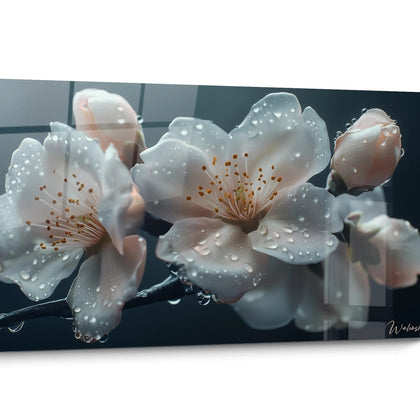 Meeting Room Wall Art737
artworks
Meeting Room Wall Art737
artworks
-
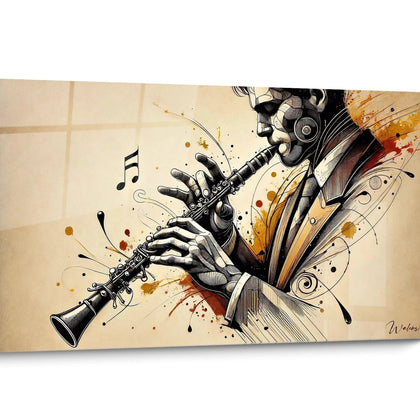 Black and White Meeting Room Wall Art14
artworks
Black and White Meeting Room Wall Art14
artworks
-
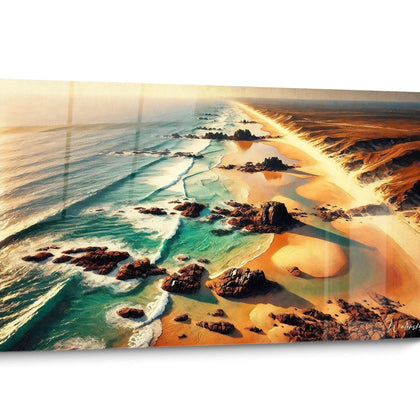 Golden Meeting Room Wall Art24
artworks
Golden Meeting Room Wall Art24
artworks
-
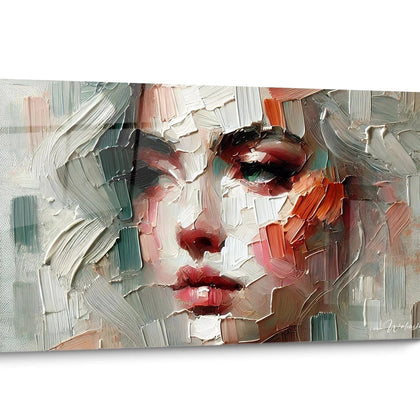 Modern Meeting Room Wall Art24
artworks
Modern Meeting Room Wall Art24
artworks
-
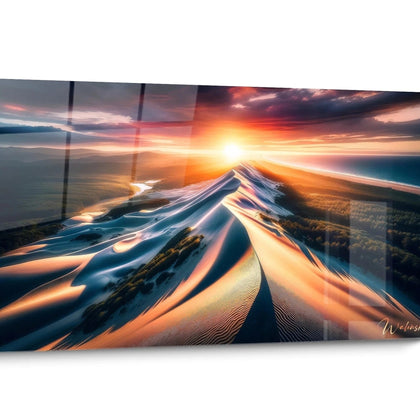 Meeting Room Zen Wall Art24
artworks
Meeting Room Zen Wall Art24
artworks
-
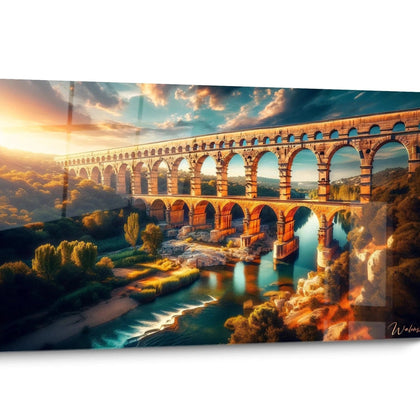 Meeting Room Landscape Wall Art24
artworks
Meeting Room Landscape Wall Art24
artworks
-
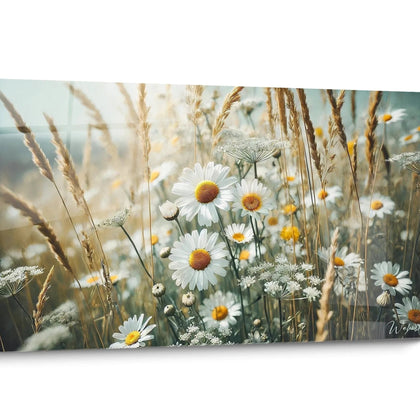 Meeting Room Flower Wall Art24
artworks
Meeting Room Flower Wall Art24
artworks
-
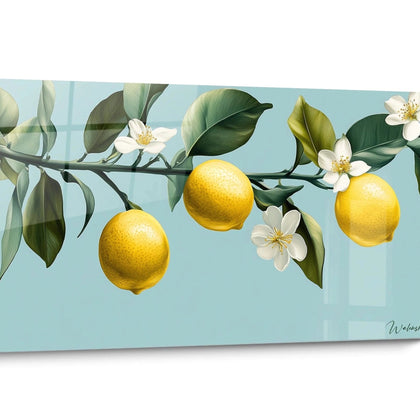 Blue Meeting Room Wall Art24
artworks
Blue Meeting Room Wall Art24
artworks
-
 Orange Meeting Room Wall Art21
artworks
Orange Meeting Room Wall Art21
artworks
-
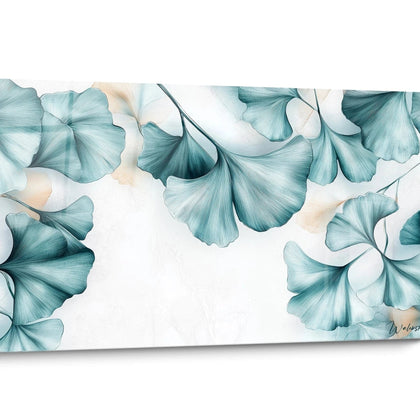 Minimalist Conference Room Wall Art19
artworks
Minimalist Conference Room Wall Art19
artworks
-
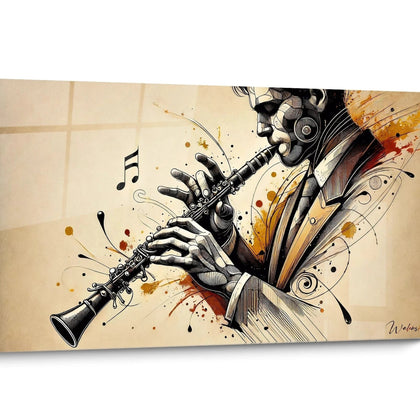 Meeting Room Wall Art Music11
artworks
Meeting Room Wall Art Music11
artworks
-
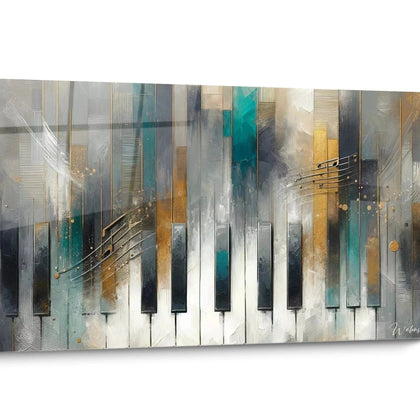 Geometric Meeting Room Wall Art7
artworks
Geometric Meeting Room Wall Art7
artworks
All about Abstract Meeting Room Wall Art
- Presentation Abstract Painting
- Visual Impact in Meeting Rooms
- Psychology of Shapes
- Professional Neutrality
An abstract painting meeting room transforms radically the atmosphere of professional decision-making spaces by creating a visual background that stimulates creativity without imposing a figurative narrative. These large-format wall creations exploit non-representational compositions to promote collective concentration while asserting the company's visual identity. Geometric or lyrical abstraction avoids narrative distractions while visually structuring the negotiation space. Color blocks, texture games, and compositional dynamics generate an environment conducive to strategic exchanges. These monumental works meet the aesthetic requirements of advisory rooms, brainstorming areas, and client spaces where every visual detail influences the perception of professionalism.
The Visual Influence of Abstract Compositions on Meeting Dynamics
An abstract painting meeting room acts as a neutral catalyst in professional interactions by avoiding any figurative reference likely to polarize participants. Non-representational compositions free the mental space of collaborators by offering a soothing focal point without a preconceived message. This semantic neutrality proves particularly strategic during delicate commercial negotiations or conflict resolution sessions where every visual element counts.
How do abstract shapes facilitate collective concentration?
Clean geometric structures and organic compositions create a visual balance that reduces ambient cognitive load. Unlike figurative representations that trigger varied personal associations, abstraction maintains a perceptual cohesion among diverse professional profiles. Large wall dimensions amplify this effect by structuring the spatial architecture without fragmenting the attention of decision-makers present.
The Implicit Symbolism of Non-Figurative Compositions in a Corporate Environment
A large-format abstract painting subtly communicates organizational values such as innovation, systemic vision, or lateral thinking. Fluid lines suggest adaptability while angular structures evoke analytical rigor. This indirect visual communication positively influences the perception of clients and partners during strategic meetings. For environments preferring specific tones, a blue meeting room painting introduces nuances of trust and stability while maintaining the abstract approach.
Creative Stimulation through Interpretive Versatility
The constructive ambiguity of abstract shapes encourages participants to project their own meanings, thus stimulating the divergent thinking processes essential for brainstorming. This semantic openness transforms the wall into a silent partner in the creative process, particularly effective in design agencies, strategic consulting firms, and R&D departments where innovation requires non-directive visual triggers.
Psychology of Abstract Shapes in Decision-Making Spaces
Integrating an abstract meeting room painting responds to specific psychological principles governing spatial perception and collective mental state. Abstract compositions exploit visual Gestalt to create cognitive harmonization effects, reducing ambient stress during high-stakes discussions. Large abstract surfaces stabilize the sensory environment by offering a visual counterpoint to multiple screens and ubiquitous technological devices.
What psychological impacts do geometric versus organic abstractions generate?
Geometric abstractions, with their precise angles and structured repetitions, reinforce analytical processes and sequential thinking, ideal for boardrooms and financial reporting spaces. Conversely, organic compositions with flowing curves foster intuition and holistic thinking, particularly suited for design thinking sessions and collaborative workshops. This differentiation allows aligning the visual choice with the dominant function of the space.
Regulation of cognitive activation by visual contrasts
A large-format abstract painting subtly modulates the collective mental activation level thanks to its balance between stimulation and soothing. Controlled chromatic contrasts maintain attentive alertness without causing visual fatigue during prolonged meetings. This sensory regulation proves crucial in windowless environments or multifunctional spaces requiring rapid transitions between different types of professional activities.
The immersive dimension of monumental formats
The imposing dimensions characteristic of boardroom paintings create a architectural presence modifying the volumetric perception of the space. This partial visual immersion envelops participants in a coherent atmosphere that reinforces the feeling of belonging to a refined professional environment. Abstract compositions avoid the claustrophobic effect of massive figurative works while maintaining an affirmed visual presence.
Strategic Neutrality and Functional Versatility of Wall Abstraction
Choosing a boardroom abstract painting is a strategic decision for professional spaces welcoming culturally diverse audiences. The absence of figurative references eliminates the risk of symbolic dissonance during international or intercultural interactions. This visual universality guarantees a positive reception regardless of the cultural backgrounds of the participants, a major asset for global companies.
How does abstraction preserve the aesthetic longevity of corporate spaces?
Unlike rapidly dated figurative trends, timeless abstract compositions cross aesthetic cycles without losing their relevance. This perceptual durability optimizes investment by avoiding frequent decorative overhauls imposed by ephemeral visual trends. Abstract structures naturally adapt to furniture evolutions and changes in graphic charters without requiring replacement.
Functional flexibility of non-narrative compositions
The same large-format abstract painting integrates effectively into various functional contexts: client presentations, training sessions, contract negotiations, or team meetings. This contextual versatility maximizes the use of multifunctional spaces while maintaining visual consistency despite the diversity of activities. Abstraction avoids restrictive mental associations that would limit the perceived use of the space.
Real estate enhancement and perception of professional standing
The integration of monumental abstract creations instantly signals a level of organizational sophistication to visitors and prospects. This non-verbal communication of premium positioning positively influences commercial negotiations and talent recruitment. Spaces equipped with quality abstract artworks distinguish themselves from standardized corporate environments, creating a tangible perceptual competitive advantage in sectors where professional image is a decision-making factor.
What size abstract artwork is suitable for meeting rooms of 20m² and larger?
For spaces of 20m² and above, prioritize horizontal formats of at least 120x80cm, or even 200x100cm for main walls. These monumental dimensions create the necessary visual impact without overwhelming the space, maintaining a balanced proportion between wall surface and abstract composition.
Do abstract artworks work in video conferencing rooms?
Absolutely, abstract compositions offer a professional, non-distracting background during video calls, unlike figurative artworks which divert the attention of remote interlocutors. Choose mid-tones avoiding extreme contrasts that disrupt the camera exposure, thus ensuring a visually enhancing presence during virtual exchanges.
How to position an abstract meeting room artwork in relation to the presentation screen?
Install the abstract artwork on the wall perpendicular or opposite the projection screen to avoid visual conflicts during presentations. This arrangement maintains the decorative presence while preserving the functional projection area, allowing the artwork to enrich the environment without interfering with the space's daily technological uses.
L'art qui suscite l'envie
Maison belge d'art mural grand format
14 jourspour changer d'avis*
Protection Walenskyincluse
Fabriquéen Italie
FormatXXL
Kit de fixationtoujours fourni
* Hors tableaux personnalisés et tailles personnalisées


