


Expressionist Puli Dog Painting
The Painting Dog Puli Expressionist celebrates this Hungarian dog with iconic dreadlocks through a bold artistic vision. This collection captures the energy and unique character of the Puli with expressive brushstrokes and vibrant colors. Perfect for lovers of expressionist canine art and enthusiasts of this extraordinary breed. Each work reveals the joyful personality of this Hungarian corded dog in dynamic and emotional compositions that will transform your interior.
 Black Expressionist Lion in Motion Wall Art - Wild Power - Puli Edition233,90 €
 Puli Painting with Vibrant Colors in an Expressionist Whirlwind - Perpetual Movement - Puli Edition233,90 €
 Puli Portrait Painting in Artistic Whirlwind - Intense Gaze - Puli Edition213,90 €
Explore further
In Expressionist Puli Dog Painting
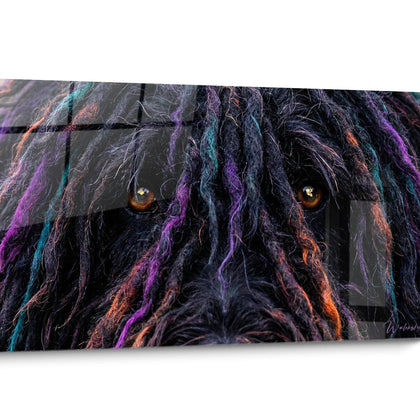
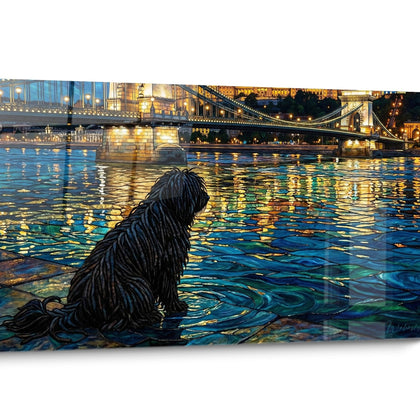


All about Expressionist Puli Dog Painting
- Expressionist Puli Dog Painting Presentation
- Symbolism of Vibrant Colors
- Gestural Traits and Canine Emotion
- Bold Decorative Integration
The expressionist Puli dog painting captures the raw and emotional essence of this Hungarian breed with its distinctive cord coat through a chromatic explosion and gestural intensity. This large format transforms the Puli's natural dreadlocks into swirls of saturated pigments and impulsive brushstrokes, creating a striking visual presence that disrupts academic conventions. The expressionist approach magnifies the mythic and mysterious aspect of the Puli by deconstructing its compact silhouette to reveal the psychological intensity of this ancestral flock guardian. This monumental artwork appeals to collectors seeking a visceral celebration of the Puli's protective and energetic personality, far from conventional figurative representations.
The Emotional Palette of Cords in Motion
The expressionist Puli dog painting harnesses a chromatic symphony where vibrant hues express the compressed energy beneath the breed's characteristic cords. Incandescent oranges, electric purples, and acid yellows replace customary neutral tones to convey the nervous vitality of the Hungarian Puli. This deliberate saturation metamorphoses each cordlet into an emotional vector, creating visual tension that evokes the millennia-old guarding instinct encoded in its pastoral DNA.
Why do brutal contrasts amplify the Puli's presence?
Sharp oppositions between complementary hues generate optical vibration that mirrors the constant alertness of this working dog. Juxtapositions of cadmium reds against emerald greens create visual resonance that translates the Puli's ancestral hypervigilance against predators. This chromatic strategy endows the monumental format with striking force in minimalist contemporary interiors, where the painting becomes the undisputed focal point. Collectors appreciate how these color choices defy decorative neutrality to impose a radical aesthetic statement.
The interaction of superimposed pigment layers
Generous impasto and semi-transparent glazes recreate the textural complexity of the Puli's cords in chromatic strata. This technique evokes the natural formation of feisty dreadlocks that develop spontaneously in this unique breed. Superpositions of pure colors, without prior blending, generate vibrant optical effects that capture the characteristic undulation of its coat in motion. For composition dynamics enthusiasts, this stratified approach offers perceptual depth that evolves according to viewing angle and ambient light intensity. Unlike the delicate approach of an expressionist Puli dog painting aquarelle, the expressionist version prioritizes raw materiality and pigment accumulation.
The psychological symbolism of non-naturalistic tonalities
Abandoning realistic colors liberates the work from mere description to access pure emotional dimension. Ultramarine blues applied to shadow areas express the profound melancholy of a Puli separated from its flock, while lemon yellows convey ludic exuberance. This chromatic transposition transforms the large format painting into an emotional map of the breed's complex temperament, allowing owners to recognize their companion's multifaceted personality in a sublimated aesthetic form.
Gestural Urgency Serving Compact Anatomy
The expressionist Puli dog painting transcends anatomical representation through impulsive gestural traces that capture the kinetic energy of the Hungarian dog. Directional brushstrokes applied without correction express the spontaneity of the Puli's jerky movements during circular runs around flocks. This technical immediacy creates a sensation of living presence, as if the animal were about to leap from the monumental support.
How do expressionist distortions reveal canine psyche?
Deliberate volumetric deformations amplify the Puli's distinctive behavioral traits beyond mere physical appearance. Vertical elongation of the silhouette may symbolize its surveillance posture on hind legs, while lateral expansion evokes the intimidating puffing of its coat against intruders. These proportional alterations constitute a visual vocabulary that communicates the psychological essence of the pastoral guardian rather than its zoological description. Discerning buyers specifically seek this interpretive depth that transforms the wall décor into character exploration.
The calligraphy of cords in free gesturality
The Puli's iconic dreadlocks metamorphose into gestural arabesques that traverse the monumental composition like emotional writing. Each directional stroke mimics the natural fall of corded strands while stylizing them into dynamic vectors. This calligraphic translation creates visual rhythms that guide the eye through the imposing format, establishing reading paths that sustain attention. For high-end residential spaces, this gestural orchestration generates perpetual movement that animates static walls and creates ongoing visual conversation.
Energy contained in zones of pigment accumulation
Dense impasto, applied with palette knife or stiff brush, concentrates emotional intensity in strategic zones like the gaze or muscular areas. These material accumulations create tactile reliefs that project subtle shadows, adding sculptural dimension to the large format painting. This raw materiality contrasts with more fluid zones where colors merge, establishing a dialectic between restraint and expression that reflects the Puli's balanced temperament: calm in normal situations, explosive if necessary. Collectors value this technical complexity that multiplies reading levels.
Decorative Anchoring in Spaces with Strong Personality
The expressionist Puli dog painting demands a decorative environment capable of absorbing its emotional and chromatic charge without dilution. Industrial interiors with exposed concrete and raw metallics amplify the contrast between the artwork's organic vitality and architectural coldness. Lofts with generous volumes offer the breathing space necessary for the monumental format to fully deploy its visual impact without saturating perceptual space.
What buyer typology seeks this visual intensity?
Puli owners engaged in canine sports or beauty competitions discover in this expressionist approach a celebration of their companion's overflowing energy. Creative professionals (architects, designers, artists) appreciate the aesthetic radicality that reflects their own non-conformist approach. Contemporary art enthusiasts specifically seek this fusion between animal subject and avant-garde pictorial language, creating a rare hybrid category in the decorative market. This monumental artwork also constitutes a decorative investment for specialized veterinary clinics or rare breed breeding centers wishing to affirm their expertise.
Decorative associations that amplify expressionist impact
Placement near abstract sculptural elements creates formal dialogue between two and three dimensions. Furniture with clean lines in raw wood or patinated metal allows the large format painting to dominate visual hierarchy without stylistic competition. Directional lighting through adjustable spotlights reveals impasto relief and makes chromatic contrasts vibrate, transforming the artwork according to time of day. Textiles with pronounced textures (thick linen, bouclé wool) establish tactile correspondence with the cord representation, creating sensory coherence in the space.
Real estate appreciation through emotional art
Integration of expressionist animal artworks in high-end properties signals cultural sophistication that transcends conventional decoration. This bold aesthetic positioning differentiates properties during viewings, creating instant memorability. For Puli owners, this radical artistic representation affirms their commitment to a misunderstood breed, transforming their canine passion into an assumed aesthetic statement. The monumental format guarantees unforgettable presence that structures the visual identity of residential or professional space.
Does an expressionist Puli dog painting suit classical interiors?
Integration in traditional décor creates deliberate aesthetic shock that can revitalize conventional spaces. The contrast between classical moldings and expressionist radicalism generates stimulating decorative tension, provided the room's volumes absorb this stylistic confrontation without visual imbalance.
What advantages does monumental format offer this composition?
Imposing dimensions allow expressionist gesturality to unfold with amplitude, creating emotional immersion impossible in reduced formats. Monumental scale transforms the painting into a perceptual environment rather than simple decorative object, engaging the viewer in a total spatial experience.
How does the expressionist Puli dog painting evolve over time?
Quality pigments retain chromatic intensity over decades with minimal maintenance. The natural patina of pictorial layers may slightly attenuate the most aggressive contrasts, creating aesthetic maturation that progressively softens initial radicality while preserving fundamental compositional energy.


