


Rustic Puli Dog Wall Art
The Painting Pulii Dog Rustic celebrates the authenticity of this legendary Hungarian breed with its characteristic tassels. This collection captures the rural essence and unique charm of the Pulii in refined artistic compositions. Perfect for lovers of rustic dog decoration, it brings a warm and original touch to your interior. Our creations highlight the recognizable silhouette of this Hungarian shepherd dog in bucolic settings.
 Shepherd and Puli at Rest in Golden Light - Pastoral Serenity - Puli Edition233,90 €
 Puli with Cords in Spinning Workshop - Artisan Companion - Puli Edition233,90 €
 Gray Curly-Haired Dog on Wooden Terrace - Golden Rest - Puli Edition233,90 €
 Black Puli with Long Coat in Golden Meadow Wall Art - Plains Shepherd - Puli Edition233,90 €
 Dreadlock Dog Painting by the Fire - Interior Warmth - Puli Edition233,90 €
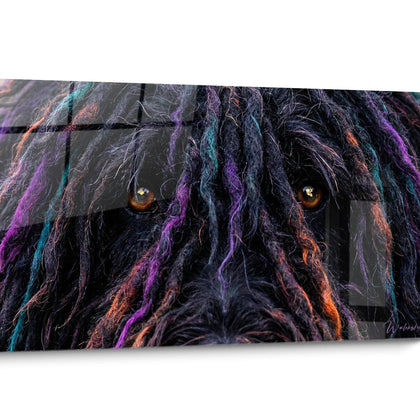
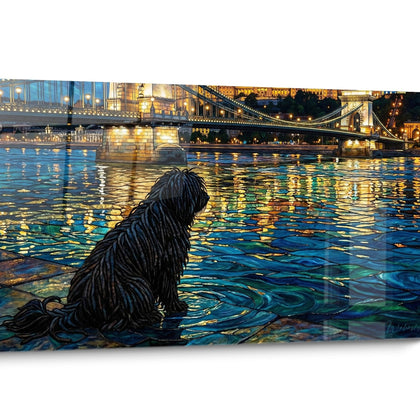


All about Rustic Puli Dog Wall Art
- Puli Dog Rustic Wall Art Presentation
- Chalet and Country House Decor
- Authenticity of the Puli in Rustic Rendering
- Integration into Traditional Interiors
The Puli dog rustic wall art captures the raw and authentic essence of this emblematic Hungarian breed through a visual rendering that privileges textured materials and earthy tones. This type of artistic representation deliberately moves away from polished finishes to propose an aged, patinated aesthetic, reminiscent of ancestral mural works from Central European sheepfolds. The rustic interpretation of the Puli highlights its characteristic silhouette with natural cords while adopting visual codes specific to mountain, countryside, or farmhouse decoration. This artistic approach particularly appeals to owners of vacation residences, Alpine chalets, or family homes who seek wall decoration consistent with the traditional architecture of their habitat.
The Perfect Alliance Between the Puli and Chalet Aesthetics
The Puli dog rustic wall art establishes itself as an obvious choice in chalet interiors where raw wood, exposed stone, and ancient beams dominate. This Hungarian shepherd breed, with its naturally corded coat evoking raw wool, finds exceptional visual resonance when represented in a rustic style with deliberately imperfect finishes. Flat areas of ochre color, visible brush strokes, and artificial aging effects create aesthetic continuity with the noble materials of an authentic chalet.
How to create a high-altitude sheepfold ambiance with a rustic Puli?
Installing a large format Puli dog rustic wall art above a natural stone fireplace or on a wood-paneled wall immediately reinforces the pastoral atmosphere of a mountain residence. The representation of the Puli in sepia, ash beige, or slate gray tones recalls old photographs of Hungarian shepherds and their flocks. This sober chromatic approach naturally blends into the traditional color palettes of Savoyard, Tyrolean, or Pyrenean chalets, without creating visual disruption with solid wood furniture or thick wool textiles.
The narrative dimension of the Puli in pastoral decoration
Unlike modern or minimalist representations, the Puli dog rustic wall art tells a story: that of the ancient flock guardian, the sturdy companion of transhumant shepherds. Backgrounds treated in imprecise washes, effects evoking tanned leather or ancient linen, and borders with raw finishes create a decorative object that resembles more a family heirloom passed down through generations than a simple contemporary wall decoration. This narrative dimension considerably enriches the atmosphere of a countryside living space.
Recommended decorative associations to reinforce the rustic effect
To maximize the visual impact of your large format Puli dog rustic wall art, prioritize its association with authentic objects: sculpted driftwood, patinated wrought iron lanterns, plaids in natural carded wool. The addition of dried plant elements such as lavender bunches, wheat ears, or willow branches harmoniously completes this pastoral aesthetic. If you also appreciate softer pictorial techniques, you might explore a Puli dog watercolor wall art to create an interesting contrast in another room of your home.
Capturing the Soul of the Puli Through the Rustic Lens
The Puli breed possesses such distinctive visual characteristics that their representation in rustic style amplifies their unique character. The coat cords, naturally irregular and organic, lend themselves exceptionally well to rustic artistic techniques that privilege visible textures, energetic brush strokes, and non-uniform finishes. A large-format Puli dog rustic wall art allows capturing this singular texture with an intensity impossible to obtain in reduced formats or streamlined styles.
Why does rustic rendering magnify the Puli's cords?
Rustic techniques – layering, scraping, crackle effect, aged patina – naturally imitate the complex and three-dimensional structure of the Puli's corded coat. Where a photographic or hyperrealistic representation would require extreme precision, the rustic approach suggests the density and movement of these characteristic strands through impasto, marked contrasts between light and dark areas, and material variations that confer an almost tactile presence to the subject. This alignment between subject and artistic technique creates rare coherence in canine decoration.
The expression of guardian temperament in raw aesthetics
The Hungarian Puli is not an ornamental dog: it is a robust, enduring worker, shaped by centuries of selection for herding in windswept pusztas. The rustic treatment of a Puli dog rustic wall art respects this functional identity by avoiding any sentimentalization or superficial embellishment. Direct gazes, alert postures, and backgrounds suggesting plains or mountains reinforce the authenticity of the representation. The intentional imperfections of the rendering – irregular contours, grainy backgrounds – evoke the harshness of working conditions and the resilience of this extraordinary breed.
Immediate recognition: an asset for rare breed enthusiasts
Puli owners know that their companion systematically sparks curiosity and questions. A large-format mural in rustic style instantly becomes a conversation point, a visible celebration of this breed unknown to the general public but venerated by its aficionados. Rustic finishes add a dimension of authenticity that distinguishes the true enthusiast – one who values the Puli's pastoral heritage – from the casual consumer of generic canine decoration. This specificity reinforces the visual identity of a home and affirms the owner's attachment to European cynological traditions.
Integrating a Large Rustic Format into the Traditional Home
Installing a Puli dog rustic wall art in a dwelling with marked character requires understanding the visual dynamics specific to traditional interiors. Unlike contemporary spaces with white, pared-down walls, countryside homes, renovated farmhouses, or Provençal estates present already significant material richness: irregular stones, dark beams, ancient tiles, floral patterned wallpapers. The challenge is to insert a large-scale work without creating visual saturation, while allowing the Puli to assert itself as a focal point.
Which locations to prioritize in traditional architecture?
In homes with rustic character, certain strategic locations particularly enhance a large format: the main wall of a dining room with exposed beams, the space above solid oak buffet furniture, the wall section between two small-paned windows in a country living room. The Puli dog rustic wall art particularly benefits from indirect natural lighting that accentuates material relief and patina variations. Avoid direct sun exposure that would diminish the subtle contrasts of the earthy tones characteristic of rustic rendering.
Chromatic harmonization with heritage interiors
Traditional dwellings often accumulate decorative layers: ancient floor tiles in orange hues, waxed woodwork with amber reflections, upholstery fabrics in faded reds or washed-out greens. A Puli rustic wall art with dominant anthracite gray, sandy beige, or earthy brown tones brings neutral chromatic breathing that visually unifies these heterogeneous elements without competing with them. This visual balancing function is particularly valuable in multifunctional rooms where inherited furniture, thrifted objects, and recent acquisitions coexist.
The symbolic durability of a timeless work
In a heritage logic where acquisitions are prioritized as intended to span decades, the Puli dog rustic wall art offers remarkable stylistic permanence. Unlike ephemeral decorative trends, rustic aesthetics never go out of style: they even enrich over time, as the natural patina of the space gradually aligns with the artistic aging effects of the work. This temporal convergence creates an illusion of family rooting, as if the painting had always belonged to the home.
FAQ: Frequently Asked Questions About Puli Dog Rustic Wall Art
Does a Puli dog rustic wall art suit a modern renovated farm?
Absolutely. In renovated farms that retain original architectural elements (beams, stones, ancient floors) while integrating contemporary furniture, the rustic Puli wall art functions as a visual bridge between tradition and modernity. Its rustic dimension dialogues with the built heritage while its generous format and graphic presence assert themselves against the streamlined lines of current furniture.
What is the major difference between a rustic Puli and other styles of canine representation?
Rustic style privileges material and narrative authenticity over photographic precision. Unlike hyperrealistic or stylized representations, it embraces irregularities, traces of the creator's gesture, and material effects that confer tactile depth. For the Puli specifically, this approach highlights the unique texture of its corded coat in a way impossible to achieve with smooth or digital techniques.
How to maintain a large format Puli dog rustic wall art in a humid room?
In traditional interiors sometimes subject to hygrometric variations (farmhouse kitchens, converted utility rooms), prioritize placement away from direct steam sources. Gentle monthly dusting with a dry microfiber cloth is usually sufficient. Since rustic finishes are often designed to evoke natural aging, they tolerate micro-environmental variations better than perfectly uniform surfaces that immediately reveal any alteration.


