


Desert Paintings
Discover our "Desert Painting" collection, a series of captivating artworks that pay homage to the immensity and tranquility of arid landscapes. Each desert painting evokes the warmth of dunes, vast horizons, and the peaceful atmosphere of the Sahara, bringing a touch of escape to your interior. These sublime works, with their sandy hues and subtle play of shadows, are ideal for creating a warm and refined ambiance. Let yourself be transported by the wild and timeless beauty of desert landscape paintings, true invitations to travel.
 Abstract Geometric Painting - Desert Mirage - Desert Edition233,90 €
 Dead Trees Painting - Desert Edition233,90 €
 Dead Trees Desert Painting - Eternal Sentinels - Desert Edition233,90 €
 Dawn Over Eternal Dunes - Signature Edition233,90 €
 Desert Canyon Sunset Painting - Blazing Light - Desert Edition213,90 €
 Mystical Canyon Painting - Celestial Storm - Desert Edition233,90 €
 Red Canyon Undulations Painting - Blazing Vortex - Desert Edition233,90 €
 Camel Caravan Painting - Journey of Golden Sands - Desert Edition232,90 €
 Desert Camel Painting - Oriental Mirage - Desert Edition233,90 €
 Cameleer and Camel Painting - Silent Journey - Desert Edition233,90 €
 Horse Painting Desert - Flaming Mountains - Desert Edition233,90 €
 Desert sunset painting - Psychedelic fantasy - desert edition233,90 €
 Istanbul Sunset Painting - Ottoman Splendor - Desert Edition232,90 €
 Sunset Over Frozen Lake Painting - Winter Escape - Desert Edition233,90 €
 Arizona Twilight Wall Art - Desert Edition233,90 €
 Salt Desert and Reflections Painting - Azure Mirror - Desert Edition233,90 €
 Desert Bloom Painting - Cactus Nature Edition233,90 €
 Sublime Erosion Wall Art - desert edition233,90 €
 Starfish Wall Art Underwater - Treasure of the Depths - Desert Edition213,90 €
 Mysterious Red Figure Painting - Silent Contemplation - Desert Edition233,90 €
 Stylized Pink Flamingos Painting - Duo at Sunset - Desert Edition233,90 €
 Abstract Flowers Wall Art - Colorful Oasis - Desert Edition213,90 €
 Abstract seabed painting - Ocean of light - desert edition213,90 €
 Stratified Rock Formation Painting - Geological Elegance - Desert Edition232,90 €
In the same family
Also explore the theme Landscapes
-
 View all1336
artworks
View all1336
artworks
-
 Rainbow2
artworks
Rainbow2
artworks
-
 Architecture30
artworks
Architecture30
artworks
-
 Northern Lights32
artworks
Northern Lights32
artworks
-
 Other Landscapes117
artworks
Other Landscapes117
artworks
-
 Campaign51
artworks
Campaign51
artworks
-
 Cascade104
artworks
Cascade104
artworks
-
 Waterfalls12
artworks
Waterfalls12
artworks
-
 Lavender Fields7
artworks
Lavender Fields7
artworks
-
 Sky14
artworks
Sky14
artworks
-
 Starry Sky8
artworks
Starry Sky8
artworks
-
 Sunset37
artworks
Sunset37
artworks
-
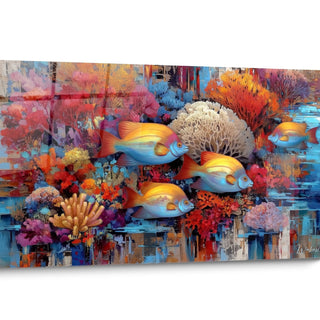 Underwater Depths38
artworks
Underwater Depths38
artworks
-
 Forest129
artworks
Forest129
artworks
-
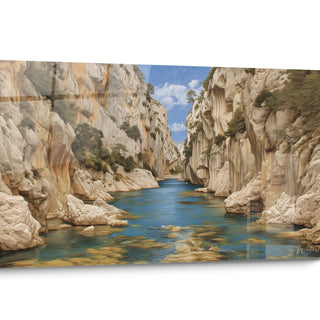 Gorges and Canyons41
artworks
Gorges and Canyons41
artworks
-
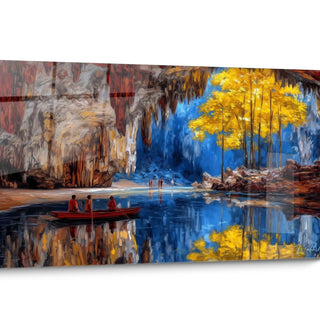 Natural Caves565
artworks
Natural Caves565
artworks
-
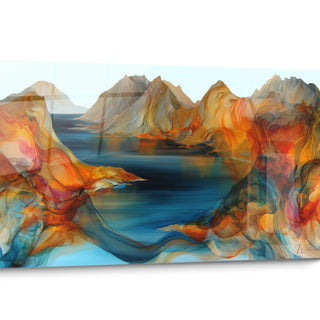 Islands and Archipelagos55
artworks
Islands and Archipelagos55
artworks
-
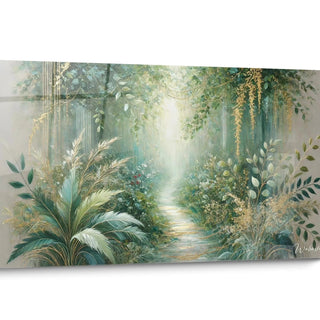 Jungle9
artworks
Jungle9
artworks
-
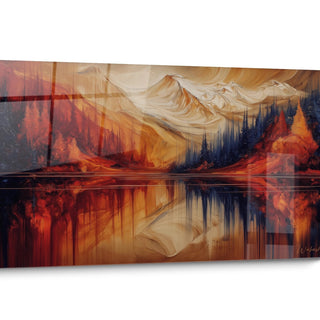 Lakes77
artworks
Lakes77
artworks
-
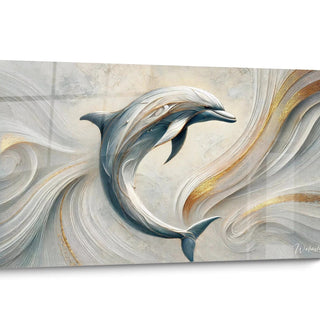 The World of the Sea189
artworks
The World of the Sea189
artworks
-
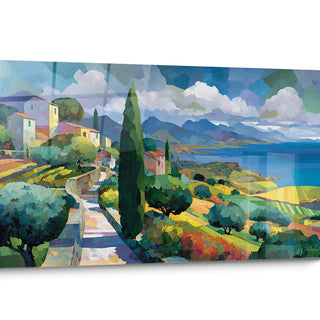 Marine71
artworks
Marine71
artworks
-
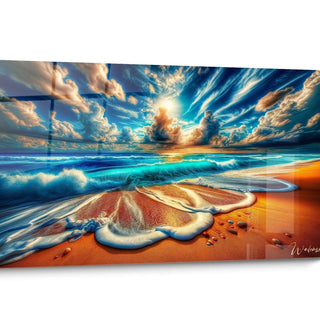 Sea77
artworks
Sea77
artworks
-
 Mountain218
artworks
Mountain218
artworks
-
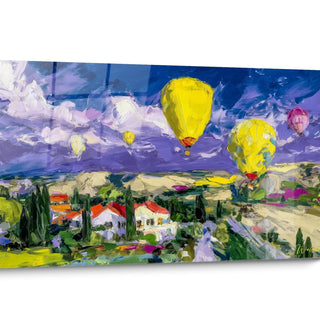 Hot Air Balloon5
artworks
Hot Air Balloon5
artworks
-
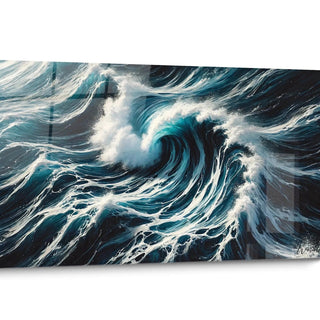 Ocean16
artworks
Ocean16
artworks
-
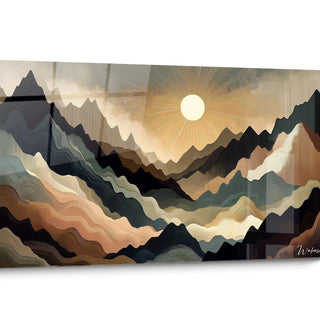 Abstract Landscape25
artworks
Abstract Landscape25
artworks
-
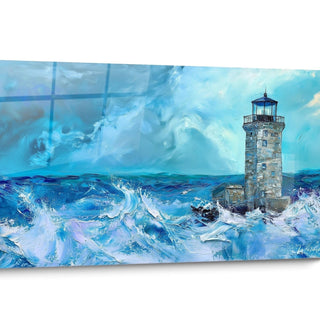 Lighthouses20
artworks
Lighthouses20
artworks
-
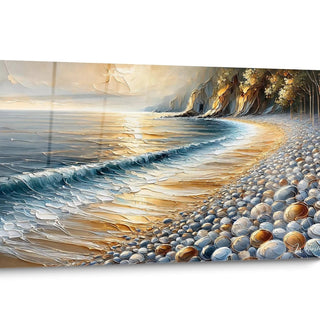 Beach105
artworks
Beach105
artworks
-
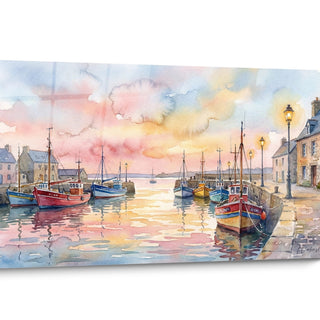 Ports19
artworks
Ports19
artworks
-
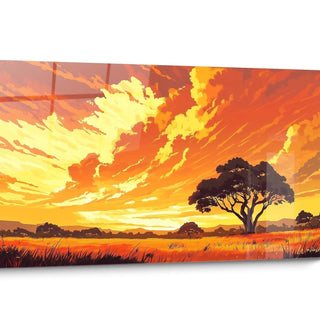 Savanna5
artworks
Savanna5
artworks
-
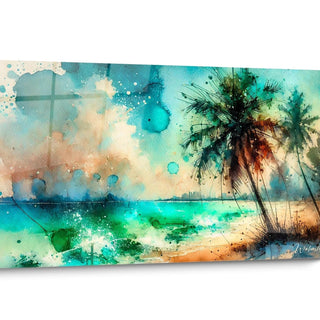 Tropics9
artworks
Tropics9
artworks
-
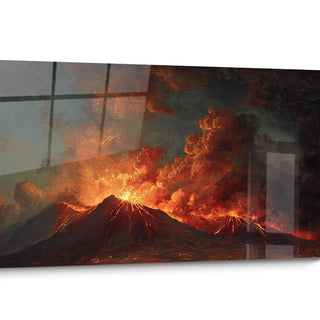 Volcanoes57
artworks
Volcanoes57
artworks
-
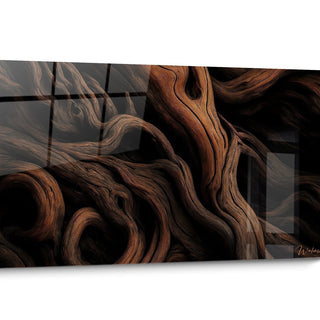 Aerial View17
artworks
Aerial View17
artworks


All about Desert Paintings
- Overview Desert Wall Art
- Desert wall art and zen ambiance
- Desert wall art and minimalist decoration
- Desert wall art and contemporary architecture
Desert wall art represents far more than a simple decorative work - it's a true invitation to travel and contemplation. These artistic representations capture the very essence of arid landscapes, with their majestic dunes, infinite horizons, and characteristic warm hues. The unique appeal of desert wall art lies in its ability to radically transform the atmosphere of an interior space by infusing it with a sensation of immensity and serenity.
Interior decoration enthusiasts particularly appreciate desert wall art for its distinctive color palette - deep ochres, blazing oranges, golden yellows, and celestial blues - which brings warmth and character to any room. These works integrate perfectly into contemporary interiors where simplicity and minimalist elegance are favored.
Desert wall art also distinguishes itself through exceptional versatility. Whether you wish to create a striking focal point in your living room, add an exotic touch to your office, or establish a calming ambiance in your bedroom, these representations of the desert adapt to multiple environments and decorative styles. Their majestic presence instantly transforms any wall into an open window onto the most fascinating wild expanses of our planet.
For those seeking daily visual escape, desert wall art is an ideal choice. These works do more than beautify your space - they tell a story, evoke distant travels, and stimulate imagination. Explore our selection of desert landscape wall art to find the piece that will transform your interior into an oasis of beauty and serenity.
Desert Wall Art: A Source of Inspiration and Harmony in Your Living Space
Desert wall art stands out as an exceptional decorative element capable of radically transforming the atmosphere of your interior. Unlike classical representations of lush nature, desert wall art captures the very essence of magnificently rendered aridity, offering a unique and deeply soothing visual experience.
How does desert wall art influence our psychological state?
Research in environmental psychology demonstrates that representations of desert landscapes have a significant impact on our mental well-being. The vast expanses and infinite horizons characteristic of desert wall art create a sensation of space and freedom, particularly beneficial in our often-confined urban environments. This visual openness effectively counteracts the feeling of confinement that can affect our daily lives.
The dominant warm hues - ochres, terracotta, amber, and golden sand - present in desert wall art generate a soothing emotional response, stimulating the production of serotonin, the well-being hormone. These warm colors ideally contrast with the cool tones often present in modern interiors, creating perfect chromatic balance.
The ideal integration of desert wall art in a meditative space
For those who practice meditation or yoga at home, desert wall art represents far more than a simple decorative element - it becomes a genuine support for contemplation. The refined lines and inherent simplicity of desert landscapes facilitate the concentration and mental calm sought during these practices.
To maximize this effect, position your desert wall art facing your meditation space, at eye level when seated. This arrangement allows your gaze to naturally rest on the work during your sessions, promoting mental escape and contemplative immersion.
Natural light will enhance the subtle nuances of desert wall art. Therefore, choose a location with indirect lighting, which will showcase the delicate transitions between different hues without creating distracting reflections that could disturb your concentration.
The specific therapeutic benefits of desert wall art
Beyond its aesthetic qualities, desert wall art possesses therapeutic virtues recognized by color therapy specialists. The dominant warm tones stimulate creativity and positive energy, while representations of open spaces contribute to reducing anxiety and stress.
Therapists specializing in this field often recommend daily exposure to images of desert landscapes for people suffering from claustrophobia or anxiety related to confined spaces. Regular contemplation of desert wall art helps progressively reprogram spatial perception and diminish feelings of oppression.
For people suffering from sleep disorders, installing desert wall art in the bedroom can contribute to establishing a more serene sleep routine. The warm hues and impression of infinite space promote the mental relaxation necessary as a prerequisite for restorative sleep.
What are the characteristics of superior quality desert wall art?
Exceptional desert wall art is characterized by its ability to faithfully convey the depth and almost mystical dimension of desert landscapes. Print quality is paramount - seek works offering high resolution that allows you to distinguish subtle variations in sand texture and the complex shadow play formed by dunes.
Premium finishes, such as protective anti-UV varnishes, guarantee the preservation of the vibrant colors characteristic of desert wall art, even in a bright room. This protection is essential for maintaining the intensity of the blazing oranges and deep ochres that make these works unique.
Size is also crucial - large format desert wall art (120 cm or more in width) maximizes visual impact and immersion sensation. These generous formats truly allow you to capture the immensity characteristic of desert landscapes and restore all its evocative power to your personal space.
For discerning connoisseurs, desert wall art created using advanced printing techniques, such as reproduction on brushed aluminum, offers an additional contemporary dimension. These modern supports impart a particular luminosity to the warm desert hues and integrate perfectly into avant-garde design interiors.
Desert Wall Art: The Art of Enhancing Minimalist Spaces
In the universe of contemporary interior decoration, desert wall art emerges as a decorative solution perfectly aligned with minimalism principles. Unlike complex figurative works, desert wall art offers a natural visual refinement that harmoniously resonates with the "less is more" philosophy characteristic of modern minimalist spaces.
The perfect balance between visual presence and sobriety
Desert wall art distinguishes itself through its unique ability to create powerful visual impact while preserving the tranquility essential to minimalist spaces. The dominant horizontal lines and naturally refined compositions present in desert landscapes accord perfectly with the linear aesthetic privileged in contemporary interiors.
In a space with white walls and furniture with simple geometric lines, a large desert wall art immediately becomes the focal point of the room without disrupting its visual balance. This rare duality - being simultaneously a statement piece and an element of harmony - makes desert wall art a favored choice among interior architects specializing in minimalist spaces.
The subtle gradations characteristic of desert landscapes - from golden sand to amber shadows - create a natural chromatic progression that softens the potential austerity of minimalist spaces without compromising their intrinsic elegance.
Integration strategies for desert wall art in a contemporary loft
Contemporary lofts and open spaces benefit particularly from the presence of monumental desert wall art. In these environments characterized by large wall surfaces, panoramic format desert wall art (width-to-height ratio exceeding 2:1) creates a striking virtual window that visually expands the space.
To maximize impact in a loft with high ceilings, favor a positioning slightly lower than conventional height. This arrangement deliberately contrasts with the space's elevation and naturally attracts the gaze, creating a visual anchor point within the immensity of the volume.
In converted industrial spaces, characterized by raw materials such as concrete and exposed steel, desert wall art brings welcomed visual warmth. The warm hues characteristic of the desert effectively counterbalance the potential coldness of these materials without requiring the addition of supplementary decorative elements.
Which desert wall art formats should be privileged for minimalist spaces?
For resolutely minimalist interiors, XXL format desert wall art (150 cm x 100 cm minimum) constitutes an optimal choice. These generous dimensions allow for effective occupation of a large wall section without requiring the addition of complementary works, thus respecting the principle of decorative parsimony inherent to minimalism.
Triptych compositions, dividing the desert representation into three distinct panels, offer a particularly interesting alternative. This configuration introduces sophisticated visual rhythm while preserving the overall coherence of the work. The precise spacing between panels - ideally 5 to 7 cm - becomes itself a design element, creating visual respirations that amplify the impression of space.
For particularly refined spaces, monumental square formats (100 cm x 100 cm or larger) create a perfect geometric counterpoint to the dominant horizontal lines of the desert landscape. This subtle visual tension between frame and subject generates sophisticated visual interest without resorting to excessive complexity.
Contemporary finishes that enhance desert wall art
In a minimalist approach, the finishes of desert wall art merit particular attention. Plexiglas prints with rear-face backing offer exceptional depth and luminosity to the desert's warm hues, while integrating perfectly into contemporary interiors thanks to their refined appearance and frameless mounting.
For minimalism purists, desert wall art on composite aluminum represents the ideal alliance between contemporary aesthetics and durability. The slightly reflective metallic surface subtly interacts with ambient lighting, gradually transforming the work's appearance throughout the day without requiring supplementary decorative elements.
Invisible mounting systems constitute the ideal complement to these works, creating the illusion that desert wall art floats slightly before the wall. This installation detail, though subtle, considerably reinforces the visual impact of the work while respecting minimalist requirements for the absence of superfluous elements.
The interaction between desert wall art and architectural lighting
In minimalist spaces, lighting becomes an architectural element in its own right, and its interaction with desert wall art merits careful planning. Indirect lighting systems, such as LED tracks concealed in cornices or architectural ledges, magnify the subtle nuances of desert wall art without introducing supplementary visual elements.
Adjustable beam projectors allow for precise lighting that evolves according to time of day or occasion. For an intimate dinner, concentrated lighting on the central zones of desert wall art creates a warm focal point; for a reception, more uniform lighting reveals the entire work.
Installing desert wall art facing a natural light source creates a fascinating dialogue between the work and the external environment. Natural luminosity variations throughout the day subtly transform the perception of the desert wall art's colors and textures, offering an ever-evolving visual experience without requiring physical modification of the space.
Desert Wall Art and Modern Architecture: Dialogue Between Spaces and Horizons
Integrating desert wall art into contemporary architecture creates an exceptional visual symbiosis. Where modern architecture often privileges refined lines and geometric volumes, desert wall art brings an organic dimension and visual depth that transcends the physical limitations of constructed space.
The structural complementarity between minimalist architecture and desert wall art
Contemporary constructions, characterized by their large glass surfaces and open volumes, find an ideal counterpoint in desert representations. Desert wall art, with its infinite horizons and natural perspectives, creates a visual extension that expands spatial perception. This characteristic proves particularly valuable in urban environments where spatial constraints are omnipresent.
In residences with refined facades and dominant horizontal lines, monumental desert wall art establishes a coherent formal dialogue. The natural strata of desert formations echo the structural levels of the building, creating visual continuity that reinforces the initial architectural intent without requiring structural modifications.
For interior architectural spaces characterized by industrial materials such as raw concrete, exposed steel, or glass, desert wall art introduces welcome chromatic warmth without compromising the aesthetic purity of the ensemble. This juxtaposition of architectural rudeness and the fluidity of desert landscapes generates the sophisticated visual tension sought by avant-garde architects.
How does desert wall art transform the spatial perception of architectural volumes?
The strategic positioning of desert wall art can fundamentally transform spatial perception. In a long, narrow corridor, a panoramic desert representation installed on the terminal wall creates a visual perspective that counteracts the sensation of confinement. The illusion of openness toward a distant horizon literally dissolves the wall's visual barrier.
For rooms with delicate proportions, such as certain circulation spaces or antechambers, vertically oriented desert wall art showcasing monumental rock formations generates an amplified impression of height. This visual extension upward balances the space's proportions without requiring costly architectural interventions.
Contemporary living spaces with relatively low ceilings benefit particularly from desert wall art with clear horizons. The visual invitation to look toward the distance distracts attention from limited ceiling height, creating a considerably increased sensation of space without structural modification of the environment.
Integration strategies to maximize desert wall art impact
Optimal integration of desert wall art into contemporary architecture surpasses the simple question of hanging. Forward-thinking interior architects now design dedicated alcoves, slightly recessed, that frame the desert work like a genuine window onto an alternative world. This three-dimensional approach considerably amplifies the immersive impact of the work.
In high-end residential spaces, installing architectural sliding panels allowing for revealing or concealing desert wall art according to moments represents a particularly refined innovation. This modularity transforms the work into a dynamic architectural element, creating different ambiances according to configurations.
The most ambitious architectural projects now integrate parametric lighting systems specifically designed for desert wall art. These installations, controlled by environmental sensors, adapt the work's lighting according to external natural luminosity, maintaining optimal visual coherence throughout the day.
Desert wall art as a solution to specific architectural challenges
Certain recurring architectural challenges find elegant resolution through judicious integration of desert wall art. Awkward transitional spaces, such as certain stair landings or irregular circulation zones, transform into points of interest through installation of desert wall art adapted to these spaces' specific proportions.
Blind walls imposed by certain architectural constraints (party walls, unfavorable orientation) become creative opportunities when they welcome monumental desert wall art. The absence of a physical window is counterbalanced by the visual openness offered by the desert representation, creating a virtual window where architecture could not provide a real one.
In contemporary professional spaces, informal meeting zones benefit particularly from desert wall art's presence. The characteristic horizontality of desert landscapes creates a visually calming background that favors concentration and communication, without introducing distracting elements counterproductive to the setting.
Chromatic dialogue between contemporary architecture and desert wall art
Contemporary architecture often privileges a restricted color palette dominated by neutrals - whites, grays, blacks, and natural tones. In this controlled chromatic context, desert wall art, with its vibrant ochres, intense oranges, and deep celestial blues, introduces calculated chromatic richness that enlivens the space without compromising its aesthetic coherence.
For architecturally finished monochrome interiors, desert wall art with contrasting hues becomes a major chromatic accent that visually structures the entire space. This colorful punctuation transforms the overall perception of the environment without requiring supplementary colored interventions on other architectural elements.
FAQ: Desert Wall Art
What size of desert wall art should be chosen to maximize impact in a spacious loft?
For a loft with generous dimensions, favor XXL format desert wall art, ideally exceeding 180 cm in width. These impressive dimensions allow you to truly capture the immensity characteristic of desert landscapes and create a spectacular focal point that structures the entire space. Visual impact will be all the more striking if the work is installed on a clear wall, visible upon entering the loft.
Can desert wall art withstand exposure in a very bright room?
Quality superior desert wall art now benefits from advanced printing technologies and anti-UV protection that provide excellent light resistance. For particularly exposed spaces, such as verandas or rooms with large south-facing windows, opt for reproductions using mineral pigment inks and protected by specific anti-yellowing varnish. These technical characteristics guarantee the preservation of the vibrant desert hues for more than 15 years, even under intensive exposure conditions.
How can desert wall art be effectively maintained to preserve its beauty?
Maintenance of quality desert wall art is limited to gentle and regular dusting using a microfiber duster or soft, lint-free cloth. Absolutely avoid using chemical products or water, even in small quantities. For works with glossy finish, semi-annual cleaning with specific antistatic product is recommended to eliminate micro-particles and maintain the optimal brilliance of desert colors. This minimal maintenance guarantees long-term preservation of the vibrancy and depth characteristic of desert representations.
Further reading


