

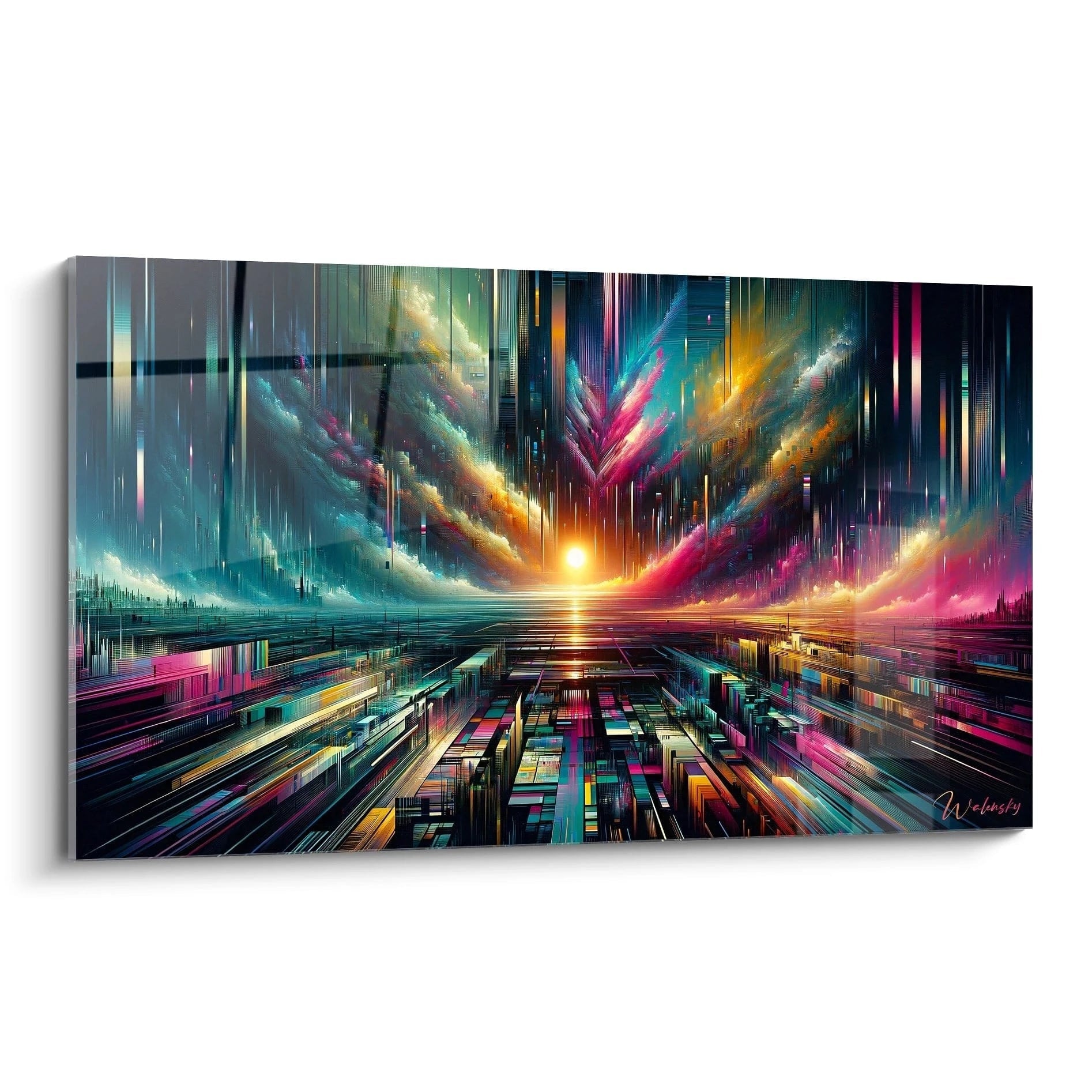


Cubism Paintings
Explore our exclusive collection of abstract cubism paintings, where geometric forms and vibrant colors meet to create unique and captivating artworks. Each painting transcends reality by breaking down everyday objects into abstract elements, offering a fresh perspective on space and matter. Whether you want to add a bold accent to your interior or spark an artistic conversation, these works challenge and inspire. Every piece is meticulously selected for its visual complexity and depth, guaranteeing a remarkable addition to any collection. Immerse yourself in the world of abstract cubism and let yourself be amazed by the boldness and inventiveness of these creations.
 Succulent Garden Wall Art in Turquoise and Purple Tones - Botanical Harmony - Cubism Edition242,90 €
 Desert Garden Painting with Colorful Cacti and Flowers - Floral Oasis - Cubism Edition242,90 €
 Metropolitan Maze Orange Wall Art - Abstract Cubism Edition273,90 €
 Mechanics of Colors Painting - Abstract Cubism Edition273,90 €
 Vivid Orange Geometric Mosaic Wall Art - Abstract Cubism Edition242,90 €
 Urban Mosaic Canvas - Abstract Cubism Edition273,90 €
 Pink Peonies on Turquoise and Orange Background - Floral Radiance - Cubism Edition273,90 €
 Succulent Painting Turquoise and Coral Tones - Radiant Rosette - Cubism Edition273,90 €
 Turquoise Succulent with Pink Outlines - Geometric Rosette - Cubism Edition220,90 €
 Blue and Purple Succulents Wall Art with Iridescent Hues - Cubist Garden - Cubism Edition273,90 €
 Vibrant Geometric Puzzle Artwork - abstract cubism edition273,90 €
 Grid Expressive Energetic Cyan Wall Art - abstract cubism edition273,90 €
 Ochre Abstract District Wall Art - abstract cubism edition220,90 €
 Vertical Striped Painting Yellow and Green Expressive - Vegetative Symphony - Cubism Edition273,90 €
 Metropolitan Reflections Painting - Abstract Cubism Edition273,90 €
 Urban Reflections Painting - Abstract Cubism Edition273,90 €
 Blue and Green Succulents Painting Geometric Arrangement - Cubist Garden - Cubism Edition273,90 €
 City Lines Painting - Cubism Abstract Edition273,90 €
 Fragmented Face Wall Art - Abstract Cubism Edition273,90 €
In the same family
Also explore the theme Artistic Movements
-
 View all793
artworks
View all793
artworks
-
 Acrylic (style)10
artworks
Acrylic (style)10
artworks
-
 Art Deco164
artworks
Art Deco164
artworks
-
 Islamic Art9
artworks
Islamic Art9
artworks
-
 Art Nouveau39
artworks
Art Nouveau39
artworks
-
 Comic Strip16
artworks
Comic Strip16
artworks
-
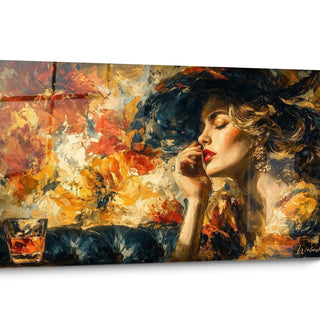 Baroque22
artworks
Baroque22
artworks
-
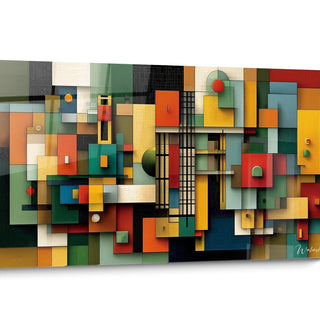 Bauhaus31
artworks
Bauhaus31
artworks
-
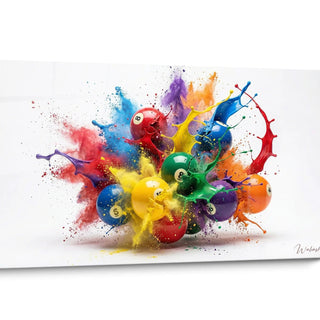 Billiards19
artworks
Billiards19
artworks
-
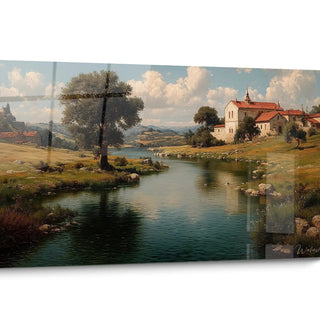 Classicism16
artworks
Classicism16
artworks
-
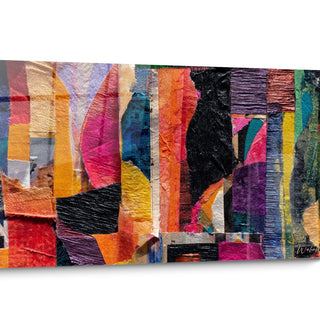 Collage14
artworks
Collage14
artworks
-
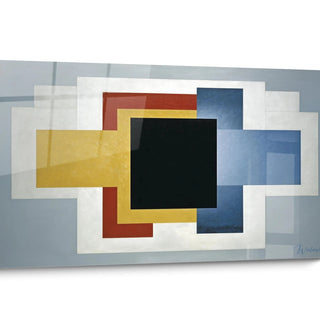 Constructivism31
artworks
Constructivism31
artworks
-
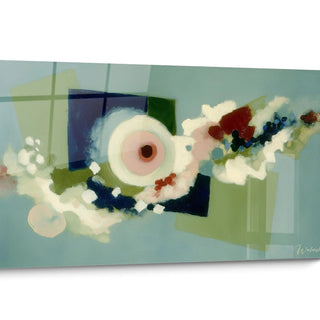 Dadaism33
artworks
Dadaism33
artworks
-
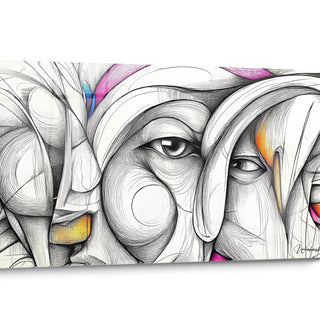 Drawing20
artworks
Drawing20
artworks
-
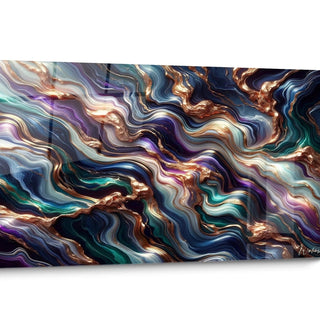 Expressionist95
artworks
Expressionist95
artworks
-
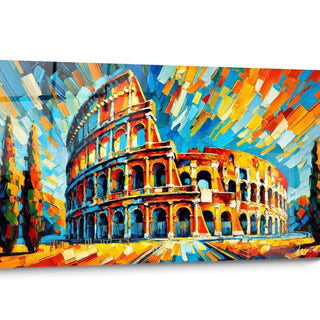 Abstract Fauvism10
artworks
Abstract Fauvism10
artworks
-
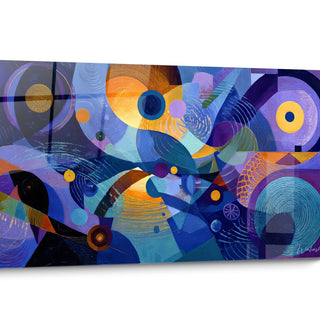 Abstract Futurism25
artworks
Abstract Futurism25
artworks
-
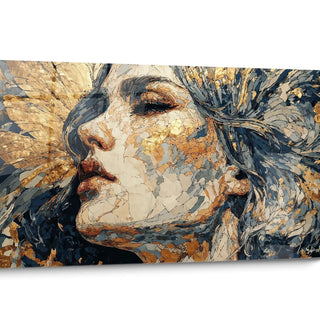 Gothic29
artworks
Gothic29
artworks
-
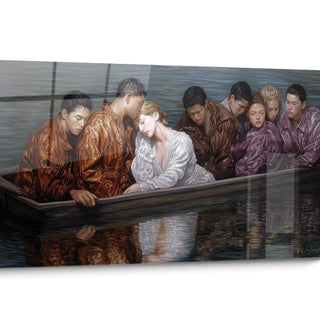 Hyperrealism28
artworks
Hyperrealism28
artworks
-
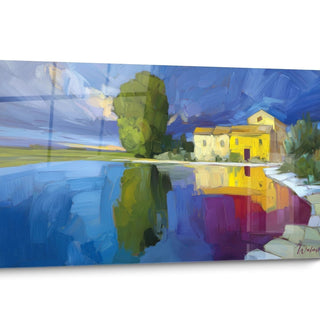 Impressionism23
artworks
Impressionism23
artworks
-
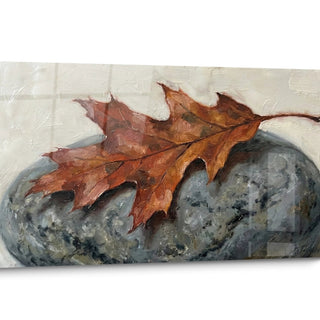 Japandi13
artworks
Japandi13
artworks
-
 Light painting3
artworks
Light painting3
artworks
-
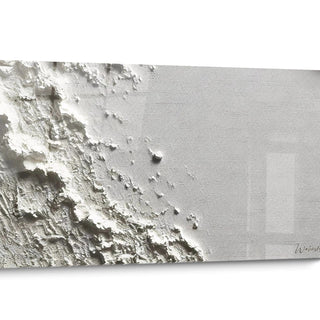 Minimalist35
artworks
Minimalist35
artworks
-
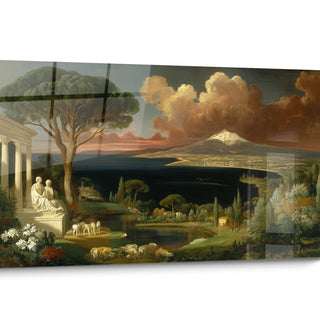 Neo-classical15
artworks
Neo-classical15
artworks
-
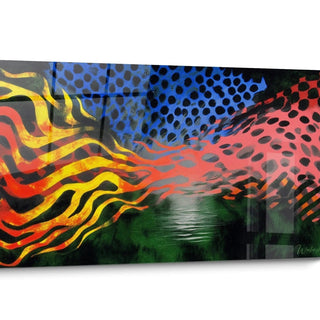 Op Art20
artworks
Op Art20
artworks
-
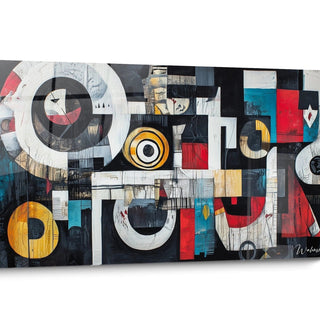 Abstract Contemporary Painting48
artworks
Abstract Contemporary Painting48
artworks
-
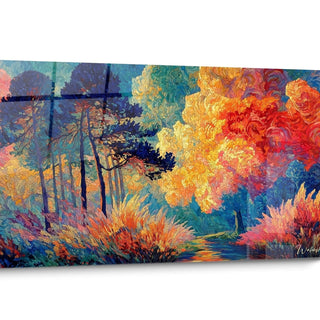 Pointillism59
artworks
Pointillism59
artworks
-
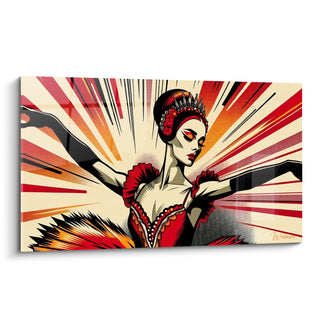 Abstract Pop Art18
artworks
Abstract Pop Art18
artworks
-
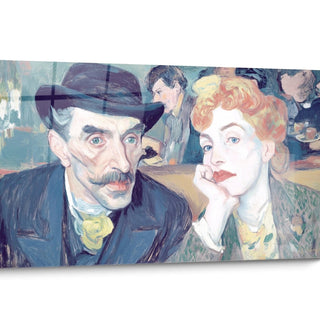 Post-Impressionism15
artworks
Post-Impressionism15
artworks
-
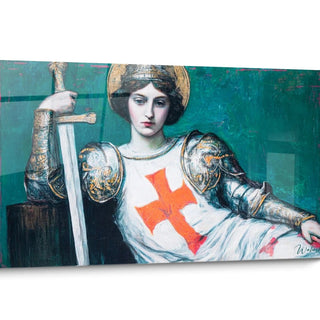 Pre-Raphaelitism11
artworks
Pre-Raphaelitism11
artworks
-
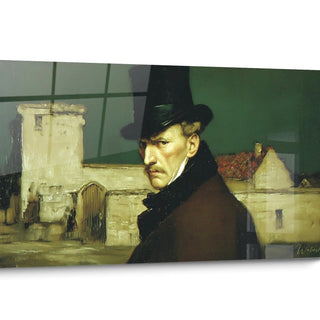 Realism10
artworks
Realism10
artworks
-
 Renaissance13
artworks
Renaissance13
artworks
-
 Italian Renaissance12
artworks
Italian Renaissance12
artworks
-
 Rococo5
artworks
Rococo5
artworks
-
 Romantic12
artworks
Romantic12
artworks
-
 Romanticism17
artworks
Romanticism17
artworks
-
 Abstract Surrealism34
artworks
Abstract Surrealism34
artworks
-
 Symbolist26
artworks
Symbolist26
artworks
-
 Vanity21
artworks
Vanity21
artworks
All about Cubism Paintings
- Overview Cubism Painting Abstract
- Cubism painting abstract and modern architecture
- Painting abstract cubism and ambient light
- Abstract cubism painting and minimalist spaces
Discover the fascinating world of abstract cubism painting, an artistic fusion that redefines contemporary visual aesthetics. These fragmented geometric works radically transform interior spaces through their commanding presence and revolutionary visual language.
Abstract cubism painting stands out for its deconstruction of traditional forms, creating a unique multidimensional perspective that immediately captures attention. Unlike simple abstract representations, these pieces integrate cubist principles of geometric fragmentation and simultaneous perspective, offering a dynamic visual experience impossible to reproduce with other artistic styles.
These large-scale artistic creations constitute a major decorative investment for contemporary art enthusiasts and discerning collectors. Their impressive size makes them masterpieces that instantly transform a room's ambiance, creating an architectural focal point that structures the surrounding space.
Explore our selection of abstract cubism paintings to discover how these artworks can metamorphose your interior with their powerful artistic presence and modern interpretation of the cubist movement.
Abstract Cubism Painting: The Perfect Alliance with Modern Architecture
Abstract cubism painting represents far more than simple wall decoration – it is an architectural extension that engages directly with the structural lines of contemporary spaces. This unique symbiosis between cubist art and modern architecture creates a visual continuity impossible to reproduce with other artistic styles.
How does abstract cubism painting restructure architectural space?
Unlike conventional artistic representations, abstract cubism painting fragments visual space by multiplying geometric perspectives. This exclusive characteristic enables unique interaction with modern architectural lines, creating a visual extension of surrounding structures.
In spaces with clean lines and pronounced angles, these works establish immediate dialogue with architecture, amplifying the impression of spatial depth. The deconstructed geometric forms of abstract cubism respond to architectural elements like suspended staircases, open mezzanines, or glass partitions, creating remarkable aesthetic continuity.
The spatial impact of large format in abstract cubism
The commanding dimensions of abstract cubism painting constitute one of its major assets in interacting with architecture. These large-scale works function as visual extensions of walls, radically modifying the spatial perception of a room.
- Creating amplified visual depth in minimalist spaces
- Extending existing architectural lines through fragmented forms
- Redefining spatial proportions through multiple perspectives
- Establishing an architectural focal point that structures the environment
Contemporary architecture enthusiasts favor abstract cubism painting precisely for this ability to serve as a visual extension of structural elements. In industrial lofts or architect-designed villas, these works are not simply hung on walls – they become integral parts of spatial design.
Reflective materials in abstract cubism painting
A distinctive characteristic of modern abstract cubism painting lies in the strategic integration of reflective materials that interact with surrounding architecture. These elements – such as metallic accents, mirrored fragments, or lacquered surfaces – create dynamic lighting effects that amplify architectural space.
This luminous interaction transforms the artwork according to different times of day, echoing fundamental principles of modernist architecture where light becomes a construction material in itself. An abstract cubism painting incorporating these reflective elements can thus radically modify the perception of architectural volume according to sunlight conditions.
What strategic positioning maximizes architectural impact?
Positioning an abstract cubism painting requires deep architectural reflection. Unlike classical works whose placement follows standardized conventions, these cubist creations benefit from integration into comprehensive spatial planning.
Interior architects frequently recommend positioning these works at architectural junction points – such as the intersection of two walls, facing an open staircase, or aligned with a crossing perspective. This approach transforms abstract cubism painting into a true architectural extension rather than a simple decorative element.
For spaces with particularly high ceilings, vertical installation of an abstract cubism painting allows emphasis of this dimension by creating an upward visual line. Conversely, in longitudinal spaces, a panoramic format can amplify horizontal perspective, radically modifying the perception of spatial proportions.
Abstract Cubism Painting and Multidimensional Light Interaction
Abstract cubism painting maintains a privileged relationship with light, creating visual interactions impossible to reproduce with other forms of artistic expression. This luminous dimension constitutes one of the most fascinating yet underappreciated aspects of these fragmented geometric works.
Chromatic metamorphosis under different light sources
Unlike monochromatic or figurative works, abstract cubism painting reveals different facets according to the lighting that illuminates it. This unique property stems directly from the geometric fragmentation inherent to the cubist movement, where each facet reacts differently to light rays.
Discerning collectors particularly value this characteristic that transforms a single artwork into multiple visual experiences throughout the day. An abstract cubism painting installed in a space bathed in natural light progressively reveals different chromatic nuances and intensities between dawn and dusk.
- Accentuation of geometric contrasts under directional light
- Revelation of secondary nuances under diffuse lighting
- Radical transformation of visual depths according to lighting angle
- Emergence of hidden patterns under specific lighting conditions
Reactive pigments in contemporary abstract cubist art
A distinctive innovation of modern abstract cubism painting lies in the strategic use of reactive pigments that specifically interact with different light spectra. These sophisticated chromatic compositions allow artworks to reveal unexpected visual dimensions according to lighting conditions.
High-end abstract cubist creations frequently integrate dichroic pigments that present different hues according to viewing angle and light source. This exclusive property reinforces the multidimensional dimension inherent to cubism by adding an additional layer of visual complexity.
How does directional lighting reveal cubist depth?
Directional lighting radically transforms the perception of abstract cubism painting by accentuating reliefs and geometric superimpositions. This unique interaction with focused light allows revelation of the structural complexity inherent to cubist compositions.
Art display experts specifically recommend installing adjustable lighting systems to maximize this three-dimensional effect. A properly illuminated abstract cubism painting can thus project structured geometric shadows that extend the artwork beyond its physical limits, creating visual extension on the supporting wall.
Light fragmentation as artwork extension
The phenomenon of light fragmentation probably constitutes the most spectacular interaction between abstract cubism painting and its environment. The geometric edges and angular surfaces characteristic of these works create light refractions that project the visual experience beyond the physical frame.
In spaces receiving lateral natural light, these light projections evolve throughout the day, transforming the immediate environment into a living extension of the artwork. This characteristic exclusive to abstract cubism painting creates an immersive experience impossible to reproduce with more conventional artistic styles.
Discerning collectors strategically position these works according to natural light sources to maximize these interactions. An abstract cubism painting placed facing an east-west oriented bay window will benefit from complete luminous metamorphosis between morning and evening, offering a constantly renewed artistic experience.
Abstract Cubism Painting in Contemporary Minimalist Environments
Abstract cubism painting establishes particularly eloquent dialogue with contemporary minimalist spaces, creating a conceptual contrast that simultaneously amplifies both aesthetics. This paradoxical symbiosis between cubist geometric complexity and minimalist spatial refinement generates a visual tension sought by avant-garde interior architects.
Calculated contrast between spatial refinement and cubist complexity
In an environment with minimalist lines, abstract cubism painting introduces a dimension of perfectly circumscribed visual complexity that paradoxically valorizes the purity of the surrounding space. This calculated opposition creates a dynamic equilibrium impossible to achieve with more conventional works.
Interior designers specialized in minimalist aesthetics favor these works precisely for this ability to introduce conceptual depth without compromising spatial clarity. A generously dimensioned abstract cubism painting thus becomes the expressive focal point of an otherwise deliberately understated space.
- Accentuation of spatial purity through contrast with geometric complexity
- Creation of a visual anchor point in large open volumes
- Introduction of emotional dimension into functional environments
- Mutual amplification of both aesthetics through conceptual opposition
How to integrate abstract cubism into a monochrome interior?
Contemporary monochrome interiors constitute a particularly suitable setting for abstract cubism painting, creating sophisticated chromatic dialogue. These neutral environments allow the geometric variations and perspective of cubism to express themselves fully without visual interference.
In predominantly white space, an abstract cubism painting incorporating targeted chromatic accents can structure the entire color scheme of the environment. These color touches can be strategically repeated in minimalist furniture elements, creating conceptual coherence between the artwork and its context.
Conversely, in environments with dark tones, an abstract cubism painting with contrasting hues introduces a dimension of luminous depth that visually lightens the whole. This chromatic interaction transforms the volumetric perception of space, creating visual transition zones that structure the gaze.
Balance between minimalist space and cubist expressivity
Abstract cubism painting allows introduction of controlled expressionist dimension into deliberately refined architectural environments. This paradoxical complementarity simultaneously satisfies the need for spatial clarity and emotional intensity, resolving the frequent dilemma between minimalism and expressivity.
Conceptual interior architects exploit this productive tension between both aesthetics to create intellectually stimulating environments without sacrificing visual harmony. A rigorously minimalist space welcoming a major abstract cubism painting thus achieves sophisticated conceptual equilibrium inaccessible to conventional decorative approaches.
FAQ on Abstract Cubism Painting
What is the difference between abstract cubism painting and classical abstract art?
Abstract cubism painting distinguishes itself through organized geometric deconstruction and simultaneous multiple perspectives, while classical abstraction may follow freer or more lyrical principles. Abstract cubism retains an underlying mathematical structure that deliberately fragments forms according to specific geometric principles.
Can abstract cubism painting fit into an industrial style interior?
Absolutely, abstract cubism painting establishes particularly relevant dialogue with industrial spaces through their respective structural geometries. The fragmented lines of abstract cubism echo the raw architectural elements of industrial spaces, creating sophisticated visual coherence between the artwork and its environment.
How to choose ideal dimensions for abstract cubism painting in a large space?
For optimal architectural impact, abstract cubism painting should ideally occupy between 60% and 75% of wall height in spaces with standard ceilings. In environments with particularly high ceilings, prioritize a pronounced vertical format that will accentuate this distinctive architectural dimension.
Further reading
Our articles on this topic
- What are the best Cubism paintings for an eclectic contemporary entrance?
- Complete Guide to Buying a Cubism Painting: Enhance Your Interior with Revolutionary Art
- Why is a Cubism Painting Perfect for a Modern Geometric Living Room?
- Reimagining Cubism: A Bold Style for Confident Decor
- Cubism Artwork: The Key to Transforming a High-End Contemporary Hotel Room
- Cubism Artwork: How to Energize a White Wall in a Bright Minimalist Home?


