


Abstract Body Wall Art
Discover our "Abstract Body" collection, a series of unique wall artworks that celebrate the beauty and complexity of the human body through abstract forms. Each piece captures the fluidity of movement and the essence of emotions, while leaving you free to interpret the lines, curves, and colors. Whether you're looking to enrich your living space or create a captivating atmosphere in an office, this collection offers pieces that will awaken your imagination. Explore "Abstract Body" and let yourself be transported by the harmonious fusion between art and the human silhouette.
 Fragmented Silhouette with Blue and Brown Shards - Fracture in Motion - Abstract Body Edition228,90 €
 Pink Silhouette Embracing a Pearlescent Sphere - Protective Embrace - Abstract Body Edition228,90 €
 Ochre and Brown Textured Feminine Silhouette Painting - Awakening of Matter - Abstract Body Edition273,90 €
 Human Silhouette Gray and Gold Light Disc Painting - Radiant Two-Tone Circle - Abstract Body Edition273,90 €
 Gray Anthracite and Gold Silhouette Artwork - Geometric Flight - Abstract Body Edition242,90 €
 Human Silhouette Anthracite and Gold Artwork, Arms Spread - Cosmic Balance - Abstract Body Edition242,90 €
 Sculptural Silhouette Ochre and Rust Textured Artwork - Dissolved Memory - Abstract Body Edition273,90 €
 Sand Hand Painting Ochre and Brown - Mark of Time - Abstract Body Edition273,90 €
 Painting Silhouette Open Arms Ivory and Gold - Inner Elevation - Abstract Body Edition273,90 €
 Painting Silhouette open arms anthracite gold - Solar Offering - Abstract Body Edition273,90 €
 Textured Silhouette Painting with Ochre and Brown Fibers - Metamorphosis into Dust - Abstract Body Edition228,90 €
 Sandy Hand Painting in Ochre and Brown Tones - Frozen Imprint - Abstract Body Edition228,90 €
 Human Silhouette Silver and Gold Divided Artwork - Inner Dualism - Abstract Body Edition228,90 €
 Ivory Silhouette with Turquoise Streaks Contemplating a Red Disk - Profile Leaning Towards the Horizon - Abstract Body Edition273,90 €
 Profile Face Painting with Sage Green and Terracotta Strands - Silent Breath - Abstract Body Edition273,90 €
 Green Silhouette with Fragmented Shards - Fragmented Shard - Abstract Body Edition273,90 €
 Red and Blue Tango Dancers Painting - Passion in Motion - Abstract Bodies Edition273,90 €
 Painting Dancers in Yellow and Pink Splattered Dresses - Frenzied Dance - Abstract Body Edition273,90 €
 Extended Silhouette with Golden and Blue Sheets - Sacred Rest - Abstract Body Edition273,90 €
 Painting Reclining Statue with Blue and Gold Draperies - Sculptural Rest - Abstract Body Edition273,90 €
 Blue Woman with Golden Drapes - Silent Reverie - Abstract Body Edition273,90 €
 Blue and Red Silhouette Painting in Front of Orange Disc - Scarlet Splashes - Abstract Body Edition273,90 €
 Painting Elongated Silhouette in Blue and Gold Smoke - Nocturnal Dream - Abstract Body Edition273,90 €
 Geometric Face Mosaic with Gold and Red - Solar Ritual - Abstract Body Edition273,90 €
In the same family
Also explore the theme Abstract
-
 View all4182
artworks
View all4182
artworks
-
 Abstract123
artworks
Abstract123
artworks
-
 Colorful Abstract153
artworks
Colorful Abstract153
artworks
-
 Blue marble abstract7
artworks
Blue marble abstract7
artworks
-
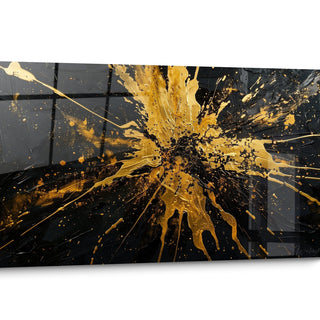 Black and Gold Abstract10
artworks
Black and Gold Abstract10
artworks
-
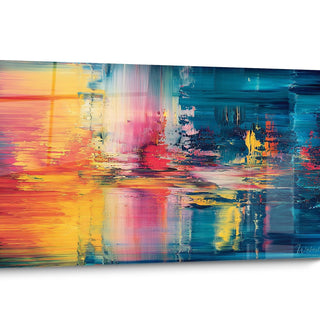 Abstract Scraped Style9
artworks
Abstract Scraped Style9
artworks
-
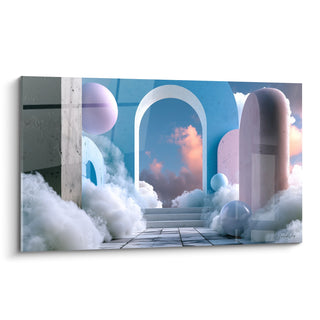 Abstract Architecture517
artworks
Abstract Architecture517
artworks
-
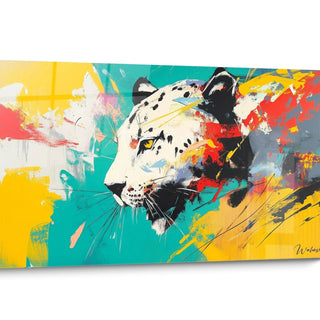 Abstract Artistic319
artworks
Abstract Artistic319
artworks
-
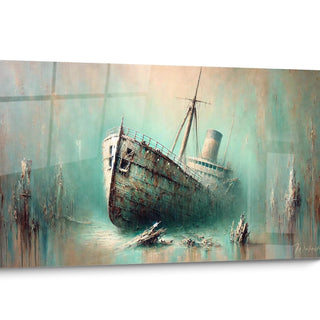 Abstract Boat228
artworks
Abstract Boat228
artworks
-
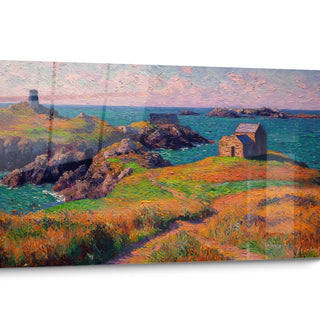 Abstract Seaside39
artworks
Abstract Seaside39
artworks
-
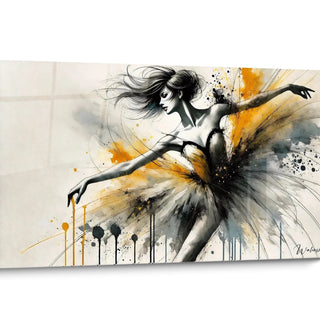 Abstract Dancer305
artworks
Abstract Dancer305
artworks
-
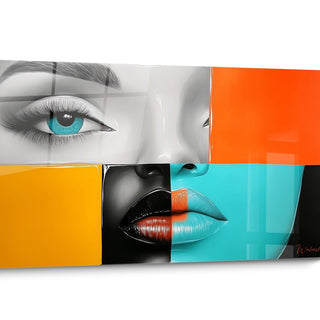 Abstract Figurative23
artworks
Abstract Figurative23
artworks
-
 Abstract Flower90
artworks
Abstract Flower90
artworks
-
 Geometric392
artworks
Geometric392
artworks
-
 Abstract Marble169
artworks
Abstract Marble169
artworks
-
 Modern Abstract106
artworks
Modern Abstract106
artworks
-
 Contemporary Multicolour36
artworks
Contemporary Multicolour36
artworks
-
 Multicolor Abstract224
artworks
Multicolor Abstract224
artworks
-
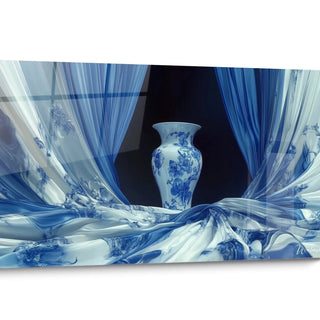 Abstract Still Life9
artworks
Abstract Still Life9
artworks
-
 Painting (style)638
artworks
Painting (style)638
artworks
-
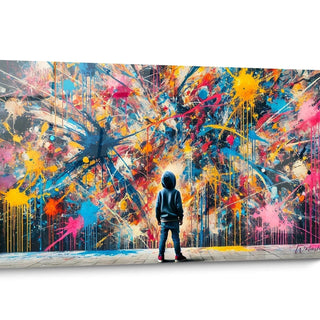 Abstract Pop Art5
artworks
Abstract Pop Art5
artworks
-
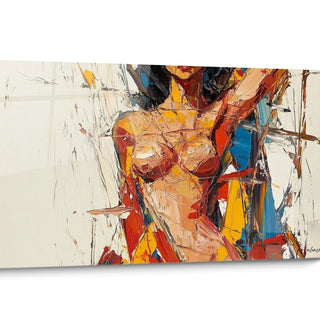 Sensual Abstract16
artworks
Sensual Abstract16
artworks
-
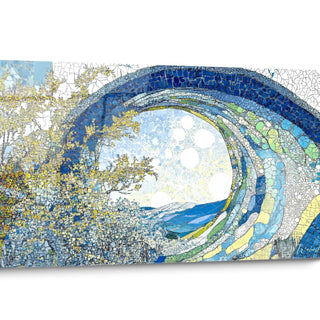 Abstract Spirals141
artworks
Abstract Spirals141
artworks
-
 Textured Abstract39
artworks
Textured Abstract39
artworks
-
 Abstract Face508
artworks
Abstract Face508
artworks


All about Abstract Body Wall Art
- Description Painting Body Abstract
- Painting body abstract and interior architecture
- Painting body abstract and emotional impact
- Painting body abstract and spatial enhancement
The body abstract painting represents a unique artistic expression where the human form is interpreted through a non-figurative prism. These works captivate with their ability to evoke the silhouette and movements of the body while transcending the literal representation of the body. Combining dynamism and fluidity, these creations transform wall spaces into true aesthetic focal points. Explore our collection to discover how a abstract painting representing the human body can transform your interior with its monumental presence and singular interpretation of human anatomy.
Painting Body Abstract: Artistic Fusion between Anatomy and Contemporary Expression
The body abstract painting constitutes a distinct artistic category that transcends simple figurative representation to explore the contours, movements, and energies of the human body through a deconstructed visual language. This particular form of art is distinguished by its ability to capture the very essence of the body without literally representing it.
How does a body abstract painting transform the acoustics of a room?
The large formats characteristic of body abstract paintings surprisingly influence the acoustics of spaces. Abstract anatomical representations, with their textured surfaces and imposing dimensions, contribute to absorbing certain sound frequencies, creating a more muffled atmosphere. In lofts or open spaces with high ceilings, the installation of a monumental work representing abstract body forms allows reverberations to be attenuated while offering a striking visual experience.
Fluid and organic shapes typical of these artistic representations diffuse sound waves more harmoniously than rigid geometric structures. This unique characteristic makes the body abstract painting a particularly judicious choice for living spaces where acoustics play a primordial role, such as music rooms or meditation rooms.
Architectural influence of abstract body lines
The integration of a body abstract painting into a contemporary architectural environment creates a fascinating dialogue between the lines of the building and those of the body representation. Organic curves and suggested muscle tensions naturally counterbalance the right angles and rectilinear structures of modern interiors.
In minimalist spaces, the presence of a large-scale body abstract painting brings a welcome visual complexity without overwhelming the clean aesthetic. Flesh tones, ochre, or terracotta colors often present in these works instantly warm up interiors with neutral palettes, creating an emotional anchor in environments sometimes considered austere.
Interior architects particularly recommend these works for transitional spaces such as spacious hallways or stairwells, where the movement suggested by the abstract body forms naturally accompanies the observer's movement.
Ideal viewing distances to appreciate a body abstract painting?
Unlike classical figurative works, the body abstract painting reveals its subtleties at different viewing distances. This unique characteristic requires particular consideration regarding its placement. Museum curators suggest a primary viewing distance of approximately 2.5 times the height of the work to grasp the entirety of the body composition.
However, these artistic creations also offer a fascinating close-up experience. At short distance, the textures, impastos, and mixed techniques used to suggest anatomical reliefs become perceptible, offering a second reading of the work. This dual perceptive quality makes the body abstract painting a particularly interesting artistic investment for spacious residential spaces where different viewing points are possible.
For interiors with more modest areas, prioritize a positioning allowing for a minimum distance of 1.8 meters, thus guaranteeing the proper perception of the abstract body forms in their entirety.
Specific light interaction with abstract body representations
The varied surfaces and subtle reliefs present in an abstract body painting interact in a unique way with light, creating variations in perception throughout the day. This distinctive characteristic justifies particular attention to lighting. Art illumination experts recommend the use of directional lighting with a color temperature between 3000K and 3500K, reproducing the natural light of mid-morning. This approach particularly highlights the delicate nuances and color transitions often present in anatomical abstract representations. The ideal lighting angle is between 30 and 45 degrees relative to the surface of the artwork, allowing the subtleties of textures suggesting muscles, joints, or movements to be revealed, without creating distracting reflections. This specific lighting technique literally transforms the perception of the artwork in the evening, offering a radically different visual experience from that observed in natural light.
The kinesesthetic dimension of the abstract body painting
A fascinating characteristic of the abstract body painting lies in its ability to evoke kinesthetic sensations in the viewer. Representations of twists, stretches, or abstract muscle tensions subtly activate the brain areas related to our own body awareness. Neuroaesthetic studies have shown that observing these works triggers activity in the brain regions responsible for our proprioception. This neurological resonance creates a unique physical connection between the artwork and its viewer, a fundamental distinction compared to other abstract paintings. This experiential dimension makes the abstract body painting a particularly relevant choice for wellness spaces such as yoga studios, body therapy centers, or private meditation rooms. The subtle neuronal activation generated by these works contributes to strengthening body awareness and present moment grounding sought in these practices.
Emotional and Psychological Impact of the Abstract Body Painting in Everyday Environments
The abstract body painting has this unique characteristic of being able to evoke profound emotional reactions through its way of deconstructing and reinterpreting the human form. This specific artistic category goes beyond simple decoration to become a true emotional catalyst in living or professional spaces.
How does the abstract body painting subconsciously influence our perception of space?
Neuroscientists specializing in visual perception have identified a fascinating phenomenon: our brain reacts differently to body silhouettes, even when they are abstract, compared to other non-anthropomorphic shapes. The abstract body painting activates the fusiform region of our brain, responsible for recognizing human bodies, creating a particular neurological resonance.
This specific brain activation generates a feeling of inhabited space, even in an empty room. Large-format abstract body paintings amplify this phenomenon, explaining why these works radically transform the perception of a room, giving it an almost human presence. In high-end commercial spaces, this characteristic is exploited to create a welcoming atmosphere without resorting to literal representations.
Space designers also use this unique property to generate reassuring environments where the presence of humans is subtly suggested, without the sometimes intimidating intensity of a figurative portrait.
Chromatic resonance and hormonal balance
The characteristic palette of the abstract body painting, often composed of flesh tones, deep pinks, and ochres reminiscent of human skin, interacts with our endocrine system in a surprising way. Studies in chromotherapy reveal that prolonged exposure to these specific color ranges can influence the production of serotonin and endorphins. This particularity makes the abstract body painting a judicious choice for relaxation or recovery spaces. In luxury hotel suites and spa spaces, these works are strategically positioned facing resting areas to maximize their relaxing effect. Flesh tones and organic shapes suggesting the human body in a relaxed position subconsciously reinforce the feeling of well-being and surrender. Conversely, abstract body representations with tense and dynamic lines, using more marked color contrasts, stimulate mental and physical awakening, justifying their presence in spaces dedicated to creativity or intellectual activity.
What psychological mechanisms are activated when facing the abstract body painting?
The abstract body painting occupies a unique psychological position: it simultaneously activates body recognition and abstract interpretation mechanisms. This cognitive duality creates what art psychologists call a particularly engaging "perceptual tension" for the mind.
This productive mental tension explains the exceptionally long attention-capturing power of these works compared to other art forms. Where average visual attention to an artwork in a domestic setting is generally limited to a few seconds, the abstract body painting maintains visual engagement for significantly longer periods.
Therapists use this characteristic in the treatment of body image disorders. Guided contemplation of works representing abstract bodies allows patients to gradually rebuild a more harmonious relationship with their own physicality, by appropriating the interpretive freedom offered by these non-literal representations.
The contemplative dimension of frozen movement
A defining characteristic of the abstract body painting lies in its ability to capture the essence of bodily movement in a static format. This apparent contradiction creates a particular contemplative state in the observer, comparable to that sought in some meditative practices.
Suspended bodily forms, evoking unfinished gestures or transient postures, engage our predictive neurological system. Our brain unconsciously tries to complete the suggested movement, creating a dynamic interaction between the artwork and the observer. This subtle neuronal activation explains the meditative effect often reported in front of these works.
In high-pressure professional environments, such as executive meeting rooms or decompression areas in medical centers, the abstract body painting offers a contemplative anchor point allowing for a momentary but profound mental disconnection, without the distraction that a narrative work would represent.
Identity transition and personal projection
The very nature of the abstract body painting, oscillating between recognition and interpretation, makes it a privileged support for identity projection. The absence of precise facial definitions and the emphasis on body posture allows each observer to intimately appropriate the work.
This characteristic is particularly valued in spaces undergoing periods of transformation, such as interiors undergoing functional or aesthetic redefinition. The abstract body painting symbolically accompanies these transitions by offering a representation of humanity in perpetual redefinition.
Life transition specialists (moving, separation, career change) frequently recommend these works for their ability to visually materialize personal transformation processes, thus providing a tangible support for inner journeys.
Spatial Enhancement with Abstract Body Paintings: Architectural Integration Strategies
The abstract body painting is distinguished by its unique ability to transform the volumetric perception of spaces. Beyond its artistic dimension, this specific category of works directly influences our spatial apprehension, creating architectural effects impossible to achieve with other types of wall representations.
How can an abstract body painting correct the proportional imbalances of a room?
Interior architects strategically use abstract body paintings to visually correct the proportional imperfections of spaces. Unlike geometric compositions which tend to accentuate existing structural lines, the organic fluidity of abstract bodily forms allows for subtle counterbalancing of imbalances.
In rooms with excessively high ceilings, the horizontal installation of an abstract body painting representing elongated forms creates a visual force line that rebalances the dominant vertical proportions. Conversely, in spaces with low ceilings, a vertical abstract bodily composition accentuating elongation produces a particularly effective illusion of elevation.
Interiors with atypical plans, such as triangular or asymmetrical rooms, particularly benefit from the integration of an abstract body painting whose guiding lines counterbalance the unusual angles. This specific application transforms an architectural constraint into a distinct aesthetic opportunity.
Virtual segmentation and functional zones
In contemporary open spaces, an abstract body painting offers an elegant solution for creating functional demarcations without resorting to physical separations. The visual strength of these artworks naturally establishes zones of attention that structure the space.
Monumental abstract body representations act as true visual anchors, allowing to define distinct "territories" within a unified volume. In lofts or large multifunctional living rooms, this technique allows to visually delineate the living room area from the dining area without compromising architectural fluidity.
This ability to create perceptual boundaries rather than physical ones proves particularly valuable in open-plan professional environments, where balancing collaboration and individual concentration is a constant challenge. A strategically positioned abstract body painting establishes a clear visual transition between different functional zones.
What dimensions should be prioritized to maximize the architectural impact of an abstract body painting?
The dimensional question is crucial in exploiting the architectural potential of the abstract body painting. Contrary to popular belief, the optimal ratio between the dimension of the artwork and that of the supporting wall does not follow a fixed percentage rule, but depends on the spatial effect sought.
To create a sense of spatial expansion, experts recommend particularly elongated formats, with a width/height ratio of approximately 1:3 for vertical compositions or 3:1 for horizontal compositions. These extreme proportions amplify the characteristic sense of movement in abstract body representations, visually dynamizing the surrounding space.
In configurations where the goal is to establish a dominant focal point, a monumental format occupying approximately 65-70% of the wall's height – without being less than 40 cm from the ceiling – will generate maximum architectural impact. This specific proportion creates an imposing presence while preserving the necessary "breathing room" to enhance the artwork.
Intuitive circulation and visual pathways
A particularly sophisticated application of the abstract body painting concerns its use as an implicit circulation guide. The guiding lines of abstract body compositions subconsciously influence our trajectories in physical space.
In high-end commercial environments, this property is exploited to naturally orient the flow of visitors. An abstract body painting suggesting movement instinctively encourages movement along the suggested axis, allowing to subtly guide customer journeys without explicit signage.
This influence on circulation proves particularly valuable in complex residential spaces with multiple entry or exit points. Strategic installation of these artworks can intuitively clarify preferred routes, simplifying spatial reading for unfamiliar visitors.
Dialogue with existing structural elements
The successful integration of an abstract body painting largely depends on its relationship with existing architectural elements. More than a simple decorative addition, these artworks can establish a true dialogue with the built structure.
In interiors with distinctive architectural elements such as sculptural staircases, exposed beams, or mezzanines, the abstract body painting can amplify or counterbalance these characteristics. A composition evoking muscle tension placed near a spiral staircase visually accentuates the upward dynamic, creating a striking formal resonance.
Conversely, in spaces with strictly orthogonal architecture, the fluid and organic lines characteristic of these representations introduce a welcome counterpoint, humanizing potentially austere environments by subtly evoking the presence of the body.
FAQ on Abstract Body Paintings
Can an abstract body painting be integrated into a Scandinavian style interior?
Absolutely, the abstract body painting brings a welcome organic warmth to Scandinavian interiors dominated by light wood and neutral tones. Prioritize artworks with terracotta or pale ochre tones to harmoniously complement the Nordic palette while introducing a sensory dimension that balances the sometimes minimalist aesthetic of these environments.
What is the minimum recommended distance between two abstract body paintings in a wall composition?
For a wall composition including several abstract figure paintings, maintain a distance equivalent to approximately 25-30% of the width of the largest artwork. This specific proportion preserves the visual breathing space necessary while maintaining overall cohesion. Absolutely avoid equal spacing between each piece, which would create a rhythm too mechanical, contradicting the organic fluidity of these representations.
How to adapt the lighting of an abstract figure painting in a room with changing natural light?
In spaces benefiting from variable natural light, opt for an automated progressive intensity lighting system, equipped with light sensors. Program a compensation inversely proportional to the variations in natural light, thus maintaining a constant perception of the reliefs and textures of the artwork. LED lighting with adjustable color temperature (2700K-4000K) allows you to adapt the lighting atmosphere throughout the day, revealing different readings of the abstract figure composition.L'art qui suscite l'envie
Maison belge d'art mural grand format
14 jourspour changer d'avis*
Protection Walenskyincluse
Fabriquéen Italie
FormatXXL
Kit de fixationtoujours fourni
* Hors tableaux personnalisés et tailles personnalisées


