


Wall Art for Zen Dental Practice
Our collection Tableau pour cabinet dentiste Zen transforms your medical space into a haven of peace. Designed specifically for dental professionals, this artistic selection combines soothing aesthetics and functionality. Each piece of décoration murale zen pour dentiste diffuses a relaxing atmosphere that calms your patients upon arrival. Soft tones, harmonious compositions and serene visuals characterize these creations designed to reduce anxiety. Our art mural apaisant cabinet médical integrates perfectly into any modern professional environment.
 Wall Art In the Silence of the Reeds - Japanese Asia Edition233,90 €
 Koi Dance Wall Art - Asia Edition233,90 €
 Ginkgo Leaf Wall Art No. 3 - Nature Edition233,90 €
 Ginkgo Leaf Wall Art No.1 - Nature Edition233,90 €
 Arum Painting N°2 - Nature Edition233,90 €
 Arum Painting N°1 - Nature Edition233,90 €
 Organic Fortress Wall Art - Zen Bamboo Edition233,90 €
 Ephemeral Stability Wall Art - Zen Feng Shui Edition233,90 €
 Spiritual Harmony Artwork - Zen Buddha Edition233,90 €
 Natural Harmony Canvas - Diverse Zen Edition233,90 €
 Azure Mist Wall Art - Abstract Seascape Edition233,90 €
 Zen Alley Wall Art - Zen Edition233,90 €
 Balance Pastel Wall Art - Zen Edition233,90 €
 Flowers and Lanterns Canvas - Zen Edition233,90 €
 Flower of Light Canvas - Zen Edition233,90 €
 Forest Balance Canvas - Zen Edition233,90 €
 Floral Softness Artwork - Zen Edition233,90 €
 Minimalist Harmony Wall Art - Zen Edition233,90 €
 Moon Flower Painting - Zen Edition233,90 €
 Inner Awakening Wall Art - Zen Edition233,90 €
 Balance Wall Art - Zen Edition233,90 €
 Calm Turquoise Wall Art - Zen Edition233,90 €
 Perfect Balance Artwork - Asia Edition233,90 €
 Spring Softness Wall Art - Asia Edition233,90 €
Explore further
In Wall Art for Zen Dental Practice
-
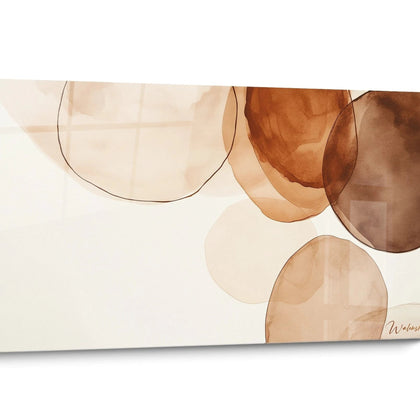 Wall Art for Dental Office100
artworks
Wall Art for Dental Office100
artworks
-
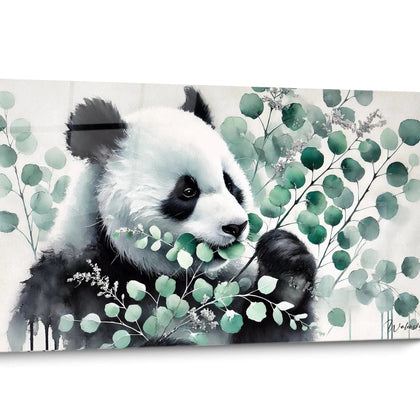 Wall Art for Dental Office Watercolor7
artworks
Wall Art for Dental Office Watercolor7
artworks
-
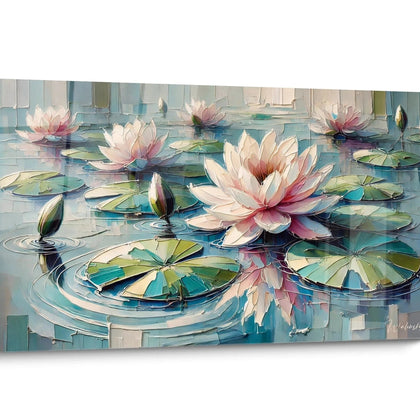 Abstract Wall Art for Dental Office17
artworks
Abstract Wall Art for Dental Office17
artworks
-
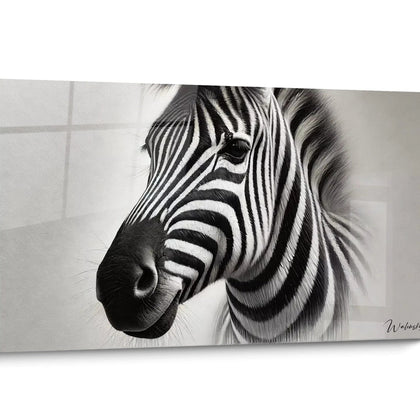 Minimalist Wall Art for Dental Office20
artworks
Minimalist Wall Art for Dental Office20
artworks
-
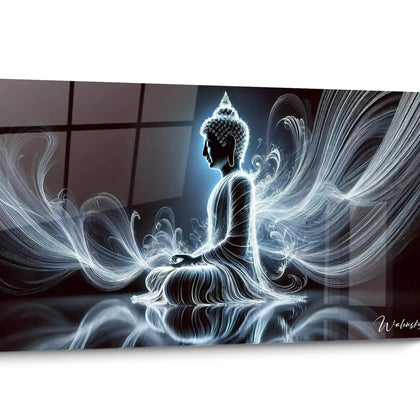 Wall Art for Modern Dental Practice24
artworks
Wall Art for Modern Dental Practice24
artworks
-
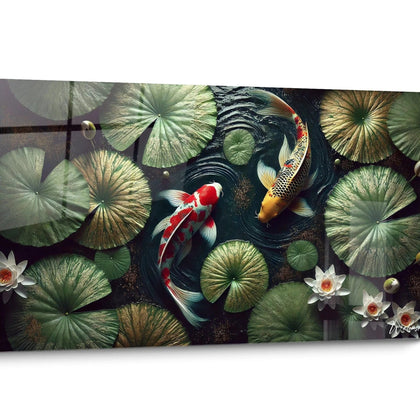 Wall Art for Asian Dental Practice16
artworks
Wall Art for Asian Dental Practice16
artworks
-
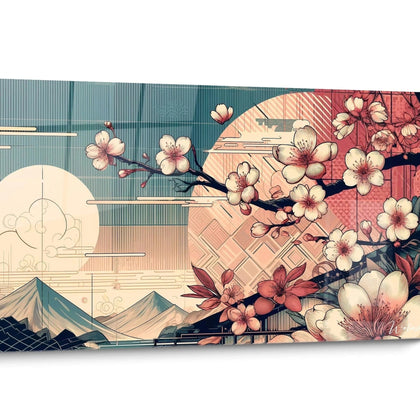 Floral Dental Office Wall Art24
artworks
Floral Dental Office Wall Art24
artworks
-
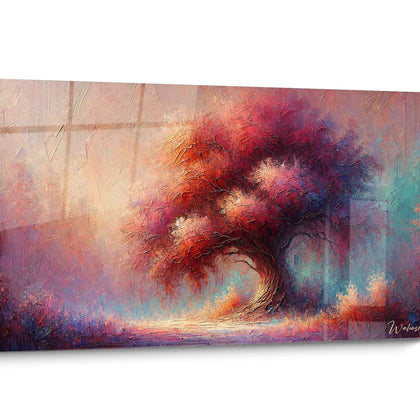 Wall Art for Dental Office Nature24
artworks
Wall Art for Dental Office Nature24
artworks
-
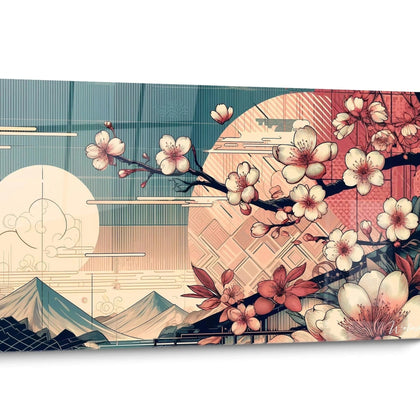 Turquoise Dental Office Wall Art10
artworks
Turquoise Dental Office Wall Art10
artworks
-
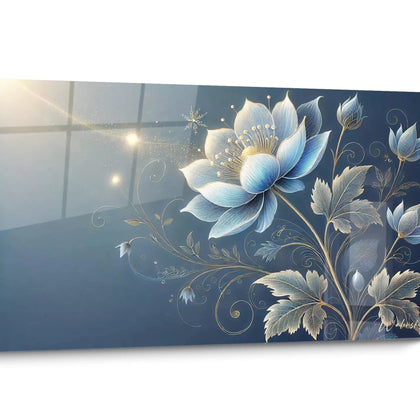 Golden Dental Office Wall Art19
artworks
Golden Dental Office Wall Art19
artworks
All about Wall Art for Zen Dental Practice
- Zen Dentist Wall Art Presentation
- Soothing Ambiance
- Patient Psychology
- Therapeutic Design
Transforming a dental practice into a sanctuary of serenity requires thoughtful consideration of every visual element. The Zen dental practice wall art embodies this philosophy of calm, specifically designed to dispel dental anxiety affecting nearly 75% of patients. These large-scale wall compositions create strategic visual focal points that divert attention from medical instruments and significantly reduce pre-operative stress. The Zen approach in dental settings relies on precise neurological principles: minimalist visual representations activate brain regions associated with relaxation, decreasing cortisol production by up to 28% according to environmental psychology studies. These large-format wall artworks integrate specific chromatic codes and refined compositions that radically transform the spatial perception of the practice, metamorphosing the clinical environment into a restorative space. Investment in Zen dental practice wall art meets modern patient expectations for humanized and compassionate medical experiences.
Creating a Sensory Relaxation Atmosphere in Dental Consultation
Installing Zen dental practice wall art addresses a major clinical issue: managing anticipatory anxiety that begins upon entering the waiting area and intensifies in the treatment chair. These large-scale wall compositions exploit principles of passive visual therapy, offering patients mental refuge during procedures. Refined motifs inspired by Japanese gardens, natural rock formations, or minimalist aquatic landscapes generate a gentle hypnotic effect that naturally slows heart rate.
How do Zen visual elements reduce muscle tension in anxious patients?
Behavioral science demonstrates that balanced asymmetric compositions, characteristic of Zen design, stimulate the production of alpha brain waves associated with light meditation. Zen dental practice wall art positioned in the direct field of vision of a reclined patient becomes a powerful attentional anchor. Predominantly horizontal lines unconsciously evoke stability and security, counteracting the emotional instability linked to dental treatment. Compositions including significant negative space allow the eye to rest, reducing visual fatigue during prolonged procedures.
Chromatic integration serving neurological calm
The restricted palettes favored in these wall artworks exploit specific tonalities: cerulean blues for their documented action on lowering blood pressure, sage greens evoking regenerative nature, mineral beiges suggesting stabilizing earth. These chromatic choices are never arbitrary but calibrated according to clinical chromotherapy research. Relaxing dental practice ambiance wall art of imposing dimensions creates an immersive visual envelope that psychologically masks anxiety-inducing medical equipment. To enrich your calming decorative approach, also discover our collection of Abstract dental practice wall art offering complementary alternatives.
Strategic positioning to maximize therapeutic effect
The effectiveness of Zen dental practice wall art depends crucially on its placement: directly facing the treatment chair, in the natural line of vision of the reclined patient. This orientation transforms the artwork into a meditative focal point during critical intervention moments. The generous dimensions recommended for these professional spaces allow peripheral immersion, saturating the patient's upper visual field with calming elements rather than the standard clinical ceiling.
Environmental Psychology Applied to Dental Context
The emotional architecture of a modern dental practice now integrates Zen dental practice wall art as a non-pharmaceutical therapeutic device. This approach is part of the holistic dentistry movement that recognizes the direct physiological impact of stress on pain tolerance and patient cooperation. Neuro-aesthetic research reveals that exposure to Zen compositions activates the parasympathetic nervous system, responsible for bodily relaxation responses.
What measurable impacts on phobic patient behavior?
Practices that have integrated large-scale Zen wall artworks report an average 40% reduction in last-minute anxiety-related cancellations. Zen dental practice wall art functions as a reassuring environmental signal from the appointment booking stage, when patients discover the space through practice photos. This visual continuity between the anticipated mental image and real experience reduces cognitive dissonance that causes stress. Minimalist compositions avoid sensory overload particularly problematic for hypersensitive patients or those with autism spectrum disorder, a population statistically more affected by dental phobia.
Creating a soothing visual ritual
Regular patients unconsciously develop positive associations between the Zen visual elements of the practice and the successful completion of their previous procedures. This reversed Pavlovian conditioning transforms dental practice serenity décor art into a trust trigger. Practitioners report that some patients specifically request to be positioned facing "their" artwork, creating a personal mental preparation ritual. This psychological appropriation of the clinical space decreases the inherent vulnerability feeling of the reclined position in a medical environment.
How do Zen compositions modify time perception during treatment?
A fascinating phenomenon documented in several clinical studies shows that patients exposed to Zen visuals systematically underestimate the actual duration of their procedure by 15 to 25%. This positive time distortion results from the light meditative state induced by contemplating refined patterns. Large-scale Zen dental practice wall art provides sufficient subtle details to maintain floating attention without demanding active concentration, creating a natural altered state of consciousness. Fluid lines and smooth transitions between chromatic zones guide the eye through a visually endless path, mimicking visual scanning techniques used in medical hypnosis.
Therapeutic Design and Sensory Architecture of the Modern Practice
Integrating Zen dental practice wall art transcends mere decoration to become a structural component of the patient experience. Next-generation practices adopt a multisensory approach where each visual element contributes to a coherent therapeutic ecosystem. These large-format wall artworks dialogue with indirect lighting, natural materials, and soft acoustics to create a synergistic calming effect. Zen design applied to medical environments relies on the principle of "ma," that Japanese negative space allowing visual and psychological breathing.
Material harmony between wall supports and Zen philosophy
Favored supports for these compositions respect minimalist ethics: matte finishes with anti-glare properties preserving contemplation without luminous distraction, absence of heavy frames in favor of refined installations harmonizing with the visual lightness of compositions. Large-scale Zen dental practice wall art requires architectural integration planning: positioning relative to natural light sources to prevent glare on the reclined patient, chromatic coordination with wall tones to create calming continuity rather than stimulating contrast.
Emotional durability of timeless compositions
Unlike ephemeral decorative trends, dental practice wall art Zen philosophy possesses a timeless quality protecting the practitioner's aesthetic investment. Their universal visual language transcends fashion without ever appearing dated, maintaining their psychological efficacy over years. This reassuring permanence contributes to the stable visual identity of the practice, a crucial element in patient retention. Patients rediscover these familiar visual landmarks with relief at each visit, reinforcing the feeling of territorial security.
What synergies with other sensory elements of the practice?
Maximum effectiveness of Zen dental practice wall art is achieved through sensory coordination: sound diffusion of natural sounds coherent with visual themes (aquatic rustling if the artwork evokes water, forest sounds for plant compositions), slightly cool ambient temperature evoking mineral purity of Zen compositions, elimination of aggressive medical odors in favor of subtle natural scents. This multisensory orchestration amplifies the relaxing effect of each individual component according to the cross-potentiation principle.
FAQ: Zen Dental Practice Wall Art
What is the difference between Zen dental practice wall art and standard wall decoration?
Zen dental practice wall art is specifically calibrated according to medical environmental psychology principles: minimalist compositions reducing cognitive load, chromatic palettes selected for their documented physiological calming properties, and dimensions calculated to create visual immersion from the reclined patient position. These artworks constitute non-pharmaceutical therapeutic devices unlike simple aesthetic decoration.
Is Zen dental practice wall art suitable for pediatric dentists?
Absolutely, with particularly remarkable effectiveness with anxious young patients. Children possess a natural ability to absorb into calming visuals, and Zen compositions offer sufficient simplicity not to over-stimulate while providing enough subtlety to maintain their attention during procedures. Pediatric dentists report significant improvement in child cooperation during delicate interventions.
How to maintain Zen dental practice wall art in a medical environment?
Large-scale artworks intended for dental practices use supports and coatings compatible with medical hygiene protocols: non-porous surfaces cleanable with standard disinfectants, resistance to variable ambient humidity, chromatic stability against intense professional lighting. Gentle monthly dusting is generally sufficient, preserving the aesthetic investment long-term without alteration of therapeutic visual impact.


