

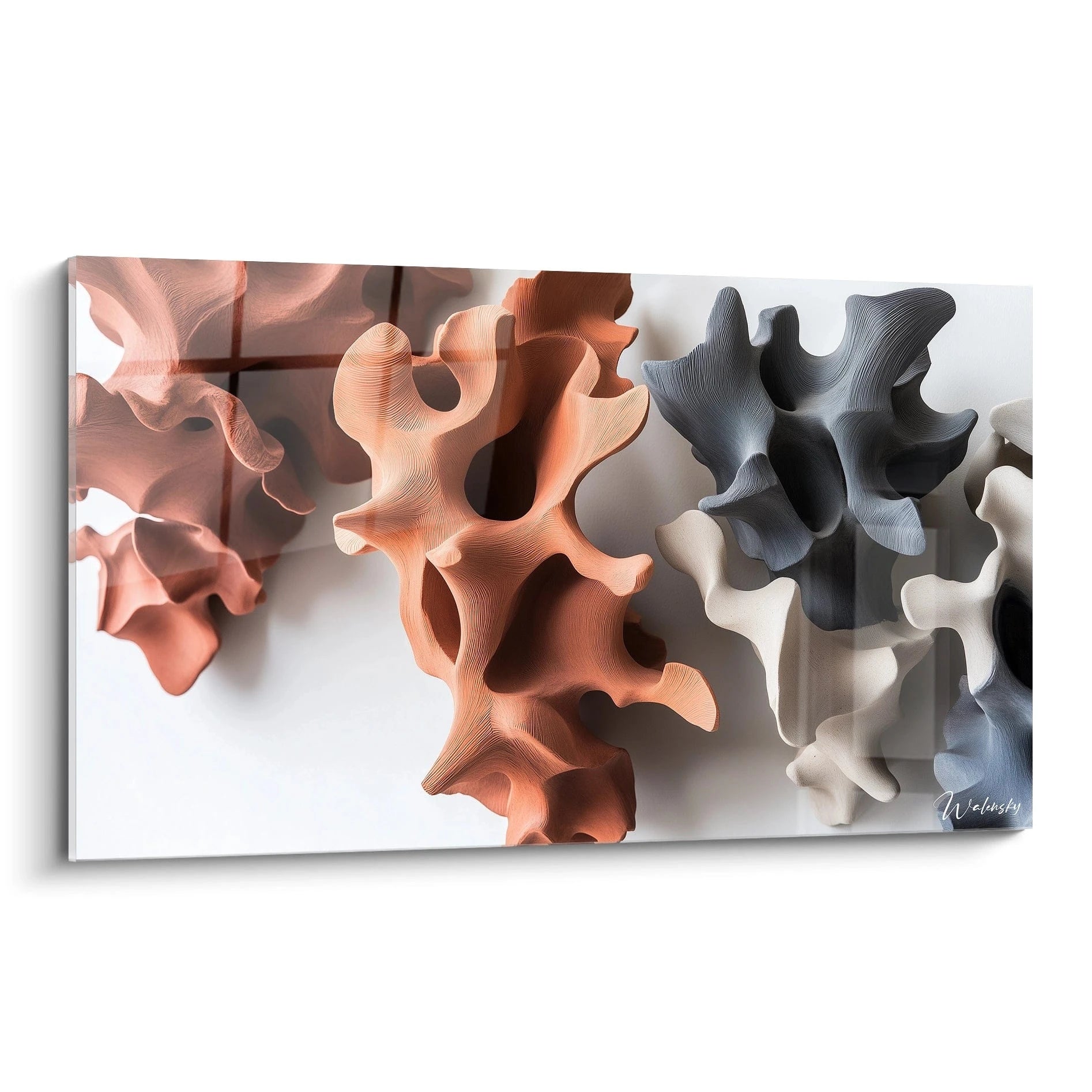







Abstract Wall Art for Dental Office
Our Painting for Dental Office Abstract collection transforms your medical space into a soothing and refined environment. These contemporary works with soft shapes and harmonious colors create a serene atmosphere, ideal for reassuring your patients. Each abstract painting for dental waiting room is carefully selected for its relaxing power and professional aesthetics. Perfect for a modern dental office wall decoration, these creations bring elegance and serenity to your practice.
 Koi Dance Wall Art - Asia Edition273,90 €
 Terracotta Painting No. 6 - Nature Edition273,90 €
 Tree of Dreams Wall Art - Zen Tree of Life Edition273,90 €
 Painting Embraced by the Sea - Beach Landscape Edition273,90 €
 Azure Mist Wall Art - Abstract Seascape Edition273,90 €
 Jade Reflections Wall Art - Abstract Seaside Edition273,90 €
 Midnight Blue Painting - Abstract Flower Edition273,90 €
 Petals on Water Canvas - Abstract Flower Edition273,90 €
 Silk Glow Wall Art - Abstract Flower Edition273,90 €
 Porcelain Garden Wall Art - Abstract Flower Edition273,90 €
 Brilliance of Purity Wall Art - Abstract Flower Edition273,90 €
 Geometric Balance Painting - Abstract Cubism Edition273,90 €
 Softness Vision Wall Art - Abstract Flower Edition273,90 €
 Echoes of the Open Sea - Abstract Boat Painting Edition273,90 €
 Graceful Jellyfish Wall Art - Wild Essence Edition273,90 €
 Fluid Zen Painting - Wild Essence Edition273,90 €
 Fluid Peace Painting - Zen Edition273,90 €
Explore further
In Abstract Wall Art for Dental Office
-
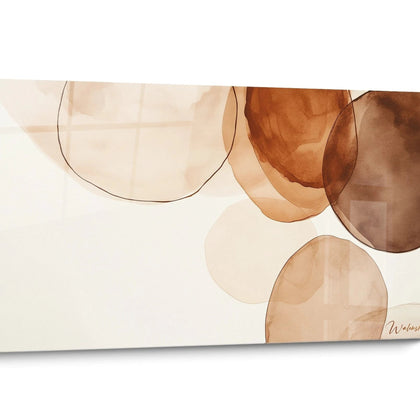 Wall Art for Dental Office100
artworks
Wall Art for Dental Office100
artworks
-
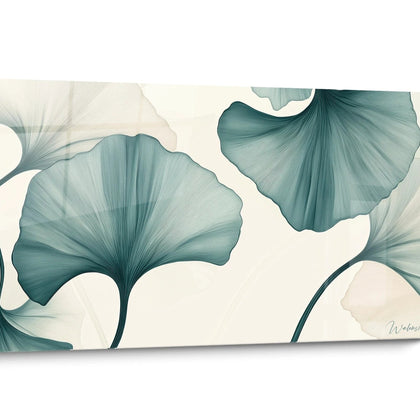 Wall Art for Zen Dental Practice24
artworks
Wall Art for Zen Dental Practice24
artworks
-
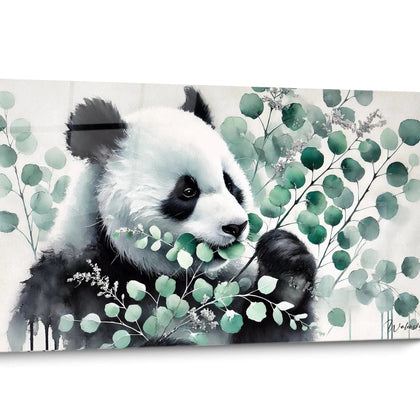 Wall Art for Dental Office Watercolor7
artworks
Wall Art for Dental Office Watercolor7
artworks
-
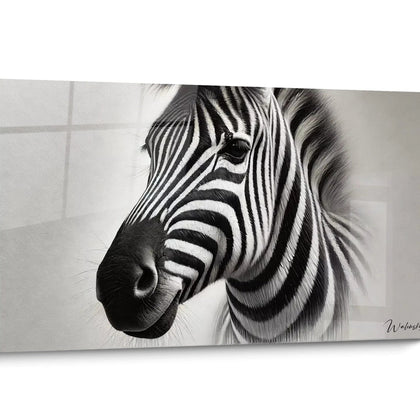 Minimalist Wall Art for Dental Office20
artworks
Minimalist Wall Art for Dental Office20
artworks
-
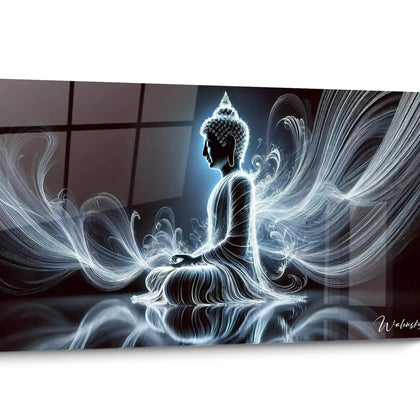 Wall Art for Modern Dental Practice24
artworks
Wall Art for Modern Dental Practice24
artworks
-
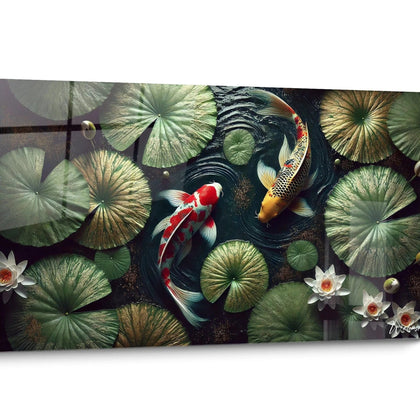 Wall Art for Asian Dental Practice16
artworks
Wall Art for Asian Dental Practice16
artworks
-
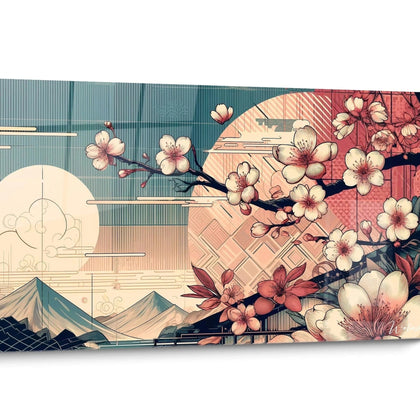 Floral Dental Office Wall Art24
artworks
Floral Dental Office Wall Art24
artworks
-
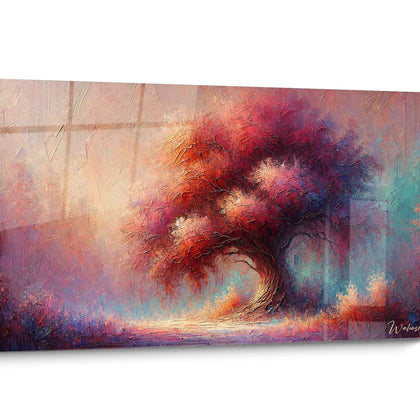 Wall Art for Dental Office Nature24
artworks
Wall Art for Dental Office Nature24
artworks
-
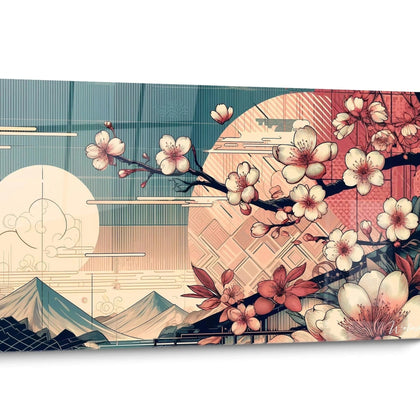 Turquoise Dental Office Wall Art10
artworks
Turquoise Dental Office Wall Art10
artworks
-
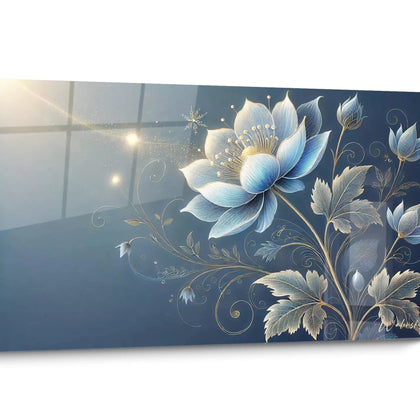 Golden Dental Office Wall Art19
artworks
Golden Dental Office Wall Art19
artworks
All about Abstract Wall Art for Dental Office
- Abstract Dentist Wall Art Presentation
- Abstract Decoration for Dental Practice
- Soothing Visual Atmosphere
- Modern Professional Aesthetics
An abstract wall art for dental office represents far more than a simple decorative element: it is a visual therapeutic tool that transforms the patient experience from the waiting room onward. Large-scale abstract compositions create essential visual focal points during moments of apprehension preceding dental care. Unlike figurative representations that may generate unwanted mental associations, abstract art offers emotional neutrality allowing each patient to project their own soothing interpretations. These artistic creations specifically designed for dental medical spaces combine organic forms, chromatic gradients, and balanced compositions that effectively redirect attention from clinical noises and preoperative anxiety. Investment in professional-quality abstract wall decoration instantly enhances your orthodontic or periodontal practice while actively contributing to patient stress management.
The psychological impact of abstract forms in dental environments
Abstract wall art for dental offices deliberately exploits principles of cognitive psychology to reduce preoperative anxiety. Neuroscience research reveals that curved forms and non-figurative compositions activate brain zones associated with relaxation, contrary to angular lines that stimulate vigilance responses. In the specific context of a dental office where 60% of patients experience moderate to severe apprehension, these visual compositions act as natural cognitive distractors.
How do abstract compositions modulate the emotional state of anxious patients?
Visual abstraction functions through a personalized projection mechanism: each patient freely interprets organic forms, chromatic vortices, or geometric structures according to their emotional state at that moment. This interpretive freedom effectively redirects attention from the characteristic auditory stimuli of dental equipment. Monumental formats amplify this effect by creating peripheral visual immersion that naturally accompanies the gaze during prolonged waiting periods or positioning in the treatment chair.
Abstract color palettes adapted to care spaces
Cool tones generally dominate these creations: deep blues evoking medical trust, soothing greens reminiscent of restorative nature, subtle purples associated with premium professionalism. These chromatic choices are never incidental but part of a coherent medical branding strategy. Some practitioners oriented toward a young clientele favor dynamic abstractions with energizing contrasts, while high-end implantology specialists opt for minimalist compositions with sophisticated nuances. For those wishing to explore other complementary aesthetic approaches, watercolor compositions for dental offices offer an alternative softness particularly appreciated in pediatric dentistry.
The architectural dimension of large-scale abstract formats
Impressive dimensions transform these artworks into true architectural elements that visually structure the clinical space. A monumental format positioned facing treatment chairs creates a fictional visual window particularly valuable in offices without direct natural light. This artistic window psychologically compensates for the absence of external connection while intelligently masking technical wall surfaces. The generous scale also ensures optimal legibility from different distances and viewing angles, an essential criterion in multifunctional spaces where patients and practitioners constantly circulate.
Creating a distinctive visual signature with dental abstract art
A carefully selected abstract wall art for dental office quickly becomes the memorable visual identifier of your practice. In a sector where competitive differentiation largely relies on overall patient experience, the aesthetic environment is a major strategic lever. Patients frequently photograph these remarkable artistic installations to share on social networks, thus generating valuable organic visibility for your office.
Abstraction as a vector of perceived technological modernity
The mental association between contemporary abstract art and technological innovation is not coincidental. Practitioners investing in cutting-edge equipment (intraoral scanners, CAD-CAM systems, therapeutic lasers) strengthen the perceptual coherence of their premium positioning through resolutely contemporary wall decoration. This aesthetic congruence unconsciously reassures the patient about the modernity of the applied protocols. Geometric abstract compositions with mathematical structures subtly evoke the millimeter precision of implant or orthodontic interventions.
Which abstract styles correspond to different dental specialties?
Periodontology particularly benefits from organic abstractions with fluid forms evoking living tissues and cellular regeneration. Orthodontics naturally harmonizes with structured geometric compositions reflecting the progressive transformation of dental alignments. Cosmetic dentistry offices favor luminous abstractions with sophisticated contrasts reminiscent of smile transformations. This aesthetic specialization creates a coherent visual narrative that reinforces your perceived expertise in your specific field.
Patrimonial investment in professional abstract art
Beyond immediate decorative function, these artistic acquisitions constitute valuable patrimonial assets. Contemporary abstract creations of museum quality maintain or increase their value over time, particularly when sourced from authenticated limited series. This patrimonial dimension economically justifies the initial investment for practitioner-managers. Large-scale formats specifically designed for professional spaces also present relative rarity on the secondary market, a favorable factor for value preservation. Some offices periodically renew their artistic installations, transforming their waiting area into a rotating gallery that attracts clientele sensitive to this cultural dynamic.
Technical integration and maintenance of large-scale abstract formats
Installation of a large-scale abstract wall art for dental office requires considerations specific to medical environments. Normative hygiene constraints, regular cleaning protocols, and exposure to light variations impose rigorous selection criteria. Preferred supports for these spaces combine exceptional durability, resistance to disinfectant products, and guaranteed chromatic stability over several decades.
Antimicrobial surfaces for clinical environments
Current protective coating technologies allow transparent antibacterial treatments to be applied to artistic surfaces without altering their visual appearance. These innovations directly respond to the strengthened sanitary requirements of modern dental offices. The possibility of daily wiping with hospital-grade disinfectant solutions guarantees the maintenance of hygiene standards while preserving the aesthetic integrity of abstract compositions. This compatibility with biosecurity protocols eliminates legitimate concerns about introducing porous decorative elements into care zones.
How to strategically position a large-format abstract artwork in the clinical space?
Optimal placement varies according to spatial configuration but systematically favors walls facing treatment chairs. This position ensures that patients in reclined position benefit from a soothing focal point during prolonged interventions. Waiting rooms advantageously host these installations on the main wall visible immediately from the entrance, creating a memorable first impression. In restricted spaces, a single monumental format produces more impact than a dispersed accumulation of small pieces. Indirect lighting particularly enhances textures and depths of multilayered abstract compositions without creating bothersome reflections.
Chromatic longevity facing intense clinical lighting
Dental offices operate under powerful artificial lighting for extended periods, a factor of accelerated pigment degradation for standard photographic materials. Archival inkjet prints using mineral pigmentary inks offer fade resistance certified over 75 to 100 years under normal exposure conditions. This exceptional stability protects your aesthetic and patrimonial investment against premature deterioration. Light resistance certifications (Blue Wool scale) are objective indicators to systematically verify when acquiring professional formats intended for intensive use.
Is abstract wall art suitable for pediatric dental specialties?
Absolutely, provided you favor dynamic abstractions with vibrant colors and playful forms rather than austere monochrome compositions. Children naturally project imaginative interpretations onto abstract forms (animals, fantastic landscapes), transforming waiting time into a creative observation game that effectively redirects preoperative anxiety.
What renewal frequency for abstract wall art for dental offices?
Technical durability allows preservation for 15 to 25 years, but many practitioners renew their installations every 5 to 7 years to maintain an image of modernity and benefit from contemporary aesthetic developments. This regular rotation also creates communication events appreciated by loyal patients.
Do abstract dental office artworks require specific insurance?
Formats of significant value indeed deserve an extension of your professional insurance specifically covering artworks against theft, accidental damage, and claims. This patrimonial protection typically remains modest in relative cost (0.3 to 0.8% of insured value annually) and guarantees replacement at equivalent value in case of incident.


