


Wall Art for Dental Office Nature
The Painting for dental office Nature transforms your medical space into a haven of peace. This artistic collection features soothing natural landscapes for waiting rooms that reduce patient anxiety. Lush forests, serene oceans, and Zen gardens make up these nature wall decorations for dentists that promote relaxation. Each artwork has been selected to create a warm and professional atmosphere, offering a reassuring focal point during consultations.
 Lake Painting No. 1 - Landscape Edition273,90 €
 Narcissus Wall Art No. 4 - Nature Edition273,90 €
 Iris Painting No.10 - Nature Edition273,90 €
 Iris Wall Art No. 9 - Nature Edition273,90 €
 Iris Wall Art N°1 - Nature Edition273,90 €
 Fir Tree Painting No. 1 - Nature Edition273,90 €
 Monstera Wall Art N°1 - Nature Edition273,90 €
 Lily Wall Art N°2 - Nature Edition273,90 €
 Wisteria Painting No. 2 - Nature Edition273,90 €
 Wisteria Wall Art No. 1 - Nature Edition273,90 €
 Cherry Blossom Wall Art No. 2 - Nature Edition273,90 €
 Ginkgo Leaf Wall Art No. 3 - Nature Edition273,90 €
 Ginkgo Leaf Wall Art No.1 - Nature Edition273,90 €
 Eucalyptus Wall Art No. 1 - Nature Edition273,90 €
 Mushroom Painting No.1 - Nature 2 Edition273,90 €
 Arum Painting N°2 - Nature Edition273,90 €
 Arum Painting N°1 - Nature Edition273,90 €
 Eternal Roots Wall Art - Zen Tree of Life Edition273,90 €
 Tree of Dreams Wall Art - Zen Tree of Life Edition273,90 €
 Landscape wall art N°1 - Landscape edition273,90 €
 The Panda's Garden Painting - Giant Panda Animals Edition273,90 €
 Textured Nature Wall Art - Nature Edition273,90 €
 Golden Leaf Wall Art - Nature Edition273,90 €
 Zen Alley Wall Art - Zen Edition273,90 €
Explore further
In Wall Art for Dental Office Nature
-
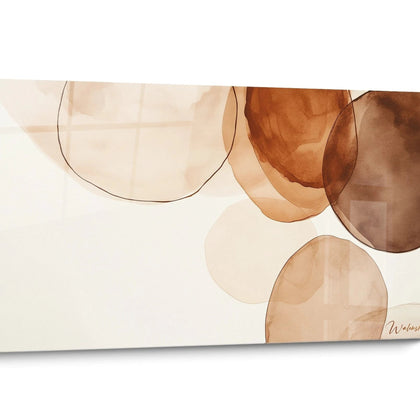 Wall Art for Dental Office100
artworks
Wall Art for Dental Office100
artworks
-
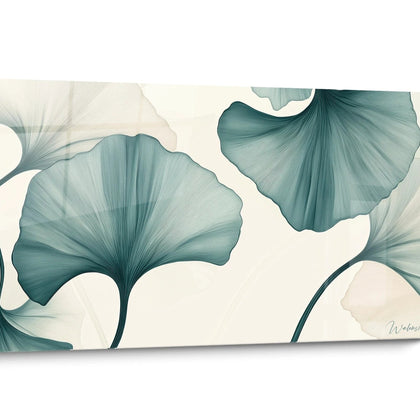 Wall Art for Zen Dental Practice24
artworks
Wall Art for Zen Dental Practice24
artworks
-
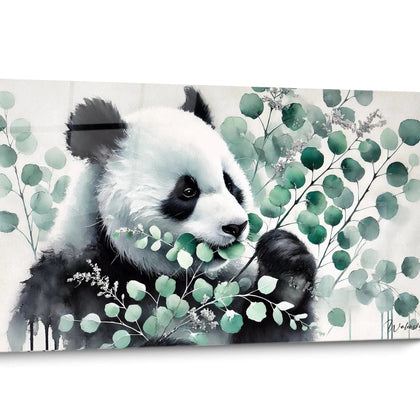 Wall Art for Dental Office Watercolor7
artworks
Wall Art for Dental Office Watercolor7
artworks
-
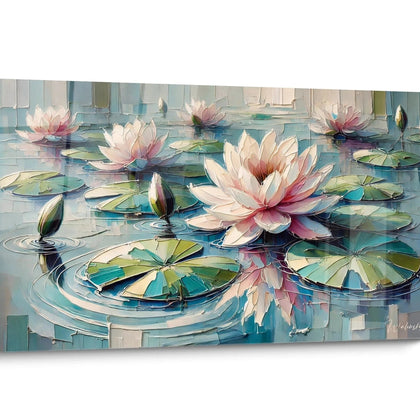 Abstract Wall Art for Dental Office17
artworks
Abstract Wall Art for Dental Office17
artworks
-
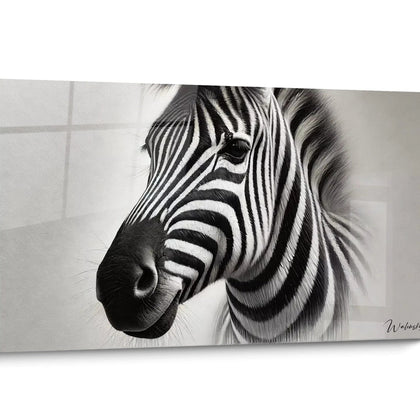 Minimalist Wall Art for Dental Office20
artworks
Minimalist Wall Art for Dental Office20
artworks
-
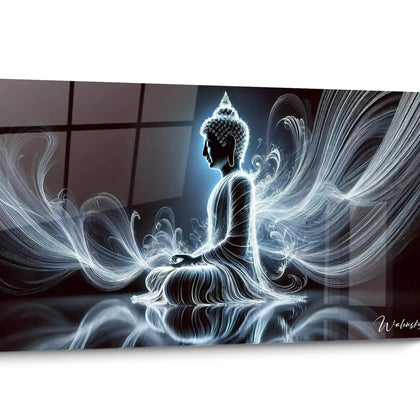 Wall Art for Modern Dental Practice24
artworks
Wall Art for Modern Dental Practice24
artworks
-
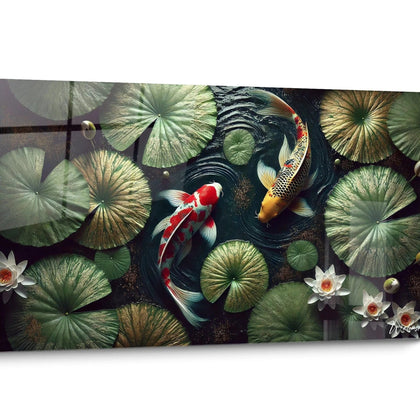 Wall Art for Asian Dental Practice16
artworks
Wall Art for Asian Dental Practice16
artworks
-
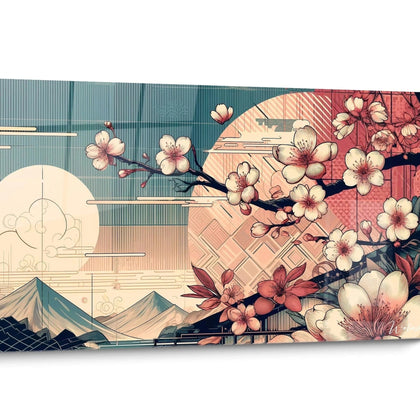 Floral Dental Office Wall Art24
artworks
Floral Dental Office Wall Art24
artworks
-
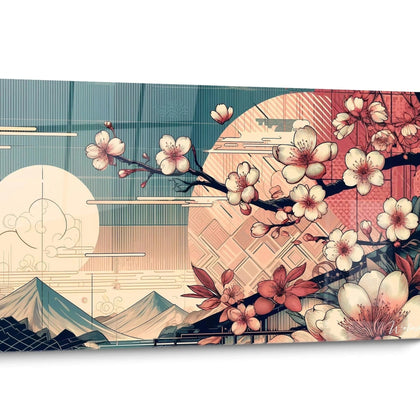 Turquoise Dental Office Wall Art10
artworks
Turquoise Dental Office Wall Art10
artworks
-
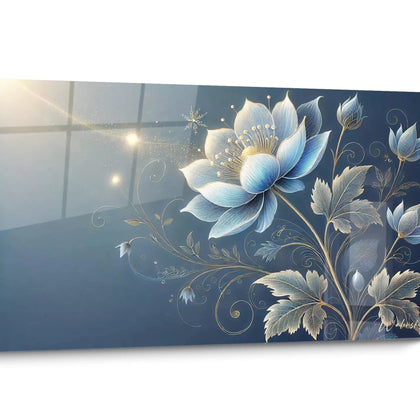 Golden Dental Office Wall Art19
artworks
Golden Dental Office Wall Art19
artworks
All about Wall Art for Dental Office Nature
- Nature Wall Art Presentation
- Soothing Decoration
- Zen Ambiance
- Visual Solutions
Paintings for dental office Nature are a decorative solution specifically designed to reduce preoperative patient anxiety. These large-format plant representations transform the clinical experience by creating an immediate visual diversion upon entering the treatment room. Unlike bare walls or advertising posters, these natural compositions activate neurological relaxation mechanisms by capturing the gaze during waiting on the dental chair. The integration of forest landscapes, aquatic panoramas, or botanical macrophotographs responds to a specific strategy: to divert attention from the surrounding medical equipment. These imposing formats occupy enough of the visual field to constitute a soothing focal point during interventions, thus reducing the perception of pain. For practitioners seeking an alternative to traditional aseptic decorations, these wall creations offer a compromise between medical professionalism and patient psychological comfort.
Preoperative Anxiety Reduction through Vegetation
Installing a painting for dental office Nature directly responds to stress management protocols documented by medical psychology. Patients lying in a supine position on the dental chair have a restricted field of vision, generally oriented towards the ceiling or the lateral wall. Positioning a dense forest scene or a waterfall panorama in this strategic visual field immediately activates decompression physiological responses.
How does visual nature influence pain perception?
Neuropsychiatric dental research demonstrates that exposure to natural elements during care reduces cortisol secretion by an average of 18%. A painting depicting a bamboo forest or a sunny clearing creates a virtual window that counteracts the claustrophobic effect of treatment rooms. Large formats allow for complete peripheral immersion, even with moving medical equipment. This visual strategy is particularly effective for prolonged interventions requiring sustained patient immobility.
Vegetal compositions adapted to consultation cycles
Practitioners now prefer evolving representations according to the seasons: autumnal foliage for back-to-school periods, winter snow landscapes, spring blooms. This thematic rotation maintains the novelty effect for regular patients while preserving the soothing consistency. Macrophotographs of moss, ferns, or dew drops also offer a captivating contemplative alternative during local anesthesia. To enrich your decorative range, discover also the abstract compositions for dental office which offer a complementary approach based on relaxing geometric shapes.
Synchronization with operating lighting
The intense lighting of dental scalpel lights can create disturbing reflections on certain surfaces. Paintings for dental office Nature benefit from specific anti-reflective treatments allowing their installation even facing direct light sources. The dominant green hues of forest compositions also compensate for the typical cold white luminosity of medical environments, rebalancing the ambient chromatic temperature for optimal visual comfort during meticulous interventions.
Visual Architecture of Dental Care Spaces
Integrating a painting for Nature dental practice into the spatial design of operating rooms radically transforms the architectural perception of the medical space. Unlike commercial spaces where decoration follows aesthetic logic, the dental environment requires precise psychological functionality. Large-format natural representations create an illusory depth that visually expands the often compact treatment room spaces.
Strategic positioning according to the practitioner-patient ergonomics
The layout of dental furniture imposes specific constraints for decorative hanging. The painting must be visible from the patient's lying position while remaining outside the mobility range of the practitioner and assistant. The left-hand side walls generally constitute the optimal location, in the natural line of sight of the patient during maxillofacial interventions. For central island configurations, horizontal panoramic formats facing the chair offer an encompassing visual continuity.
What natural landscapes are suitable for different dental specialties?
Pedodontics favors playful scenes such as flower gardens or undergrowth populated with animals, captivating the attention of young patients. Orthodontics, with its frequent and prolonged appointments, benefits from detailed compositions such as macrophotographs of plants, offering a progressive discovery with each visit. Maxillofacial surgery favors open and soothing panoramas such as ocean expanses or rolling meadows, reducing the apprehension of heavy interventions.
Coordination with surrounding clinical materials
The stainless steel, ceramic and polymer surfaces that dominate dental practices create a cold atmosphere that visual vegetation effectively counterbalances. A painting representing organic textures such as rough bark, mossy stones or ancient trunks introduces a virtual tactile dimension that humanizes the technical environment. Imposing formats also allow to partially mask less aesthetic medical cabinets or storage areas, while respecting accessibility standards for emergency equipment.
Seasonal evolution and decorative renewal
Unlike permanent installations, paintings for Nature dental practices can follow a semi-annual rotation to maintain visual freshness. This approach avoids the effect of habituation in regular patients while allowing the atmosphere to be adapted to periods of high affluence such as school holidays or prevention campaigns. Professional hanging systems facilitate these changes without damaging the walls or disrupting the organization of the practice.
Chromatic Psychology Applied to Dental Environments
The choice of a painting for Nature dental practice is part of a scientific approach to environmental chromotherapy. The dominant vegetative tones – greens, browns, aquatic blues – have measurable properties on the heart rate and blood pressure of anxious patients. This approach goes beyond simple decoration to become a complementary therapeutic tool integrated into the global care protocol.
Impact of green hues on post-intervention recovery
Behavioral medicine studies reveal that exposure to forest landscapes accelerates recovery after stressful procedures. A patient visualizing a coniferous forest or bamboo grove during a complex extraction exhibits reduced postoperative inflammation compared to a neutral environment. Monumental formats amplify this effect by saturating the peripheral visual field, creating an isolating sensory bubble that attenuates the perception of vibrations and sounds inherent in dental care.
Why do aquatic scenes reduce anxious hyperventilation?
Representations of rivers, waterfalls, or lake surfaces subconsciously trigger respiratory regulation. The visual suggestion of movement in aquatic flows encourages deep abdominal breathing, counteracting the thoracic hyperventilation typical of stressed patients. This respiratory synchronization improves oxygenation during local anesthesia interventions and facilitates patient-practitioner collaboration for gestures requiring total immobility.
Nature-olfaction association for a complete sensory experience
Although the painting remains a visual medium, its natural theme can be reinforced by a discreet diffusion of compatible essential oils: eucalyptus for forest scenes, marine notes for coastal landscapes. This multisensory consistency amplifies the immersive effect and creates positive anchors that facilitate subsequent visits. Patients progressively associate the dental environment with a soothing experience rather than a medical constraint.
Competitive differentiation and practitioner brand image
In an increasingly competitive dental sector, space design is becoming a major differentiating argument. A practice offering visual natural immersion immediately signals its patient-centered approach and therapeutic modernity. These strategic decorative elements generate positive word-of-mouth and significantly improve online reviews, major decision-making criteria for new patients seeking a practitioner.
Frequently asked questions about nature paintings in dental practice
What size painting for a Nature dentist's office to choose according to the surface area of the treatment room?
For standard boxes of 9 to 12 m², prioritize minimum formats of 120x80 cm that sufficiently occupy the patient's visual field while lying down without cluttering the practitioner's circulation space. Larger surgical rooms can accommodate panoramics of 200x100 cm creating a true immersive virtual window.
Do Nature paintings for a dentist's office require specific maintenance in a medical environment?
These creations benefit from surface protections allowing cleaning with standard disinfecting solutions used for non-critical surfaces. Weekly dusting with antistatic microfiber and monthly cleaning with a neutral product are sufficient to maintain their shine in a controlled clinical environment.
How to integrate a painting for a Nature dentist's office into an already furnished practice without a complete overhaul?
Adding a large-format natural scene is a high-impact decorative intervention that requires no structural work. Positioning on the main lateral wall, visible from the chair, immediately transforms the atmosphere without modifying the existing functional organization or disrupting the daily activity of the practice.
Further reading
Our articles on this topic
- Calming Nature Image for Dental Waiting Room: The Scientific Approach
- What natural scenes bring the most serenity to a consultation room?
- Which painting to choose for a professional waiting room? The complete guide
- How to choose paintings that reflect the values of an eco-friendly medical practice?
- Are Positive Message Wall Art Pieces Relevant for a Medical Office?
L'art qui suscite l'envie
Maison belge d'art mural grand format
14 jourspour changer d'avis*
Protection Walenskyincluse
Fabriquéen Italie
FormatXXL
Kit de fixationtoujours fourni
* Hors tableaux personnalisés et tailles personnalisées


