


Wall Art for Asian Dental Practice
The Painting for dental office Asian transforms your medical space into a haven of peace. Our collection combines oriental aesthetics with the professional requirements of zen and soothing dental spaces. Inspired by Asian serenity, these artistic creations diffuse a relaxing atmosphere that reassures your patients. Bamboo, lotus flowers, zen landscapes: each visual evokes harmony and tranquility. Perfect for a decoration dental office Asian-inspired, this elegant wall art combines beauty and therapeutic functionality.
 Wall Art In the Silence of the Reeds - Japanese Asia Edition273,90 €
 Canvas Flower Painting - Asia Edition273,90 €
 Koi Dance Wall Art - Asia Edition273,90 €
 High Perch Wall Art - Asia Edition273,90 €
 Under the Leaves Canvas, a Poetry - Zen Koi Edition273,90 €
 Eternal Roots Wall Art - Zen Tree of Life Edition273,90 €
 The Golden Path Wall Art - Divers Zen Edition273,90 €
 Asian wall art No. 1 - Asia Edition273,90 €
 The Panda's Garden Painting - Giant Panda Animals Edition273,90 €
 Zen Alley Wall Art - Zen Edition273,90 €
 River of Dreams Wall Art - Asia Edition273,90 €
 Petals Poetry Wall Art - Asia Edition273,90 €
 Flower Garden Wall Art - Asia Edition273,90 €
 Perfect Balance Artwork - Asia Edition273,90 €
 Spring Softness Wall Art - Asia Edition273,90 €
 Mist and Cherry Blossoms Wall Art - Asia Edition273,90 €
Explore further
In Wall Art for Asian Dental Practice
-
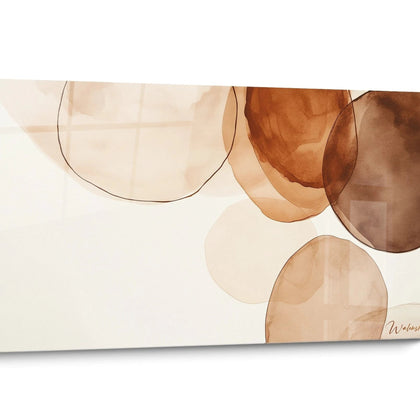 Wall Art for Dental Office100
artworks
Wall Art for Dental Office100
artworks
-
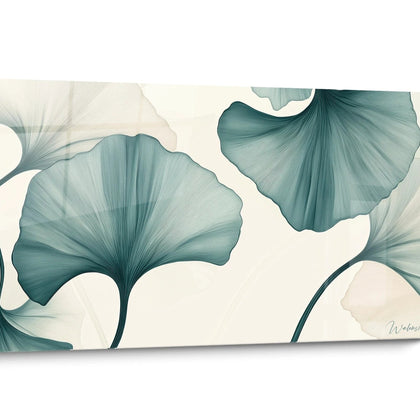 Wall Art for Zen Dental Practice24
artworks
Wall Art for Zen Dental Practice24
artworks
-
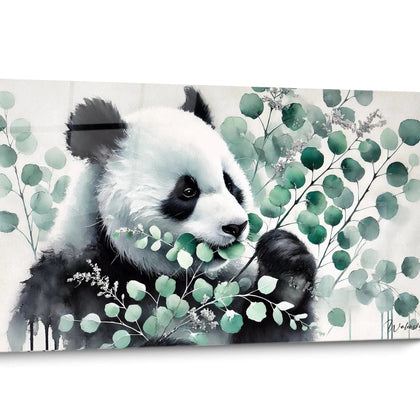 Wall Art for Dental Office Watercolor7
artworks
Wall Art for Dental Office Watercolor7
artworks
-
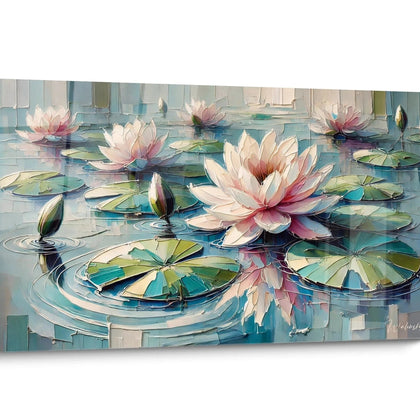 Abstract Wall Art for Dental Office17
artworks
Abstract Wall Art for Dental Office17
artworks
-
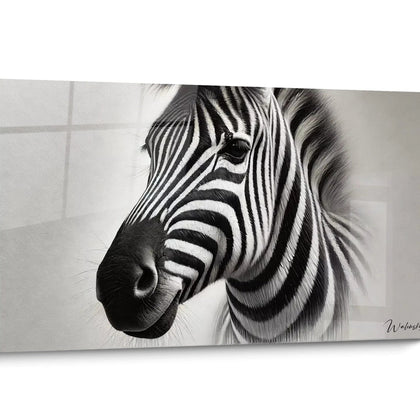 Minimalist Wall Art for Dental Office20
artworks
Minimalist Wall Art for Dental Office20
artworks
-
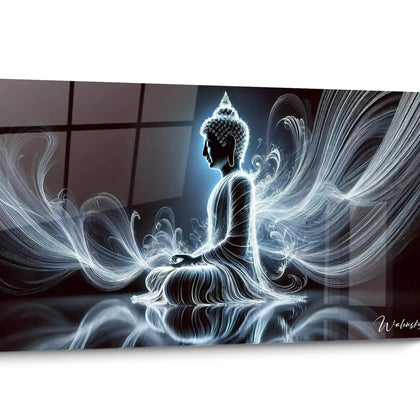 Wall Art for Modern Dental Practice24
artworks
Wall Art for Modern Dental Practice24
artworks
-
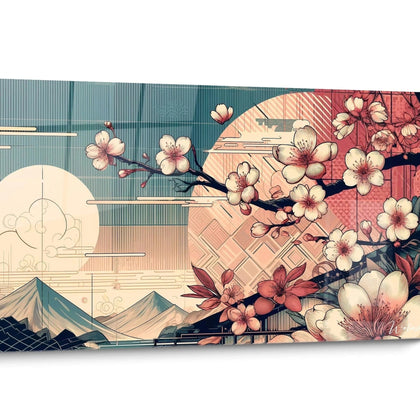 Floral Dental Office Wall Art24
artworks
Floral Dental Office Wall Art24
artworks
-
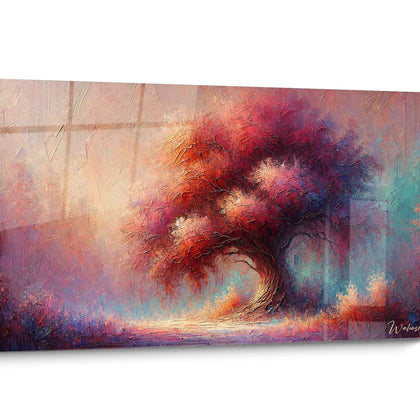 Wall Art for Dental Office Nature24
artworks
Wall Art for Dental Office Nature24
artworks
-
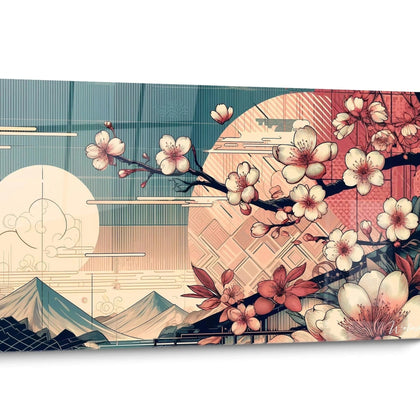 Turquoise Dental Office Wall Art10
artworks
Turquoise Dental Office Wall Art10
artworks
-
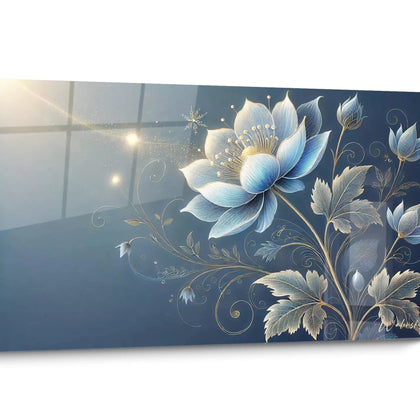 Golden Dental Office Wall Art19
artworks
Golden Dental Office Wall Art19
artworks
All about Wall Art for Asian Dental Practice
- Asian Dentist Wall Art Presentation
- Zen Symbolism for Dental Practice
- Calming Influence on Patients
- Professional Ambiance Integration
An Asian wall art piece for dental offices radically transforms the atmosphere of a medical space by introducing a contemplative and reassuring dimension. These visual creations draw from the millennia-old heritage of Zen, Shinto, and Buddhist traditions to create an environment conducive to relaxation for patients often anxious about dental care. The compositions incorporate emblematic natural elements such as bamboo groves, flowering cherry blossoms, Japanese gardens, or misty mountains, generating an immediate connection with serenity. The refined aesthetics characteristic of Oriental art harmonizes perfectly with the hygiene and modernity requirements of a contemporary dental practice, while offering a soothing visual counterpoint to medical equipment. These large-scale works naturally capture patients' attention in waiting rooms or treatment areas, offering them a relaxing focal point that diminishes the perception of pre-operative stress.
Asian art as a vector for calming in dentistry
Incorporating an Asian wall art piece for dental offices responds to a documented therapeutic strategy: reducing pre-operative anxiety through soothing visual stimuli. Representations of Zen landscapes, ancestral pagodas, or stone gardens activate neurological circuits in the brain associated with calm and contemplation. This approach aligns with modern protocols for managing medical stress, where the visual environment plays a determining role in patient experience.
Why choose Asian aesthetics for a dental practice?
Oriental philosophy prioritizes balance, simplicity, and harmony with nature—values that resonate particularly in a medical context. A painting depicting Asian natural elements such as lotus flowers, symbols of purity and rebirth, or koi fish representing perseverance, subtly communicates positive messages to patients. These universally recognized cultural symbols transcend linguistic and cultural barriers, creating an immediate emotional connection.
Zen visual codes adapted to medical environments
Compositions inspired by Japanese or Chinese art are characterized by generous negative space, subtle color palettes, and balanced asymmetry. These formal characteristics facilitate visual breathing in spaces often cluttered with technical equipment. A panoramic format depicting a Kyoto Zen garden or misty Guilin mountains creates a virtual window toward a calming elsewhere—a technique particularly effective in treatment rooms without natural light.
Complementarity with other decorative approaches
Asian aesthetics blend harmoniously with more contemporary approaches. For practitioners seeking a fusion between tradition and modernity, pairing with an abstract wall art piece for dental offices in similar tones allows creating a coherent visual narrative. This multi-layered strategy enriches the environment without creating saturation, with each work dialoguing with others according to a complementary rather than competitive logic.
Psychological impact of Oriental patterns on dental anxiety
Research in environmental psychology demonstrates that patients exposed to representations of nature and Zen elements show measurable decreases in physiological stress markers. An Asian wall art piece for dental offices of large dimensions functions as a visual anchor during waiting periods—a critical moment when anxiety often reaches its peak. Scenes depicting Buddhist temples, arched wooden bridges over serene ponds, or bamboo forests generate positive cognitive distraction.
Calming colors from the Asian palette
Hues traditionally favored in Oriental art—jade greens, celadon blues, pale cherry blossom pinks, golden ochres—possess relaxing properties documented in color therapy. These soft tones contrast advantageously with the dominant clinical white in dental practices, introducing warmth and humanity without compromising cleanliness perception. A horizontal format presenting a sunrise over Mount Fuji or a bamboo forest creates visual depth that perceptually expands the space.
How do natural patterns reduce pain perception?
Neuroscience reveals that observing natural scenes activates the ventromedial prefrontal cortex, a brain region involved in emotional regulation and pain modulation. When a patient gazes at an image of a Japanese garden during a procedure, their attention partially shifts from nociceptive stimuli—a phenomenon called attentional analgesia. This non-pharmacological technique effectively complements traditional anesthetic protocols.
Cultural symbolism and non-verbal communication
Asian iconographic elements convey precise meanings: bamboo symbolizes resilience, cranes represent longevity, pines embody quiet strength. These subliminal messages psychologically reinforce patients in their care journey, creating a positive narrative around health and well-being. A practitioner can even use these symbols as conversation points, humanizing the therapeutic relationship and diverting attention from care-related apprehensions.
Strategic selection and positioning in treatment spaces
Installing an Asian wall art piece for dental offices requires considering natural patient sightlines. In the waiting room, an imposing format facing seating immediately captures attention, functioning as a focal element that visually structures the space. In treatment areas, positioning should correspond to the patient's field of vision when reclined: a perpendicular wall or ceiling for adapted formats, enabling passive contemplation during procedures.
Monumental formats for professional spaces
Modern dental practices favor generous volumes that assert strong visual identity. A triptych representing the Japanese seasons or a continuous panorama of the Great Wall of China creates memorable impact upon entry. These imposing dimensions transform simple decoration into authentic environmental signature, differentiating the practice in a highly competitive sector while contributing to marketing through patient experience.
Which Asian motifs to prioritize by dental specialty?
For orthodontic practices primarily serving children and adolescents, dynamic representations such as koi fish swimming upstream or flowering cherry blossoms evoke transformation and growth. Periodontal or implant practices serving more mature clientele will benefit more from contemplative scenes: raked Zen gardens, misty mountains, isolated temples. This thematic alignment reinforces coherence between medical specialty and visual environment.
Maintenance and durability in medical settings
Dental practice hygiene constraints require cleanable surfaces without deterioration. Large-format works designed for professional environments integrate surface protections allowing regular wiping with standard disinfecting solutions. This practicality combines with UV resistance preserving color intensity over time—an investment that sustains the practice's visual identity without requiring frequent replacement.
FAQ: Frequently asked questions about Asian wall art for dental offices
Does Asian wall art for dental offices suit all architectural styles?
Absolutely. Zen aesthetics transcend architectural periods through their timeless minimalism. Whether your practice features ultramodern, contemporary, or more classical design, the refined lines and natural palette of Asian art integrate harmoniously. The essential factor is chromatic coherence with your existing design scheme.
What dimension should be prioritized to maximize the calming effect?
Monumental formats (exceeding 150 cm in width) generate optimal immersive impact. In waiting rooms, prioritize dimensions occupying approximately one-third of the main wall, creating significant presence without visual saturation. In treatment areas, adapt based on the patient's field of vision while reclined.
How can Asian wall art be combined with modern medical equipment?
The contrast between medical technology and natural serenity creates precisely the sought-after balance. Asian art brings the human and emotional dimension that equipment cannot offer. Position the work so it's visible without obstructing functional zones, thereby creating distinct visual islands: technical and contemplative areas coexisting harmoniously.
Further reading
Our articles on this topic
- Warm Japandi Painting: How to Adapt It to Your Waiting Room Layout
- Wood feng shui painting for a professional office and practice: complete guide
- Where to place a green and beige painting in a medical practice to calm your patients
- Japandi-style modern spa wall art for beauty salons: a professional layout guide
- Scandinavian or Mediterranean painting: which one for a bright practice?
L'art qui suscite l'envie
Maison belge d'art mural grand format
14 jourspour changer d'avis*
Protection Walenskyincluse
Fabriquéen Italie
FormatXXL
Kit de fixationtoujours fourni
* Hors tableaux personnalisés et tailles personnalisées


