


Vintage Basenji Dog Wall Art
Our Vintage Basenji Dog Painting celebrates the rare elegance of this ancestral African breed through creations with authentic retro charm. Each vintage canine artwork captures the nobility and unique character of the Basenji, this barkless dog that fascinates enthusiasts. These Basenji decorative paintings bring a nostalgic and refined touch to your interior, perfect for lovers of this exceptional breed. Explore this artistic universe that pays homage to cynological heritage with style and authenticity.
 Hunting Dogs Mosaic Wall Art in Ochre - Antique Pack - Basenji Edition273,90 €
 Fawn Dog at Rest by the Window Painting - Golden Light - Basenji Edition273,90 €
 Red Basenji Waiting on Vintage Train Platform - The Wait for Travel - Basenji Edition273,90 €
Explore further
In Vintage Basenji Dog Wall Art
-
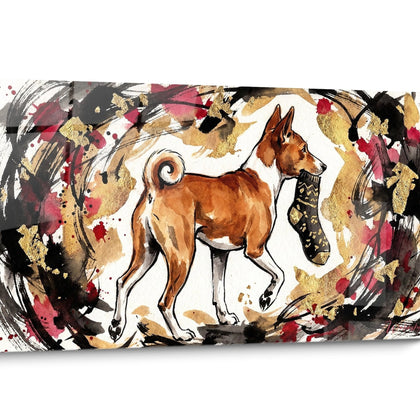 Basenji Dog Wall Art50
artworks
Basenji Dog Wall Art50
artworks
-
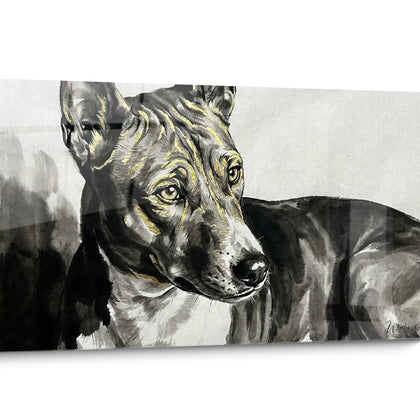
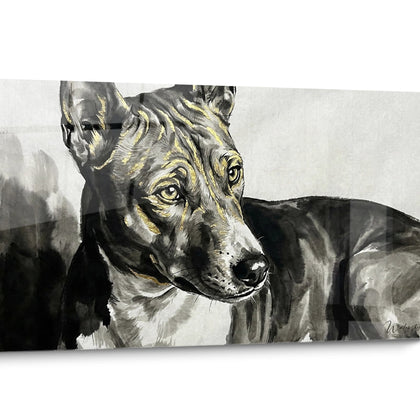 Black and White Basenji Dog Canvas4
artworks
Black and White Basenji Dog Canvas4
artworks
-
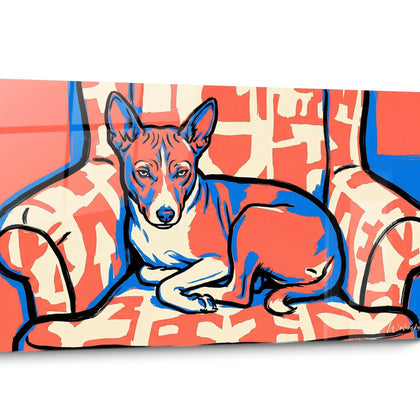 Basenji Dog Pop Art Canvas6
artworks
Basenji Dog Pop Art Canvas6
artworks
-
 Watercolor Basenji Dog Painting3
artworks
Watercolor Basenji Dog Painting3
artworks
-
 Geometric Basenji Dog Wall Art5
artworks
Geometric Basenji Dog Wall Art5
artworks
-
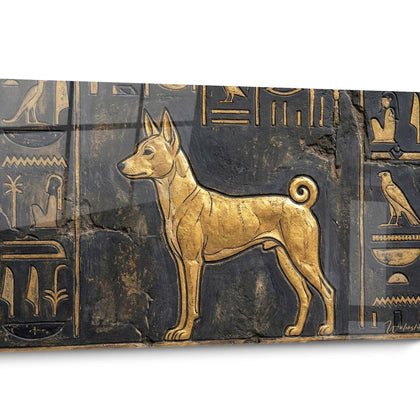 Golden Basenji Dog Wall Art14
artworks
Golden Basenji Dog Wall Art14
artworks
-
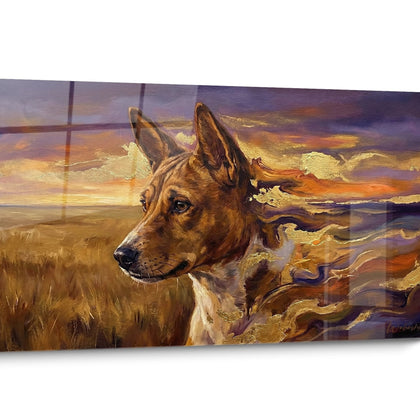 Basenji Dog Canvas Sunset4
artworks
Basenji Dog Canvas Sunset4
artworks
-
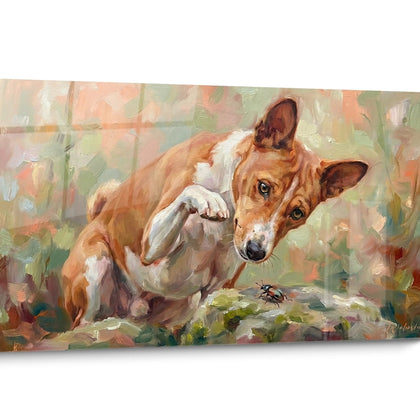 Realistic Basenji Dog Painting10
artworks
Realistic Basenji Dog Painting10
artworks
All about Vintage Basenji Dog Wall Art
- Painting Basenji dog Vintage Presentation
- Retro aesthetics and authenticity
- Ambiences and atmospheres of the past
- Collection and heritage testimony
The painting Basenji dog Vintage captures the essence of a bygone era when this mysterious African breed fascinated collectors and explorers. This timeless artistic representation evokes the first ethnographic discoveries of the Congo, sublimating the silent charisma of a dog that does not bark through pictorial techniques of yesteryear.
Vintage Aesthetics Serving the Basenji Breed
The Basenji dog Vintage painting draws its authenticity from the visual codes of the 1920s to 1960s, a period when this breed aroused growing fascination in the West. Sepia tones, weathered textures, and photographic aging effects give these representations an exceptional historical depth. These works evoke the illustration plates of the first British cynological works devoted to exotic breeds.
Why does the vintage style particularly enhance the Basenji?
The Basenji's natural aristocratic appearance finds a perfect resonance in the retro aesthetic. The slightly faded color blocks recall the first color photographs of colonial dog shows, while the slightly blurred outlines evoke old printing techniques. This visual approach emphasizes the ancestral nobility of this millennial breed, creating a bridge between its African heritage and its modern rediscovery.
Color palettes favor ocher tones, aged beige, dark brown, and parchment cream which naturally harmonize with the fauve coat characteristic of the Basenji. These nuances simultaneously evoke the original African savannas and the refined interiors of dog clubs of the time. For further exploration, the Basenji dog Black and White Painting collection offers a monochrome approach that further accentuates the historical documentary aspect.
The graphic codes of old zoological illustrations
These creations are directly inspired by naturalist engravings and chromolithographs that adorned 19th-century scientific treatises. Conceptual frames sometimes integrate typographical elements from the period, fictitious Latin inscriptions, or old-fashioned numbering which reinforces the impression of a precious zoological archive. This quasi-museum dimension transforms each work into a visual testimony of a historical cultural encounter.
The slightly grainy appearance, simulated micro-cracks, and variations in opacity faithfully reproduce the natural alterations of old documents. These voluntary imperfections become sought-after stylistic signatures, giving each representation a particular soul. Some collectors particularly appreciate versions integrating stylized handwritten annotations or fictitious archive stamps that enrich the visual narrative.
Create an Atmosphere of the Past with a Vintage Basenji
Integration into interiors inspired by past decades
The Basenji dog Vintage painting becomes the ideal focal point for spaces adopting mid-century, colonial-chic, or industrial heritage decoration. These monumental formats harmonize with teak furniture from the 1950s, patinated club chairs, and dark wood libraries filled with old volumes. The work acts as a temporal bridge, evoking the British hunting rooms where the first European specimens of Basenji were proudly exhibited.
Large formats are particularly impactful in the double-height spaces of converted lofts, where exposed brick walls and aged metal structures create an ideal setting for this retrospective aesthetic. The silent and dignified presence of the Basenji captured in these works resonates with the architectural authenticity of these historically rich places. To vary artistic expressions while maintaining this same breed, explore the Painting dog Basenji Pop Art collection, which offers a striking contrast.
How do these works transform the ambiance of a professional space?
In specialized veterinary clinics, breeding clinics, or offices of heritage dog clubs, these representations affirm a historical expertise and a thorough knowledge of rare breeds. Their presence immediately communicates an attachment to cynophilic traditions and a valuation of canine genetic heritage. Waiting rooms bathed in this vintage aesthetic reassure with their reference to time-tested knowledge.
Private libraries, antique dealers' offices, and collectors' spaces find in these works a natural complement to antique books and period objects. The characteristic frontal gaze of the Basenji, captured according to ancient portrait conventions, establishes a contemplative presence that invites reflection. These generous dimensions allow for effectively dressing the empty walls of long, narrow hallways typical of renovated bourgeois homes.
The evocation of exploration voyages and naturalist curiosity
These creations reactivate the imagination of great African expeditions and Victorian curiosity cabinets. They fit perfectly into decorative trends that value reappropriated colonial heritage, initiatory journeys, and visual ethnography. For those who wish to explore other visual interpretations of this fascinating breed, the Painting dog Basenji Watercolor collection offers a more delicate and contemporary approach.
The Vintage Basenji as a Patrimonial Collector's Item
The valuation of a breed with origins dating back millennia
The Vintage Basenji painting is part of a visual heritage preservation approach for worldwide cynogenetic heritage. This breed, considered one of the oldest domesticated canine lineages, deserves an artistic representation that honors its historical longevity. Collectors of rare breeds particularly seek out these interpretations that document the morphological evolution and cultural perception of the Basenji over the decades.
These works find their place in themed collections dedicated to African breeds, primitive-type dogs, or animals exhibiting exceptional behavioral characteristics such as the absence of barking. Their monumental dimension allows for a detailed appreciation of anatomical particularities: permanently erect ears, expressive wrinkled forehead, tail curled tightly in a spiral, and compact athletic musculature. For a version sublimating the natural luminosity of the breed, discover the Painting dog Basenji Gold collection.
What criteria define the vintage authenticity of a Basenji representation?
Authenticity rests on several specific visual markers: use of limited color palettes typical of old printing processes, presence of visible photographic grain or halftone, strict frontal or profile framing conforming to zoological iconography standards, and integration of period text elements. Purists also seek representations that scrupulously respect the historical morphological standards of the breed, sometimes slightly different from current criteria.
Large-format prints demand impeccable resolution and execution to maintain the illusion of an enlarged archival document. The best creators master the delicate balance between credible aged effect and optimal readability at a distance. This technical expertise explains the increased value of these pieces in specialized collections. The Painting dog Basenji Geometric collection, for example, offers a diametrically opposed modernist interpretation.
Association with other stylistic representations of the Basenji
Discerning collectors often compose wall ensembles combining different artistic approaches to the same breed. A large vintage format can be judiciously paired with complementary stylistic variations: the dreamlike dimension of a Painting dog Basenji Sunset, the contemporary precision of a Painting dog Basenji Realistic, thus creating an evolving gallery that visually tells the story of this exceptional breed.
This wall strategy transforms a simple living space into a veritable initiation journey dedicated to the Basenji, where each artistic style reveals a different facet of its enigmatic temperament. To deepen your discovery of this fascinating breed through all available styles, explore the entire Painting dog Basenji collection.
Where to install a vintage Basenji painting to maximize its decorative impact?
Prioritize walls offering sufficient viewing distance to appreciate the entire composition: wide hallways, wall panels facing the entrance to a room, or above low consoles in reception halls. Indirect lighting particularly enhances the subtle nuances and patina effects.
Is a vintage Basenji painting suitable for all interior styles?
While optimal harmony is achieved with vintage, industrial, or eclectic decors, these works also bring a sought-after contrast to minimalist contemporary interiors where they become focal points rich in character and visual history.
How to maintain a large-scale vintage Basenji painting?
Gentle dusting regularly with a dry microfiber cloth is usually sufficient. Avoid direct exposure to intense sunlight, which could alter the deliberately aged tones, and maintain stable humidity to preserve the integrity of the materials over time.


