


Black and White Basenji Dog Canvas
The Painting Basenji Dog Black and White captures the natural elegance of this exceptional African breed. This artistic collection celebrates the Basenji primitive intelligent dog through refined compositions that reveal its graceful silhouette and piercing gaze. Perfect for creating a Basenji dog wall decoration with a sophisticated touch, each artwork enhances the characteristic traits of this barkless companion in a timeless style.
 Dog Silhouette on Winter Ice - Arctic Solitude - Basenji Edition242,90 €
 Canine Portrait Painting Black and Gold Watercolor - Intense Gaze - Basenji Edition273,90 €
 Dog with Amber Eyes on Black Background Canvas - Striking Portrait - Basenji Edition228,90 €
 Black Dog Silhouette Moon Nocturnal Painting - Blue Melancholy - Basenji Edition228,90 €
Explore further
In Black and White Basenji Dog Canvas
-
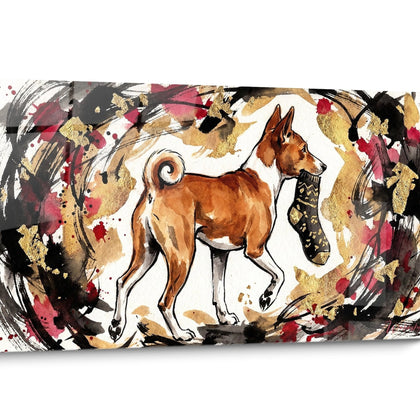 Basenji Dog Wall Art50
artworks
Basenji Dog Wall Art50
artworks
-
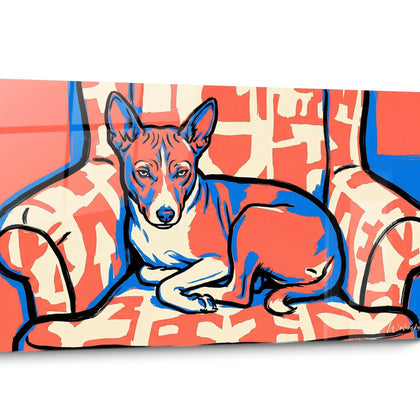 Basenji Dog Pop Art Canvas6
artworks
Basenji Dog Pop Art Canvas6
artworks
-
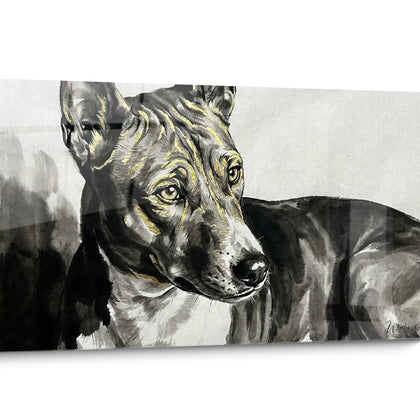 Watercolor Basenji Dog Painting3
artworks
Watercolor Basenji Dog Painting3
artworks
-
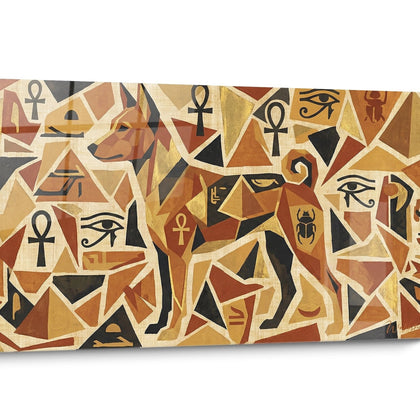 Geometric Basenji Dog Wall Art5
artworks
Geometric Basenji Dog Wall Art5
artworks
-
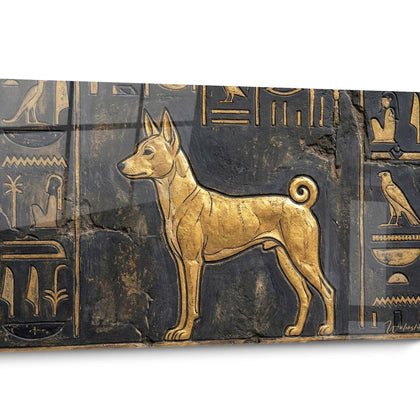 Golden Basenji Dog Wall Art14
artworks
Golden Basenji Dog Wall Art14
artworks
-
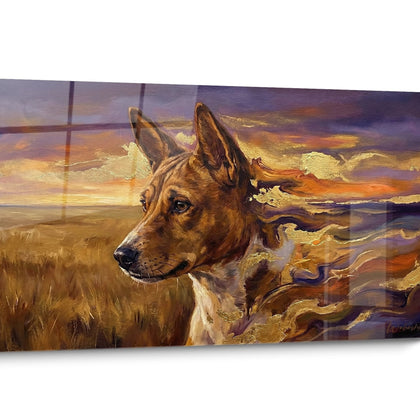 Basenji Dog Canvas Sunset4
artworks
Basenji Dog Canvas Sunset4
artworks
-
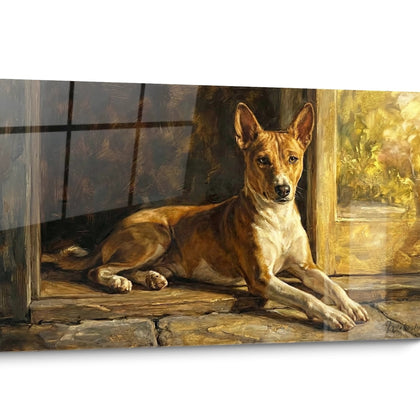 Vintage Basenji Dog Wall Art3
artworks
Vintage Basenji Dog Wall Art3
artworks
-
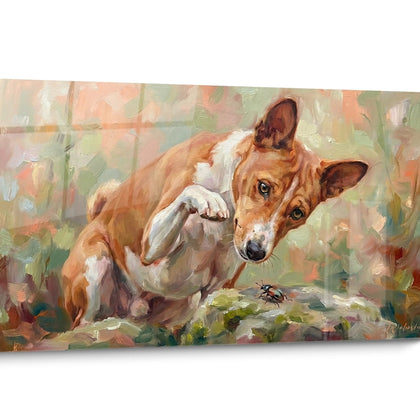 Realistic Basenji Dog Painting10
artworks
Realistic Basenji Dog Painting10
artworks
All about Black and White Basenji Dog Canvas
- Black and White Basenji Painting Presentation
- Monochrome Aesthetics
- Basenji Character
- Graphic Atmospheres
The black and white Basenji dog painting embodies minimalist elegance in its purest form. This monochrome representation of the African barkless dog captures the very essence of this ancestral breed through striking contrasts. Unlike pop art Basenji dog paintings with vibrant colors or golden Basenji dog paintings with warm reflections, the restricted black and white palette reveals the streamlined lines and athletic silhouette of the Basenji with dramatic intensity. This artistic approach highlights every anatomical detail: characteristic upright ears, distinctive wrinkled forehead, fine musculature and emblematic curled tail. Black and white variations transform your space into a sophisticated contemporary gallery, particularly suited to minimalist, Scandinavian or industrial interiors where chromatic sobriety becomes a major decorative asset.
The Visual Impact of Monochrome Contrasts in Basenji Representation
The black and white Basenji dog painting harnesses the power of contrast to create a striking visual presence in contemporary spaces. This monochrome approach transcends the limitations of color to focus on the forms, textures and shades of gray that define the unique anatomy of the Basenji.
Why does black and white enhance the characteristics of the Basenji?
Chromatic restriction accentuates the distinctive traits of this primitive breed: expressive facial wrinkles stand out with photographic clarity, while pointed triangular ears create striking geometric silhouettes. Variations in tones reveal the fineness of the Basenji's short, glossy coat, capturing light in subtle ways. This monochrome aesthetic is particularly suited to large wall formats where every nuance becomes perceptible from a distance, transforming your wall into an architectural focal point.
The harmony of black and white in refined interiors
A black and white Basenji painting naturally integrates into minimalist Scandinavian décor, industrial lofts with exposed brick walls, or design spaces with streamlined lines. Unlike watercolor Basenji dog paintings with soft hues, this monochrome version creates stimulating visual tension that energizes monochromatic rooms. Interior designers favor these graphic representations to dialogue with contemporary black furniture, metal structures or polished concrete floors.
Lighting effects and graphic depth
Black and white renderings generate spectacular depth effects through subtle gradations and areas of absolute contrast. The characteristic fawn coat of the Basenji, translated into shades of gray, acquires a sculptural dimension that evokes high-definition photographic art. These monochrome compositions capture light differently depending on the time of day, offering an evolving visual experience that transforms your living space into a living gallery.
Capturing the Aristocratic Attitude of the Basenji in Monochrome
The black and white Basenji dog painting excels in conveying the unique temperament of this African dog: proud, independent, intelligent and sometimes aloof. This ancestral breed, often compared to a feline for its independence and elegance, finds in the monochrome treatment a visual expression that honors its millennial heritage.
How does black and white convey the Basenji's personality?
Artists exploit contrasts to capture the intensity of the Basenji's piercing gaze, its almond-shaped eyes with a calculating look that seems to evaluate every situation. Black and white compositions accentuate the characteristic facial expression of this breed: the wrinkled forehead that gives it a perpetually questioning, almost skeptical air. This restricted palette allows focus on behavioral essence rather than anecdotal details, creating deep psychological portraits that resonate with Basenji owners and primitive breed enthusiasts.
Athletic elegance immortalized in pure graphic form
The Basenji's lean musculature and slender silhouette lend themselves admirably to monochrome graphic representations. Unlike realistic Basenji dog paintings with hyperrealistic details, black and white versions stylize the form to extract its essence: fluid lines, harmonious proportions, noble head carriage. These representations evoke veterinary anatomical drawings while maintaining an artistic dimension that enhances professional spaces such as specialized veterinary clinics or high-end canine centers.
Emblematic postures and suspended moments
Black and white compositions capture typical Basenji attitudes: alert position with ears raised surveying the horizon, elegant resting posture with curled tail, or moment of intense curiosity. These behavioral snapshots, stripped of color, acquire a timeless dimension that transforms your black and white Basenji dog painting into an artistic testimony of this extraordinary breed. Horizontal panoramic formats particularly capture the Basenji's dynamic profile in motion, while monumental vertical compositions magnify its proud stature and regal bearing.
Creating Sophisticated Atmospheres with Monochrome Basenji
The black and white Basenji dog painting establishes itself as an architectural element in contemporary decorative strategies. This restricted chromatic approach enables bold associations while preserving visual coherence in demanding residential and professional spaces.
Which spaces benefit most from a black and white Basenji painting?
Minimalist home offices find in these monochrome representations a perfect balance between animal presence and professional sobriety. Contemporary living rooms with neutral palettes – off-whites, pearl grays, deep blacks – are enriched with emotional dimension without chromatic disruption. Spacious entrance halls majestically welcome these monumental compositions that immediately establish a refined atmosphere. Unlike vintage Basenji dog paintings with sepia tones, the black and white version adapts equally well to ultra-modern architectures and renovated lofts.
Decorative associations and strategic wall compositions
Designers favor triptych or diptych installations to create visual narratives around the Basenji: profile, face, three-quarter view. These monochrome sequences dialogue harmoniously with brushed metal elements, matte black frames, or geometric wall structures. Association with other Basenji dog paintings in different styles – perhaps a geometric Basenji dog painting with abstract lines – generates sophisticated wall galleries where black and white serves as a unifying visual anchor.
Monumental dimensions and graphic presence
Extra-large formats transform the black and white Basenji dog painting into a true wall fresco that dominates space without weighing it down. Chromatic simplicity allows these imposing dimensions – 150 cm, 180 cm or even 200 cm in width – without creating visual saturation. These monumental compositions work particularly well above charcoal gray linear sofas, in vertical staircases, or as visual separation in open spaces. For warmer atmospheres, some collectors combine these monochrome pieces with sunset Basenji dog paintings thus creating a dialogue between graphic sobriety and colored emotions.
FAQ: Black and White Basenji Dog Painting
Why choose a black and white Basenji dog painting over a colored version?
Monochrome rendering accentuates the unique anatomical characteristics of the Basenji – facial wrinkles, triangular ears, fine musculature – by eliminating chromatic distractions. This graphic approach integrates universally into all contemporary decorative styles, from Scandinavian to industrial, while conferring a timeless elegance that colored versions cannot match. The black and white restriction also enables monumental formats without visual saturation.
Is a black and white Basenji painting suitable for professional spaces?
Absolutely. Monochrome sobriety brings refined artistic dimension to specialized veterinary practices, high-end pet boutiques, cynological consultant offices or reception spaces of professional breeding facilities. The graphic treatment evokes museum-quality documentary photography, conferring credibility and sophistication without the overly domestic connotations of traditional colored representations.
How does a black and white Basenji dog painting transform a room's atmosphere?
This monochrome representation instantly creates an architectural focal point that visually structures the space. Marked contrasts generate dynamic visual tension that energizes minimalist interiors risking monotony. The Basenji's presence – a breed known for intelligence and independence – infuses strong personality into the room while preserving the chromatic harmony of contemporary neutral palettes. Large formats act as graphic windows that perceptually expand confined spaces.


