


Zen Bedroom Wall Art
Our Painting for Zen Bedroom collection transforms your intimate space into a haven of peace. Each artwork celebrates harmony and serenity through refined compositions inspired by oriental art and nature. These zen decorative paintings with soft tones invite meditation and relaxation. Perfect for creating a relaxing bedroom atmosphere, they enhance your interior with elegance. Explore our artistic universe and offer yourself a sanctuary of tranquility every day.
 Night Tree Wall Art - Zen Life Tree Edition273,90 €
 Ancient Tree Wall Art - Life Tree Zen Edition273,90 €
 Luminous Fragility Wall Art - Zen Candle Edition273,90 €
 Ephemeral Stability Wall Art - Zen Feng Shui Edition273,90 €
 Fusion Energy Painting - Yin Yang Zen Edition273,90 €
 Heart of Dharma Wall Art - Buddha Zen Edition273,90 €
 Ephemeral Harmony Wall Art - Zen Tree of Life Edition273,90 €
 Tree and Wind Fusion Wall Art - Tree of Life Zen Edition273,90 €
 Eternal Tree of Life Wall Art - Zen Tree of Life Edition273,90 €
 Luminous Balance Canvas - Diverse Zen Edition273,90 €
 Spiritual Echoes Canvas - Diverse Zen Edition273,90 €
 Coast Guard Painting - Marine Landscape Edition273,90 €
 Painting Pebbles Under the Sun - Beach Landscape Edition273,90 €
 Infinite Calm Painting - Sea Landscape Edition273,90 €
 Zen Alley Wall Art - Zen Edition273,90 €
 Balance Pastel Wall Art - Zen Edition273,90 €
 Flowers and Lanterns Canvas - Zen Edition273,90 €
 Flower of Light Canvas - Zen Edition273,90 €
 Forest Balance Canvas - Zen Edition273,90 €
 Floral Softness Artwork - Zen Edition273,90 €
 Moon Flower Painting - Zen Edition273,90 €
 Inner Awakening Wall Art - Zen Edition273,90 €
 Calm Turquoise Wall Art - Zen Edition273,90 €
 Calm Abstract Painting - Zen Edition273,90 €
Explore further
In Zen Bedroom Wall Art
-
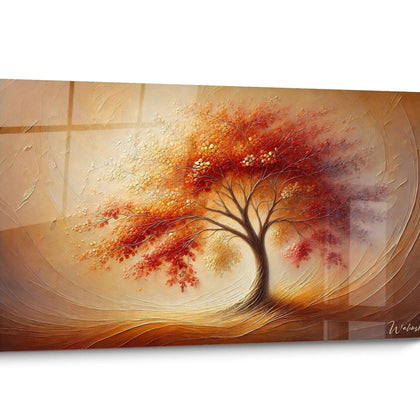 Bedroom Wall Art433
artworks
Bedroom Wall Art433
artworks
-
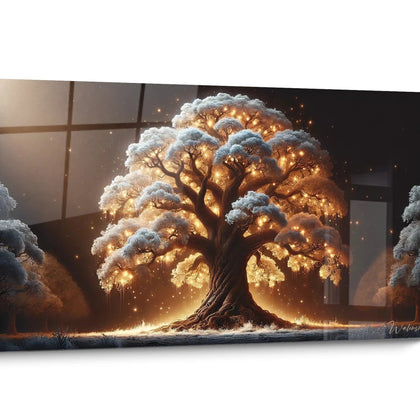 Golden Bedroom Wall Art24
artworks
Golden Bedroom Wall Art24
artworks
-
 Tropical Bedroom Wall Art23
artworks
Tropical Bedroom Wall Art23
artworks
-
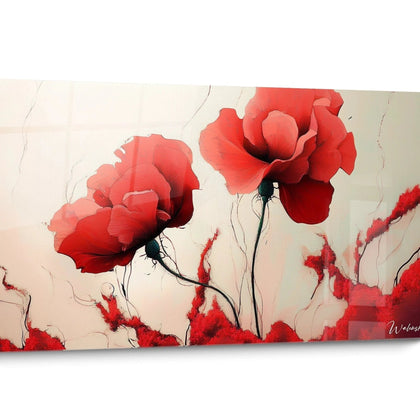 Floral Bedroom Wall Art24
artworks
Floral Bedroom Wall Art24
artworks
-
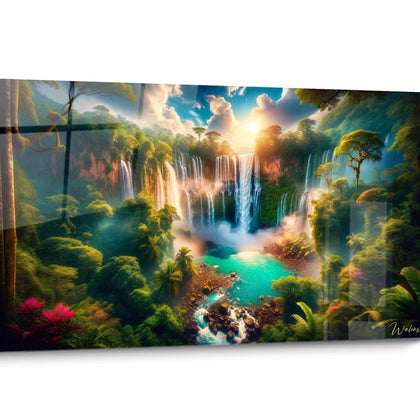 Landscape Wall Art for Bedroom24
artworks
Landscape Wall Art for Bedroom24
artworks
-
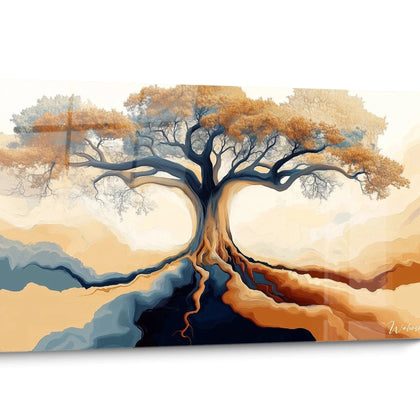 Modern Bedroom Wall Art24
artworks
Modern Bedroom Wall Art24
artworks
-
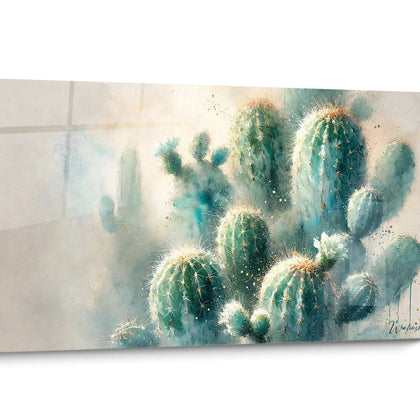 Minimalist Bedroom Wall Art24
artworks
Minimalist Bedroom Wall Art24
artworks
-
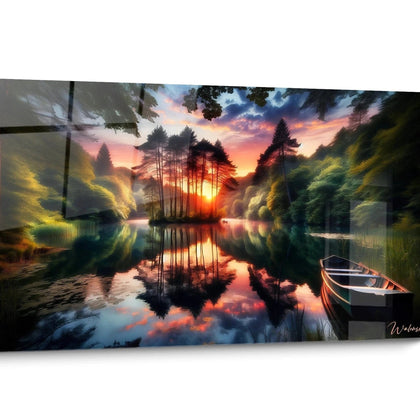 Romantic Bedroom Wall Art13
artworks
Romantic Bedroom Wall Art13
artworks
-
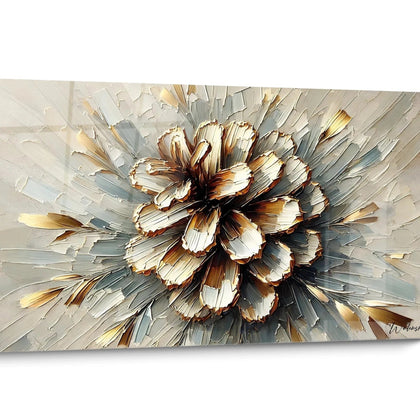 Abstract Bedroom Wall Art12
artworks
Abstract Bedroom Wall Art12
artworks
-
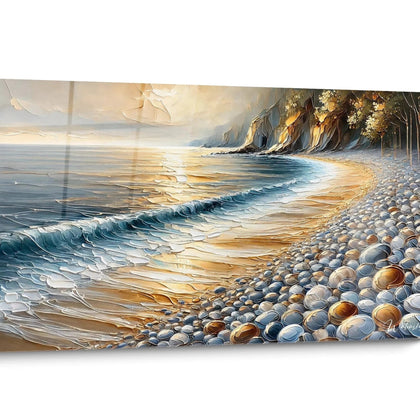 Ocean Bedroom Wall Art10
artworks
Ocean Bedroom Wall Art10
artworks
-
 Sunset Bedroom Wall Art9
artworks
Sunset Bedroom Wall Art9
artworks
-
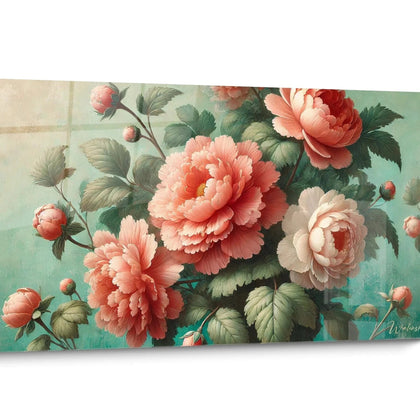 Vintage Bedroom Wall Art7
artworks
Vintage Bedroom Wall Art7
artworks
-
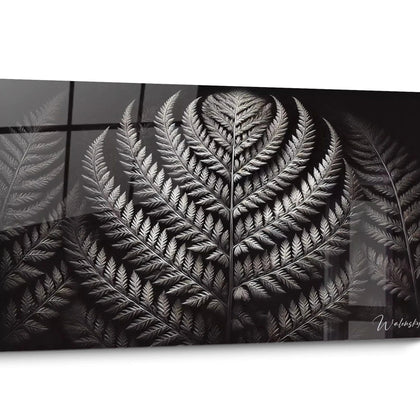 Monochrome Bedroom Wall Art9
artworks
Monochrome Bedroom Wall Art9
artworks
-
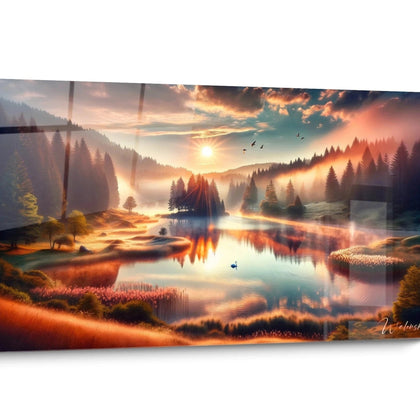 Mountain Bedroom Wall Art5
artworks
Mountain Bedroom Wall Art5
artworks
All about Zen Bedroom Wall Art
- Zen Bedroom Wall Art Presentation
- Calming Atmosphere
- Visual Balance
- Daily Serenity
A zen bedroom wall art transforms your rest space into a sanctuary of tranquility. These large-scale mural artworks embody the fundamental principles of Japanese harmony and minimalist philosophy, creating a bubble of quietude conducive to deep relaxation and nighttime regeneration. Specifically designed for spaces dedicated to sleep and meditation, these visual creations incorporate soft color palettes, refined compositions, and natural symbols that promote mental release.
Create an Atmosphere Conducive to Deep Relaxation
Installing a zen bedroom wall art in your sleep space addresses an essential psychological need: creating a visual transition between the agitated external world and your personal haven of peace. Zen mural compositions revolve around soothing natural motifs like bamboo, pebbles arranged in balance, stylized waves, or morning mists. These graphic representations activate specific neurological responses that reduce cortisol and prepare the body for sleep.
Why do natural motifs promote restorative sleep?
Neuroscience demonstrates that exposure to vegetable and mineral representations decreases sympathetic nervous system activity. A zen bedroom wall art displaying organic elements creates a biophilic connection even in urban environments. XXL formats allow complete visual immersion, transforming an entire wall into a contemplative window onto serene landscapes. This monumental scale amplifies the calming effect without overwhelming the space, an essential condition in zen philosophy that values constructive emptiness.
The impact of neutral tones on sleep quality
Color palettes in zen wall art prioritize sandy beiges, pearl grays, celadon greens, and off-whites. These desaturated shades avoid excessive stimulation of the optic nerve at day's end. Unlike vibrant artworks that sustain wakefulness, these muted tones accompany the natural secretion of melatonin. For those seeking a more conceptual dimension, exploring abstract bedroom wall art can complement the zen approach with refined geometric forms that dialogue with Japanese minimalism.
Ritualize bedtime through a calming focal point
The presence of a zen wall art above the headboard or on the opposite wall creates a visual anchor for conscious breathing practices before sleep. By fixing your gaze on the soft curves of an enso circle or the horizontal lines of a dry garden, you establish a sensory routine that signals to your brain preparation for rest. This visual ritualization becomes a Pavlovian trigger for relaxation, particularly effective for those suffering from stress-related insomnia.
Balance Space Energy According to Oriental Principles
Choosing a zen bedroom wall art is part of a comprehensive approach to harmonizing your home's energy. The feng shui tradition recommends visuals evoking stability and fluidity for the rest zone. Balanced asymmetric compositions, characteristic of wabi-sabi aesthetics, bring soothing visual tension that breaks with Western rigidity while maintaining spatial order. Panoramic formats work particularly well with king-size headboards, creating the proportional coherence essential to zen design.
How to position zen artwork to optimize chi flow?
The strategic placement of zen wall art directly influences nighttime energy circulation. Avoid dynamic water representations facing the bed; instead favor earth and air elements that stabilize chi. Large dimensions allow visual anchoring of difficult corners where energy stagnates. A triptych of zen stones arranged on a side wall guides the gaze gently, creating slow eye movement conducive to mental calm. This approach differs radically from active spaces requiring stimulation.
The importance of emptiness in visual composition
An authentic zen bedroom wall art generously incorporates negative space, reflecting the Japanese concept of ma. These blank areas are not passive void but active compositional elements that allow the eye to breathe. In a cluttered bedroom, this visual emptiness compensates for saturation and restores perceptual balance. Minimalist large-format works showing a single lotus motif on uniform background maximize this effect by offering the gaze a rest space comparable to guided meditation.
Synchronize seasons with your mural decor
Zen philosophy encourages alignment with natural cycles. Consider a rotating system where your zen wall art reflects the seasons: spring cherry blossoms, summer bamboo, copper autumn foliage, winter frost-covered branches. This practice, inspired by Japanese tokonoma, maintains conscious connection with the passing of time while subtly renewing ambiance without major investment. Large formats facilitate these rotations through their immediate visual impact during changes.
Integrate Visual Serenity into Your Wellness Routine
Acquiring zen bedroom wall art represents an investment in your daily mental hygiene. Beyond aesthetics, these artworks function as supports for visual micro-meditations practicable upon waking and before sleep. Refined compositions serve as contemporary mandalas, concentration points for a few conscious breaths that recalibrate your nervous system. This functional dimension fundamentally distinguishes zen wall art from simple decorative elements without therapeutic intention.
Associate your artwork with contemplative practices
Integrate your mural into a morning gratitude sequence: three minutes of silent observation of nuances, textures, compositional balances. This practice activates neural networks associated with benevolent attention and establishes a positive mindset for the day. In the evening, the same artwork becomes decompression anchor, visual signal for closing activities. Imposing formats facilitate this contemplative use by creating a visual field sufficiently wide to capture attention completely.
What lighting ambiance enhances zen wall art?
Indirect dimmable lighting constitutes the ideal for revealing the subtleties of zen bedroom wall art. Avoid direct spots that create aggressive reflections; prefer diffuse sources that envelop the artwork in soft light reminiscent of dawn or dusk. Warm white LEDs (2700-3000K) preserve the authenticity of natural tones without excessive stimulation. This attention to lighting also extends the calming effect in coherence with circadian rhythms, unlike disruptive blue-tinted lighting.
Create multidimensional sensory continuity
Zen wall art reaches its full potential when inscribed in a global sensory strategy. Associate bamboo grove visuals with hinoki scents, mineral representations with natural linen textures. This multisensory coherence amplifies the immersive effect without adding visual elements that would burden the space. Large mural artworks thus become centerpieces of a holistic environment where each stimulus converges toward tranquility, transforming your bedroom into a true personal temple of rejuvenation.
What zen wall art style suits modern bedrooms?
Contemporary interpretations of zen merge Scandinavian minimalism and Japanese refinement. Look for soft geometric compositions, monochrome gradients, or simplified calligraphy that dialogue with rectilinear furniture while bringing oriental serenity. Horizontal rectangular formats harmonize perfectly with the low lines of current platform beds.
Does zen bedroom wall art work in small spaces?
Paradoxically, large zen wall art optimizes small bedrooms visually by creating illusory depth. Favor compositions with atmospheric perspective (mists, vaporous horizons) that push walls perceptually back. What remains important is maintaining the zen principle of unity: a single major artwork rather than multiple small pieces that would fragment space and vision.
How to maintain zen wall art to preserve its calming effect?
The durability of the zen effect requires minimal but regular maintenance. Gently dust with a dry microfiber cloth monthly to preserve visual clarity. Avoid direct sun exposure that fades the subtle tones essential to the calming atmosphere. Annual rotation to another wall also prevents perceptual saturation, maintaining the contemplative freshness of your daily visual practice.


