


Savanna Animals Watercolor Wall Art
Our Animal Paintings of the savannah Watercolor collection captures the majesty of African wildlife with exceptional artistic delicacy. Each artwork celebrates watercolor animal art by depicting lions, elephants, giraffes, and zebras in poetic compositions with subtle nuances. These creations evoke decorative African savannah with authenticity, bringing a touch of escape and refinement to your interior. Ideal for nature and Africa lovers, these paintings transform your walls into windows open onto the wild open spaces.
 The Sacred Buffalo Canvas - Buffalo Animals Edition273,90 €
 Water Ballet Painting - Flamingo Animals Edition273,90 €
 Feathers and Petals Wall Art - Pink Flamingo Animals Edition273,90 €
 Color Imprint Artwork - Elephant Animals Edition273,90 €
 Giraffe Watercolor Wall Art - Wildlife Edition273,90 €
Explore further
In Savanna Animals Watercolor Wall Art
-
 Savanna Animals Wall Art94
artworks
Savanna Animals Wall Art94
artworks
-
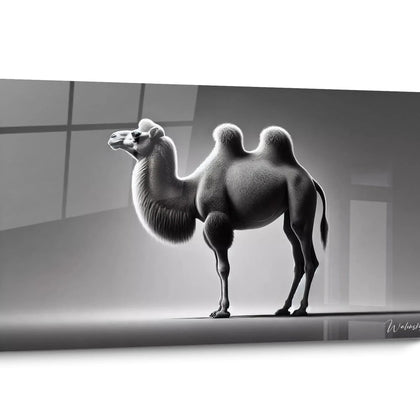 Savanna Animals Wall Art Black and White11
artworks
Savanna Animals Wall Art Black and White11
artworks
-
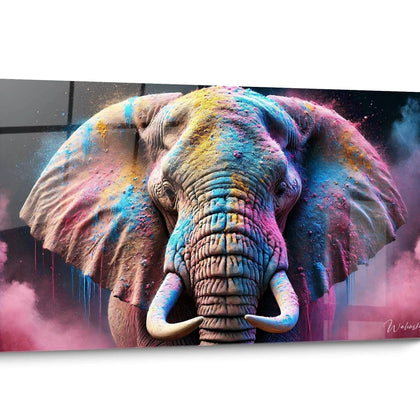 Savanna Animals Pop Art Canvas5
artworks
Savanna Animals Pop Art Canvas5
artworks
-
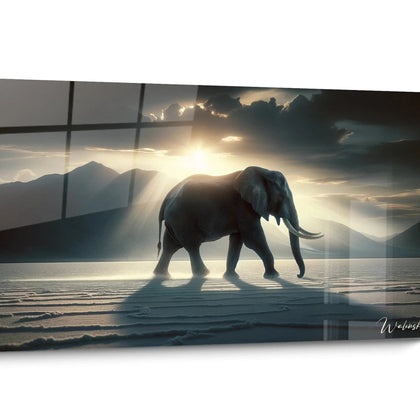 Golden Savanna Animals Wall Art17
artworks
Golden Savanna Animals Wall Art17
artworks
-
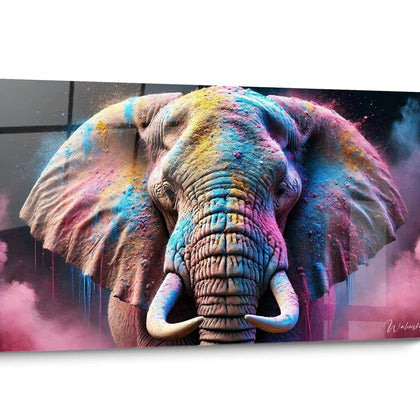 Colorful Savanna Animals Wall Art14
artworks
Colorful Savanna Animals Wall Art14
artworks
-
 Modern Savanna Animals Wall Art18
artworks
Modern Savanna Animals Wall Art18
artworks
-
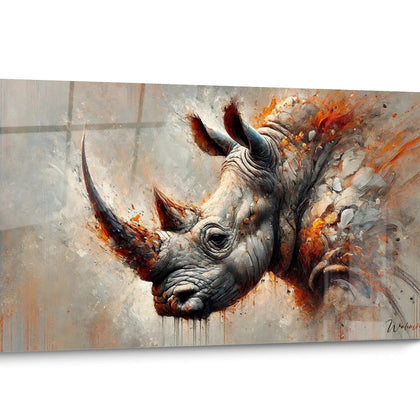 Savanna Animals Portrait Wall Art13
artworks
Savanna Animals Portrait Wall Art13
artworks


All about Savanna Animals Watercolor Wall Art
- Presentation Savanna Paintings Watercolor
- Delicate and Naturalistic Atmosphere
- Large Formats for Generous Spaces
- Refined Decorative Associations
The savanna animal paintings watercolor embody a delicate artistic approach that transforms the raw power of African wildlife into ethereal and contemplative compositions. This pictorial technique with subtle transparencies captures the very essence of the savanna giants through soft nuances, blurred outlines, and diffused light that evokes the morning mist of the Serengeti. Perfect for contemporary living spaces seeking a connection with nature without visual aggression, these large-format paintings bring a monumental presence softened by the fluidity characteristic of watercolor, creating a perfect balance between decorative impact and soothing harmony.
The Art of Transparency for an Intimate Savanna
A savanna animal painting watercolor radically distinguishes itself from traditional representations by its ability to translate animal majesty into contemplative softness. Successive washes create unique atmospheric depths where an elephant seems to emerge from the mists of dawn, where a giraffe blends into the golden hues of twilight. This technique transforms each subject into an almost mystical apparition, ideal for interiors that prioritize visual meditation rather than aggressive decorative stimulation.
How do watercolor gradients transform the perception of wildlife?
The chromatic transitions specific to watercolor generate organic luminosity effects impossible to reproduce with other mediums. On a large format, a lion represented in watercolor retains its imposing presence while developing a poetic vulnerability thanks to the reserved white areas that create visual breaths. Suggested rather than affirmed outlines allow the viewer's imagination to mentally complete the scene, generating a cognitive engagement particularly suited to spaces for rest and reflection.
Effects of Material and Emotional Depth
The natural granulation of watercolor pigments visible on large-format prints brings a fascinating visual texture that evolves according to the angle of observation. A rhinoceros treated in a wet technique presents pigment halos that evoke the red dust of the savanna, while a zebra in a dry technique reveals crystalline streaks imitating dried grasses. These controlled accidents of the medium create a micro-visual richness captivating the eye during prolonged contemplations, particularly valued in spaces with slow circulation such as bedrooms or libraries.
Unlike a colored savanna animal painting with saturated and energetic hues, the watercolor palette favors tertiary harmonies and warmed neutrals that naturally integrate into Scandinavian, Japandi, or bohemian chic interiors. Desaturated ochres, bluish grays, and translucent sepia tones allow for a fluid coexistence with natural fabrics such as raw linen or bouclé wool.
Monumental Dimensioning and Aerial Presence
Why prioritize a large format for a watercolor composition?
The visual effect of a savanna animal watercolor painting in generous dimensions lies in the paradoxical amplification of lightness. When a watercolor cheetah occupies 120 to 150 centimeters in width, the areas of pure white become architectural breathing spaces in their own right, while pigment concentrations create strategic visual anchor points. This dialectic between empty and full transforms the wall into a contemplative window towards a wild elsewhere softened by temporal distance.
Large formats allow for full exploitation of the subtle tonal variations characteristic of watercolors. On an African buffalo treated in panoramic format, atmospheric gradients can extend over several dozen centimeters, creating luminous transitions that mimic the passage of time in the savanna. These slow chromatic progressions generate a visually soothing dynamic particularly sought after for decompression spaces after days saturated with urban stimuli.
Spatial integration in contemporary volumes
Open architectures such as lofts or double-height living rooms find in these monumental watercolor paintings an essential organic counterpoint to their minerality. A herd of elephants treated in wet-on-wet technique on 180 centimeters creates an illusory depth that visually compensates for the lack of partitioning, psychologically structuring the space without fragmenting it physically. Soft tones never compete with raw materials such as polished concrete or brushed steel.
Hanging strategies to maximize the airy effect
To preserve the floating impression characteristic of watercolor, a positioning slightly higher than the conventional standard is advisable. The lower edge aligned with eye level when standing allows the gaze to naturally rise towards the brightest areas of the composition, mimicking the natural movement of observing the sky in large open spaces. This elevation reinforces the perception of immateriality and connection with the distant horizon evoked by the savanna.
Decorative Ecosystem and Material Synergies
What materials naturally accompany a watercolor animal painting?
A watercolor savanna animal painting establishes a particularly harmonious dialogue with untreated plant fibers. Natural rattan, braided sea grass, or raw bamboo share with watercolor this quality of discreet presence and this organic patina that visually evolves according to the ambient light. A faded wicker armchair positioned in front of a large watercolor of gazelles creates an immediate sensory coherence, as if furniture and wall decoration came from the same original natural environment.
Unpolished minerals such as raw terracotta, matte glazed stoneware, or limestone bring a complementary massiveness to the lightness of watercolor. A console made of unpolished travertine under a triptych of watercolor lions generates a visually balanced density contrast: the mineral solidity anchors the composition while the pictorial fluidity lightens it, creating a stimulating decorative tension without dissonance.
Indirect lighting strategies to preserve chromatic subtlety
Watercolor absolutely requires diffused lighting that respects its delicate transitions. Aggressive directional sources crush the nuances and create areas of overexposure destroying the atmospheric depth effect. Wall sconces oriented towards the ceiling generating enveloping reflected light, or LED strips with warm color temperature hidden behind a cornice, allow the pigment layers to be gradually revealed without ever dazzling. This soft light prolongs the twilight atmosphere suggested by the watercolor palette.
Construction of a coherent wall gallery
The combination of several animal watercolor paintings in varying sizes creates a visual narrative evoking a contemplative safari. A large central piece depicting an elephant can be flanked by smaller compositions featuring birds or antelopes, generating a natural visual hierarchy. Generous spacing between the frames – a minimum of 15 centimeters – preserves the characteristic airiness of the medium and avoids visual saturation, allowing each artwork to retain its atmospheric integrity while participating in a coherent narrative ensemble.
Is a savanna animal watercolor painting suitable for humid spaces?
Although watercolor evokes fluidity, professional prints on contemporary supports resist moderate variations in humidity. However, avoid direct exposure to water splashes or regularly condensing environments that could alter the surface protections. Spacious bathrooms with effective ventilation perfectly accommodate these compositions if kept away from splash zones.
What durability can be expected from a large-format savanna animal watercolor painting?
Giclée printing technologies with pigment inks guarantee superior color stability for over 75 years under standard indoor lighting. The mineral pigments used to reproduce watercolor effects remarkably resist photoaging, preserving the tonal subtleties that contribute to the aesthetic value of these compositions. Positioning away from direct sunlight indefinitely extends this chromatic longevity.
How to clean a savanna animal watercolor painting without altering the nuances?
Monthly dusting with an anti-static feather duster with natural fibers is sufficient for routine maintenance. In case of superficial dirt, a microfiber cloth slightly dampened with demineralized water, applied without pressure in horizontal movements, removes traces without risk to the protective layers. Absolutely avoid cleaning products, alcohols, or solvents that would attack the coatings preserving the fineness of the watercolor gradations.
L'art qui suscite l'envie
Maison belge d'art mural grand format
14 jourspour changer d'avis*
Protection Walenskyincluse
Fabriquéen Italie
FormatXXL
Kit de fixationtoujours fourni
* Hors tableaux personnalisés et tailles personnalisées


