


Colorful Savanna Animals Wall Art
Our Colorful Savanna Animals Wall Art celebrates the majesty of wild Africa. This exclusive collection features lions, elephants, zebras and giraffes in striking compositions. Perfect for African-inspired wall decoration, these artworks bring energy and character to your interior. Each piece captures the essence of colorful African wildlife with vibrant hues and contemporary style. Transform your space into a true art gallery celebrating the timeless beauty of the savanna.
 Light Colossus Canvas - Elephant Animals Edition233,90 €
 Tropical Serenity Wall Art - Pink Flamingo Animals Edition233,90 €
 Sky Flames Wall Art - Pink Flamingo Animals Edition233,90 €
 Titan of Colors Painting - Elephant Animals Edition233,90 €
 Burning Majesty Painting - Elephant Animals Edition233,90 €
 The Soul of the Giant - Elephant Animals Edition233,90 €
 Ivory Flames Wall Art - Elephant Animals Edition233,90 €
 Radiant Giraffe Wall Art - Giraffe Animals Edition233,90 €
 Feather Sculpture Wall Art - Animals Edition233,90 €
 Purple Reflections Canvas - Animals Edition233,90 €
 Flamboyant Portrait Wall Art - Animals Edition233,90 €
 Fantasy Portrait Painting - Animals Edition233,90 €
 Iridescence Wildlife Wall Art - Animals Edition233,90 €
 Squirrel Splash of Colors - Animals Edition233,90 €
Explore further
In Colorful Savanna Animals Wall Art
-
 Savanna Animals Wall Art94
artworks
Savanna Animals Wall Art94
artworks
-
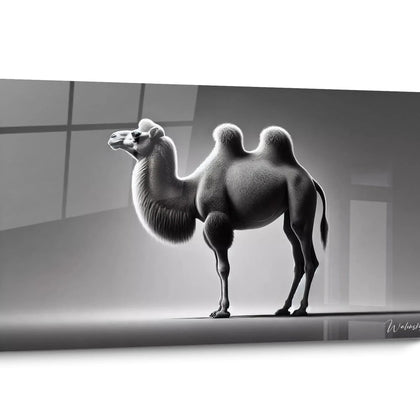 Savanna Animals Wall Art Black and White11
artworks
Savanna Animals Wall Art Black and White11
artworks
-
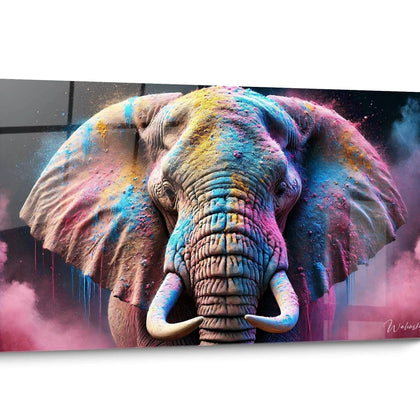 Savanna Animals Pop Art Canvas5
artworks
Savanna Animals Pop Art Canvas5
artworks
-
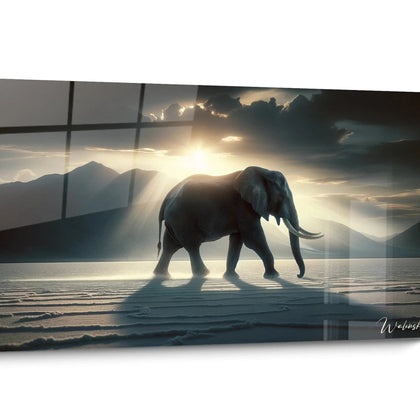 Golden Savanna Animals Wall Art17
artworks
Golden Savanna Animals Wall Art17
artworks
-
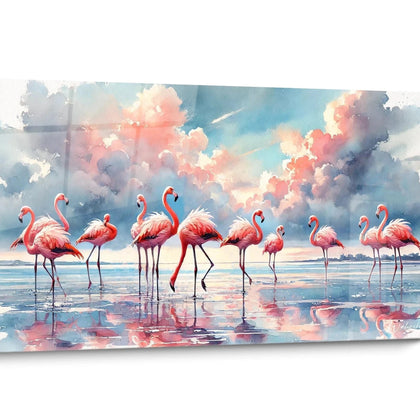 Savanna Animals Watercolor Wall Art5
artworks
Savanna Animals Watercolor Wall Art5
artworks
-
 Modern Savanna Animals Wall Art18
artworks
Modern Savanna Animals Wall Art18
artworks
-
 Savanna Animals Portrait Wall Art13
artworks
Savanna Animals Portrait Wall Art13
artworks


All about Colorful Savanna Animals Wall Art
- Savanna Animals Wall Art Presentation
- Intense Color Palette
- African Visual Dynamism
- Large Format Decorative Impact
A colorful savanna animals wall art piece radically transforms the atmosphere of a living space by introducing an explosion of vibrant hues and captivating wild energy. Unlike classical representations, this intensified chromatic approach elevates African wildlife through bold contrasts and intensive saturation that electrifies the eye. These large-format compositions become magnetic focal points in contemporary interiors, creating the visual tension sought by enthusiasts of bold decoration and modern animal art collectors.
Chromatic Intensity in Service of African Wildlife
The colorful savanna animals wall art distinguishes itself through a radically saturated pigment approach, transforming lions, elephants, and zebras into genuine chromatic manifestos. This deliberate exaggeration of natural tones creates a neo-expressionist interpretation of African wildlife, where incandescent oranges meet deep purples and electric cyans. The large dimensions amplify this colorimetric impact, allowing nuances to dialogue across several square meters of wall surface.
How do saturated tonalities amplify animal presence?
The use of hyperrealistic chromatic ranges confers animal representations with quasi-hallucinatory presence in domestic spaces. Coats treated in contrasting monochromatic areas - a cobalt blue lion against a magenta background - generate incomparable visual memorability. This pictorial strategy suits industrial lofts and minimalist spaces perfectly, where the artwork becomes the sole source of chromatic vitality. Contemporary art collectors specifically seek this radicality that distinguishes these works from traditional documentary representations.
Selection of pigment combinations for explosive rendering
Complementary triads - red-green-violet or yellow-blue-orange - structure these compositions with underlying geometric rigor. Backgrounds treated with multicolor gradients create unexpected atmospheric depth, evoking African skies at sunset on acid. This approach differs radically from savanna animals watercolor wall art which privileges transparency and wash subtlety.
Balance between saturation and graphic legibility
Despite chromatic intensity, the finest examples maintain clear visual hierarchy through value contrasts. Shadow areas treated in deep black anchor the composition and prevent optical dispersion. This technique allows large formats to maintain impact even when observed from a distance, an essential quality for reception spaces and spacious entry halls. Matte or satin finishes modulate light absorption to avoid glare while preserving color vibrancy.
Visual Dynamics and Energetic Composition
A colorful savanna animals wall art successfully transcends simple animal representation to become a permanent visual movement generator. Diagonal compositions project the viewer's eye from one angle to another, while force lines follow the natural trajectories of subjects - antelope gallop, flamingo flight, hippopotamus charge. This graphic choreography transforms the wall into a perpetual theater of stylized African vitality.
Why prioritize group scenes to maximize impact?
Multispecific representations - mixed herds of wildebeest and zebras, predator-prey cohabitation - generate narrative density rich in points of interest. This multiplicity captivates attention during repeated viewings, revealing new details with each observation. For circulation spaces like wide hallways or stairwells, this compositional complexity justifies large dimensions and transforms simple transit into contemplative experience. Professional buyers - themed restaurants, travel agencies - specifically seek this capacity to retain client attention.
Layering techniques to create chromatic depth
Successive colored glazes build optical richness impossible to achieve in a single layer. Animal silhouettes treated with sharp cutouts against vaporous backgrounds create dynamic spatial tension. This stratification generates a quasi-holographic effect where perception varies depending on viewing angle and ambient lighting. Panoramic formats exploit this technique particularly well by deploying multiple depth planes across the entire available width.
Integration of contemporary ethnic geometric patterns
Many creations incorporate weaving-inspired trames - bogolan, kente, mudcloth - in background or overprint. These cultural references visually authenticate the theme while adding modern graphic dimension. The rhythmic repetitions of these patterns contrast with animal form organicity, creating dialogue between tradition and contemporary interpretation. This style hybridization particularly appeals to fusion interiors combining ethnic elements with Scandinavian or industrial design furniture.
Installation Strategies to Maximize Colorimetric Impact
Acquiring a large-format colorful savanna animals wall art requires deep spatial reflection to fully exploit its transformative potential. These imposing works function as chromatic architectures that redefine volumes and modify proportion perception. Their strategic installation converts neutral walls into authoritative visual statements that orient the entire surrounding decorative scheme.
Which spaces benefit most from these vibrant compositions?
Socialization zones - open living rooms, coworking spaces, hotel lounges - derive maximum benefit from these conversational catalysts. Their magnetic presence naturally structures furniture arrangement, with seating spontaneously orienting toward this visual attraction pole. In executive offices and professional practices, large-format colorful animal art simultaneously projects power, creativity, and connection to wild nature. Loft spaces with high ceilings particularly benefit from vertical formats representing giraffes or majestic elephants, which sublimate architectural verticality.
Chromatic coordination with existing environment
Contrary to common assumptions, these saturated works function remarkably well on colored walls rather than white. An anthracite gray or navy wall amplifies tone luminosity through contrast, creating illusory backlighting effect. Furnishing textiles can echo one or two artwork tones in punctual touches - cushions, rugs - without reproducing the entire spectrum to avoid sensory saturation. This selective approach maintains visual hierarchy where the artwork remains the undisputed chromatic protagonist.
Natural and artificial lighting management to preserve vibrancy
Direct UV radiation progressively degrades saturated pigments, justifying perpendicular placement to windows rather than facing them. Variable color temperature LED lighting systems allow chromatic restitution modulation according to times of day, revealing different facets of the composition. Directional spotlights create variable intensity zones that dramatize visual relief. For continuously open commercial spaces, prioritizing sources with color rendering index above 90 guarantees tone fidelity as perceived by visitors.
How to choose the ideal size for savanna animals wall art in a living room?
For standard living rooms, a width representing 60 to 75% of sofa width creates harmonious proportion. Open-plan spaces support formats exceeding 2 meters wide that function as visual partitions structuring space without physical compartmentalization.
Are colorful animal paintings suitable for bedrooms or only living spaces?
Though dynamic, certain compositions with warm tones - oranges, terracotta reds - generate enveloping atmosphere conducive to rest. Night versions representing wildlife at dusk offer more soothing palettes while preserving characteristic chromatic richness.
Can multiple colorful savanna animals artworks be combined in the same space?
This gallery approach works if artworks share stylistic coherence - same chromatic treatment, similar technique - while varying represented species. Horizontal triptych arrangement or asymmetrical constellation on large wall section creates spectacular cumulative impact for passionate collectors.
Further reading


