


Savanna Animals Pop Art Canvas
Our Tableau Animaux de la savane Pop Art collection celebrates African wildlife in an explosion of vibrant and bold colors. Majestic lions, imposing elephants, graphic zebras, and elegant giraffes come to life through unique pop art savane africaine compositions. Each artwork transforms these iconic creatures into true contemporary artistic icons. Perfect for creating a décoration murale animaux colorés, this artistic universe brings energy and character to your interior.
 Titan of Colors Painting - Elephant Animals Edition273,90 €
 Serene Colors Wall Art - Zebra Animals Edition273,90 €
 Pop Stripes Wall Art - Zebra Animals Edition273,90 €
 Nature's Palette Wall Art - Animals Edition273,90 €
 Wall Art Harmony of Stripes - Animals Edition273,90 €
Explore further
In Savanna Animals Pop Art Canvas
-
 Savanna Animals Wall Art94
artworks
Savanna Animals Wall Art94
artworks
-
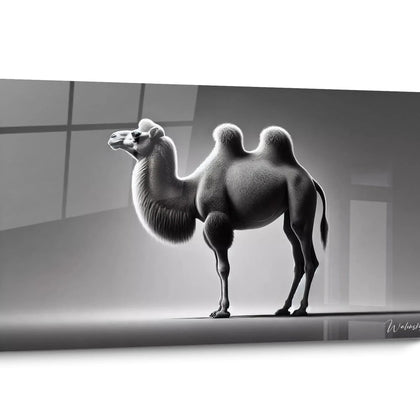 Savanna Animals Wall Art Black and White11
artworks
Savanna Animals Wall Art Black and White11
artworks
-
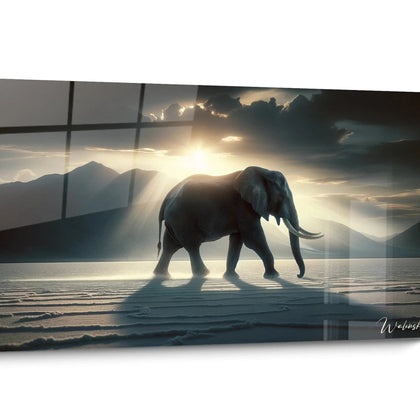 Golden Savanna Animals Wall Art17
artworks
Golden Savanna Animals Wall Art17
artworks
-
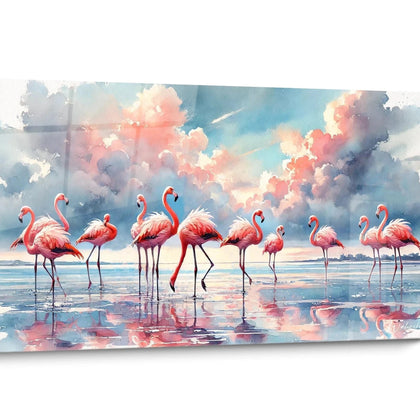 Savanna Animals Watercolor Wall Art5
artworks
Savanna Animals Watercolor Wall Art5
artworks
-
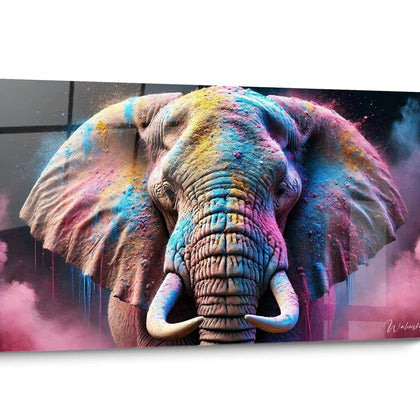 Colorful Savanna Animals Wall Art14
artworks
Colorful Savanna Animals Wall Art14
artworks
-
 Modern Savanna Animals Wall Art18
artworks
Modern Savanna Animals Wall Art18
artworks
-
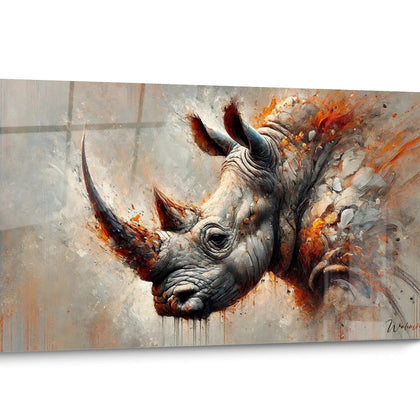 Savanna Animals Portrait Wall Art13
artworks
Savanna Animals Portrait Wall Art13
artworks


All about Savanna Animals Pop Art Canvas
- Savanna Animals Pop Art Wall Art Presentation
- Chromatic Explosion Savanna
- Fauve Pop Contemporary Decor
- Modern Artistic Safari
Transform your space with a savanna animals pop art wall painting that infuses vibrant energy and chromatic boldness into your interior. These large-scale creations capture the wild essence of felines, elephants and zebras through a dazzling palette of neon, fuchsia, cyan and electric yellow colors. The pop art approach magnifies the natural majesty of these emblematic creatures while conferring a resolutely urban contemporary dimension. Each artwork becomes a visual manifesto where African fauna encounters the rebellious spirit of the artistic movement that revolutionized aesthetic codes. The generous dimensions of these mural compositions allow total immersion in this universe where animal realism fuses with geometric abstraction and saturated color blocks, creating a striking focal point that instantly redefines your room's atmosphere.
The impact of saturated colors on the ambiance of contemporary large spaces
A savanna animals pop art wall painting deploys incomparable chromatic power within generous volumes. The fluorescent hues and extreme contrasts characteristic of pop art create visual dynamism that perfectly addresses the decorative challenges of open-plan spaces, industrial lofts and XXL living areas. Unlike classical naturalistic representations, this artistic interpretation uses bold combinations – vivid pink on turquoise background, electric orange juxtaposed with intense violet – that generate stimulating visual tension.
How chromatic blocks transform spatial perception
The large uniform color surfaces typical of pop art style radically modify the perception of depth in your environment. A lion depicted in magenta gradients on lemon yellow background creates distinct visual planes that add relief to blank walls. This geometric approach to color allows you to visually structure a cathedral-like living room or mezzanine without physically partitioning the space. The marked contours and sharp transitions between colored zones offer an alternative to traditional decorative zoning techniques.
Which savanna animals lend themselves best to pop art aesthetics?
The savanna animals pop art wall painting privileges species with instantly recognizable silhouettes: the graphic mane of the lion, the zebra's stripes transformed into hypnotic motifs, the elephant's sculptural trunk becoming a geometric element. These distinctive morphological characteristics allow radical stylization while preserving immediate identification. A cheetah with spots reinterpreted as repetitive decorative pattern, a giraffe whose coat becomes multicolored checkerboard – these transpositions create a visual vocabulary where nature and urban culture dialogue. The rhinoceros's horns, the elephant's tusks become graphic vectors that structure composition according to modern design principles.
Synergy with other artistic expressions of African fauna
For collectors seeking to enrich their decorative universe around African themes, a savanna animals watercolor wall art offers an interesting counterpoint. The softness of watercolor washes creates sophisticated balance against pop intensity, allowing nuanced visual narrative between chromatic vigor and poetic subtlety. This duality enriches aesthetic experience by offering different emotional readings of the same subject.
- Maximum saturation to energize minimalist stripped-down spaces
- Simultaneous contrast generating captivating optical vibration
- Pop cultural references reinforcing contemporary urban identity
- Monumental format transforming artwork into visual architecture
The wild cat as cultural icon in statement decoration
Adopting a savanna animals pop art wall painting featuring a feline represents an engaged decorative choice that affirms bold personality. The lion, panther or cheetah treated in Warhol or Lichtenstein aesthetics transcends its simple ornamental function to become a symbol of creative power. These predators magnified by popular culture visual codes resonate particularly in interiors assuming strong identity: executive offices, creative spaces, conceptual showrooms.
Why does pop art tiger capture so much visual attention?
Although technically not African, the tiger frequently appears in savanna pop art collections for its naturally graphic stripes. Reinterpreted as vertical bands in cyan, magenta and yellow – the primary colors of CMYK printing – these motifs directly evoke the mechanical reproduction universe dear to pop art. The feline's piercing gaze, often treated in contrasted blocks with pupils simplified as black discs, captures the eye according to visual hierarchy principles. This assumed frontality transforms the animal into an interlocutor, creating almost interactive presence within the space.
Integration in premium professional environments
Architecture firms, communication agencies and premium coworking spaces massively adopt large-format savanna animals pop art wall paintings. This trend is explained by these artworks' ability to simultaneously project creativity, strategic boldness and excellence. An elephant fragmented into distinct chromatic zones over three meters communicates innovation and structure – qualities sought in contemporary brand image. The reference to pop art, the movement that abolished boundaries between elitist art and accessible culture, conveys values of inclusion and openness particularly valued today.
Comparison with traditional realistic approaches
Unlike photographic reproductions or classical animal paintings aiming for naturalistic fidelity, the pop art approach privileges immediate emotional impact and memorability. A zebra whose each stripe is treated in a different hue – from Klein blue to vermillion red – creates lasting memorial imprint with visitors. This visual distinctiveness addresses personal branding challenges for independents receiving clients at home or self-employed professionals caring for their consultation environment.
- Instant cultural referencing via universally recognized pop codes
- Valorization of decision-making boldness through frank chromatic choices
- Creation of memorable and differentiating signature universe
- Sophisticated balance between visual accessibility and conceptual sophistication
Chromatic safari and evolving thematic collection
Building a coherent collection around savanna animals pop art wall painting allows developing progressive visual narrative in your home. Rather than an isolated acquisition, consider a coordinated series – the African Big Five declined in colorimetric pentaptych, each animal in a different dominant chromatic range. This serial approach, directly inherited from Warhol methodology, transforms a wall into narrative gallery where orange lion dialogues with bluish elephant and violet buffalo.
What chromatic progression for a savanna animals pop art series?
Building a harmonious ensemble requires reflection on color temperature and intensity. An effective strategy consists of alternating warm and cool tones: begin with a rhinoceros in incandescent red gradients, continue with a leopard in emerald green tones, then a buffalo in cobalt blue hues. This thermal oscillation creates captivating visual rhythm while maintaining stylistic coherence. Formats can vary slightly to dynamize wall composition – three panels of 120x80cm framing two pieces of 100x70cm generate balanced asymmetry.
How to evolve stylistically without breaking decorative coherence?
The advantage of animal pop art lies in its interpretative flexibility. You can begin with simplified representations in frank blocks, then progressively introduce more complex elements: Ben Day pointillism, enlarged printing screens, silkscreen superimpositions. An initial gnu treated in three colors can dialogue harmoniously with a later antelope acquisition incorporating eight hues and transparency effects. This progressive evolution reflects your own aesthetic maturation while preserving savanna-pop thematic unity.
Dialogue between supports and finishes in animal pop art universe
Large-format pop art works gain impact with finishes reflecting their graphic nature. Satin surfaces accentuate optical vibration of saturated colors, while matte treatments preserve detail legibility in highly bright environments. Some collectors opt for formats cut following animal contours rather than classical rectangles – a lion's head outlined where the mane overflows the conventional frame amplifies the work's sculptural dimension and spatial inscription.
Complementarity with iconic design furniture and objects
A savanna animals pop art wall painting naturally dialogues with modern design classics: Eames chairs, Artemide lighting, USM shelving. This affinity is explained by shared philosophy valuing form, function and visual impact. An elephant silkscreened in vivid colors on pure white background harmonizes perfectly with a Ligne Roset Togo sofa or Panton chairs – pieces sharing this same playful energy and confidence in bold color. The ensemble creates coherent environment celebrating creative optimism of the 1960s-70s reinterpreted for the 21st century.
- Big Five thematic series for complete visual narrative
- Thoughtful chromatic progression ensuring dynamism and harmony
- Varied formats creating architectural rhythm on large walls
- Synergy with iconic design furniture for total stylistic coherence
Where to place a savanna animals pop art wall painting to maximize its decorative impact?
Monumental formats require generous walls offering sufficient visual distance – plan minimum 3 meters distance to fully appreciate a 150cm composition. Privileged spaces include the main salon wall facing the sofa, the terminal wall of a corridor to create a magnetic vanishing point, or the space above executive desks. Avoid visual overload by preserving breathing room – an intense pop art statement wall benefits from being counterbalanced by adjacent stripped surfaces.
How does an animal pop art wall painting influence the overall decorative palette?
Rather than adapting the artwork to your existing decor, let it dictate chromatic direction. Extract two or three secondary hues from the painting – for example the turquoise and coral of a stylized flamingo – and repeat them subtly via cushions, rugs or decorative ceramics. This method creates sophisticated coherence without falling into literal matching. Main furniture remains neutral (gray, white, black) so the artwork retains visual preeminence while chromatically irrigating the space through punctual touches.
What evolution to consider for a savanna animals pop art collection over five years?
Begin with an imposing masterpiece establishing your aesthetic direction – a 180x120cm lion for example. Year two, add a complementary medium format (100x70cm elephant) in an adjacent chromatic range. Years three and four, develop thematic depth with secondary species (meerkat, warthog) treated in the same spirit but more modest formats, creating visual constellation. Year five, dare a conceptually bold piece – giraffe diptych or wildebeest migration triptych – that refines your initial collection while confirming your expertise as an informed collector.


