


Savanna Animals Portrait Wall Art
The Painting Animals of the Savanna Portrait celebrates the majesty of African wildlife through striking portraits. Each artwork captures the soul of the great wild animals : lions with intense gazes, imposing elephants, elegant giraffes and graphic zebras. This collection of animal portraits savanna transforms your interior into a true naturalist gallery. The African wildlife decorative paintings reveal the nobility and power of these iconic creatures with captivating realism and exceptional artistic depth.
 Giraffe Painting - Majestic Portrait - Black and White Animals Edition273,90 €
 Giraffe Portrait Wall Art - Captivating Gaze - Black and White Animals Edition228,90 €
 Zebra Portrait Profile Artwork - Intense Gaze - Black and White Animals Edition273,90 €
 Power at Dawn Wall Art - Rhinoceros Animals Edition273,90 €
 The Last Colossus Wall Art - Rhinoceros Animals Edition273,90 €
 Fury of the Earth Wall Art - Rhinoceros Animals Edition273,90 €
 Wild Mystery Wall Art - Black Panther Animals Edition273,90 €
 Black Splendor Artwork - Black Panther Animals Edition273,90 €
 Feline of Darkness Wall Art - Black Panther Edition Animals273,90 €
 Primate Reflection Painting - Animal Monkey Edition273,90 €
 Animal Meditation Painting - Monkey Animals Edition273,90 €
 The Gaze from Heights Wall Art - Giraffe Animals Edition273,90 €
 Silent Beauty Wall Art - Giraffe Animals Edition273,90 €
Explore further
In Savanna Animals Portrait Wall Art
-
 Savanna Animals Wall Art94
artworks
Savanna Animals Wall Art94
artworks
-
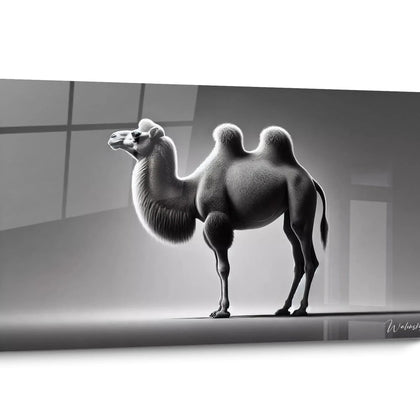 Savanna Animals Wall Art Black and White11
artworks
Savanna Animals Wall Art Black and White11
artworks
-
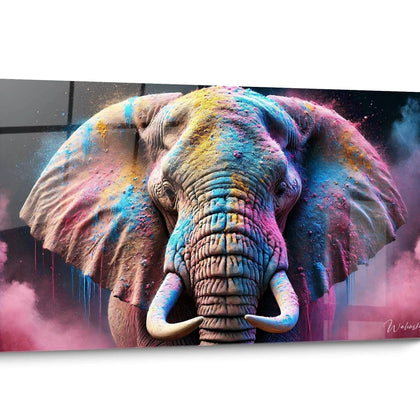 Savanna Animals Pop Art Canvas5
artworks
Savanna Animals Pop Art Canvas5
artworks
-
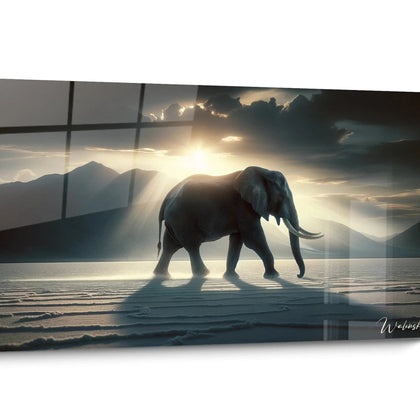 Golden Savanna Animals Wall Art17
artworks
Golden Savanna Animals Wall Art17
artworks
-
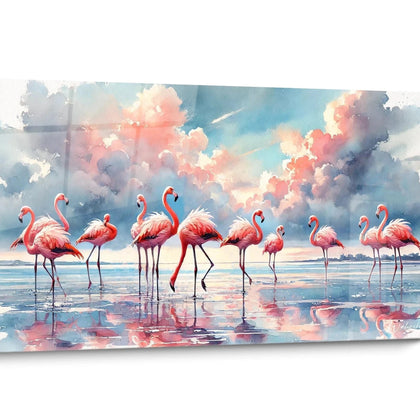 Savanna Animals Watercolor Wall Art5
artworks
Savanna Animals Watercolor Wall Art5
artworks
-
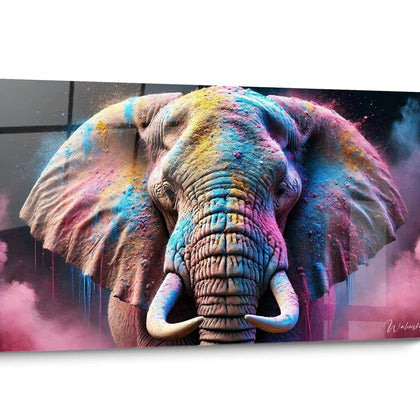 Colorful Savanna Animals Wall Art14
artworks
Colorful Savanna Animals Wall Art14
artworks
-
 Modern Savanna Animals Wall Art18
artworks
Modern Savanna Animals Wall Art18
artworks


All about Savanna Animals Portrait Wall Art
- Presentation Animal Paintings Portrait of the Savannah
- Visual impact in vertical format
- Iconic creatures in majesty
- Arrangement and atmosphere
Discover the wild elegance of savannah animals captured in a portrait format, an artistic orientation that enhances the power and nobility of these legendary creatures. This collection transforms every space into a window open onto authentic Africa, where giraffes, lions and elephants reveal themselves in all their vertical splendor.
The portrait orientation to magnify African giants
The choice of portrait format for an animal painting of the savannah portrait revolutionizes the traditional perception of these majestic creatures. This vertical layout naturally complements the slender morphology of the giraffe, an emblematic animal whose proud neck requires an ascending composition to capture its architectural elegance. Narrow wall spaces as well as areas between windows, entrance hallways or the side walls of living rooms find their decorative fulfillment thanks to this specific orientation.
How does the vertical format transform the presence of animals in space?
Verticality naturally amplifies the bearing of African mammals by creating an immersive sense of proximity. A lion photographed in a portrait bust generates a feline gaze intensity impossible to obtain in landscape format. The viewer's eye meets directly that of the king of the savannah, establishing a powerful emotional connection. This visual intimacy is perfectly suited to contemporary living spaces where minimalist furniture calls for focused decorative accents rather than panoramic ones.
Wall integration in vertical architectures
Modern homes often favor generous ceiling heights with relatively narrow walls. A savannah animal painting in portrait format ideally responds to this architectural configuration by exploiting the available vertical dimension. In an industrial loft with raw walls, a series of superimposed animal portraits creates a sophisticated gallery effect. For apartments with restricted spaces, this orientation maximizes the decorative impact without visually encumbering the precious horizontal wall surface.
Which savannah animals gain expressiveness in portrait format?
The elephant captured from the front reveals the wisdom inscribed in the wrinkles of its monumental trunk. The zebra in portrait exposes the chromatic nuances of its stripes in a striking vertical graphic. The cheetah staring into the lens reveals the predatory intensity of its amber gaze. Each species finds in this framing an amplified characteristic dimension, transforming the painting into an animal psychological portrait rather than a simple naturalistic representation.
Gallery of wild portraits for contemporary decoration
Creating a collection of savannah animal paintings in portrait format allows you to develop a sophisticated visual narrative within your interior. This gallery approach transforms a simple wall into a personal museum dedicated to African wildlife. Series of three or five portraits arranged vertically create a dynamic visual rhythm that naturally guides the eye from the floor to the ceiling, amplifying the sense of space in rooms with modest dimensions.
Why prioritize a multi-portrait approach for your wall decoration?
The reasoned accumulation of animal portraits generates a narrative depth that is nonexistent in a single work. A triptych presenting a lion, a lioness, and a lion cub in succession tells the family story of the savannah. This decorative strategy draws inspiration from museum techniques to transform your living room into a permanent exhibition space. Generous dimensions of each portrait guarantee optimal visibility even in spacious rooms, where a single work might appear isolated.
The chromatic harmony of African pelts in a vertical composition
The natural tones of savannah animals create a consistent chromatic palette ideal for interior design. The ochres of the lion, the grays of the elephant, the contrasts of the zebra, and the tawny hues of the cheetah compose a symphony of earth tones and neutrals that harmoniously integrates into Scandinavian, industrial, or ethnic interiors. This chromatic organic unity avoids decorative dissonances while bringing a natural warmth to spaces dominated by concrete, steel, or cool tones.
If you are looking for a softer and more poetic approach, explore our savannah animal paintings watercolor collection, which offers delicate renderings particularly suitable for bedrooms and zen spaces.
How to create a balanced gallery wall with animal portraits?
The spacing between each portrait conditions the overall visual harmony. A distance of 10 to 15 centimeters between frames creates a narrative continuity without visual confusion. For a narrow hallway, prioritize a strict vertical alignment with three superimposed portraits. In a large living room, a staggered arrangement of five portraits of varying sizes generates a sophisticated dynamism. The professional trick is to maintain an imaginary central vertical axis around which the different works gravitate.
Safari atmosphere in your interior with vertical portraits
Recreating the intoxicating atmosphere of a photographic safari requires a thoughtful wall staging where the savannah animal portrait painting plays a central role. This orientation promotes immersion by positioning the creatures at human eye level, creating the unsettling illusion of a direct encounter with African wildlife. The imposing dimensions available in large format amplify this effect of physical presence, transforming your wall into a virtual gateway to the Serengeti plains.
Which room benefits most from a large-scale animal portrait?
The professional office finds in these portraits a powerful symbolism: the lion evokes leadership, the elephant strategic memory, the cheetah commercial reactivity. This animal iconography subconsciously inspires the desired professional qualities. In a family living room, these representations stimulate conversations and naturally raise children's awareness of threatened ecosystems. The master bedroom is perfectly suited to a lioness portrait, a maternal and protective symbol in African culture.
Decorative associations to amplify the safari spirit
Natural materials such as raw linen, woven rattan, or driftwood organically extend the savannah universe initiated by your painting. A weathered camel-colored leather armchair visually dialogues with the tawny tones of a lion portrait. Ethnic textiles with geometric mudcloth patterns complement the clean simplicity of a large-scale animal portrait without visual competition. Indirect lighting, such as aged brass or oiled bronze, creates dramatic shadows that reinforce the theatrical dimension of the composition.
Are animal portraits suitable for professional spaces?
Medical practices, particularly pediatric offices, use these representations to ease childhood anxiety. Creative agencies leverage the symbolism of the cheetah to embody agility and execution speed. Welcome areas of companies focused on sustainable development choose these visuals to materialize their ecological commitment. The portrait format offers a verticality that respects the spatial constraints of professional environments where wide walls are often reserved for institutional communications.
FAQ - Savannah Animals Painting Portrait
Does a portrait savannah animals painting suit minimalist interiors?
Absolutely. The portrait format with a single subject perfectly aligns with the minimalist philosophy of "less is more". A single large-format animal portrait on a clean white wall becomes a strong aesthetic statement without visual saturation. The compositional simplicity of a portrait concentrates attention without distracting multiplicity.
How to choose between several savannah animals portraits in vertical orientation?
Prioritize the animal whose symbolism resonates with the function of the room: the lion for spaces of power, the giraffe for areas of reflection thanks to its elevated perspective, the elephant for family spaces symbolizing intergenerational memory. The behavioral personality of each species subtly influences the psychological atmosphere of the space.
Can we mix photographic animal portraits and varied artistic styles?
This hybridization works brilliantly in eclectic interiors. A hyperrealistic photographic zebra portrait dialogues harmoniously with an abstract rhinoceros interpretation on the adjacent wall. The constant theme "African savannah" unifies different stylistic treatments, creating a personal and coherent collection despite technical diversity.
L'art qui suscite l'envie
Maison belge d'art mural grand format
14 jourspour changer d'avis*
Protection Walenskyincluse
Fabriquéen Italie
FormatXXL
Kit de fixationtoujours fourni
* Hors tableaux personnalisés et tailles personnalisées


