


Realistic Animal Wall Art
Realistic Animal Paintings capture the essence of wildlife with striking precision. This collection celebrates the raw beauty of the animal kingdom through hyperrealistic animal portraits that immortalize majestic lions, wild wolves, and fascinating creatures. Each work reveals the meticulous details of fur, intense gazes, and natural postures. Perfect for nature lovers, these realistic wildlife decorative paintings transform your space into an immersive gallery where art meets authenticity.
 Amber-Eyed British Shorthair Painting - Noble Portrait - British Shorthair Cat Edition273,90 €
 British Shorthair Painting with Golden Eyes - Tender Gaze - British Shorthair Cat Edition228,90 €
 Contemplative Abyssinian Cat Painting - Golden Light - Abyssinian Cat Edition273,90 €
 Majestic Abyssinian Cat Painting - Feline Elegance - Abyssinian Cat Edition273,90 €
 Abyssinian Cat Portrait Painting - Contemplative Gaze - Abyssinian Cat Edition273,90 €
 Abyssinian Cat Portrait Painting - Captivating Golden Gaze - Abyssinian Cat Edition228,90 €
 Abyssinian Cat Portrait Painting - Golden Gaze - Abyssinian Cat Edition228,90 €
 Buffalo painting with imposing horns - Majestic gaze - buffalo edition273,90 €
 African buffalo painting with majestic horns - Wild gaze - buffalo edition273,90 €
 African buffalo painting - Majestic portrait with imposing horns - buffalo edition273,90 €
 Black and White Buffalo Portrait Painting - Wild Gaze - Buffalo Edition273,90 €
 African Buffalo Painting Majestic Portrait - Wild Gaze - Buffalo Edition273,90 €
 Buffalo Untamed Spirit Wall Art - Buffalo Edition228,90 €
 Bull Terrier Wall Art No. 1 - Animals Edition273,90 €
 Boxer N°1 - Animals Collection273,90 €
 Border Collie Canvas N°2 - Animals Edition273,90 €
 Border Collie Wall Art No.1 - Animals Edition273,90 €
 Australian Shepherd Artwork No. 2 - Animals Edition273,90 €
 Australian Shepherd Wall Art No. 1 - Animals Edition273,90 €
 Beagle Canvas No.1 - Animals Edition273,90 €
 Basset Hound Canvas No.2 - Animals Edition273,90 €
 Basset Hound Artwork No.1 - Animals Edition273,90 €
 Ostrich Painting N°1 - Animals Edition273,90 €
 Earthly Brilliance Painting - Terrestrial Turtle Animals Edition273,90 €
Explore further
In Realistic Animal Wall Art
-
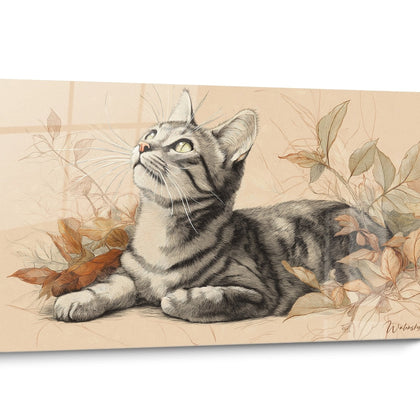 Animal Wall Art10974
artworks
Animal Wall Art10974
artworks
-
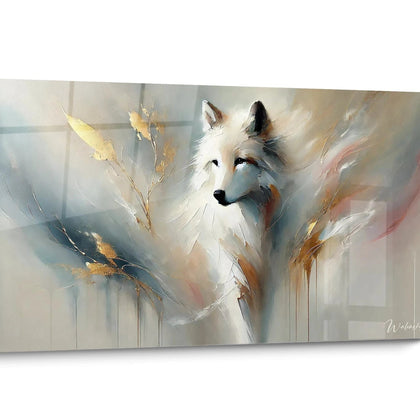 Black and White Animal Wall Art8
artworks
Black and White Animal Wall Art8
artworks
-
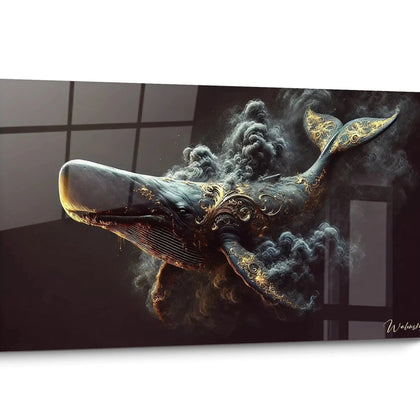 Golden Animal Wall Art24
artworks
Golden Animal Wall Art24
artworks
-
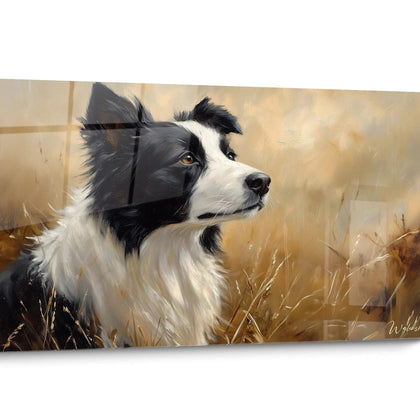 Animal Portrait Wall Art24
artworks
Animal Portrait Wall Art24
artworks
-
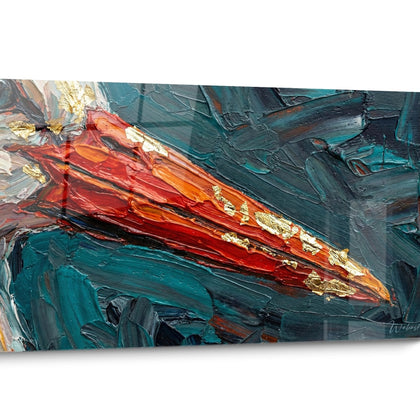 Modern Animal Wall Art24
artworks
Modern Animal Wall Art24
artworks
-
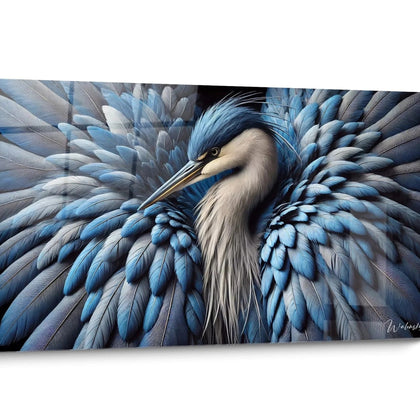 Blue Animal Paintings24
artworks
Blue Animal Paintings24
artworks
-
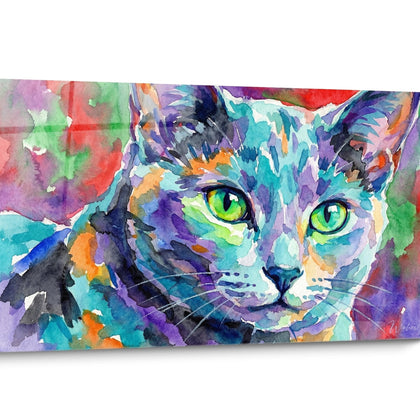 Green-Eyed Animals Wall Art22
artworks
Green-Eyed Animals Wall Art22
artworks
-
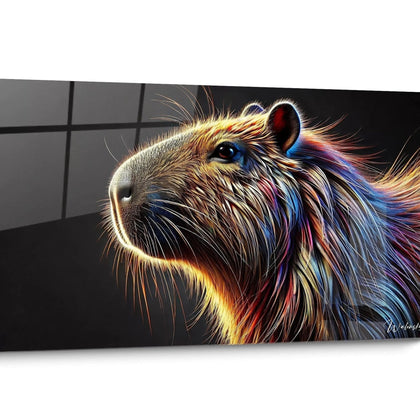 Pop Art Animal Wall Art17
artworks
Pop Art Animal Wall Art17
artworks
-
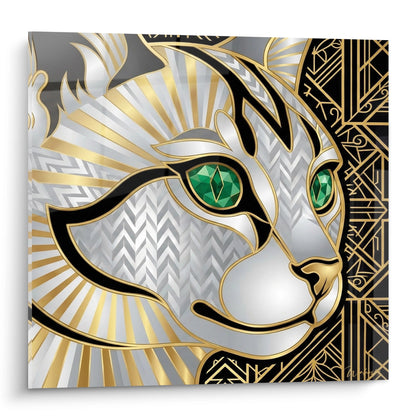 Animal Art Deco Wall Art4
artworks
Animal Art Deco Wall Art4
artworks
-
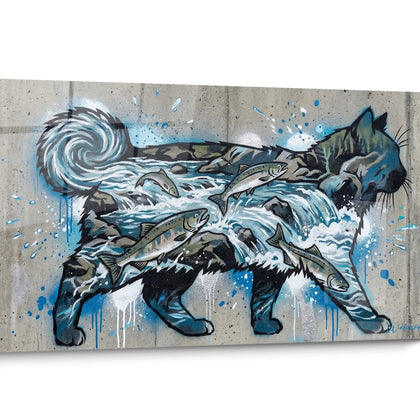 Animal Street Art Wall Art3
artworks
Animal Street Art Wall Art3
artworks
-
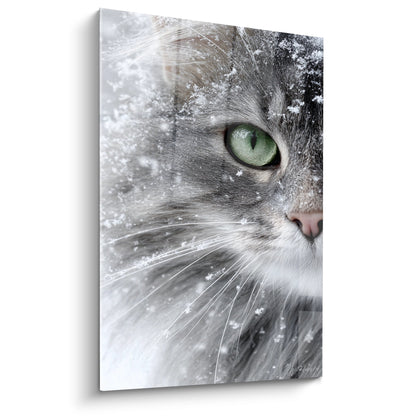 Winter Animal Wall Art3
artworks
Winter Animal Wall Art3
artworks
-
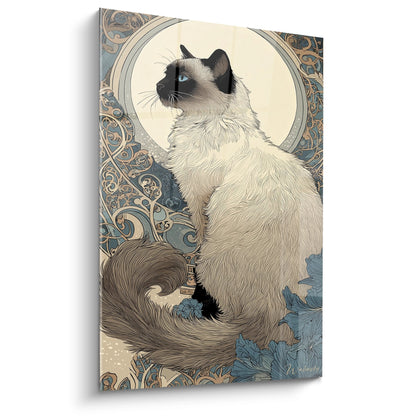 Art Nouveau Animal Wall Art3
artworks
Art Nouveau Animal Wall Art3
artworks
All about Realistic Animal Wall Art
- Realistic Animal Wall Art Presentation
- Mastery of Anatomical Details
- Emotional Impact and Connection
- Sophisticated Decorative Integration
Realistic animal wall paintings embody contemporary artistic excellence by capturing wild beauty with striking photographic precision. These large-scale mural artworks instantly transform luxury living spaces into natural galleries where every hair, feather, or scale seems to vibrate with life. Designed for discerning art enthusiasts seeking faithful representations of the animal kingdom, these large-format realistic animal paintings combine exceptional artistic technique and imposing visual presence. Animal hyperrealism meets refined interior decoration to create spectacular focal points that inspire admiration and reveal the sophisticated personality of owners. Discover how these ultra-detailed animal representations redefine the codes of modern wall art.
The Technical Excellence of Realistic Animal Wall Paintings
The fundamental difference between a classical animal painting and a realistic animal painting lies in the microscopic precision of anatomical details. Artists specialized in this movement spend hundreds of hours studying subcutaneous musculature, textural variations of fur across different body areas, and subtle chromatic nuances that distinguish an African feline from an Asian predator. This scientific meticulousness transforms each work into a genuine artistic zoological study.
How to recognize a genuine quality hyperrealistic animal painting?
The authenticity of a hyperrealistic animal artwork is measured by several decisive technical criteria. Observe the depth of the animal's gaze: eyes must present multiple reflections, variations in corneal transparency, and behavioral expression coherent with the represented species. The transition zones between shadow and light on the fur reveal the artist's mastery, as does the representation of whiskers with their natural curve and anatomically correct implantation.
The Representation of Complex Organic Textures
Large-format realistic animal paintings particularly excel in rendering stratified organic surfaces. The plumage of a bird of prey requires distinguishing between primary, secondary, and covert remiges with their specific barbule structures. The fur of a polar bear reveals three distinct layers: the insulating down, translucent guard hairs that create the white appearance, and seasonal density variations. This technical complexity demands exceptional artistic skills rarely mastered.
The Psychological Impact of Animal Hyperrealism
A realistic animal painting triggers a different neurological reaction than stylized artistic styles. The human brain activates the same facial recognition and threat assessment zones as when facing a real animal, creating a fascinating visual tension in residential spaces. This quasi-living presence generates spontaneous conversations and transforms the wall into an open window onto wild nature, particularly effective in urban environments disconnected from natural ecosystems. Contemporary animal art collectors specifically seek this immediate emotional intensity.
The Emotional Dimension of Realistic Animal Representations
Beyond technical prowess, realistic animal paintings establish a deep emotional connection with observers by capturing authentic behavioral moments. Unlike generic representations, these works immortalize specific instants: the muscular tension of a feline before a leap, the moment of vigilance of a cervid perceiving danger, or the majestic serenity of a patriarch elephant. This silent visual narrative transforms each painting into a frozen story.
Which animals offer the strongest visual impact in realistic representation?
Species with strong expressive potential dominate the contemporary realistic animal painting market. Large felines with their penetrating gaze and prominent musculature create unparalleled magnetic presence. Great apes fascinate through their troubling genetic proximity and quasi-human expressions. Birds of prey combine symbolic power and spectacular plumage complexity. Large marine mammals offer a soothing monumentality ideal for sophisticated zen spaces.
Strategic Choice of Framing and Perspective
A large-format realistic animal painting draws its impact from the audacious choice of framing. Extreme close-ups on a wolf's eye or reptile scales create unsettling intimacy impossible to ignore. Counter-plunge perspectives magnify the stature of large African herbivores. Dynamic asymmetrical framings suggest imminent movement and maintain permanent visual tension. These compositional choices radically distinguish a professional work from a simple enlarged animal photograph.
Evoking Natural Habitats Without Explicit Representation
The finest realistic animal paintings suggest the natural environment through subtle clues rather than detailed backgrounds that would dilute the impact of the main subject. A few strategically placed twigs evoke the savanna, crystalline water droplets suggest aquatic habitat, lighting variations recall forest canopy. This visual economy concentrates all attention on the animal while biologically contextualizing its representation. For those who also appreciate different stylistic approaches, art deco animal paintings offer an interesting complementary geometric aesthetic.
Decorative Integration and Space Valorization Through Realistic Animal Art
Installing a large-dimension realistic animal painting completely restructures the spatial perception of a room. These works function as visual openings that break urban architectural monotony and introduce a living organic dimension into contemporary geometric interiors. Their transformational impact far exceeds that of conventional decorative elements by creating clear visual hierarchy that naturally guides the eye and organizes space around an indisputable focal point.
In what environments do realistic animal paintings reveal their full potential?
Spaces with generous volumes and significant ceiling height allow optimal appreciation of an XXL realistic animal painting. Contemporary open-plan living rooms particularly benefit from these works that fill large wall surfaces with authority without visual overload. Premium executive offices use these representations to simultaneously project cultural sophistication and natural power symbolism. High-end residential lobbies deploy these works as memorable visual signatures creating striking first impressions.
Strategic Color Associations with the Environment
Successful integration of a realistic animal painting requires meticulous chromatic analysis of the receiving space. Fur tones of warm Siena earth, ochre, and burnt umber naturally harmonize with noble woodwork and mineral textures. Representations with gray and white dominants of polar species complement refined Scandinavian interiors and sophisticated monochrome palettes. Iridescent metallic plumage of tropical birds introduce measured color accents into neutral environments requiring controlled points of interest.
Complementarity with Noble Natural Materials
Hyperrealistic animal paintings dialogue remarkably with authentic organic materials present in the space. The aged leather of vintage furniture resonates with representations of mammals with rough texture. Wood species with pronounced grain create natural coherence with animal forest scenes. Raw linen and wool textiles amplify the organic dimension of these representations. This material stratification transforms the interior into a coherent decorative ecosystem where each element reinforces the others.
Why choose a realistic animal painting rather than animal photography?
The realistic painting offers an artistic interpretation that transcends simple photographic capture. The artist selects, amplifies, and composes elements to maximize emotional impact, whereas photography mechanically records. The creative dimension and rarity of a painted work confer superior heritage value and exclusivity sought by collectors.
Are realistic animal paintings suitable for professional spaces?
Absolutely, these works bring cultural sophistication particularly appreciated in law firms, executive offices, and premium reception areas. They simultaneously project success, intellectual refinement, and connection with natural values, creating a distinctive and memorable professional environment that positively strengthens brand perception.
How to maintain a large-dimension realistic animal painting?
These works require minimal maintenance: gentle monthly dusting with antistatic microfiber cloth, avoiding direct sun exposure that could alter pigments long-term, and maintaining stable humidity between 45-65% to preserve material integrity. Strategic positioning away from direct heat sources guarantees optimal decade-long preservation.


