









Green-Eyed Animals Wall Art
The Animal Paintings Green Eyes celebrate the hypnotic beauty of the animal gaze. This collection captures the intensity and depth of wild green eyes, from the majestic feline to the mysterious wolf. Each artwork reveals the magnetic power of these fascinating green eyes that transform your space into a natural art gallery. Perfect for creating a strong and elegant atmosphere, these wall creations bring character and sophistication to your interior decoration.
 Green-Eyed Cat Painting - Hypnotic Colorful Gaze - Burmilla Cat Edition273,90 €
 Green-Eyed Cat Painting - Piercing Gaze - Burmilla Cat Edition273,90 €
 Emerald-Green-Eyed Cat Artwork - Mystical Gaze - Burmilla Cat Edition228,90 €
 Blue-Eyed Cat Artwork - Hypnotic Gaze - Burmilla Cat Edition228,90 €
 Cat Painting Green Eyes - Mysterious Gaze - Burmilla Cat Edition228,90 €
 Cat Painting Green Eyes - Golden Marble - Burmilla Cat Edition228,90 €
 Watercolor Cat Painting Butterfly - Emerald Gaze - Burmilla Cat Edition228,90 €
 Luxury Art Deco Cat Painting - Golden Elegance - Burmilla Cat Edition228,90 €
 Radiant Art Deco Cat Painting - Golden Majesty - American Curl Edition273,90 €
 Abyssinian Cat on Red Staircase Artwork - Feline Elegance - Abyssinian Cat Edition273,90 €
 Majestic American Bobtail Cat Canvas - Wild Beauty - American Bobtail Cat Edition273,90 €
 American Bobtail Cat Painting Majestic - Elegant Portrait - American Bobtail Cat Edition273,90 €
 Cat with Green Eyes in the Snow Painting - Winter Gaze - American Bobtail Cat Edition228,90 €
 American Bobtail Cat with Green Eyes Painting - Captivating Gaze - American Bobtail Cat Edition228,90 €
 American Bobtail Cat Watercolor Painting - Emerald Gaze - American Bobtail Cat Edition228,90 €
 Green-Eyed Cat Painting - Psychedelic Gaze - Egyptian Mau Cat Edition273,90 €
 Watercolor Cat Painting Green Eyes - Mesmerizing Gaze - LaPerm Cat Edition228,90 €
 Cat Painting with Green Eyes - Hypnotic Gaze - Korat Cat Edition228,90 €
 Watercolor Cat Painting - Emerald Gaze - Russian Blue Cat Edition273,90 €
 Cat Painting with Fragmented Green Eyes - Hypnotic Gaze - Russian Blue Cat Edition273,90 €
 Cat Painting with Emerald Green Eyes - Piercing Gaze - Russian Blue Cat Edition273,90 €
 Green-Eyed Cat Painting - Hypnotic Gaze - Russian Blue Cat Edition228,90 €
Explore further
In Green-Eyed Animals Wall Art
-
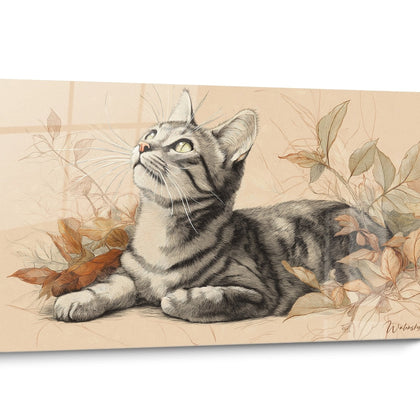 Animal Wall Art10974
artworks
Animal Wall Art10974
artworks
-
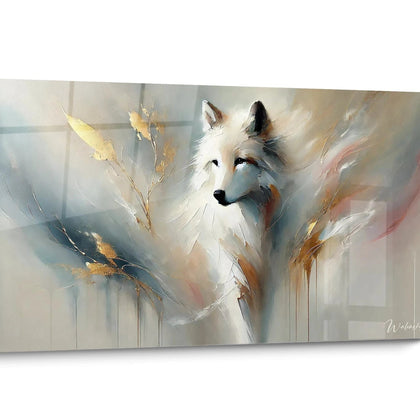 Black and White Animal Wall Art8
artworks
Black and White Animal Wall Art8
artworks
-
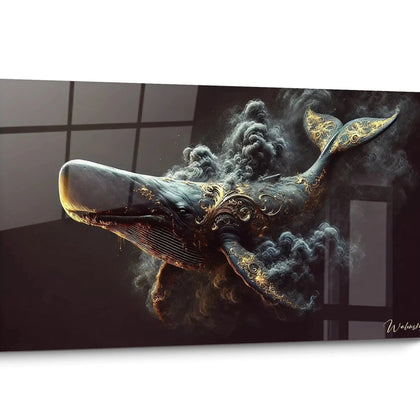 Golden Animal Wall Art24
artworks
Golden Animal Wall Art24
artworks
-
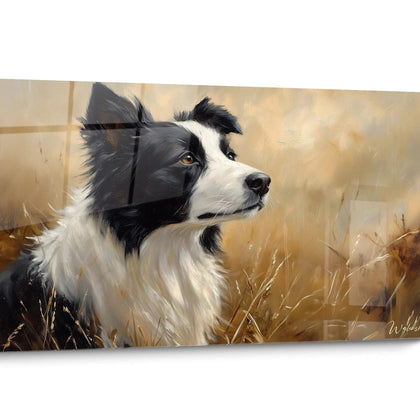 Animal Portrait Wall Art24
artworks
Animal Portrait Wall Art24
artworks
-
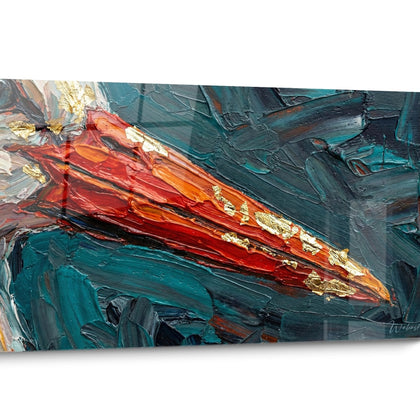 Modern Animal Wall Art24
artworks
Modern Animal Wall Art24
artworks
-
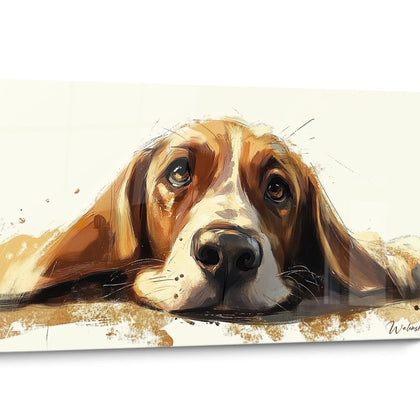 Realistic Animal Wall Art24
artworks
Realistic Animal Wall Art24
artworks
-
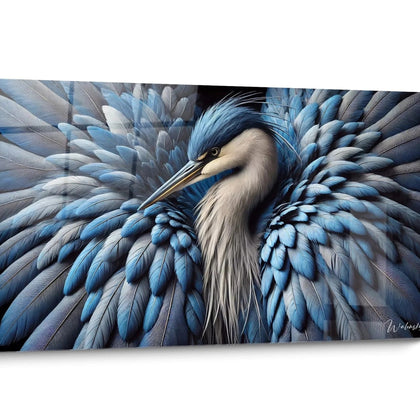 Blue Animal Paintings24
artworks
Blue Animal Paintings24
artworks
-
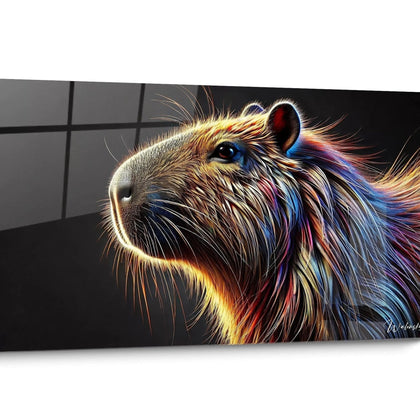 Pop Art Animal Wall Art17
artworks
Pop Art Animal Wall Art17
artworks
-
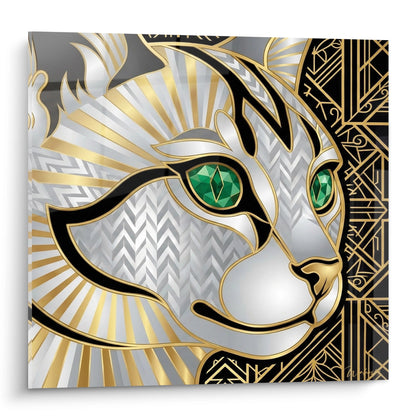 Animal Art Deco Wall Art4
artworks
Animal Art Deco Wall Art4
artworks
-
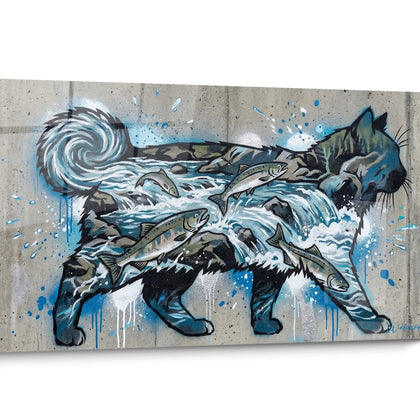 Animal Street Art Wall Art3
artworks
Animal Street Art Wall Art3
artworks
-
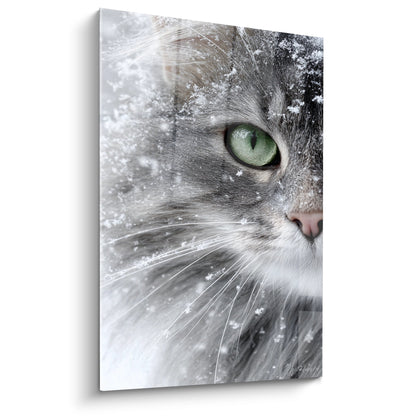 Winter Animal Wall Art3
artworks
Winter Animal Wall Art3
artworks
-
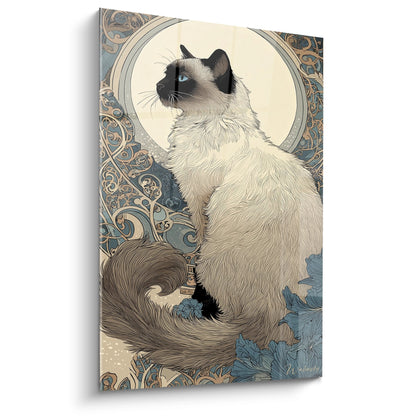 Art Nouveau Animal Wall Art3
artworks
Art Nouveau Animal Wall Art3
artworks
All about Green-Eyed Animals Wall Art
- Presentation Animal Paintings Green Eyes
- Magnetism of Emerald Gazes
- Psychology of the Green Gaze
- Enhancing Visual Intensity
Discover our exclusive collection of animal paintings showcasing the captivating intensity of green eyes. These large-format artworks transform your space into a visual sanctuary where the feline, canine, or wild gaze becomes the central architectural element of your wall decoration.
The Visual Impact of Animal Paintings with Green Eyes in Contemporary Spaces
The animal paintings with green eyes exert an immediate fascination in modern interiors through their unique ability to create a magnetic focal point. The emerald tonality of the animal's gaze generates unparalleled optical depth, particularly effective in spaces with generous volumes where the large-scale artwork dialogues with the surrounding architecture.
Why do green gazes captivate so much in wall decoration?
The chromatic rarity of green eyes in the animal kingdom confers a precious and mysterious character to these representations. This specific hue reflects differently depending on natural light exposure, creating intensity variations throughout the day. In a morning-lit living room, the jade nuances seem to illuminate from within, while in the evening they adopt deeper tones reminiscent of malachite.
Creating an emotional connection through the animal's gaze
The green eye of a feline or wolf establishes a silent dialogue with the observer, generating a living presence in the inhabited space. This visual interaction radically transforms a room's atmosphere, particularly in professional offices where this type of artwork inspires concentration and determination. Reception spaces also benefit from this sophisticated animal presence that evokes both wild nature and refinement, as can be illustrated by certain animal art deco paintings with refined geometric compositions.
Emerald chromatic association in monochrome interiors
Paintings highlighting green eyes find their optimal expression in environments with neutral palettes. Against an anthracite gray or off-white wall, the vibration of the green gaze creates a striking contrast without visual aggression. This combination works remarkably well in industrial lofts where raw materials like polished concrete or brushed steel enhance the organic dimension of the animal subject.
- Variable chromatic intensity depending on daily light exposure
- Magnetic focal point in reception spaces and executive offices
- Visual dialogue creating a permanent living presence
- Optimal contrast on neutral backgrounds and contemporary industrial materials
Psychology and Symbolism of the Green Animal Gaze in Interior Decoration
Beyond their aesthetic dimension, animal paintings with green eyes convey powerful symbolism anchored in the collective unconscious. The emerald hue simultaneously evokes natural growth, rebirth, and energetic balance, concepts particularly sought after in contemporary living spaces overwhelmed by urban pace.
What emotions do green eyes provoke in animal art?
Ocular green stimulates specific neurological reactions linked to calm vigilance. Unlike amber or golden gazes that evoke warmth, or blue eyes associated with distant coolness, the green tonality generates serene alertness. This particularity makes it a privileged choice for spaces requiring both concentration and relaxation, such as private libraries or meditation rooms.
The mirror effect of the animal's gaze on the human psyche
Large formats allow visual immersion where the viewer finds themselves literally observed by the depicted animal. This reversal of habitual roles provokes subtle ecological awareness, reminding us of our interdependence with the wild world. In professional spaces dedicated to environmental professions or sustainable innovation, these artworks visually reinforce the values upheld by the organization.
Cultural symbolism of green eyes across civilizations
Many traditions associate the green gaze with spiritual protection and clairvoyance. In Celtic cultures, green eyes signaled a particular connection with natural forces. Integrating an animal painting with emerald irises into a living space unconsciously activates these protective archetypes, creating a sense of territorial security particularly appreciated in master bedrooms or residential entrances.
- Neurological stimulation favoring calm vigilance and creative concentration
- Observer-observed reversal generating subtle ecological consciousness
- Activation of protective archetypes from ancestral traditions
- Optimal energetic balance for workspaces and meditation areas
How does the green gaze influence a room's atmosphere?
The presence of an animal gaze with green tonalities subtly modifies the energetic dynamics of a space. Buyer testimonials regularly reveal a sensation of calm combined with heightened vigilance, a balance particularly sought after in contemporary domestic environments where family relaxation mingles with productive activities.
Showcasing the Brilliance of Animal Paintings with Green Eyes in Your Environment
Installing an animal painting centered on the green gaze requires strategic consideration to maximize its visual impact. Large-format artworks demand spatial staging where every surrounding element contributes to magnifying the emerald intensity of the captured gaze.
Strategic positioning to amplify visual magnetism
In open living spaces, positioning the painting facing the main entrance transforms the welcome into an immediate immersive experience. The animal's gaze then becomes the visual signature of the habitat, immediately establishing the occupants' sophisticated character and ecological sensitivity. For dining rooms, perpendicular placement to windows allows natural light variations to progressively reveal the hidden chromatic nuances in the depicted irises.
Decorative associations to enhance emerald tonality
Textiles with organic textures amplify the natural dimension of the subject. Cushions in raw linen sage color or merino wool plaids in forest green create subtle chromatic echoes without competing with the artwork's primary vibration. The integration of lush vegetation with variegated foliage establishes a dialogue between living nature and its artistic representation, reinforcing the biophilic coherence of the entire decorative ensemble.
What architectural elements enhance paintings with green gazes?
Walls in natural stone or exposed brick offer a textured backdrop that dramatically highlights the photographic clarity of the animal's gaze. In minimalist interiors with smooth surfaces, adding frames in driftwood or oxidized metal creates a material dialogue between the organic and mineral, accentuating the tangible presence of the depicted animal.
- Positioning facing circulation flows for maximum immersive impact
- Subtle chromatic echoes via natural textiles in varied green tones
- Dialogue between living vegetation and animal artistic representation
- Raw material framings amplifying the organic dimension
Seasonal rotation and decorative evolution
Although designed for permanent presence, these large-dimension paintings benefit from seasonal decorative adjustments. During winter, association with copper or gold metallic elements visually warms the space while creating light reflections in green irises. During summer months, the introduction of artisanal ceramics with emerald glazes reinforces the visual freshness of the whole.
Where to buy museum-quality animal paintings with green eyes?
Favor specialized galleries offering high-definition reproductions on rigid supports guaranteeing chromatic fidelity over the long term. Monumental formats require professional printing processes preserving the luminous intensity of green tonalities even after years of exposure.
Are animal paintings with green eyes suitable for children's rooms?
These artworks function remarkably well in youth spaces by stimulating imagination while creating a reassuring presence. The animal's gaze plays a role of symbolic protective guardian particularly appreciated by children sensitive to emotional connections with wild fauna.
How to clean a large-dimension animal painting?
Monthly dusting with an antistatic microfiber cloth is sufficient to maintain the brilliance of the depicted irises. Absolutely avoid liquid products that could alter green pigments particularly sensitive to excessive humidity. For artworks displayed in cooked or smoky environments, annual professional cleaning preserves the original chromatic saturation.


