

Art Nouveau Animal Wall Art
The Animal Paintings Art Nouveau celebrate the harmony between nature and decorative art. This unique collection combines the beauty of wildlife with the organic curves characteristic of this iconic early 20th-century movement. Each artwork captures the essence of Art Nouveau stylized animals with their delicate floral ornaments and sinuous lines. Perfect for Art Nouveau wall decoration, these creations bring refinement and elegance to your interior, transforming your spaces into true art galleries.
 Balinese Cat Art Nouveau Wall Art - Oriental Elegance - Balinese Cat Edition273,90 €
 Balinese Cat Art Nouveau Painting - Golden Elegance - Balinese Cat Edition273,90 €
 Art Nouveau Cat Painting - Feline Elegance in Floral Decor - Art Deco Edition228,90 €
Explore further
In Art Nouveau Animal Wall Art
-
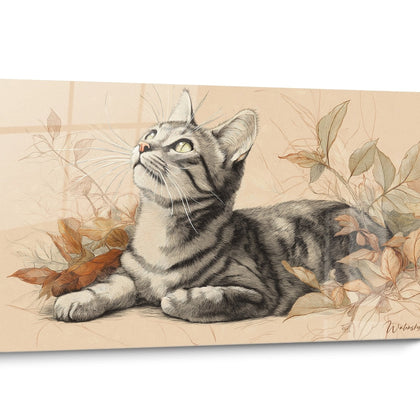 Animal Wall Art10974
artworks
Animal Wall Art10974
artworks
-
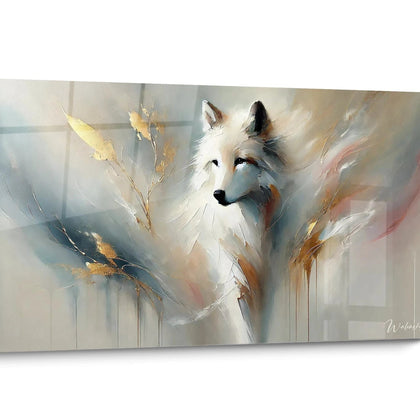 Black and White Animal Wall Art8
artworks
Black and White Animal Wall Art8
artworks
-
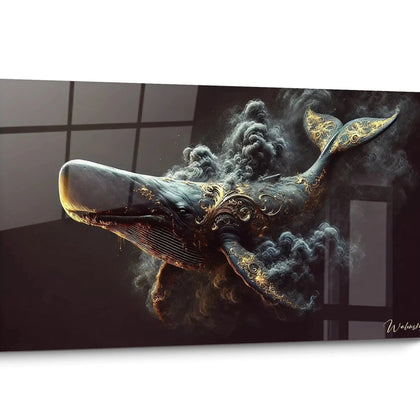 Golden Animal Wall Art24
artworks
Golden Animal Wall Art24
artworks
-
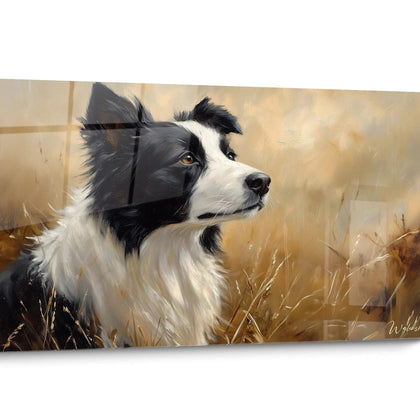 Animal Portrait Wall Art24
artworks
Animal Portrait Wall Art24
artworks
-
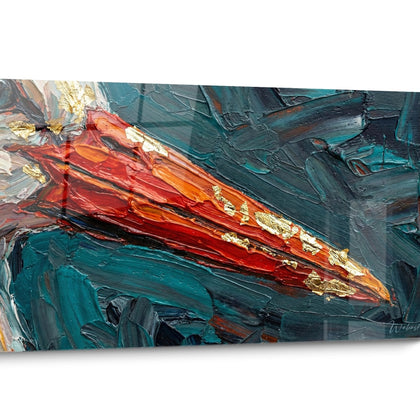 Modern Animal Wall Art24
artworks
Modern Animal Wall Art24
artworks
-
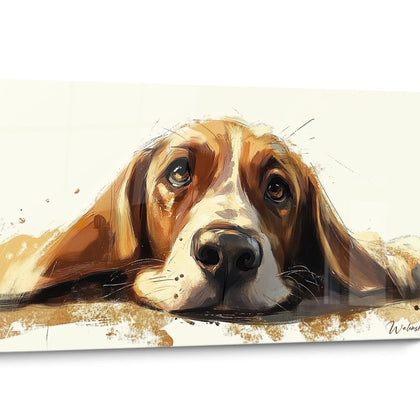 Realistic Animal Wall Art24
artworks
Realistic Animal Wall Art24
artworks
-
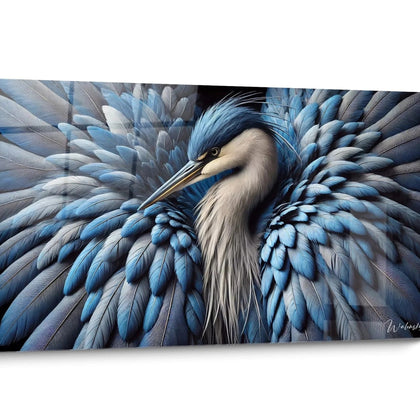 Blue Animal Paintings24
artworks
Blue Animal Paintings24
artworks
-
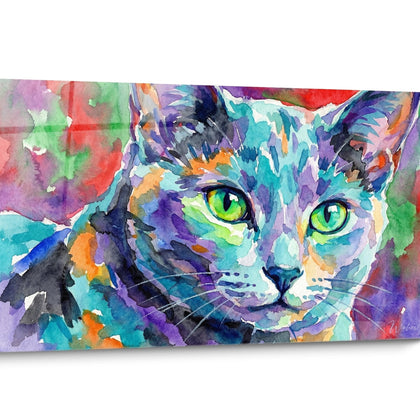 Green-Eyed Animals Wall Art22
artworks
Green-Eyed Animals Wall Art22
artworks
-
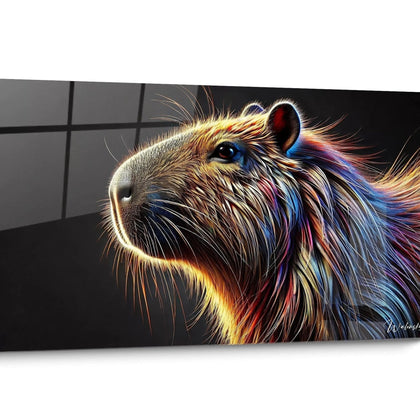 Pop Art Animal Wall Art17
artworks
Pop Art Animal Wall Art17
artworks
-
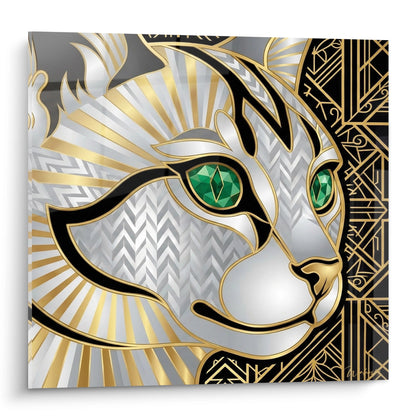 Animal Art Deco Wall Art4
artworks
Animal Art Deco Wall Art4
artworks
-
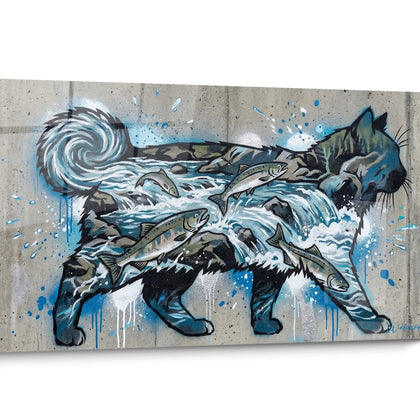 Animal Street Art Wall Art3
artworks
Animal Street Art Wall Art3
artworks
-
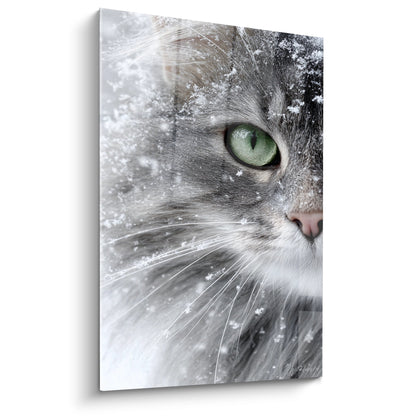 Winter Animal Wall Art3
artworks
Winter Animal Wall Art3
artworks
All about Art Nouveau Animal Wall Art
- Animal Art Nouveau Wall Art Presentation
- Aesthetic Characteristics
- Animal Symbolism
- Decorative Integration
The animal Art Nouveau wall art embodies the pinnacle of an artistic movement that celebrates organic fluidity and symbiosis between nature and aestheticism. This mural collection stages fauna with the botanical sophistication characteristic of the 1890-1910 period, transforming each animal representation into a true decorative manifesto. These monumental creations capture the very essence of this artistic current where sinuous curves, floral arabesques and zoomorphic motifs intertwine harmoniously. Unlike traditional academic representations, these compositions favor graceful stylization that metamorphoses each creature into a living ornament. The generous dimensions of these works allow full appreciation of the complexity of botanical interlacing that frames majestic peacocks, iridescent dragonflies, aristocratic swans and delicately veined butterflies according to the visual grammar specific to this Belle Époque style.
The organic aesthetics of animal Art Nouveau wall art
The animal Art Nouveau wall art distinguishes itself through its unique ornamental treatment where each creature becomes a pretext for developing a sophisticated graphic vocabulary. The undulating lines typical of this movement transform plumage, scales and fur into decorative cascades that embrace the vertical formats favored by artists of the era. This aesthetic approach transcends simple naturalistic representation to create mural compositions where fauna inscribes itself within a network of whip curves and floral arabesques characteristic of the style.
How to recognize the stylistic authenticity of an Art Nouveau animal painting?
Identification relies on several distinctive visual markers: systematic presence of botanical scrolls framing the zoological subject, color palette privileging autumnal and twilight tonalities, calculated asymmetry of compositions and integration of stylized botanical elements. Morpho butterflies with deployed wings inscribe themselves within oval medallions bordered by Japonizing iris, while peacocks display their ocelli in architectural frames evoking Tiffany stained glass. This ornamental fusion profoundly characterizes the decorative approach of the period.
The specific color palette of 1900 animal representations
Mural creations privilege sophisticated harmonies combining oxidized greens-of-gray, verdigris golds, faded violets and nocturnal blues recalling cloisonné enamels. These hues reflect the influence of Japanese prints and iridescent glasswork that dominated the applied arts of the period. Animal Art Nouveau paintings particularly exploit subtle gradations and translucency effects to suggest the materiality of dragonfly wings or the velvety opacity of sphinx moth wings. This sophisticated chromatic richness grants mural compositions a sought-after decorative depth among contemporary collectors wishing to recreate the refined atmosphere of Belle Époque interiors.
The influence of Japonisme on animal compositions
Nippon aesthetics deeply permeate these mural creations through the graphic treatment of zoological subjects. Ash cranes adopt postures inspired by ukiyo-e prints, koi carp navigate asymmetrical compositions recalling Hokusai, while storks inscribe themselves in vertical kakemono formats. This transcultural appropriation considerably enriches the iconographic repertoire and positions these works as testimonies of an intercontinental artistic dialogue characteristic of fin-de-siècle modernity.
The symbolic bestiary of decorative Art Nouveau
The animal Art Nouveau wall art constitutes a true visual dictionary where each creature conveys precise allegorical meaning inherited from literary and pictorial symbolism. The movement privileges certain species for their ornamental potential but also for their metaphorical resonance with the aesthetic preoccupations of the era. This animal selection reflects an idealistic conception of nature where formal beauty and spiritual significance converge harmoniously.
Why do insects dominate Art Nouveau animal iconography?
The predominance of dragonflies, butterflies, beetles and praying mantises is explained by their naturally ornamental anatomical structure. Their membranous wings offer infinite decorative possibilities with delicate veins, hypnotic ocelli and geometric symmetries. Monumental paintings particularly exploit the spectacular morphology of nocturnal lepidopterans whose generous wingspans occupy the mural space majestically. These creatures also embody metamorphosis and spiritual transcendence dear to symbolism, adding a philosophical dimension to decorative compositions.
The peacock figure as supreme decorative emblem
Totemic bird of the movement, the peacock crystallizes all Art Nouveau aesthetic aspirations. Its feathers adorned with iridescent ocelli become recurring motifs in large-format mural compositions where each feather deploys as an autonomous arabesque. Animal Art Nouveau paintings transform this oriental bird into a visual manifesto celebrating gratuitous beauty, decorative exuberance and aristocratic refinement. This iconography moreover echoes that explored by animal Art Deco wall art which would subsequently stylize this same theme according to more refined geometry.
Aquatic creatures in sinuous imagination
Swans gliding on stylized water lilies, fish undulating in liquid compositions and jellyfish with ornamental tentacles embody the organic fluidity characteristic of the style. These subjects allow artists to develop compositions entirely governed by curve and undulation, fundamental principles of Art Nouveau aesthetics. Monumental vertical formats particularly welcome these aquatic creatures whose slender morphology naturally embraces the architecture of Belle Époque mural spaces.
Integrating Art Nouveau animal wall art in contemporary spaces
Installing animal Art Nouveau wall art in current interiors requires fine understanding of their decorative DNA to avoid stylistic dissonance. These large-format mural compositions dialogue naturally with certain architectures and furnishings while creating fertile tensions with other aesthetics. Their affirmed ornamental character makes them focal pieces that visually structure the space and impose their decorative grammar.
Which architectural spaces sublimate these animal compositions?
Belle Époque volumes with moldings, ceiling rosettes and sculpted paneling constitute the natural setting for these creations. However, industrial lofts with exposed brick walls create striking contrast that magnifies the ornamental sophistication of these works. Staircases with generous ceiling heights ideally welcome the vertical formats favored by this style. Contemporary libraries also benefit from this injection of organic curves that softens the geometric rigor of shelving. Installation above narrow consoles in entryways transforms these passages into true contemplative galleries.
Coherent furniture associations and decorative complements
These monumental paintings dialogue harmoniously with the curved furniture characteristic of the period: armchairs with whip-like backs, tripod guéridons with sinuous legs, lacquered screens. Lighting fixtures constitute essential decorative companions, particularly wall sconces in bronze with patina and opalescent glass shades. Carpets with stylized floral motifs extend the ornamental vocabulary of mural compositions to the floor. Mirrors with organic frames multiply the decorative presence of these works visually within the inhabited space.
Creating thematic ambiances around these animal works
The maximalist approach consists of saturating the space with Belle Époque references by accumulating art objects, zoomorphic ceramics and damask textiles. The minimalist alternative isolates the painting as the sole ornamental element in a refined environment, creating a fascinating contemporary dialogue. Discerning collectors sometimes develop narrative sequences by associating several animal compositions according to seasonal or symbolic logic. This domestic museography transforms private spaces into modern curiosity cabinets celebrating the stylized biodiversity specific to Art Nouveau imagination.
Are animal Art Nouveau paintings suitable for professional spaces?
Absolutely, these works bring sought-after sophistication to law offices, art galleries, luxury boutiques and distinctive hotels. Their timeless refinement enhances brand image while creating a memorable distinctive atmosphere for clientele.
Can animal Art Nouveau wall art be integrated into Scandinavian decor?
This bold association works remarkably well by creating fertile contrast between Nordic simplicity and ornamental exuberance. Scandinavian furniture with refined lines highlights the decorative complexity of these animal compositions without visual competition.
How do animal Art Nouveau paintings influence the light ambiance of a room?
Their rich autumnal palettes partially absorb natural light, creating an intimate and muffled atmosphere particularly appreciated in libraries and living rooms. Targeted accent lighting spectacularly reveals ornamental details and intensifies sophisticated chromatic nuances.


