

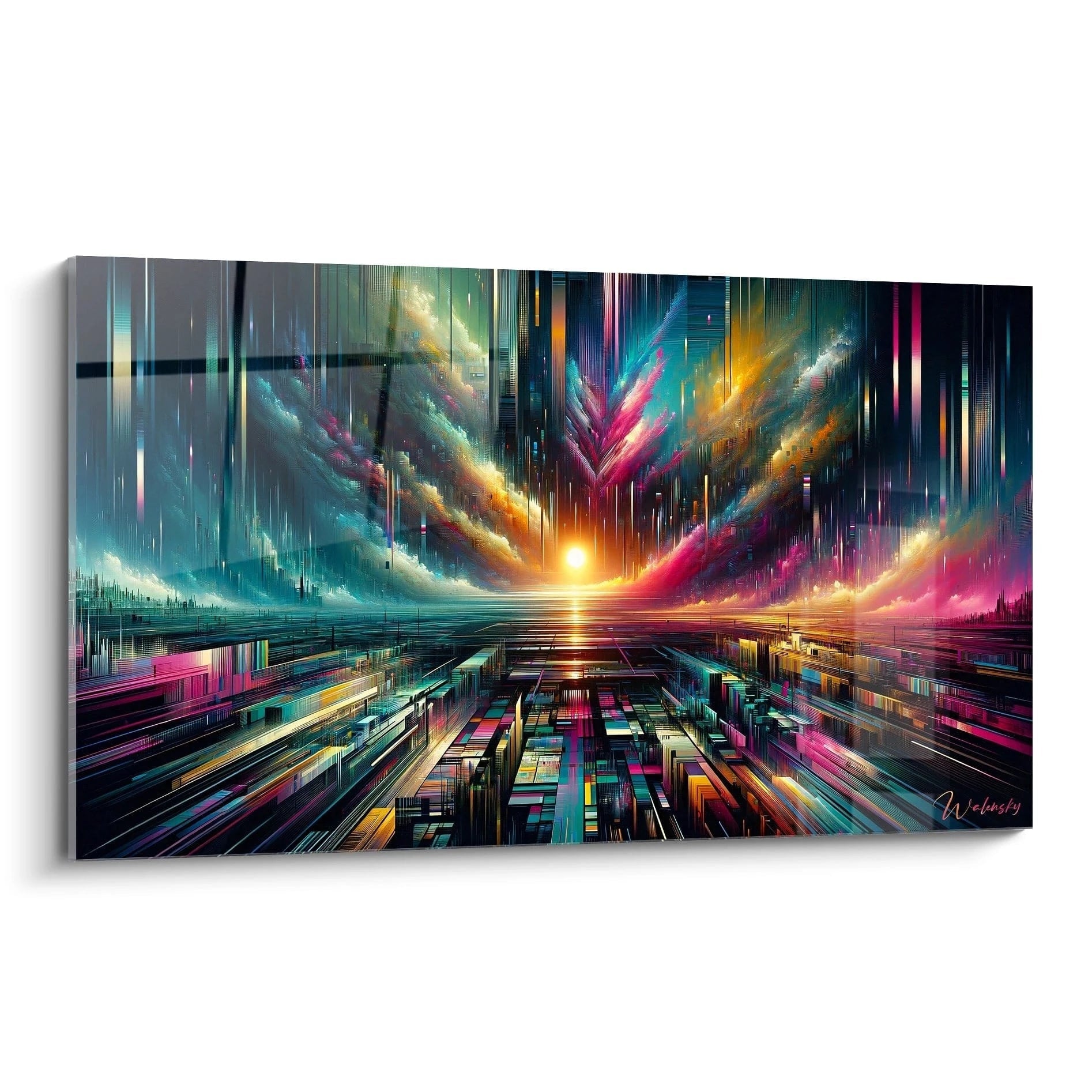
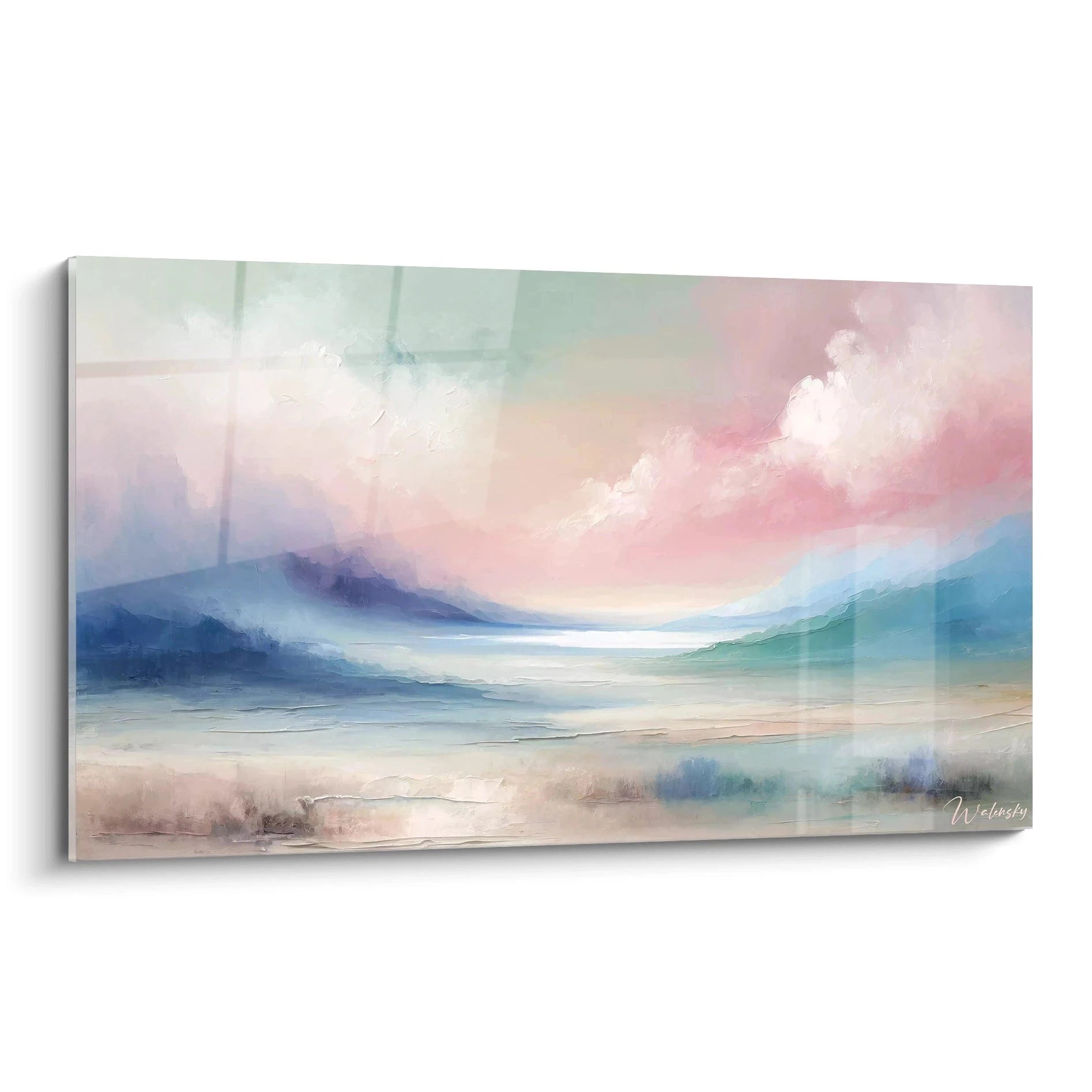


Pop Art Animal Wall Art
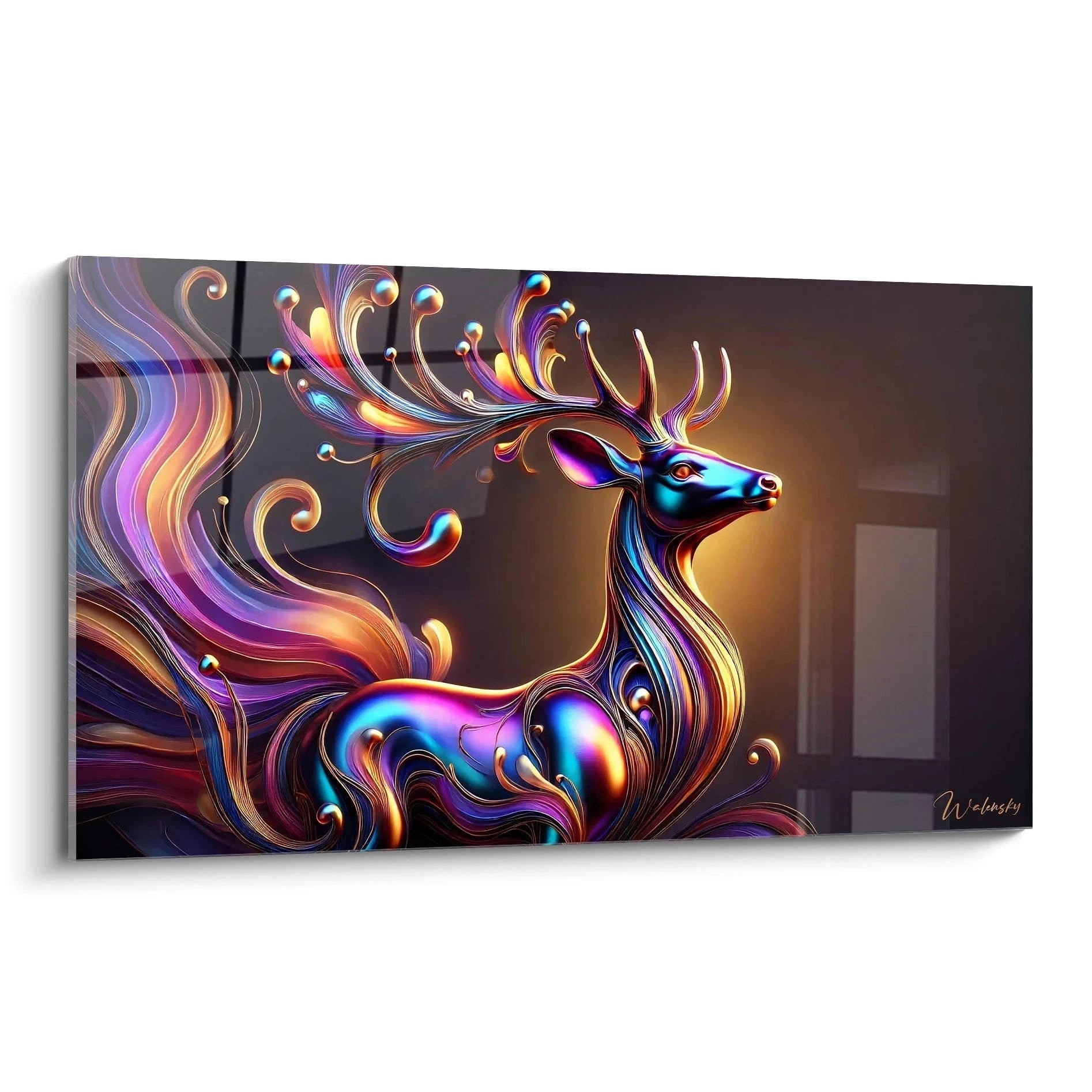
The Pop Art Animal Paintings reinvent wildlife with boldness and modernity. This collection celebrates colorful animal Pop Art in all its splendor, transforming lions, elephants, dogs and other creatures into true artistic icons. Inspired by the masters of the artistic movement, these works explode with vibrant colors and striking contrasts. Perfect for contemporary wall decoration, they bring energy and character to your living room, office or bedroom.
 Green-Eyed Cat Painting - Hypnotic Colorful Gaze - Burmilla Cat Edition273,90 €
 American Shorthair Cat Patriotic Painting - Stars & Stripes Explosion - American Shorthair Cat Edition242,90 €
 Colorful American Shorthair Cat Painting - Artistic Portrait with Vibrant Hues - American Shorthair Edition273,90 €
 Colorful American Curl Cat Painting - Vibrant Abstract Art - American Curl Cat Edition273,90 €
 Expressionist Abyssinian Cat Painting - Explosion of Colors - Abyssinian Cat Edition273,90 €
 Playful Abyssinian Cat Painting - Artistic Brilliance - Abyssinian Cat Edition228,90 €
 Watercolor Cat Painting Multicolor - Color Explosion - American Bobtail Cat Edition273,90 €
 Cat with Heterochromatic Eyes Painting - Cosmic Explosion - Khao Manee Cat Edition242,90 €
 Green-Eyed Cat Painting - Psychedelic Gaze - Egyptian Mau Cat Edition273,90 €
 Colorful Chameleon Wall Art on Geometric Background - Reptilian Fusion - Chameleon Edition228,90 €
 Golden Guardian Buffalo Painting - Buffalo Edition228,90 €
 Chameleon Wall Art Tone Alchemist - chameleon edition242,90 €
 Chameleon Wall Art Shimmer of the Unseen - chameleon edition242,90 €
 Chameleon Mosaic of Souls Painting - Chameleon Edition273,90 €
 Rainbow Storm Bison Wall Art - Bison Edition228,90 €
 Capybara Wall Art with Thousand Reflections - Capybara Animals Edition273,90 €
 Elephant Mystical Aura of the Animal King - Animals Edition273,90 €
Explore further
In Pop Art Animal Wall Art
-
 Animal Wall Art10974
artworks
Animal Wall Art10974
artworks
-
 Black and White Animal Wall Art8
artworks
Black and White Animal Wall Art8
artworks
-
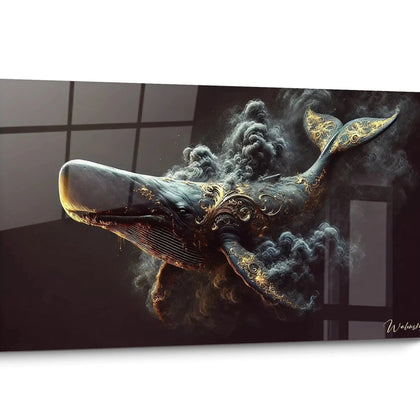 Golden Animal Wall Art24
artworks
Golden Animal Wall Art24
artworks
-
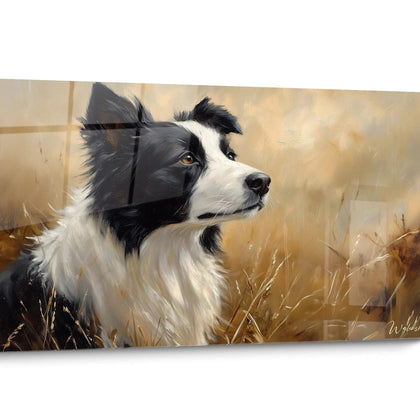 Animal Portrait Wall Art24
artworks
Animal Portrait Wall Art24
artworks
-
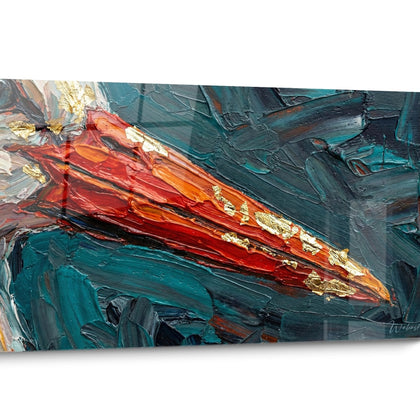 Modern Animal Wall Art24
artworks
Modern Animal Wall Art24
artworks
-
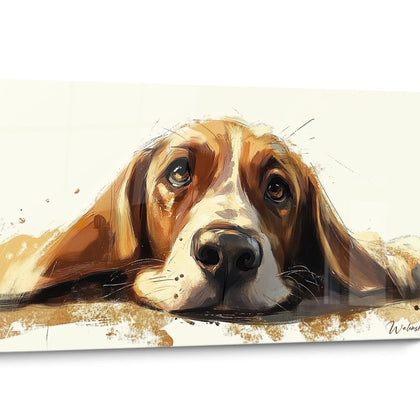 Realistic Animal Wall Art24
artworks
Realistic Animal Wall Art24
artworks
-
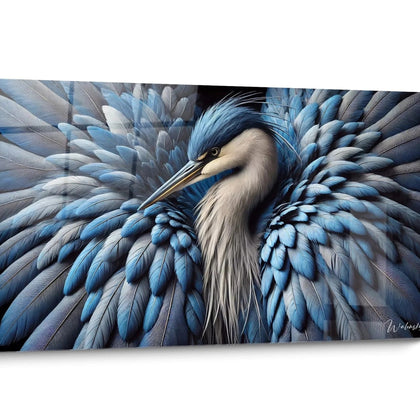 Blue Animal Paintings24
artworks
Blue Animal Paintings24
artworks
-
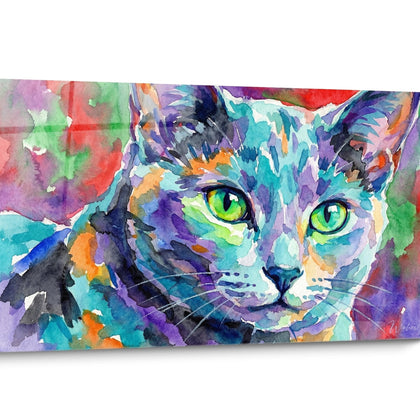 Green-Eyed Animals Wall Art22
artworks
Green-Eyed Animals Wall Art22
artworks
-
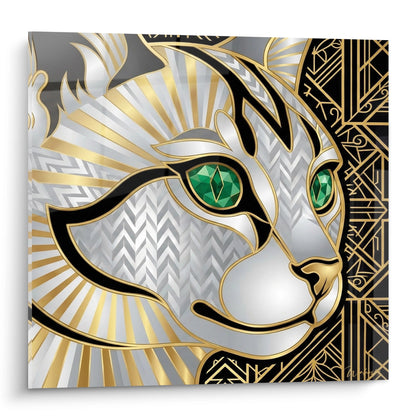 Animal Art Deco Wall Art4
artworks
Animal Art Deco Wall Art4
artworks
-
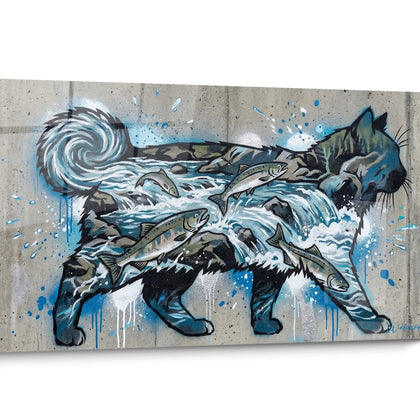 Animal Street Art Wall Art3
artworks
Animal Street Art Wall Art3
artworks
-
 Winter Animal Wall Art3
artworks
Winter Animal Wall Art3
artworks
-
 Art Nouveau Animal Wall Art3
artworks
Art Nouveau Animal Wall Art3
artworks
All about Pop Art Animal Wall Art
- Pop Art Animal Wall Art Presentation
- Chromatic Animal Explosions
- Urban Dynamism & Stylized Creatures
- Maximum Visual Impact
Pop Art animal paintings embody an aesthetic revolution that projects wild fauna into the graphic universe of contemporary urban icons. This bold fusion transforms lions, gorillas, panthers, or elephants into genuine decorative manifestos saturated with neon colors, bold contrasts, and striking geometric compositions. Designed for large-scale spaces, these monumental artworks redefine the atmosphere of an industrial loft, executive office, or contemporary living room by injecting visual energy comparable to vintage 1960s advertising posters. The Warholean heritage combines here with animal majesty to create masterpieces capable of architecturally structuring an entire wall and instantly establishing a memorable decorative signature.
The Saturated Chromatic Universe of Pop Art Animal Paintings
Pop Art animal paintings rest on a colorimetric strategy radically opposed to traditional naturalistic representations. A lion sporting a magenta mane against electric turquoise background, a parrot decomposed into industrial four-color process like Warhol silkscreen, or a psychedelic monkey in acidic tones: these deliberately artificial color choices create an immediate visual shock that captures attention before even identifying the depicted subject.
This extreme saturation fits within contemporary urban decorative logic where minimalist concrete-steel interiors require massive chromatic injections to avoid monotony. Large formats allow deployment of sufficiently vast color areas to dialogue with architecture itself, transforming the painting into a structuring element comparable to a painted wall section. Serial animal triptychs play on simultaneous contrasts: the same gorilla repeated three times in pink-yellow-blue variations generates optical vibration that energizes the space.
How do fluorescent colors transform spatial perception?
The use of neon tones in Pop Art animal paintings produces a visual expansion effect particularly sought after in professional spaces or lofts with generous volumes. A feline with neon pink stripes against deep black background literally appears to emerge from the wall, creating illusory depth that perceptually enlarges the room. This technique borrowed from urban luminous signage confers to the works an almost holographic presence.
Chromatic association strategies for contemporary spaces
Successful integration of Pop Art animal paintings into an interior requires fine understanding of chromatic dominance relationships. A predominantly monochrome white-gray-black décor will ideally welcome animal compositions with saturated primary colors, while an already colorful environment benefits from more graphic versions playing on tone-on-tone gradations. Inverted monochrome versions—black animal silhouettes against fractioned multicolor backgrounds—offer a sophisticated alternative for executive offices seeking impact without exuberance.
For those exploring related aesthetics, Art Deco animal paintings offer an alternative geometric approach favoring gilding and symmetry over chromatic saturation.
Graphic Language and Visual Codes of Pop Animal Icons
Pop Art animal paintings directly borrow their visual grammar from mid-twentieth century commercial printing techniques: Benday screening, silkscreen bold flats, thick black outlines like comic strips, serial repetition of a motif with chromatic variations. This intentional graphic standardization transforms the wild creature into a memorable logo, a visual mascot capable of rivaling consumer culture icons.
This translation from advertising register to animal register generates productive tension: the natural majesty of the tiger or eagle is reinterpreted according to urban popular culture codes. The result creates immediately identifiable and photographable artworks, essential for commercial spaces, automotive showrooms, or creative agencies seeking Instagram-compatible visual signature. XXL panoramic formats amplify this billboard effect, transforming the wall into monumental advertising.
Why choose repetitive serial compositions?
Warholean repetition—four identical portraits of a rhinoceros with chromatic filter variations—is not merely decorative multiplication. This strategy generates hypnotic visual rhythm particularly effective in longitudinal spaces like corporate corridors or conference room walls. Each variation becomes a note in a visual sequence that guides the eye and structures circulation.
Graphic treatment of animal textures and patterns
Leopard fur, peacock feathers, chameleon scales undergo geometric stylization in the Pop Art universe that transforms these organic patterns into abstract decorative motifs. Spots become perfect circles, stripes become mechanical parallel bands, creating a fascinating hybridization between nature and industrial design. This approach resonates particularly in interiors mixing vintage Scandinavian furniture with contemporary technologies.
Large formats allow full appreciation of this graphic micro-architecture: at 120x80cm minimum dimensions, every stylistic detail becomes readable and contributes to overall visual richness without tipping into confusion. Mural versions reaching 200cm width literally transform the animal into immersive graphic landscape.
Monumental Presence and Architectural Structuring Through Animal Imagery
Large-format Pop Art animal paintings function as visual anchor points capable of entirely reorganizing the perception of interior volume. In a 60m² open space, a triptych depicting a gorilla in cyan-magenta-yellow tones instantly creates a focal zone that implicitly delimits a lounge or reception sector without resorting to physical partitions. This capacity to structure space solely through image force constitutes a major asset for interior architects.
Monumental scale amplifies the psychological impact of the animal subject: an eagle spanning 180cm with electric colors doesn't simply decorate a wall, it inhabits it, possesses it, imposing its presence as a sculpture would. This quasi-totemic dimension suits particularly well corporate building entrance halls, technology showrooms, or contemporary residences with high ceilings where the artwork dialogues directly with architecture.
Which spaces benefit most from these XXL formats?
Fast-circulation environments—commercial halls, hotel lobbies, corporate reception areas—require artworks capable of instantly impacting minds. A giant Pop Art animal painting fulfills this memorial function: the visitor will durably associate the space identity with this flashy pink buffalo or this quadrichromatic fractioned panther. Industrial loft residential spaces with raw walls equally benefit from this colorful iconography injection that humanizes and warms raw surfaces.
Dialogue between monumental format and contemporary furniture
Successful integration of XXL Pop Art animal paintings requires precise calibration with surrounding furniture. A low modular sofa in black leather or minimalist Scandinavian set offers ideal contrast, allowing the artwork to visually dominate without competition. Furniture with geometric clean lines (metal shelving, industrial consoles) echo Pop style's frank contours without creating redundancy.
Buyers seeking monumental animal artworks for executive spaces or upscale residences favor compositions limiting color count (maximum three) to avoid visual saturation while preserving characteristic chromatic impact. Close-up portrait versions—animal head occupying 90% of frame—maximize emotional presence on laterally restricted but tall wall surfaces.
Are Pop Art animal paintings suitable for formal professional spaces?
Absolutely, provided you select chromatically controlled compositions. A law firm or private bank will opt for bicolor versions in black-gold or navy-silver representing symbolic animals (eagle, lion) according to Pop codes but with restricted palette. Visual impact remains present while respecting professional sobriety codes.
What viewing distance should be planned to appreciate a large-format Pop Art animal painting?
For formats exceeding 150cm width, minimum 3 to 4 meter viewing distance allows embracing the overall composition. This spatial constraint naturally orients these artworks toward generous rooms or walls facing open spaces rather than narrow corridors.
Can multiple Pop Art animal paintings be associated without visual overload?
The rule consists of unifying through palette: three distinct works (elephant, zebra, parrot) sharing the same pink-black-white chromatic combination will create a coherent collection. Absolutely avoid accumulating pieces with contradictory palettes that would generate visual chaos rather than decorative energy.
Further reading


