

Animal Art Deco Wall Art
The Art Deco Animal Paintings embody the perfect alliance between the splendor of wildlife and the geometric elegance of the 1920s. This collection celebrates the animal art deco style with compositions where majestic felines, exotic birds, and wild creatures are enhanced by clean lines and sophisticated motifs. Each creation captures the essence of vintage art deco design while bringing a contemporary touch to your decor. Perfect for lovers of character and timeless refinement.
 Luxury Art Deco Cat Painting - Golden Elegance - Burmilla Cat Edition213,90 €
 Art Deco Cat Painting - Golden Elegance - Birman Cat Edition213,90 €
 Radiant Art Deco Cat Painting - Golden Majesty - American Curl Edition233,90 €
 Art Deco Golden Cat Painting - Geometric Feline Elegance - American Curl Edition213,90 €
Explore further
In Animal Art Deco Wall Art
-
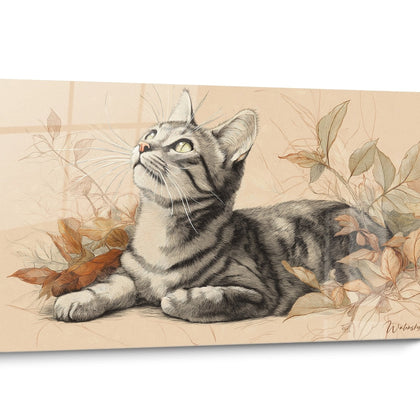 Animal Wall Art9925
artworks
Animal Wall Art9925
artworks
-
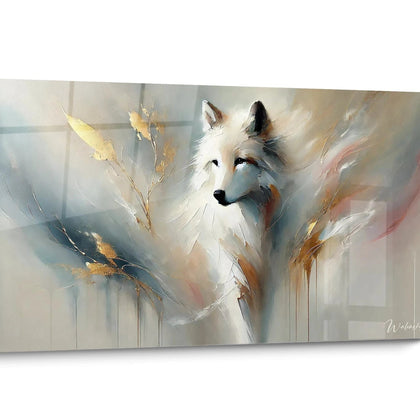 Black and White Animal Wall Art8
artworks
Black and White Animal Wall Art8
artworks
-
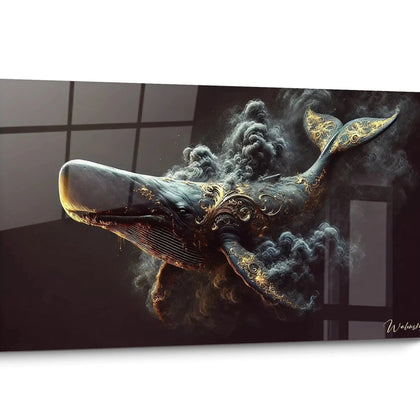 Golden Animal Wall Art24
artworks
Golden Animal Wall Art24
artworks
-
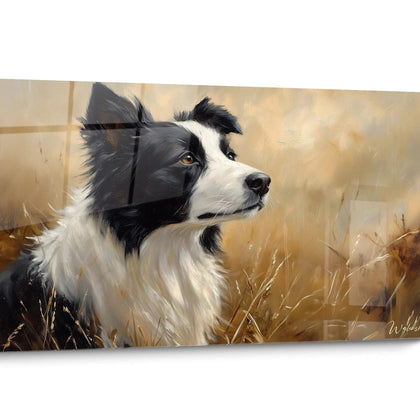 Animal Portrait Wall Art24
artworks
Animal Portrait Wall Art24
artworks
-
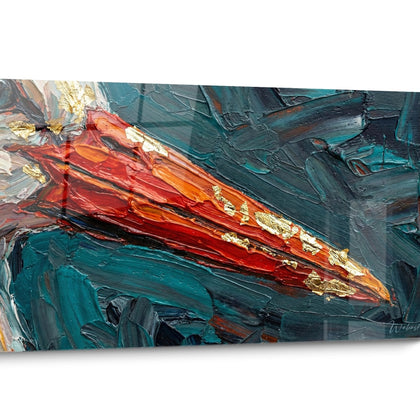 Modern Animal Wall Art24
artworks
Modern Animal Wall Art24
artworks
-
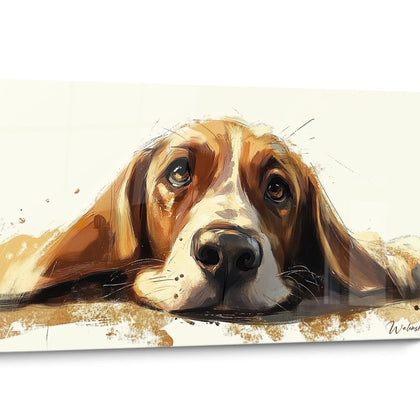 Realistic Animal Wall Art24
artworks
Realistic Animal Wall Art24
artworks
-
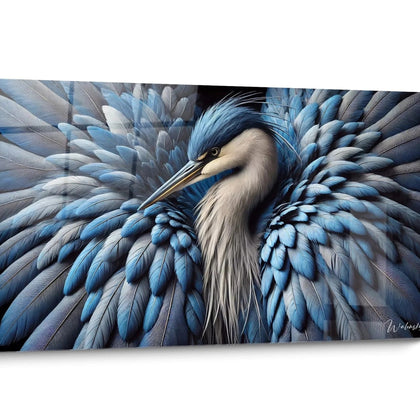 Blue Animal Paintings24
artworks
Blue Animal Paintings24
artworks
-
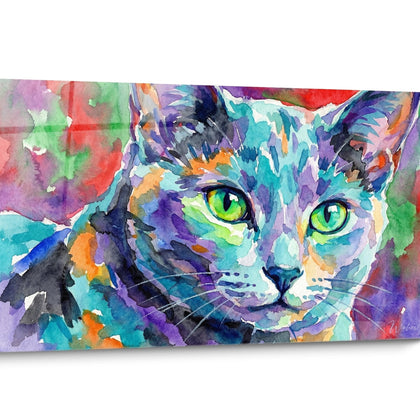 Green-Eyed Animals Wall Art22
artworks
Green-Eyed Animals Wall Art22
artworks
-
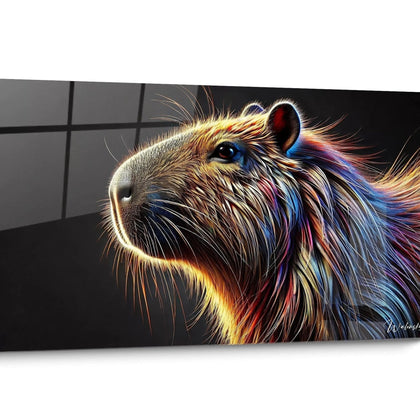 Pop Art Animal Wall Art17
artworks
Pop Art Animal Wall Art17
artworks
-
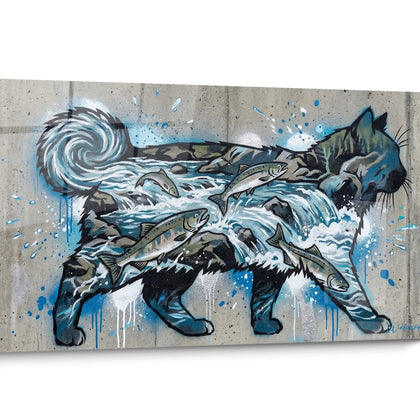 Animal Street Art Wall Art3
artworks
Animal Street Art Wall Art3
artworks
-
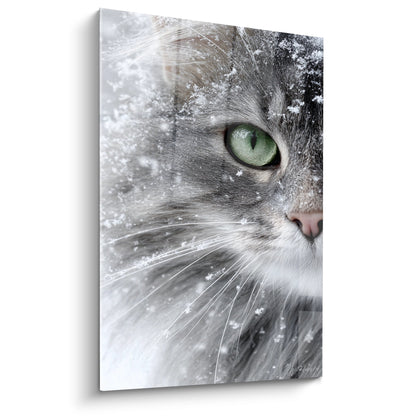 Winter Animal Wall Art3
artworks
Winter Animal Wall Art3
artworks
-
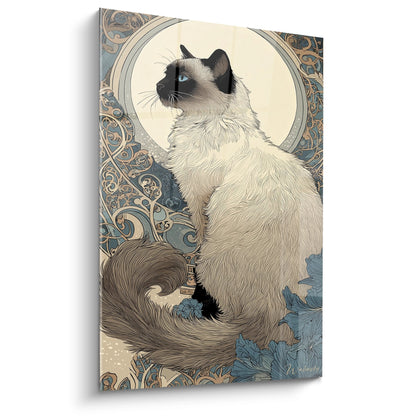 Art Nouveau Animal Wall Art3
artworks
Art Nouveau Animal Wall Art3
artworks
All about Animal Art Deco Wall Art
- Art Deco Animal Paintings Presentation
- Geometry and Animal Stylization
- Luxury and Precious Materials
- 1920-1930 Influence
Art Deco animal paintings embody the masterful alliance between stylized fauna and the geometric elegance of the 1920s-1930s. These large-format wall artworks capture the essence of the artistic movement that revolutionized bourgeois interiors and prestigious spaces through sophisticated and radically modern aesthetics. Unlike naturalistic representations, these creations transform lions, panthers, gazelles and exotic birds into symmetrical ornamental compositions where each animal curve dialogues with bold architectural motifs. Art Deco redefines animal representation by privileging decorative power over realism, creating refined silhouettes with sharp contours that integrate perfectly into vast contemporary volumes. These paintings embody accessible luxury while preserving the heritage of the Roaring Twenties, a period when African and Asian exoticism fascinated Parisian and New York creators.
Geometric Aesthetics and Art Deco Animal Stylization
Art Deco animal paintings distinguish themselves through their radical geometric treatment of organic forms. Unlike the fluid representations offered by Art Nouveau animal paintings with their sinuous curves inspired by nature, Art Deco imposes a structured visual architecture where each animal element fits into a rigorous compositional grid. Creators of the 1920s transformed panthers and eagles into assemblies of triangles, circles and parallelograms, creating a fascinating tension between animal vitality and geometric order.
How does radial symmetry transform the representation of Art Deco felines?
Symmetry constitutes the fundamental principle of these wall compositions where felines adopt majestic frontal postures. Artists exploited the body structure of lions and panthers to create perfectly mirrored compositions, accentuating the symbolic power of these predators. Stylized stripes, herringbone patterns and contrasting flat areas replace realistic fur, transforming the animal into a monumental decorative icon suited to large wall surfaces in entrance halls and spacious living rooms.
Saturated chromatic contrasts in exotic fauna
The use of bold color palettes characterizes these works: deep blacks opposed to brilliant golds, vermillion reds contrasting with emerald greens, creating immediate visual intensity. These saturated chromatic combinations evoke both the splendor of colonial expeditions and the urban modernity of Western metropolises. Tropical birds – parrots, peacocks, ibises – become pretexts for deploying ranges of pure colors juxtaposed without gradations, a technique favoring maximum decorative impact on vast dimensions.
Architectural integration and repetitive animal motifs
These large-format paintings function as genuine architectural elements in contemporary spaces. Repetitive animal friezes – processions of leaping gazelles, synchronized bird flights – create visual rhythms that extend or counterbalance the structural lines of rooms. This decorative approach transforms animal representation into sophisticated ornamental language, particularly effective in double-height spaces or gable walls where monumental scale reinforces the visual impact of geometric compositions.
Noble Materials and Luxury Symbolism in Art Deco Animal Paintings
Art Deco aesthetics inseparably associates animal representation and evocation of precious materials. Art Deco animal paintings visually reproduce textures of polished brass, ebony, mother-of-pearl and Oriental lacquers that characterized the furniture and art objects of this period. This suggestion of material luxury without vulgar ostentation responds to the expectations of a clientele seeking refined elegance rather than decorative accumulation, positioning these works in an accessible aspirational dimension.
Which animals best embody Art Deco opulence in wall compositions?
Certain species become emblematic of Art Deco visual vocabulary: the black panther symbolizes urban sophistication and elegant danger, the peacock deploys its natural geometry in perfect harmony with the movement's aesthetics, while the gazelle incarnates the aerodynamic grace dear to the 1920s. These animals share an elongated silhouette, refined curves and a cultural association with luxurious exoticism that justifies their recurrence in large-format compositions intended for prestigious interiors.
Metallic effect and simulated shiny finishes
Contemporary artists specializing in Art Deco animal paintings reproduce the bright surface effects characteristic of art objects from that era. Techniques of overlaid glazes, reflection interplay and accentuated contrasts between matte and lustrous zones create the illusion of lacquered or metallized surfaces. This approach transforms a simple wall painting into a tactile evocation of precious furniture from the 1920s, establishing stylistic coherence in interiors mixing authentic vintage pieces and contemporary creations inspired by the era.
Social symbolism and cultural belonging markers
Acquiring large-format Art Deco animal paintings constitutes a precise cultural marker, signaling an appreciation for a defined historical period and a non-consensual aesthetic. Unlike neutral animal representations, these works assert an assumed stylistic position, particularly sought after in creative professions, character hotels and high-end commercial spaces wishing to communicate refinement and knowledge of historical aesthetic codes. Monumental dimensions amplify this decorative statement effect.
Roaring Twenties Heritage and Colonial Influence in Art Deco Fauna
Art Deco animal paintings bear the indelible imprint of the 1920-1930 period, an era of post-war euphoria, accelerated exploration and fascination with non-European cultures. The depicted fauna directly reflects the visual obsessions of this decade: African animals brought back from expeditions, Asian creatures from intensified cultural exchanges, exotic birds symbolizing escape and modernity simultaneously. This historical contextual dimension considerably enriches the narrative value of these large-format wall artworks.
How did the 1925 Decorative Arts Exhibition codify animal representation?
The founding Parisian event crystallized visual conventions still deeply rooted in today's Art Deco animal paintings. The pavilions presented stylized fauna according to now-canonical principles: geometric simplification, hierarchic frontality, systematic association with geometrized plant motifs. Contemporary creations inspired by this era perpetuate these codes established a century ago, guaranteeing immediately recognizable stylistic authenticity to genre enthusiasts and ensuring aesthetic coherence in interiors reproducing the atmosphere of the Roaring Twenties.
The influence of Russian ballets and urban primitivism
Diaghilev's spectacles, Bakst's costumes and the Russian ballet aesthetic massively infiltrated Art Deco iconography, including animal representation. Birds of paradise, stylized pheasants and hybrid fantastic creatures directly recall the stage sets that fascinated 1920s Paris. This assumed theatricality particularly suits reception spaces, formal dining rooms and libraries where spectacular effect prevails over discretion, with imposing dimensions that transform the wall into a genuine animal stage curtain.
Why are Art Deco animal motifs experiencing contemporary resurgence?
The strong return of this aesthetic in current interiors is explained by several converging factors. The exhaustion of Scandinavian minimalist codes creates demand for more assertive and narrative styles. Heritage rediscovery of the 1920s-1930s stimulates interest in their visual expressions. Large wall formats find their relevance in the generous volumes of lofts and renovated apartments. Finally, the graphic sophistication of these compositions responds to expectations of a clientele simultaneously seeking visual impact, cultural depth and stylistic exclusivity, positioning Art Deco animal paintings as a distinctive alternative to dominant decorative trends.
Optimal contemporary environments for these compositions
These works flourish particularly in specific contexts: prestigious professional spaces (law offices, executive offices), boutique hotel establishments seeking a strong period identity, fine dining restaurants evoking timeless luxury, and private residences with generous volumes equipped with 1930s architectural elements (bow-windows, geometric moldings, herringbone parquets). Walls of significant height allow full deployment of the verticality of ascending animal compositions – eagles, ibises, flamingos – maximizing monumental decorative effect.
Are Art Deco animal paintings suitable for entirely contemporary interiors?
Absolutely, their refined geometry dialogues remarkably with current minimalist architecture. The contrast between neutral modern lines and rich historical iconography creates a sophisticated decorative tension, provided an assertive monumental scale is respected and the multiplication of competing decorative elements that would dilute visual impact is avoided.
Which surrounding chromatic palette valorizes these Art Deco animal paintings?
Sophisticated neutral backgrounds – anthracite gray, taupe beige, off-white – allow saturated animal compositions to fully express themselves. Alternatively, walls in historical Art Deco tones – duck green, peacock blue, deep burgundy – create complete period immersion, particularly effective in dedicated spaces like libraries or smoking rooms.
How to integrate multiple Art Deco animal paintings without visual overload?
Favor rigorous symmetrical installation reflecting the compositional principles of the movement, with mathematically calculated regular spacing. Limit yourself to compositions sharing a coherent chromatic palette but varied animal subjects, creating a thematic collection rather than an accumulation. Large isolated formats generally surpass multiple small pieces in preserving the monumental impact characteristic of the aesthetic.
Further reading


