




Black and White Animal Wall Art
Our Paintings Black and White Animals collection celebrates the timeless beauty of the animal kingdom through refined and elegant creations. These animal paintings monochrome capture the essence and power of each creature with remarkable intensity. From the majestic lion to the delicate birds, each work plays on contrasts to reveal stunning details. Perfect for a minimalist animal wall decoration, these paintings bring sophistication and character to your living room, office or bedroom.
 White Wisdom Canvas - Wolf Animals Edition273,90 €
 Humpback Whale Wall Art - Oceanic Majesty - Black and White Animals Edition273,90 €
 Black and White Buffalo Portrait Painting - Wild Gaze - Buffalo Edition273,90 €
 Buffalo Untamed Spirit Wall Art - Buffalo Edition228,90 €
 Fragile Beauty Eternal Canvas - Black and White Animal Edition273,90 €
 French Bulldog Canvas N°1 - Animals Edition273,90 €
 Border Collie Wall Art No.1 - Animals Edition273,90 €
 Silent Beauty Wall Art - Giraffe Animals Edition273,90 €
Explore further
In Black and White Animal Wall Art
-
 Animal Wall Art10974
artworks
Animal Wall Art10974
artworks
-
 Golden Animal Wall Art24
artworks
Golden Animal Wall Art24
artworks
-
 Animal Portrait Wall Art24
artworks
Animal Portrait Wall Art24
artworks
-
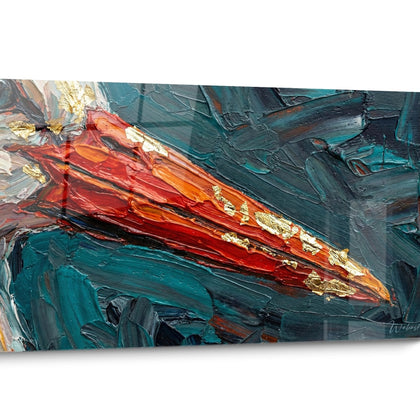 Modern Animal Wall Art24
artworks
Modern Animal Wall Art24
artworks
-
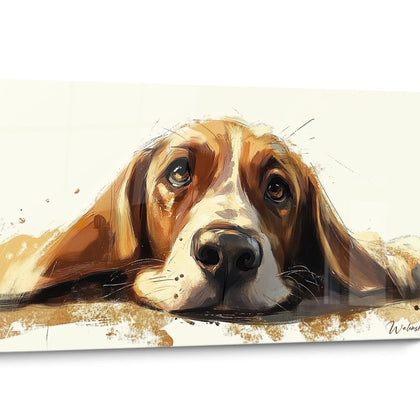 Realistic Animal Wall Art24
artworks
Realistic Animal Wall Art24
artworks
-
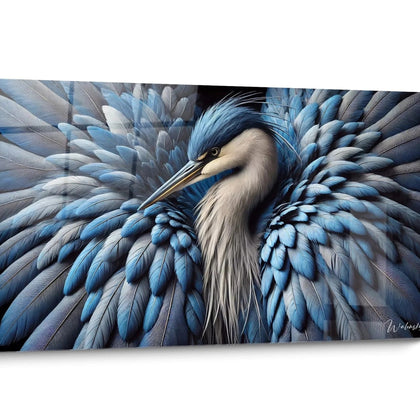 Blue Animal Paintings24
artworks
Blue Animal Paintings24
artworks
-
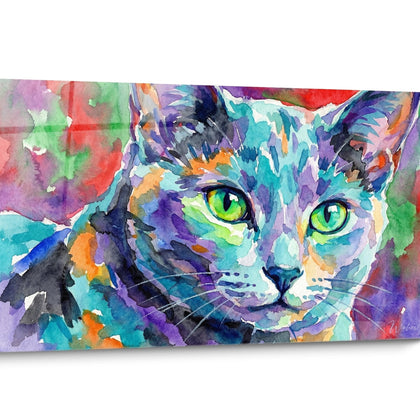 Green-Eyed Animals Wall Art22
artworks
Green-Eyed Animals Wall Art22
artworks
-
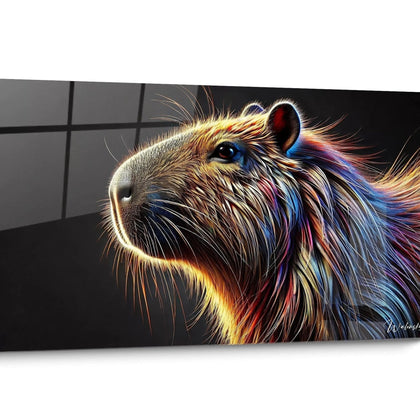 Pop Art Animal Wall Art17
artworks
Pop Art Animal Wall Art17
artworks
-
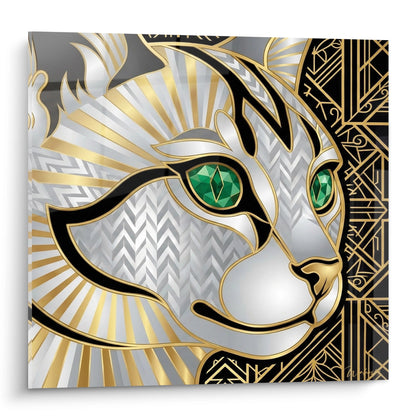 Animal Art Deco Wall Art4
artworks
Animal Art Deco Wall Art4
artworks
-
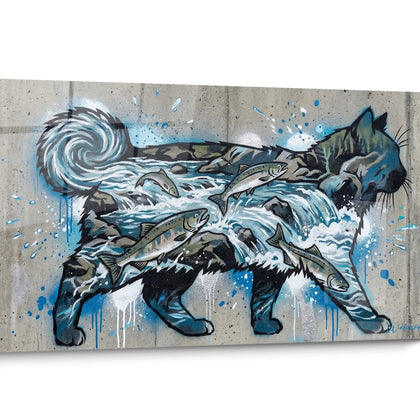 Animal Street Art Wall Art3
artworks
Animal Street Art Wall Art3
artworks
-
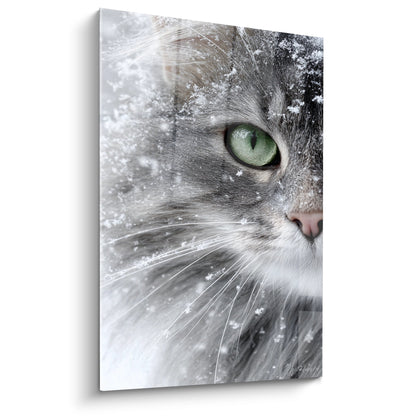 Winter Animal Wall Art3
artworks
Winter Animal Wall Art3
artworks
-
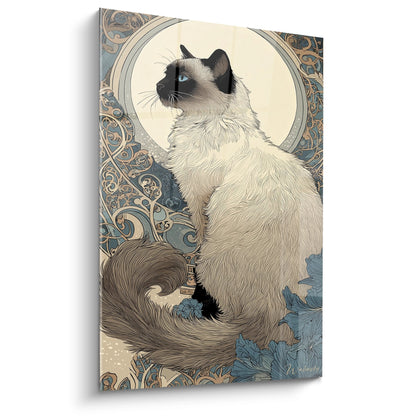 Art Nouveau Animal Wall Art3
artworks
Art Nouveau Animal Wall Art3
artworks
All about Black and White Animal Wall Art
- Presentation of Black and White Animal Paintings
- The Monochrome Animal Aesthetic
- Compositions and Contrasts
- Decorative Integration
Black and white animal paintings embody a radical artistic approach where color fades in favor of the very essence of the subject. This monochrome aesthetic reveals the texture of fur, the intensity of gazes, and the power of wild silhouettes with an incomparable visual force. Deprived of their natural hues, animal representations gain dramatic depth and timelessness, transforming each creature into a graphic icon. This minimalist artistic approach sublimates natural contrasts and sculpts volumes through the sole opposition between shadows and lights, creating wall artworks that transcend trends and eras.
The Timeless Elegance of Monochrome Wildlife
The black and white animal paintings embody a visual sophistication that transcends fleeting decorative trends. The absence of color focuses attention on anatomical details, facial expressions, and organic textures of the represented fauna. This purified chromatic approach allows feline gazes, majestic manes, or silky plumage to express themselves with maximum intensity.
How does monochrome reveal animal personality?
The binary palette exaggerates the natural contrasts present in the animal kingdom: zebra stripes become hypnotic graphic patterns, spotted fur transforms into abstract compositions, while piercing gazes literally pierce the space. This chromatic reduction acts as a revealing filter that unveils the soul of the animal subject rather than its mere physical appearance. The large dimensions of these wall representations amplify this effect of almost-living presence.
The shadow-light dialectic in animal representation
Artists using black and white to depict wildlife master the art of animal chiaroscuro. Each shadow sculpts muscular volumes, each ray of light makes an eye shine or accentuates the brilliance of a coat. This technique creates a three-dimensional striking effect where lions, wolves, elephants, or eagles seem to emerge from the wall support. Imposing formats reinforce this illusion of depth, inviting the eye to explore every shade of gray.
The photographic heritage of monochrome animal art
These creations are part of the tradition of black and white wildlife photography, that of the great naturalist reporters who documented wildlife. This lineage gives the monochrome animal paintings a documentary legitimacy enhanced by artistic intent. The compositions recall legendary photographic safaris, where each snapshot captured the decisive moment revealing the unique character of a species. For those who appreciate this timeless aesthetic, art deco animal paintings offer a complementary approach combining geometric stylization and refined animal representation.
Iconic species sublimated by monochrome
Some creatures are particularly well suited to this binary transcription: the white tiger whose black stripes create a natural graphic, the panda whose two-tone coat becomes a minimalist manifesto, the orca with perfect organic contrasts, or the zebra transformed into a living barcode. These naturally monochrome animals find in this palette a visual coherence that reinforces their decorative impact.
Visual Power of Animal Contrasts
Which animals best express the monochrome drama?
Apex predators like the dark-maned lion, arctic wolf, or Siberian tiger gain an imposing presence when represented in black and white. Their attributes of dominance – fangs, claws, musculature – assert themselves with a graphic brutality that color would soften. Black and white animal artworks in large formats transform these creatures into imposing wall totems that redefine the atmosphere of a living or professional space.
Conversely, majestic herbivores like elephants, rhinoceroses, or buffalo acquire a stately nobility in this reduced palette. Their body mass, skin wrinkles, and dermal textures become explorable topographic landscapes. Monochrome emphasizes their ancestral dignity and vulnerability to contemporary threats.
The photographic composition applied to wall decoration
Composition rules borrowed from professional photography structure these wall artworks: rule of thirds placing the animal's eye on a strategic focal point, guiding lines following the axis of the body or tail, depth of field suggested by the selective blurring of the background. These techniques transform each animal representation into a suspended snapshot between naturalist documentary and artistic creation.
How do textures express themselves without color?
Deprived of chromatic dimension, the eye focuses on the tactile qualities suggested: softness of fur, roughness of horns, brilliance of eyes, humidity of nostrils. Artists accentuate this textural information through differentiated sharpness games, creating hyperrealistic zones contrasting with more impressionistic passages. On large-scale wall formats, this variation in detail generates a visual dynamism that maintains interest during repeated observations.
Animal portraits versus behavioral scenes
Black and white animal paintings come in two distinct narrative approaches. The close-up portrait – often framed on the head – captures the psychological individuality of the creature, its gaze becoming a window into a non-human consciousness. Behavioral compositions show the animal in action: cheetah leap, raptor flight, bull charge, creating a frozen kinetic tension. Both registers offer complementary decorative experiences suited to different spatial intentions.
Bold framing specific to monochrome
The absence of color allows for fragmentary compositions impossible in polychromy: extreme close-up on a feline eye, abstract detail of a zebra coat, silhouette cut out in backlight. These radical framings transform animal art into graphic abstraction, allowing decorative integration into demanding contemporary interiors. Large dimensions amplify this effect of partial immersion in the animal universe.
Architectural Integration of Monochrome Fauna
In which spaces do black and white animal paintings excel?
Minimalist and pure environments constitute the ideal setting for these wall artworks. An industrial loft with raw materials – concrete, metal, aged wood – is enhanced by the presence of a monochrome animal in a large format creating a focal organic point contrasting with architectural rigor. Director's offices and premium professional spaces adopt these black and white animal artworks to project authority, strategic vision, and leadership symbolized by alpha predators.
Scandinavian interiors, already built on a neutral palette, naturally welcome these animal representations as thematically coherent additions. The Nordic aesthetic valuing the connection with the wild nature finds in these works an artistic expression perfectly aligned. Large monochrome animal formats bring the final dramatic touch to these spaces often accused of emotional coldness.
Complementary material and textural associations
The dialogue between the black and white animal painting and its material environment generates sophisticated harmonies. Natural textiles – crinkled linen, looped wool, patinated leather – create a tactile continuity with the animal textures represented. Brushed metals with a matte finish – blackened steel, aged brass – resonate with the monochrome palette without creating chromatic distraction. Wood essences with pronounced grain – bleached oak, dark walnut – establish a conceptual bridge between the plant and animal kingdoms.
Scale games between subject and space
Monumental formats create striking dimensional confrontations: an elephant in life-size on a 3-meter wall establishes a quasi-real physical presence, an eagle with outstretched wings on 2.5 meters generates a sensation of imminent flight. This strategy of real or augmented scale transforms the painting into a visual portal to the animal's natural habitat, blurring the boundaries between representation and presence.
Architectural lighting enhancing monochrome animals
Directional lighting systems sculpt monochrome works differently depending on the angle and intensity. A focused spotlight accentuates existing contrasts and creates additional shadow zones amplifying the drama. Peripheral LED indirect lighting generates a luminous halo visually detaching the painting from the wall, creating an impression of levitation. Programmable intensity variations allow adapting the visual impact according to the time of day and the uses of the space.
Multi-panel monochrome wall compositions
Triptych or polyptych installations fragment an animal scene into segments creating a sequential narrative. A cheetah in full race decomposed into three panels suggests movement through segmentation itself. A herd of elephants distributed over four vertical formats horizontally rhythms a long wall. These modular compositions offer dimensional flexibility adapting to specific architectural constraints while maximizing the visual impact of black and white animal paintings.
Why choose black and white animal paintings rather than colored ones for a contemporary interior?
Monochrome representations offer superior aesthetic durability, resisting changes in decorative trends. Their chromatic neutrality harmonizes with any future color scheme, guaranteeing a lasting decorative investment. Monochrome animal art also brings an intellectual sophistication that naturalist color does not always convey.
Are black and white animal paintings suitable for spaces with little natural light?
Paradoxically, these works excel in low-light environments. The absence of bright colors to reveal allows the intrinsic contrasts of the work to function effectively even under moderate artificial lighting. The deep black areas create a dimensional depth that does not depend on the ambient light intensity, unlike polychrome works requiring optimal lighting.
Can several black and white animal paintings of different styles be combined in the same space?
The chromatic consistency of monochrome effectively allows for the blending of varied artistic styles – hyperrealistic photography, graphic illustration, abstract interpretation – without creating visual cacophony. The unified palette ensures overall harmony while stylistic variations generate curatorial dynamism. The essential element lies in respecting a balanced dimensional scale and a thoughtful wall spacing between the different pieces.


