

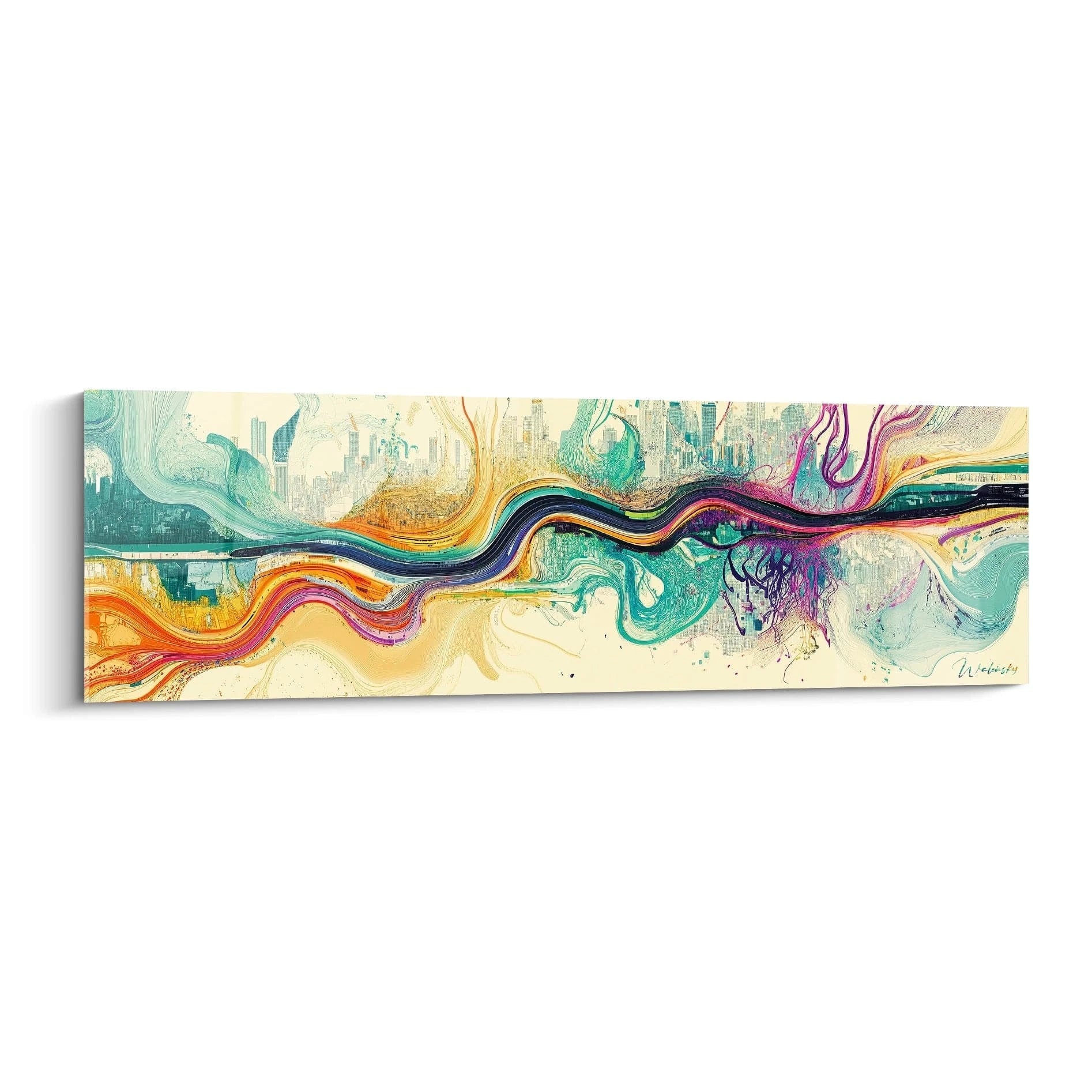







Animal Street Art Wall Art
The Street Art Animal Paintings fuse the power of wildlife with the rebellious energy of urban graffiti. This unique collection transforms lions, tigers, panthers, and exotic birds into true icons of modern animal street art. Each creation blends explosive colors, bold stencils, and artistic messages for a wall decor that leaves no one indifferent. Perfect for enhancing a loft, a trendy office, or a contemporary living room, these paintings urban art with animals bring character and originality to your spaces.
 Green-Eyed Cat Painting - Hypnotic Colorful Gaze - Burmilla Cat Edition273,90 €
 Winged Cat Graffiti Painting - Urban Freedom - Norwegian Forest Cat Edition273,90 €
 Aquatic Cat Painting - Fusion of Natural Elements - Kurilian Bobtail Edition273,90 €
Explore further
In Animal Street Art Wall Art
-
 Animal Wall Art10974
artworks
Animal Wall Art10974
artworks
-
 Black and White Animal Wall Art8
artworks
Black and White Animal Wall Art8
artworks
-
 Golden Animal Wall Art24
artworks
Golden Animal Wall Art24
artworks
-
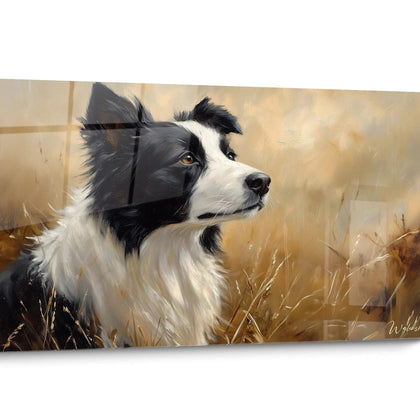 Animal Portrait Wall Art24
artworks
Animal Portrait Wall Art24
artworks
-
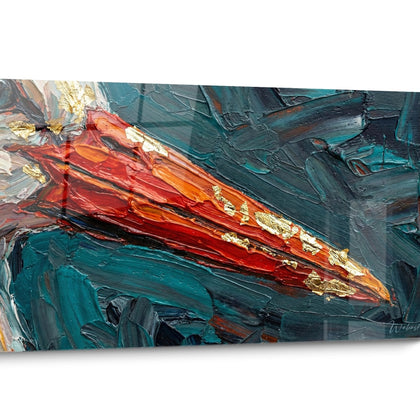 Modern Animal Wall Art24
artworks
Modern Animal Wall Art24
artworks
-
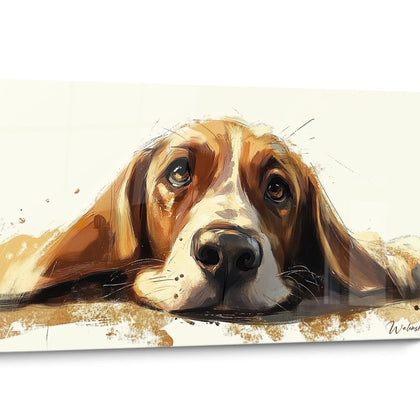 Realistic Animal Wall Art24
artworks
Realistic Animal Wall Art24
artworks
-
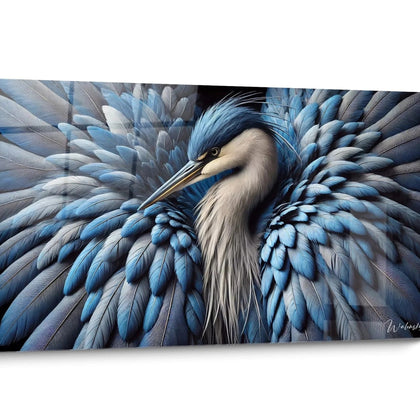 Blue Animal Paintings24
artworks
Blue Animal Paintings24
artworks
-
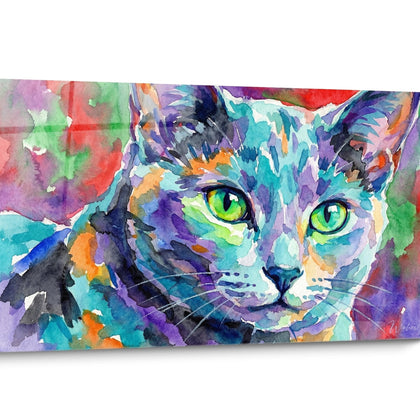 Green-Eyed Animals Wall Art22
artworks
Green-Eyed Animals Wall Art22
artworks
-
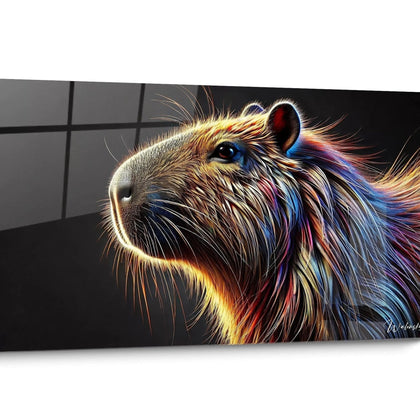 Pop Art Animal Wall Art17
artworks
Pop Art Animal Wall Art17
artworks
-
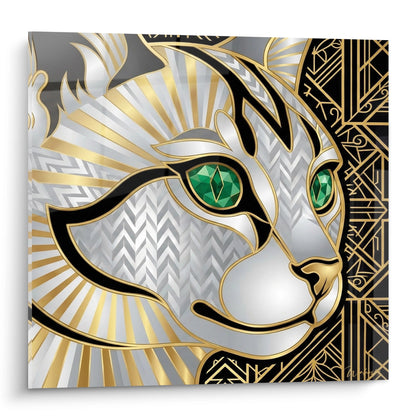 Animal Art Deco Wall Art4
artworks
Animal Art Deco Wall Art4
artworks
-
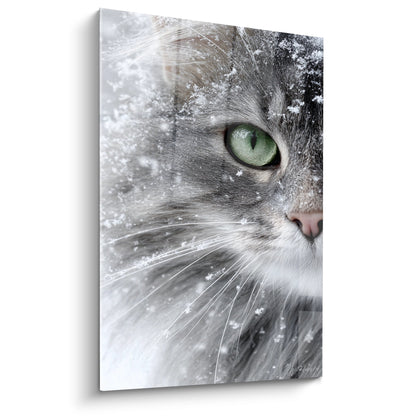 Winter Animal Wall Art3
artworks
Winter Animal Wall Art3
artworks
-
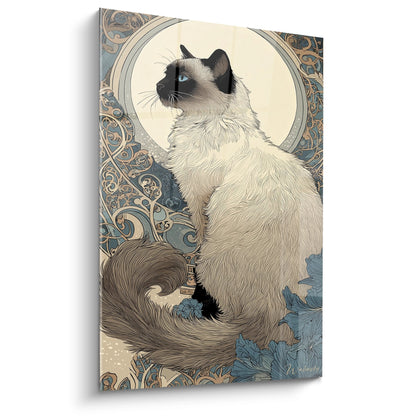 Art Nouveau Animal Wall Art3
artworks
Art Nouveau Animal Wall Art3
artworks
All about Animal Street Art Wall Art
- Animal Street Art Wall Art Presentation
- Urban Animal Symbolism
- Transgressive Wall Aesthetics
- Contemporary Galleries and Spaces
Animal street art paintings embody the explosive encounter between wild fauna and urban artistic expression. This large-format wall decoration category radically transforms contemporary interiors into defiant galleries, where majestic creatures carry the visual codes of graffiti, stenciling and monumental tagging. Perfect for industrial lofts, creative coworking spaces or avant-garde showrooms, these large-format works impose a striking visual presence that dialogues with raw architecture and authentic materials.
When Urban Fauna Meets the Rebellious Spirit of Street Art
The animal street art paintings reinvent the classical bestiary by infusing it with the subversive energy of metropolitan alleys. Unlike conventional animal representations, these monumental creations showcase gorillas sporting neon sunglasses, lions crowned with aerosol cans, or stags adorned with wild typographies. This visual fusion responds to precise aesthetic research: creating perceptual shock in daring commercial spaces, renovated Haussmannian apartments in hybrid mode, or communication agencies that display their alternative culture.
Why choose a graffitied animal aesthetic for your professional space?
The integration of large-scale animal street art paintings in modern offices functions as a visual manifesto. Tech startups, architecture firms and production studios favor these representations to signal their creative positioning. A gorilla with piercing gaze executed in multicolor dripping technique instantly communicates an unrepressed brand identity, whereas traditional reproduction would remain silent. Generous dimensions amplify this declarative effect: a minimum 150x100 cm format guarantees necessary impact against the imposing volumes of lofts or open floors.
The explosive chromatic codification of urban creatures
The color spectrum of animal street art paintings radically departs from naturalistic palettes. Fluorescent hues, atomic bombing gradations and anarchic chromatic superimpositions reproduce the visual DNA of tagged walls. This intentional chromatic violence serves multiple decorative objectives: energizing monochrome industrial concrete-steel environments, creating visual tension points in overly serene Scandinavian minimalist spaces, or establishing contemporary dialogue with vintage design furniture. A scarlet fox on an electric cyan background can anchor an entire decorative strategy in conceptual dining spaces.
How do graffiti influences modify animal perception?
Techniques borrowed from artistic vandalism - calculated drips, imprecise outlines, textual superimpositions - paradoxically humanize animal subjects. This stylistic proximity with animal art deco paintings remains purely thematic: where the deco movement geometrized and stylized, street art brutalizes and contextualizes. The result transforms creatures into urban icons charged with attitude, ideal for spaces cultivating anticonformist identity.
The Decorative Architecture of Contestatory Walls
Installing animal street art paintings in a residential or commercial environment requires fine understanding of visual power dynamics. These monumental works don't merely occupy space: they claim it, question it, sometimes brutalize it. Informed collectors precisely seek this disruptive capacity to counterbalance overly smooth standardized renovation architectures. A wolf with eyes masked by vintage sunglasses placed on an off-white wall becomes the manifesto of a personality refusing bourgeois conventions.
Which spaces benefit most from this visual transgression?
Public-facing environments - cocktail bars, urban climbing halls, sneaker concept stores, ephemeral galleries - particularly exploit the impact of large-format animal street art paintings. These venues rest on an experiential promise where each detail contributes to immersion. A black panther dripping with neon pink paint immediately establishes intense emotional register, whereas simple animal photography would remain decorative without being memorable. XXL formats create instinctive Instagram zones, transforming visitors into spontaneous visual ambassadors.
Material associations that amplify urban radicality
The material environment conditions the success of an animal street art painting. Raw surfaces - exposed polished concrete, industrial red brick, brushed steel, reclaimed wood - create authentic resonances with the street DNA of the artistic movement. Conversely, overly precious finishes - polished marbles, silky wallpapers, gilt wood paneling - generate aesthetic conflicts that neutralize subversive charge. Recycled metal furniture, filament pendant lights and reclaimed accessories form the natural decorative ecosystem of these creations. A psychedelic elephant naturally dialogues with a worn vintage leather Chesterfield sofa, but will reject Louis XV furnishings.
Can multiple animal street art paintings be integrated without visual saturation?
Multi-work composition follows specific rules in animal street art universe. Rather than academic symmetry, favor off-axis hanging, partial overlaps or irregular cluster installations. Three creations of different formats - a 120x80 eagle, a 100x100 bear, a 80x60 fox - create fragmented visual narrative mimicking organic tag accumulation on urban walls. This strategy particularly functions in crossing corridors, open stairwells or industrial mezzanines where the eye circulates in movement.
Investing in Contemporary Urban Animal Iconography
Acquiring animal street art paintings fits within particular collecting approach, halfway between impulsive decorative purchase and thoughtful cultural investment. Buyers seek pieces witnessing precise artistic moment - that post-2010 period when graffiti massively invested legitimate galleries - while retaining raw energy of illegal origins. Large-format creations signed by recognized emerging artists constitute reasonable speculative bets, particularly when capturing visual codes in full media expansion.
What decorative longevity for these trendy works?
Unlike ephemeral fashions, animal street art aesthetic benefits from deep cultural anchoring. The graffiti movement proved its permanence since the 1980s, while fascination with animal representations traverses epochs. This double historical legitimacy protects animal street art paintings from capricious fluctuations of decorative market. Spaces integrating them today anticipate rather than follow: in five years, these creations will bear the valorizing patina of visual pioneers, when mainstream finally catches up with this avant-garde.
Selection criteria for sustainable acquisition
Beyond immediate love-at-first-sight, several technical parameters condition long-term satisfaction. Chromatic saturation must resist natural light variations in interiors - crucial criterion for south-facing pieces. Balanced compositions, where creature occupies 60-75% of surface without crushing margins, offer more integration flexibility than ultra-tight framings. Mixed stylistic variations - combining clean stencil and spontaneous drips, structured typographies and free gestures - age better than mono-technique pieces. A buffalo crossed with calligraphic tags on splashed background will maintain visual interest far beyond simple graffitied realistic portrait.
How to evaluate streetwear authenticity of an animal creation?
True animal street art paintings bear recognizable authenticity markers: calculated asymmetries, intentional imperfections, cryptic references to hip-hop or skateboard culture. Beware overly polished reproductions mimicking visual codes without understanding grammar. Raw energy must show through - this sensation that work could legitimately exist on exterior wall before inhabiting your living room. Credible artists generally maintain mixed practice, alternating between urban mural creations and collector-destined productions.
FAQ: Animal Street Art Paintings
Do animal street art paintings suit family residential spaces?
Absolutely, provided adapting visual radicality level. Stylized colorful versions function perfectly in creative adolescent rooms or open-minded family living spaces. Favor charismatic creatures - pandas, koalas, foxes - rather than aggressive predators for common areas.
What is the major difference between animal street art paintings and urban animal photography?
Animal street art paintings are fully composed graphic creations, mixing drawing, digital painting and graffiti effects. Photographs capture real subjects, even reworked ones. Street art approach offers total chromatic and compositional freedom, creating impossible worlds in photographic reality.
How to durably maintain a large-format animal street art painting?
Professional quality prints simply require regular dusting with dry microfiber cloth. Avoid chemical products that could alter pigmentary inks. For pieces exposed to strong luminosity, seasonal rotation with other works preserves chromatic intensity over very long term.


