


Ocicat Cat Wall Art
The Ocicat captivates with its spotted coat evoking the wild ocelot and its intense gaze. Our wall art celebrates its exotic beauty achieved without crossing with wild felines. An American breed with a sociable and athletic temperament, this feline inspires dynamic and captivating artwork. Bring the wild spirit into your home with this cat's feline charisma.
 Wild Spotted Cat in the Savanna Painting - African Feline - Ocicat Edition242,90 €
 Ocicat Cat in Motion Painting - Artistic Dynamism - Ocicat Cat Edition242,90 €
 Ocicat Cat Impressionist Painting - Golden Swirls - Ocicat Cat Edition242,90 €
 Ocicat Cat in Motion Artwork - Wild Momentum - Ocicat Cat Edition273,90 €
 Ocicat Cat Resting Artwork - Feline Rest in Golden Tones - Ocicat Cat Edition273,90 €
 Ocicat Cat Impressionist Artwork - Expressive Feline Gaze - Ocicat Cat Edition273,90 €
 Ocicat Cat Artwork in Motion - Artistic Explosion - Ocicat Cat Edition273,90 €
 Ocicat Cat Painting in Motion - Wild Sprint - Ocicat Cat Edition273,90 €
 Ocicat Cat Painting in Motion - Golden Energy - Ocicat Cat Edition273,90 €
 Ocicat Cat Painting Portrait - Intense Amber Gaze - Ocicat Cat Edition273,90 €
 Ocicat Cat Painting Realistic Portrait - Golden Gaze - Ocicat Cat Edition273,90 €
 Ocicat Cat Painting in Motion - Dynamic Spiral - Ocicat Cat Edition273,90 €
 Ocicat Urban Cat Painting - Artistic Parkour Jump - Ocicat Cat Edition273,90 €
 Ocicat Painting in Motion - Wild Energy - Ocicat Edition273,90 €
 Multicolor Expressionist Cat Painting - Hypnotic Gaze - Ocicat Edition273,90 €
 Expressive Ocicat Cat Painting - Impasto Technique - Ocicat Cat Edition273,90 €
 Ocicat Cat Fauve Painting - Van Gogh Swirls - Ocicat Cat Edition228,90 €
 Ocicat Cat Lying Down Painting - Captivating Amber Gaze - Ocicat Cat Edition228,90 €
 Ocicat Cat Painting Artistic Splashes - Creative Fusion - Ocicat Cat Edition228,90 €
 Ocicat Cat Painting Black and White Portrait - Intense Gaze - Ocicat Edition228,90 €
 Ocicat Cat Painting Portrait - Contemplative Gaze - Ocicat Edition228,90 €
Explore further
In Ocicat Cat Wall Art
-
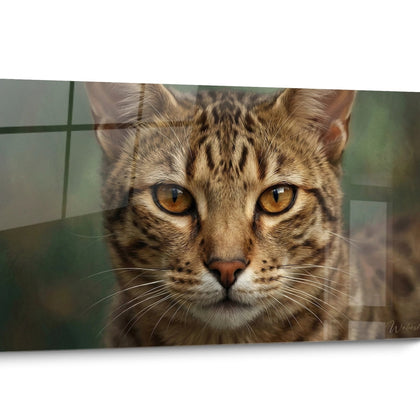 Ocicat Cat Portrait Wall Art5
artworks
Ocicat Cat Portrait Wall Art5
artworks
-
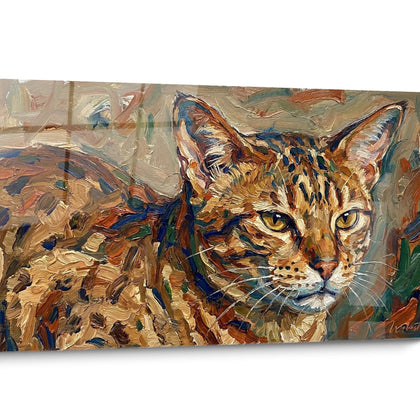 Impressionist Ocicat Cat Painting3
artworks
Impressionist Ocicat Cat Painting3
artworks
-
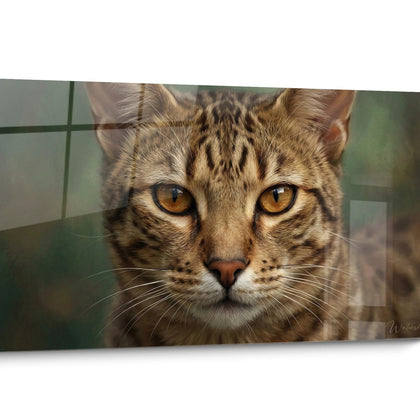 Realistic Ocicat Cat Painting5
artworks
Realistic Ocicat Cat Painting5
artworks
-
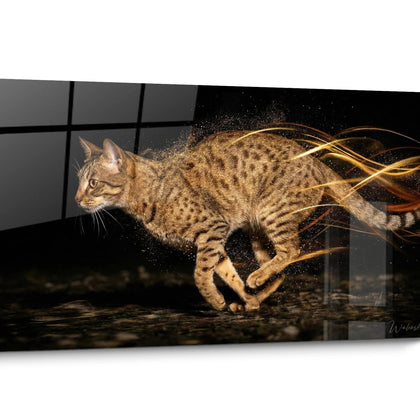 Modern Ocicat Cat Wall Art6
artworks
Modern Ocicat Cat Wall Art6
artworks
-
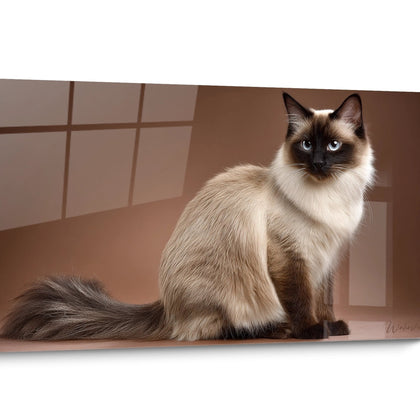 Balinese Cat Wall Art36
artworks
Balinese Cat Wall Art36
artworks
-
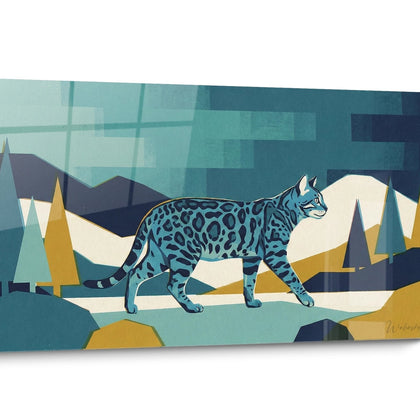 Bengal Cat Wall Art36
artworks
Bengal Cat Wall Art36
artworks
-
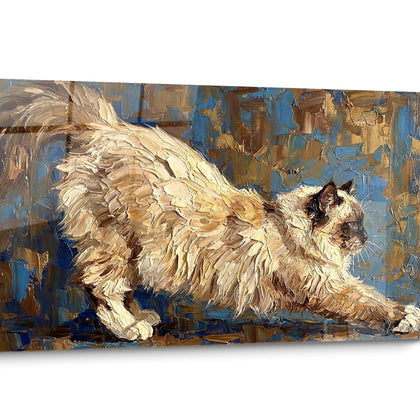 Birman Cat Wall Art53
artworks
Birman Cat Wall Art53
artworks
-
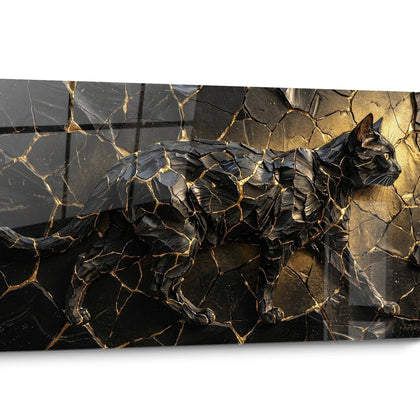 Bombay Cat Wall Art44
artworks
Bombay Cat Wall Art44
artworks
-
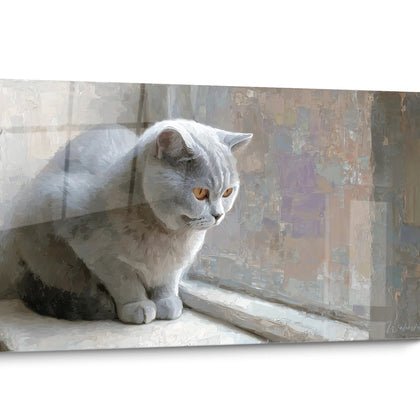 British Shorthair Cat Wall Art31
artworks
British Shorthair Cat Wall Art31
artworks
-
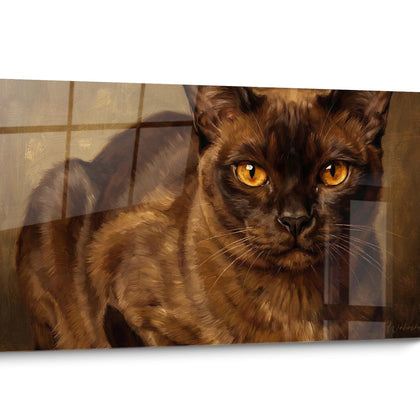 Burmese Cat Wall Art22
artworks
Burmese Cat Wall Art22
artworks
-
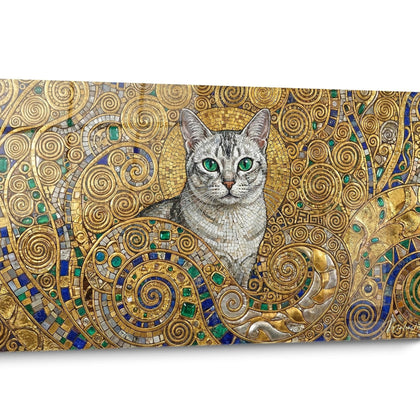 Burmilla Cat Wall Art31
artworks
Burmilla Cat Wall Art31
artworks
-
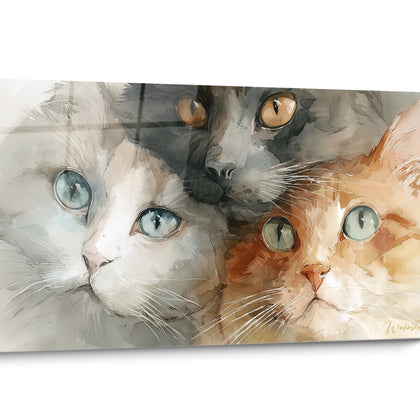 Chartreux Cat Wall Art28
artworks
Chartreux Cat Wall Art28
artworks
-
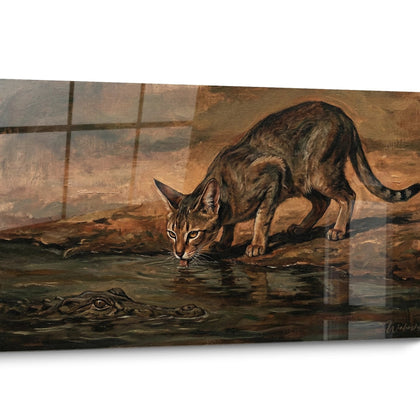 Chausie Cat Wall Art24
artworks
Chausie Cat Wall Art24
artworks
-
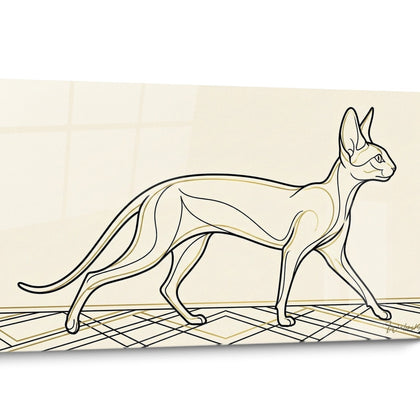 Cornish Rex Cat Wall Art20
artworks
Cornish Rex Cat Wall Art20
artworks
-
 Devon Rex Cat Wall Art16
artworks
Devon Rex Cat Wall Art16
artworks
-
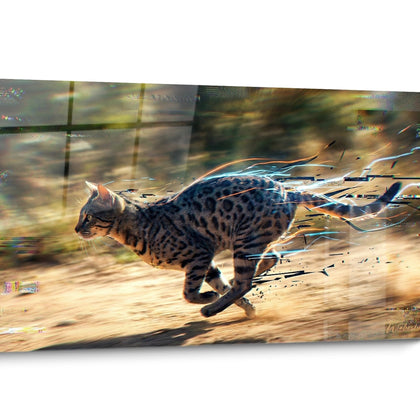 Egyptian Mau Cat Wall Art16
artworks
Egyptian Mau Cat Wall Art16
artworks
-
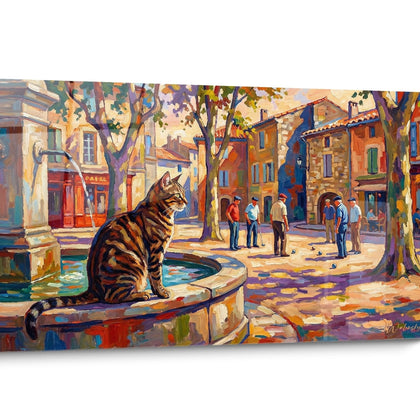 European Shorthair Cat Wall Art18
artworks
European Shorthair Cat Wall Art18
artworks
-
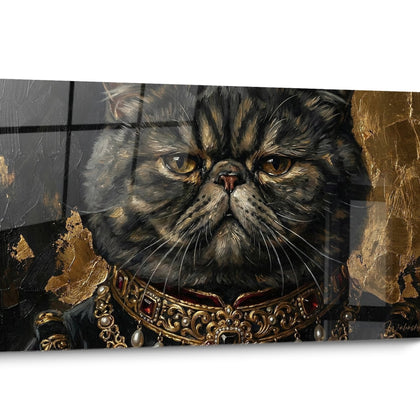 Exotic Shorthair Cat Wall Art23
artworks
Exotic Shorthair Cat Wall Art23
artworks
-
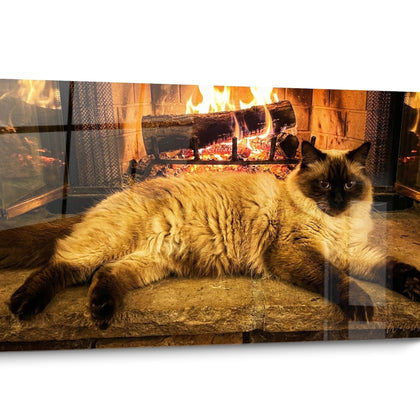 Himalayan Cat Wall Art16
artworks
Himalayan Cat Wall Art16
artworks
-
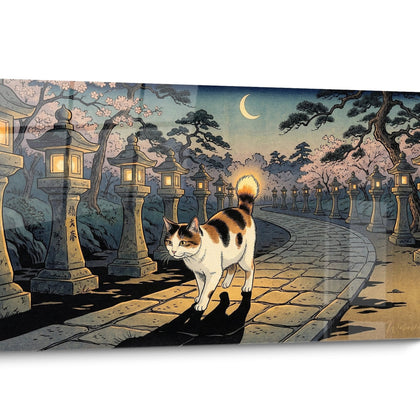 Japanese Bobtail Cat Wall Art15
artworks
Japanese Bobtail Cat Wall Art15
artworks
-
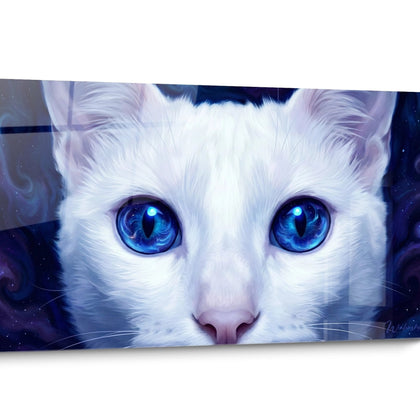 Khao Manee Cat Painting17
artworks
Khao Manee Cat Painting17
artworks
-
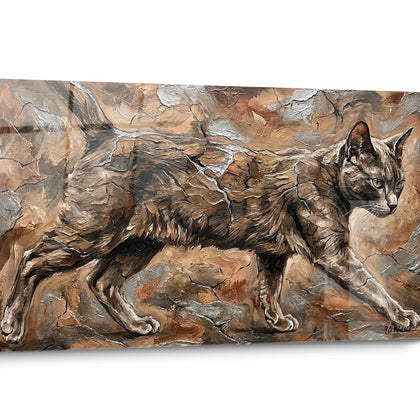 Korat Cat Wall Art18
artworks
Korat Cat Wall Art18
artworks
-
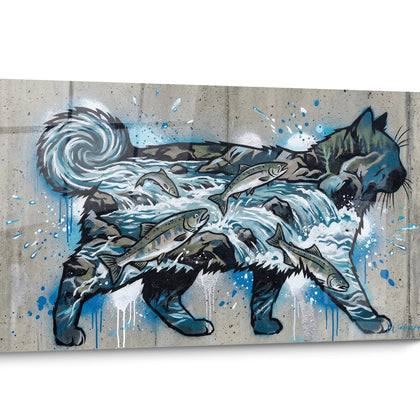 Kurilian Bobtail Cat Wall Art14
artworks
Kurilian Bobtail Cat Wall Art14
artworks
-
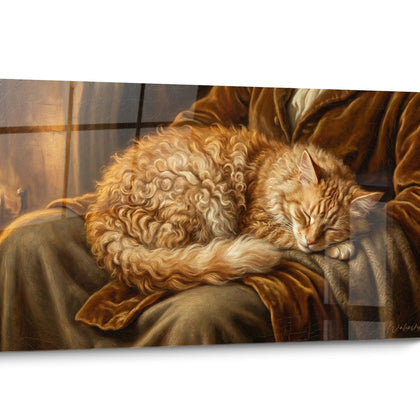 Laperm Cat Wall Art15
artworks
Laperm Cat Wall Art15
artworks
-
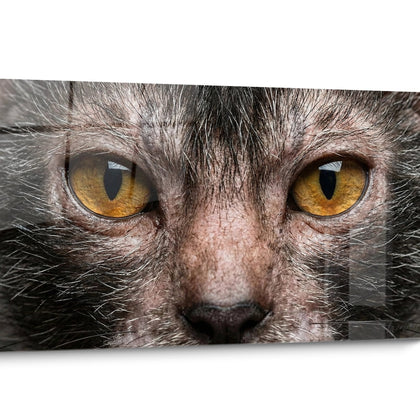 Lykoi Cat Canvas10
artworks
Lykoi Cat Canvas10
artworks
-
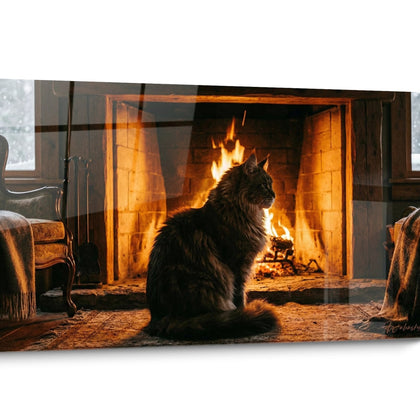 Maine Coon Cat Wall Art26
artworks
Maine Coon Cat Wall Art26
artworks
-
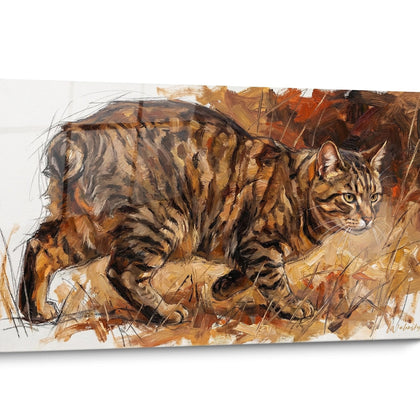 Manx Cat Wall Art17
artworks
Manx Cat Wall Art17
artworks
-
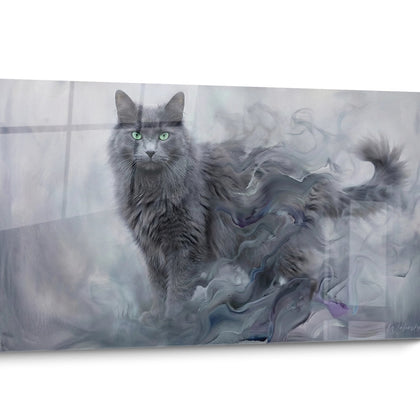 Nebelung Cat Wall Art15
artworks
Nebelung Cat Wall Art15
artworks
-
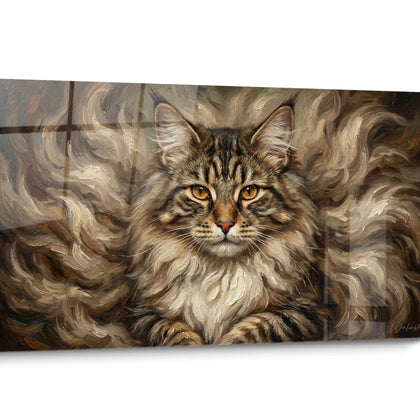 Norwegian Forest Cat Wall Art18
artworks
Norwegian Forest Cat Wall Art18
artworks
-
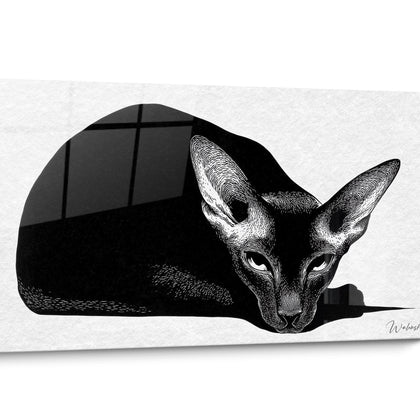 Oriental Shorthair Cat Wall Art20
artworks
Oriental Shorthair Cat Wall Art20
artworks
-
 Persian Cat Wall Art27
artworks
Persian Cat Wall Art27
artworks
-
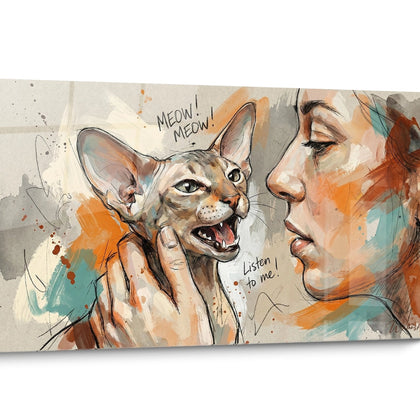 Peterbald Cat Wall Art26
artworks
Peterbald Cat Wall Art26
artworks
-
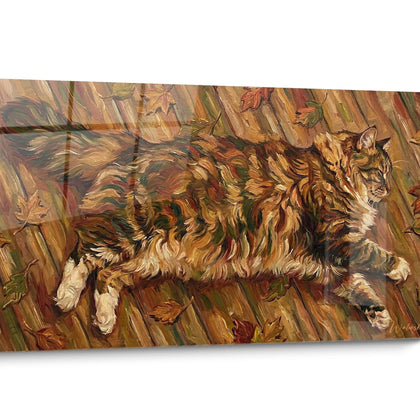 Ragamuffin Cat Wall Art21
artworks
Ragamuffin Cat Wall Art21
artworks
-
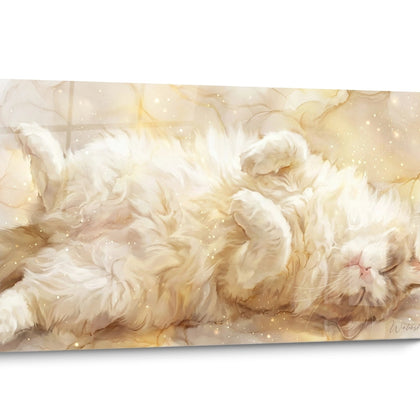 Ragdoll Cat Wall Art21
artworks
Ragdoll Cat Wall Art21
artworks
-
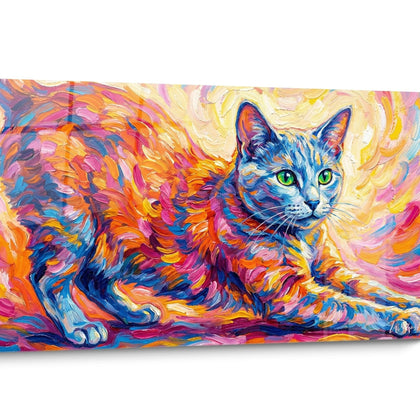 Russian Blue Cat Wall Art16
artworks
Russian Blue Cat Wall Art16
artworks
-
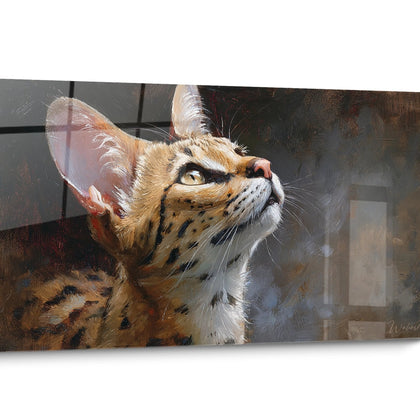 Savannah Cat Wall Art22
artworks
Savannah Cat Wall Art22
artworks
-
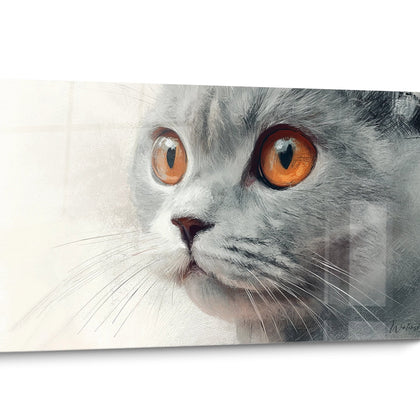 Scottish Fold Cat Wall Art17
artworks
Scottish Fold Cat Wall Art17
artworks
-
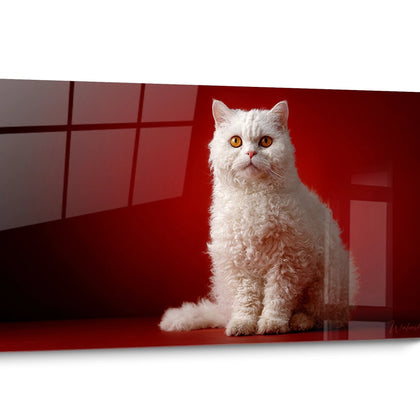 Selkirk Rex Cat Wall Art19
artworks
Selkirk Rex Cat Wall Art19
artworks
-
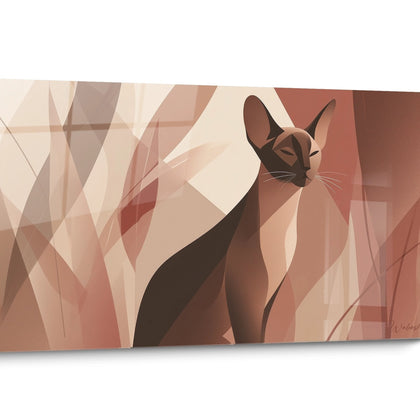 Serengeti Cat Wall Art19
artworks
Serengeti Cat Wall Art19
artworks
-
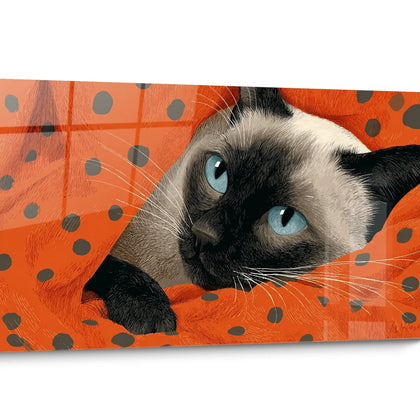 Siamese Cat Wall Art26
artworks
Siamese Cat Wall Art26
artworks
-
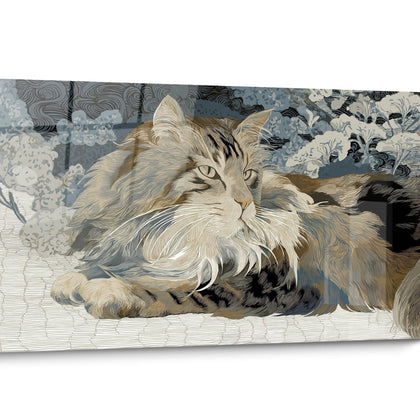 Siberian Cat Wall Art25
artworks
Siberian Cat Wall Art25
artworks
-
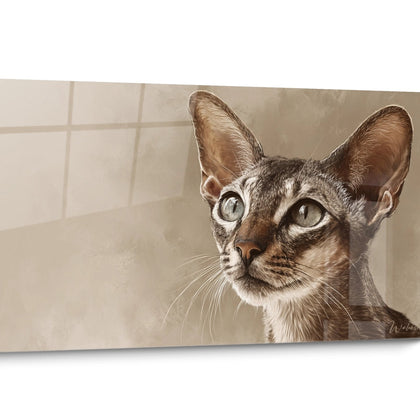 Singapura Cat Wall Art26
artworks
Singapura Cat Wall Art26
artworks
-
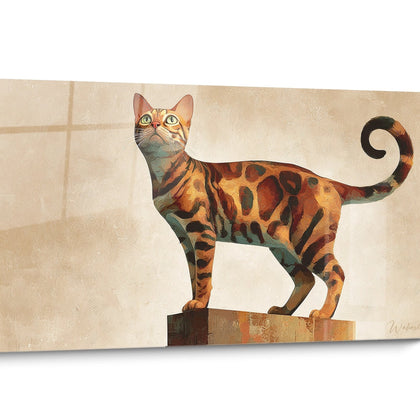 Sokoke Cat Wall Art30
artworks
Sokoke Cat Wall Art30
artworks
-
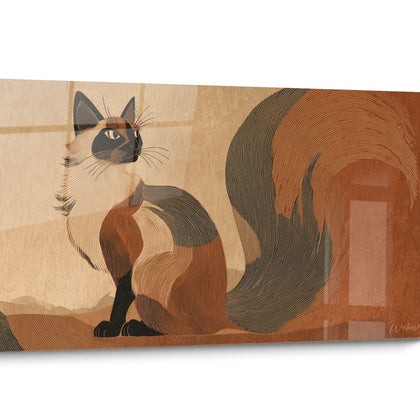 Somali Cat Wall Art19
artworks
Somali Cat Wall Art19
artworks
-
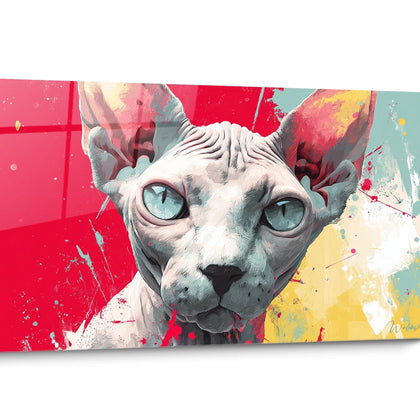 Sphynx Cat Wall Art37
artworks
Sphynx Cat Wall Art37
artworks
-
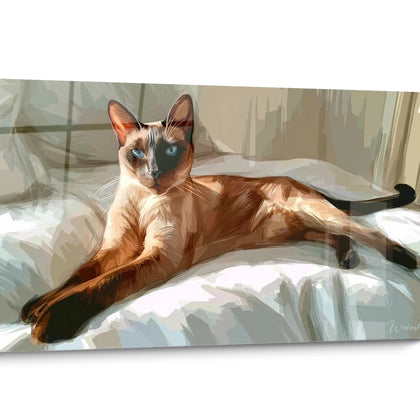 Tonkinese Cat Wall Art22
artworks
Tonkinese Cat Wall Art22
artworks
-
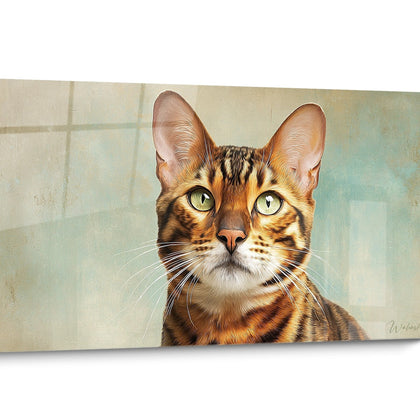 Toyger Cat Wall Art23
artworks
Toyger Cat Wall Art23
artworks
-
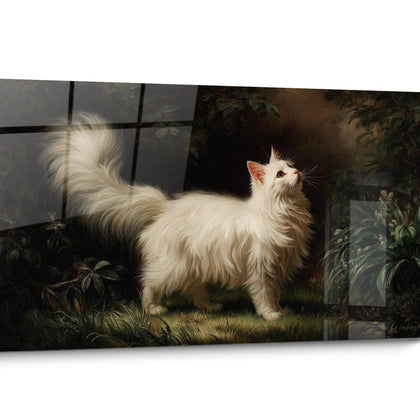 Turkish Angora Cat Wall Art25
artworks
Turkish Angora Cat Wall Art25
artworks
-
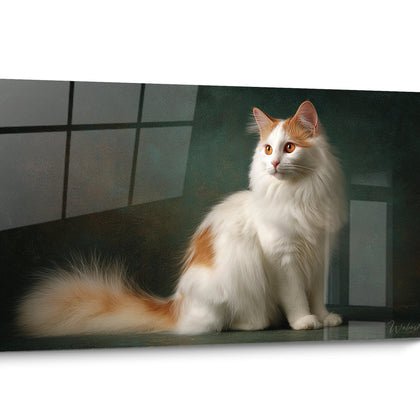 Turkish Van Cat Wall Art20
artworks
Turkish Van Cat Wall Art20
artworks
-
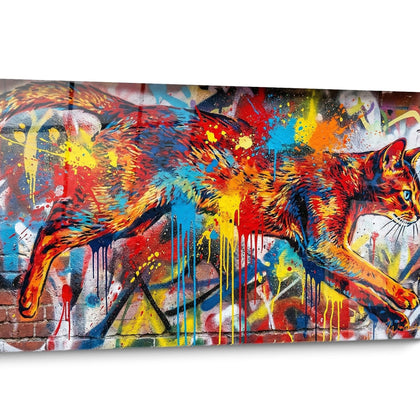 Abyssinian Cat Wall Art49
artworks
Abyssinian Cat Wall Art49
artworks


All about Ocicat Cat Wall Art
- Ocicat Wall Art Presentation
- Ocicat cat wall art : wild elegance
- Ocicat cat wall art : coats and colors
- Ocicat wall art : capturing its temperament
The Ocicat fascinates with its wild feline appearance combined with an affectionate domestic temperament. This spotted coat cat, evoking the South American ocelot, deserves a place of honor in your interior. An Ocicat wall art piece in large format sublimes the unique spotted tabby patterns of this breed and brings refined exotic touch to your wall décor. Discover how to choose the perfect work to celebrate this exceptional feline companion.
Ocicat Wall Art : Wild Elegance Sublimed in Large Format
The Ocicat wall art represents far more than simple feline wall decoration. This breed, born accidentally in 1964 in the United States from a cross between Abyssinian and Siamese, displays a spotted tabby coat that instantly evokes wild big cats. Installing an artistic representation of this spotted cat in your living space means inviting the very essence of domesticated wild nature within your walls.
Why does the Ocicat's spotted coat captivate the eye so much?
The distinctive oval spots of the Ocicat resemble no other domestic feline breed. Unlike Bengal rosettes or classic tabby stripes, Ocicat spots feature harmonious distribution across the entire body. On large format wall art, these patterns create a striking visual effect that immediately captures attention. The random yet balanced arrangement of spots generates unique visual rhythm, particularly enhanced on premium supports like acrylic glass or Dibond aluminum.
Each Ocicat possesses a spot pattern as unique as a fingerprint. This singularity translates artistically into works where each representation tells a different story. Enthusiasts of this breed often seek wall art faithfully capturing this characteristic spot distribution, particularly on the flanks and shoulders where they are most pronounced.
The athletic silhouette : a powerful artistic subject
The Ocicat stands out with developed musculature and solid bone structure that give it the bearing of a small wild cat. This athletic morphology offers artists a particularly expressive subject. Wall art depicting an Ocicat in hunting position or mid-leap captures the raw energy characteristic of the breed. The tensed body lines, muscles bulging beneath the spotted coat create visual dynamics impossible to replicate with other breeds.
For Ocicat owners, possessing an Ocicat wall art representing this feline power allows daily celebration of their companion's exceptional physical qualities. XXL format amplifies this impression of controlled strength, transforming your wall into a window opened onto primitive nature.
The visual legacy of the ocelot in your décor
The Ocicat takes its name from its striking resemblance to the ocelot, this wild feline of Central and South America. This aesthetic kinship grants Ocicat artistic representations particular dimension. Hanging this breed's wall art means bringing the spirit of tropical forests and savannas into your home while preserving the gentleness of a perfectly domesticated animal.
Animal art collectors particularly appreciate this duality. The Ocicat allows displaying the aesthetics of spotted big predators without the sometimes controversial connotations linked to endangered species representation. This domestic breed thus offers an ethical and elegant alternative for spotted feline lovers.
Which environments sublimate a large-format Ocicat wall art?
The imposing visual presence of an Ocicat in large format harmonizes particularly well with certain decorative styles:
- Contemporary interiors with clean lines where the wall art becomes focal point
- Natural spaces using wood and raw stone
- Safari chic or urban jungle atmospheres
- Veterinarian offices or feline breeders' spaces
- Waiting rooms of feline medicine clinics
The controlled wild aspect of the Ocicat creates striking contrast with highly structured environments. In an industrial loft or Haussmann apartment, this tension between raw nature and refined civilization generates unique and memorable atmosphere.
Almond-shaped eyes : window onto the wild soul
The Ocicat's gaze constitutes one of the most captivating elements to reproduce artistically. Its slightly oblique eyes, naturally bordered by dark outline, express keen intelligence and permanent curiosity. On quality wall art, this gaze seems to follow the viewer, creating instant emotional connection.
Ocicat eye tones vary from deep gold to emerald green, offering artists rich chromatic palette to exploit. This intensity of gaze, combined with spotted coat, composes works of remarkable presence that truly transform a room's ambiance.
Ocicat Coat Variations : Choosing the Perfect Wall Art for Your Interior
Selecting an Ocicat wall art suited to your décor requires understanding the exceptional chromatic diversity of this breed. The Ocicat officially exists in twelve distinct coat colors, each presenting specific nuances and contrasts that considerably influence final artistic rendering. This palette richness allows finding the ideal work whatever your interior color harmony.
Warm coats : tawny, chocolate and cinnamon
The tawny coat represents the most widespread and emblematic color of the Ocicat. This cream ivory ground enhanced with dark brown spots directly evokes the wild ocelot. On large-format wall art, this classic combination radiates particularly in interiors with neutral or terracotta tones. The marked contrast between light ground and dark spots creates optimal legibility even at distance.
The chocolate Ocicat features richer, more velvet brown spots on slightly warmer ivory ground. This variant naturally harmonizes with walnut or mahogany furniture. For comfort-loving décor enthusiasts, wall art representing this coat brings sophisticated warmth.
The cinnamon coat, rarer, offers cinnamon-colored spots on rosy ivory ground. This unique shade allows original decorative associations with coral, peach or light terracotta palettes. Collectors particularly seek representations of this variant for its visual exclusivity.
How to choose between silver coats and their metallic reflections?
Ocicat silver variants constitute a privileged choice for contemporary décors. The luminous silver ground on which spots stand out grants representations an almost unreal quality. On acrylic glass, these silver coats acquire fascinating three-dimensional depth thanks to light interplay on the glossy support.
The Ocicat silver tawny combines silver ground and black spots for maximum contrast. This sophisticated monochrome version integrates perfectly into minimalist black and white interiors. The chocolate silver and cinnamon silver Ocicat offer softer contrasts, ideal for Scandinavian or japandi atmospheres.
Dilute coats : blue, lavender and fawn
Ocicat dilute colors represent particularly refined decorative options. The blue coat features grayish-blue spots on bluish ivory ground, creating elegant cool harmony. This variant suits exceptionally well to bedrooms or relaxation spaces seeking soothing atmosphere.
The lavender Ocicat, extremely rare, displays delicate lilac spots on rosy ivory ground. Wall art representing this coat constitutes truly unique piece for demanding collectors. The pastel softness of this combination pairs wonderfully with romantic or bohemian décors.
The fawn coat, subtle rosy beige, offers the softest contrast of all variants. This discreet yet sophisticated tone allows very natural decorative integrations, the wall art blending harmoniously into environment while bringing distinctive feline presence.
Adapting the coat to premium printing support
Support choice considerably influences perception of depicted Ocicat colors:
- Acrylic glass intensifies contrasts and sublimes silver coats through its reflections
- Matte Dibond aluminum suits warm coats perfectly by avoiding parasitic reflections
- Brushed aluminum brings complementary metallic dimension to silver variants
- White Dibond reveals full subtlety of dilute coats like lavender or fawn
Which Ocicat coat for which living space?
The entry or hallway benefits from high-contrast coats like tawny or silver to create immediate impact. The living room supports all variants depending on your existing palette, chocolate or cinnamon coats warming spaces while silver brings freshness and modernity.
The bedroom calls for soothing tones of dilute coats blue or lavender. The professional office gains character with powerful variants like chocolate silver or ebony. Each space thus finds its ideal Ocicat among this remarkable chromatic diversity.
Considerations for Ocicat owners
If you own an Ocicat yourself, choosing wall art representing the same coat color as your companion creates touching visual coherence. Some owners prefer conversely a different variant to enrich their visual feline collection. Breeders particularly appreciate displaying the different colors they produce through multiple complementary wall art pieces.
Capturing the Ocicat's Unique Temperament : The Art of Representing This Exceptional Feline
Beyond its spectacular appearance, the Ocicat possesses a temperament that radically distinguishes it from other feline breeds. Nicknamed the "dog-cat" by connoisseurs, it combines insatiable curiosity, exceptional sociability and remarkable intelligence. Successful Ocicat wall art captures this overflowing personality as much as the beauty of its spotted coat, creating a living work that resonates with all who know and love this breed.
The expressive gaze : mirror of keen intelligence
The Ocicat observes its environment with sustained attention that shines through in every glance. Unlike the indifference sometimes attributed to felines, its eyes constantly express curiosity, anticipation or affection. The most successful artistic representations capture this intellectual liveliness, this moment when the Ocicat seems to analyze a situation before acting.
On large-format wall art, this penetrating gaze creates quasi-living presence in the room. Visitors invariably notice this expressive intensity, often engaging conversation about the breed and its particularities. The work thus becomes true ambassador for the Ocicat among those unfamiliar with this remarkable feline.
Why represent the Ocicat in movement?
The natural energy of the Ocicat constitutes one of its most endearing characteristics. This active and playful cat maintains its dynamism throughout its life. Wall art representing it in action, whether leaping, running or hunting posture, transmits this contagious vitality.
The Ocicat's powerful musculature fully reveals itself in these dynamic poses. Shoulder and thigh muscles tensed beneath spotted coat create force lines that truly animate the image. This representation type particularly suits active living spaces where one desires energizing décor.
Legendary sociability translated into art
The Ocicat hates solitude and constantly seeks human company. This behavioral characteristic can translate artistically through open and welcoming poses, the cat seemingly inviting the spectator to interact. Frontal representations, where the Ocicat faces the viewer, particularly exploit this breed trait well.
Some wall art shows the Ocicat in typical breed communication postures : head slightly tilted as sign of attention, tail raised in question mark, front paws extended forward. These familiar attitudes deeply touch Ocicat owners who instantly recognize their companion's body language.
Which poses best reveal the Ocicat's character?
The most expressive poses for Ocicat wall art include:
- The hunting position, body lowered and fixed gaze, revealing hunting instinct
- The majestic stretch showcasing spotted body length
- The proud head carriage characteristic of the breed
- The relaxed yet alert posture typical of confident feline
- The glance over shoulder, full of mystery and invitation
The Ocicat and its environment : relevant artistic contexts
Unlike more reserved cats, the Ocicat constantly interacts with its environment. Representations showing it perched in height, exploring space or observing through a window capture this permanent curiosity. These contextual stagings add narrative dimension to the work.
Wall art including natural environment elements, branches, foliage or light filtering through a window subtly remind of origins evoking the jungle of this spotted cat. This contextualization enriches work reading while underlining the fascinating paradox of the Ocicat : wild air in profoundly domestic temperament.
Wall art that tells the breed's story
For Ocicat enthusiasts, wall art can also celebrate this breed's unique history. Created by chance in 1964 by Virginia Daly during an Abyssinian-Siamese breeding program, the Ocicat represents an accidental success become feline heritage. This singular origin grants breed representations historical dimension appreciated by connoisseurs.
Where to buy premium-quality Ocicat wall art?
High-end Ocicat wall art is found primarily with specialists in large-format wall art offering premium supports like acrylic glass or Dibond aluminum. Prioritize shops offering diverse selection of poses and coat colors to find the work corresponding exactly to your expectations.
Which format to choose for Ocicat wall art?
XXL formats, from 120x80 cm to 200x140 cm, particularly sublimate the Ocicat's spotted coat by revealing every detail of characteristic spots. These large dimensions also allow fully appreciating gaze expressivity and athletic silhouette power.
Does Ocicat wall art suit all decoration styles?
The Ocicat's natural elegance transcends decorative styles. Its sophisticated appearance integrates as well into minimalist contemporary interior as into more classical or bohemian décor. Available coat color variety allows finding chromatic harmony with practically any palette.
How to maintain Ocicat wall art on acrylic glass?
Wall art on acrylic glass simply requires regular dusting with dry microfiber cloth. In case of traces, glass cleaner without alcohol applied to cloth, never directly onto the work, suffices to restore full image brilliance. Avoid abrasive products that could dull glossy surface.


