


Realistic Ocicat Cat Painting
The Painting Cat Ocicat Realistic captures the wild elegance of this exceptional feline breed with mesmerizing spotted patterns. Each artwork accurately reveals the expressive eyes and the mottled coat characteristic of the Ocicat. Our collection of portraits of Cat Ocicat combines photographic realism and artistic sensitivity to create a refined wall decoration. Perfect for cat lovers and collectors of realistic animal art, this series transforms your space into a gallery dedicated to the natural beauty of pedigree cats.
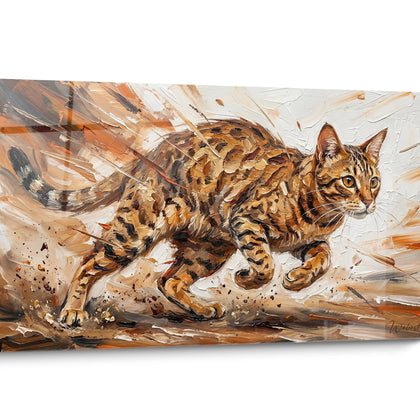
 Wild Spotted Cat in the Savanna Painting - African Feline - Ocicat Edition242,90 €
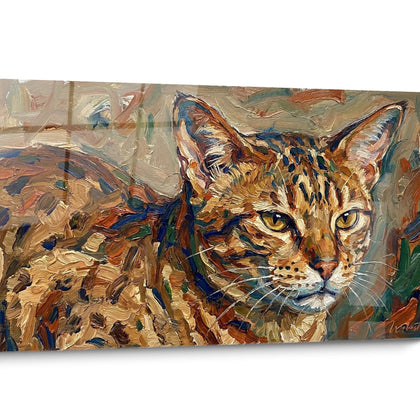
 Ocicat Cat Resting Artwork - Feline Rest in Golden Tones - Ocicat Cat Edition273,90 €
 Ocicat Cat Painting Portrait - Intense Amber Gaze - Ocicat Cat Edition273,90 €
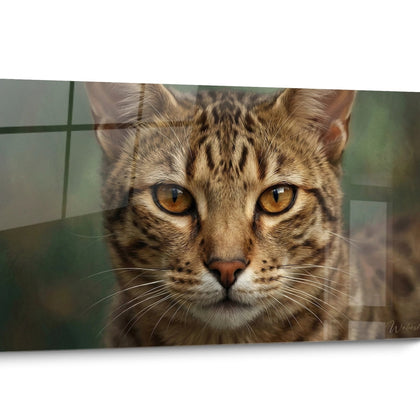
 Ocicat Cat Painting Realistic Portrait - Golden Gaze - Ocicat Cat Edition273,90 €
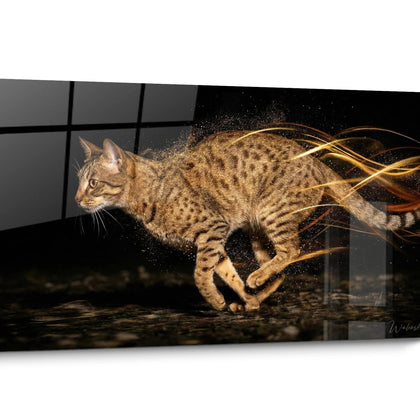
 Ocicat Cat Painting Portrait - Contemplative Gaze - Ocicat Edition228,90 €
Explore further
In Realistic Ocicat Cat Painting
All about Realistic Ocicat Cat Painting
- Realistic Ocicat Painting Presentation
- Faithful Ocicat Reproduction
- Photographic Large Format Rendering
- Intensity of the Feline Gaze
A realistic Ocicat cat painting captures the photographic essence of this emblematic breed characterized by its wild spotted coat and penetrating gaze. These large-scale mural representations reproduce with scientific accuracy every anatomical detail: the typical circular patterns on the fur, the silky texture of the hair, the amber intensity of the eyes, and the athletic musculature specific to this hybrid breed. Unlike stylized interpretations, the realistic approach demands absolute fidelity to natural proportions, authentic chromatic nuances, and behavioral expressions typical of the Ocicat. This level of precision transforms each work into a true visual document celebrating the raw beauty of this feline breed with a wild appearance but domestic temperament.
Anatomical Precision and Rendering of Ocicat Spotted Patterns
The realistic Ocicat cat painting distinguishes itself through its ability to faithfully reproduce the unique configuration of spots characteristic of this breed. Unlike wild felines, the Ocicat displays thumb-shaped patterns, called thumbprints, arranged according to a precise genetic scheme along the flanks, spine, and limbs. Realistic representation demands meticulous observation of these patterns: rounded spots on the body, marked rings on the tail, and the distinctive M on the forehead typical of tabby cats.
How are the chromatic variations of Ocicat fur reproduced?
The twelve officially recognized Ocicat colors – from tawny to silver blue – present considerable technical challenges for realistic reproduction. Each variation requires a specific color palette: warm copper tones for chocolate ocicats, cool silver nuances for blue spotted, or fawn tints for cinnamon versions. The realistic technique demands respecting natural tonal depth, where the base color subtly contrasts with darker spots, creating this sought-after wild appearance. For contemporary spaces seeking a zoological centerpiece, exploring a Ocicat cat portrait painting can offer a complementary approach centered on facial expression.
Fur texture and visual tactile rendering
The photographic approach of a realistic Ocicat cat painting reproduces the characteristic satin appearance of this breed's short, dense coat. Texture rendering techniques allow visually suggesting the softness to the touch, the natural direction of hair growth, and the shiny areas where natural light reflects on the muscled body. This attention to micro-details radically distinguishes realistic representations from freer artistic interpretations, creating an illusion of three-dimensional depth on a flat surface.
What anatomical details differentiate the Ocicat from other spotted breeds?
The distinctive morphology of the Ocicat – athletic medium-framed body, muscled legs with oval feet, and modified triangular head – constitutes the basis of authentic realistic representation. The large moderately pointed ears, placed at a 45-degree angle, the broad and square muzzle, and especially the almond-shaped, slightly slanted eyes are essential breed markers. A faithful rendering also captures the confident posture typical of this extroverted breed, often represented in an alert observation position or suspended movement.
Visual Impact of Monumental Format for Realistic Ocicat Representations
The generous dimensions of a realistic Ocicat cat painting amplify the immersive impact of this breed with its penetrating gaze. A format exceeding 120 centimeters reveals details invisible at small scale: subtle variations in iris pigmentation, translucent whiskers emerging from the muzzle, or microscopic chromatic nuances in each individual spot. This monumental scale transforms simple decoration into a sensory experience where the observer can scrutinize every anatomical peculiarity as during a real encounter with the animal.
Why choose a large format to capture Ocicat temperament?
The Ocicat possesses an extroverted and energetic personality that translates visually into dynamic postures and communicative facial expressions. An imposing format allows capturing this characteristic vitality: the muscle tension of an imminent leap, the intensity of a gaze fixed on imaginary prey, or the curiosity manifested by ears oriented forward. This amplified physical presence creates an emotional connection impossible to achieve with reduced dimensions, particularly in spacious living areas where the work must assert itself as an architectural focal point.
Optimal hanging zones to maximize realistic effect
Installing a large-scale realistic representation requires strategic reflection on spatial positioning. The main walls of reception spaces – cathedral living rooms, majestic entrances, or mezzanines – constitute privileged locations where viewing distance allows appreciating both the overall composition and meticulous details simultaneously. The hanging height should position the Ocicat's gaze at human eye level to create this direct visual connection characteristic of felines. Unlike abstract styles, realistic compositions require frontal or slightly angled lighting to reveal texture depth without creating reflections masking details.
What chromatic environment accompanies a realistic Ocicat representation?
The natural tonalities of Ocicat fur – dominated by warm browns, cool silvers, or luminous fawns – harmonize ideally with monochrome environments or earthy palettes. Scandinavian interiors with pure white walls create maximum contrast enhancing every feline nuance, while industrial ambiances with raw concrete and metal textures resonate with the breed's wild appearance. For those appreciating a different aesthetic, a modern Ocicat cat painting can offer a complementary interpretation with clean lines.
Decorative associations with natural wood furniture – teak, walnut, or oak – reinforce the organic dimension of the work, creating visual continuity between the domestic environment and the animal representation. Textiles with natural textures – raw linen, looped wool, aged leather – extend this tactile coherence suggested by the realistic rendering of fur.
Behavioral Expression and Feline Psychology in Ocicat Realism
Beyond anatomical accuracy, a realistic Ocicat cat painting excels in capturing authentic behavioral expressions specific to this sociable and interactive breed. Ocicats distinguish themselves through marked facial expressivity: pupil dilation translating excitement, precise rotation of ear pavilions signaling attention, and whisker positioning indicating emotional state. A truly realistic representation transcends the simple frozen photograph to capture a specific behavioral moment revealing the breed's personality.
Which postures best incarnate the Ocicat's extroverted nature?
Unlike independent breeds often represented in majestic resting posture, the Ocicat demands dynamic compositions reflecting its playful and curious temperament. Privileged positions include: the furtive approach typical of the hunter, front paws flexed and hindquarters elevated; the alert sitting position with curled tail and fixed gaze; or suspended movement capturing athletic agility in mid-leap. These active postures require perfect anatomical mastery to avoid unnatural proportions that would break the realistic illusion.
Gaze intensity and emotional connection
The Ocicat's eyes – large, almond-shaped, and available in every shade except blue – constitute the emotional focal point of any realistic composition. Faithful representation demands capturing the glassy brilliance of the cornea, the complex chromatic variations of the iris ranging from jade green to burnt copper, and especially the pupil whose shape and dilation convey instantaneous emotional state. A gaze directly oriented toward the observer creates this characteristic inter-species connection of domestic felines, transforming the decorative work into an almost living presence. To explore other stylistic approaches to this breed, an impressionist Ocicat cat painting proposes a more emotional interpretation of these same characteristics.
How does environmental context strengthen realism?
While the Ocicat typically occupies the composition's entirety in monumental formats, the subtle inclusion of contextual elements can reinforce authenticity: texture of a resting support suggesting scale, depth of field creating separation between subject and background, or directional lighting sculpting musculature and creating anatomically coherent shadows. These secondary environmental details anchor the representation in tangible reality without distracting from the intensity of the main subject.
The realistic approach for this hybrid breed with wild appearance creates a fascinating visual paradox: a feline presence evoking large spotted felids – leopard, ocelot, cheetah – while maintaining domestic proportions and the sociable expressivity of the family companion. This duality generates unique aesthetic tension particularly sought in contemporary interiors valuing connection to wild nature while celebrating domestic refinement. For an overview of the different artistic interpretations available, the Ocicat cat painting collection groups all stylistic approaches to this distinctive breed.
Frequently asked questions about realistic Ocicat paintings
Does a realistic Ocicat cat painting suit veterinary professional spaces?
Absolutely, veterinary clinics and specialized feline medicine practices frequently use these anatomically precise representations as visual educational tools demonstrating breed standards while creating a welcoming atmosphere for cat owners. Scientific precision satisfies professional requirements while aesthetic impact reassures visitors.
What difference from a simple enlarged Ocicat photograph?
Unlike raw photography capturing a random instant, artistic realistic representation intentionally selects and combines ideal characteristics: optimal posture, perfect sculptural lighting, typical behavioral expression, and exemplary breed details. The creative process eliminates chance imperfections to present the aesthetic archetype of the breed rather than a specific individual.
Are realistic Ocicat representations suited to mixed feline collections?
Realistic compositions integrate harmoniously into multi-breed collections provided maintaining stylistic and dimensional coherence. The uniform photographic approach creates a cohesive mural gallery celebrating feline diversity, each breed presented with the same level of anatomical detail and monumental presence, transforming the space into a true domestic zoological museum.


