


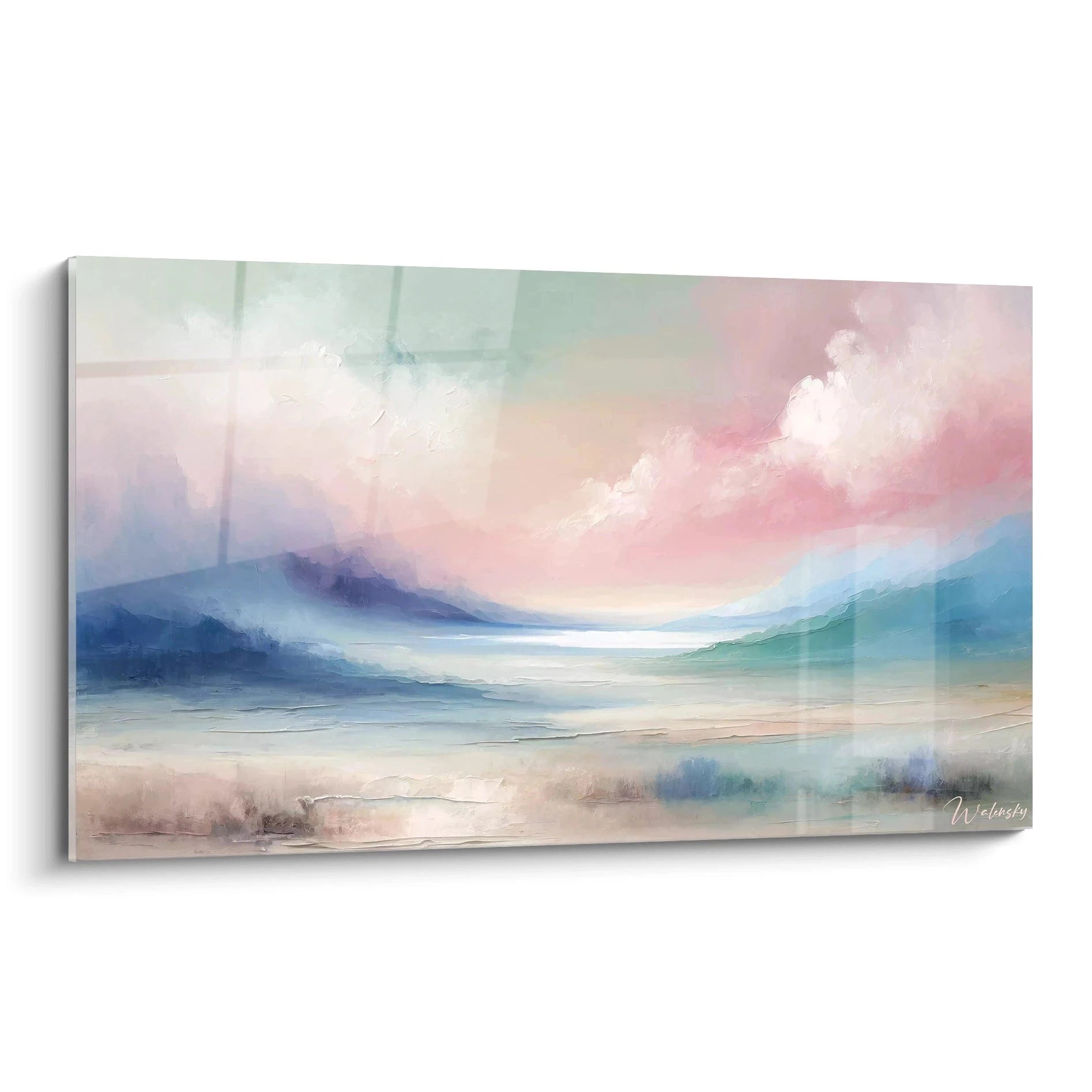


Japanese Cherry Blossom Zen Wall Art
Our Painting Japanese Cherry Blossom Zen collection celebrates the timeless beauty of the Japanese spring flowering. Each artwork captures the essence of Japanese zen decoration with delicate branches adorned with sakura flowers in harmonious compositions. These creations evoke the serenity of traditional gardens and invite meditation. Perfect for creating an Asian zen atmosphere, these artworks transform your space into a haven of peace imbued with Eastern spirituality.
 Scent of Freedom Wall Art - Birds Animals Edition273,90 €
 Birman Cat with Cherry Blossoms Painting - Azure Spring Gaze - Birman Cat Edition273,90 €
 Black Cat on Flowering Branch Wall Art - Japanese Serenity - Bombay Cat Edition242,90 €
 Black Cat on Cherry Blossom Branch Wall Art - Japanese Serenity - Bombay Cat Edition273,90 €
 Siberian Cat Under Cherry Blossoms Painting - Feline Serenity - Siberian Cat Edition273,90 €
 Japanese Cherry Blossom Golf Wall Art - Zenitude on the Green - Golf Edition273,90 €
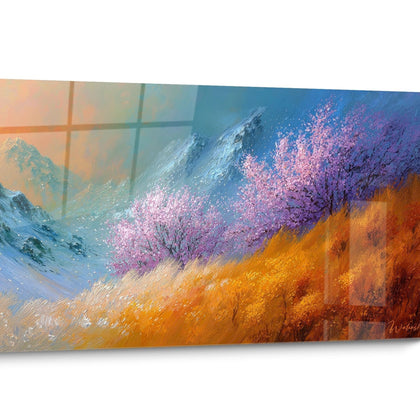
 Mountain landscape painting with cherry blossoms - Glacial Harmony - other landscapes edition273,90 €
 Dancing Cherry Blossom Canvas - landscape edition242,90 €
 Tree of Destiny Painting - Japan Edition273,90 €
 Cherry Blossom Wall Art No. 2 - Nature Edition273,90 €
 Cherry Blossom Wall Art No. 1 - Nature Edition273,90 €
 Japanese Cherry Blossom Wall Art No. 1 - Japan Around the World Edition273,90 €
 Passage Under the Sakura Wall Art - Japanese Asia Edition273,90 €
 Spring Elegance Painting - Chinese Asia Edition273,90 €
 Asian wall art No. 1 - Asia Edition273,90 €
 Flowers and Lanterns Canvas - Zen Edition273,90 €
 Floral Softness Artwork - Zen Edition273,90 €
 Moon Flower Painting - Zen Edition273,90 €
 Petals Poetry Wall Art - Asia Edition273,90 €
 Flower Garden Wall Art - Asia Edition273,90 €
 Flowers in Moonlight Wall Art - Asia Edition273,90 €
 Spring Softness Wall Art - Asia Edition273,90 €
 Mist and Cherry Blossoms Wall Art - Asia Edition273,90 €
 Eternal Bloom Canvas - Asia Edition273,90 €
Explore further
In Japanese Cherry Blossom Zen Wall Art
-
 Japanese Cherry Blossom Wall Art40
artworks
Japanese Cherry Blossom Wall Art40
artworks
-
 Japanese Cherry Blossom Watercolor Canvas3
artworks
Japanese Cherry Blossom Watercolor Canvas3
artworks
-
 Japanese Cherry Blossom Black and White Wall Art7
artworks
Japanese Cherry Blossom Black and White Wall Art7
artworks
-
 Golden Japanese Cherry Blossom Wall Art5
artworks
Golden Japanese Cherry Blossom Wall Art5
artworks
-
 Minimalist Japanese Cherry Blossom Wall Art9
artworks
Minimalist Japanese Cherry Blossom Wall Art9
artworks
-
 Panoramic Japanese Cherry Blossom Wall Art3
artworks
Panoramic Japanese Cherry Blossom Wall Art3
artworks


All about Japanese Cherry Blossom Zen Wall Art
- Japanese Zen Cherry Blossom Wall Art Presentation
- Zen Atmosphere and Serenity
- Symbolism and Philosophy
- Space Harmonization
A Japanese zen cherry blossom wall art represents far more than simple wall decoration: it embodies an ancestral philosophy of life where contemplation and inner balance converge. These artistic creations capture the very essence of Japanese meditation, transforming any space into a sanctuary of tranquility. The alliance between the delicate branches of sakura and zen principles creates a soothing visual synergy, particularly sought after in environments dedicated to deep relaxation and spiritual practice.
Creating a Meditation Sanctuary with Zen Cherry Blossom Art
Installing a Japanese zen cherry blossom wall art in a meditation space responds to millennia-old principles of contemplative design. The refined arrangement of branches promotes the mental emptiness sought during zazen sessions, while the soothing color palette naturally accompanies conscious breathing. Large format dimensions amplify this immersive effect, creating a visual window into a universe of fullness.
How does zen wall art facilitate daily meditative practice?
The minimalist composition of a Japanese zen cherry blossom wall art acts as a neutral focal point, a fundamental element in Buddhist concentration techniques. Unlike exuberant floral representations, these works privilege negative space and suggestion rather than visual saturation. In a yoga studio or personal practice space, this artistic approach reduces disturbing stimuli that scatter attention. Neutral tones and measured contrasts allow the gaze to rest without aggressive interruption, facilitating entry into a deep meditative state. For those seeking an even more understated aesthetic, our collection of minimalist Japanese cherry blossom wall art offers pared-down compositions with essential lines.
The influence of zen compositions on contemplative interior architecture
Large-format Japanese zen cherry blossom wall artworks radically transform the spatial perception of rooms dedicated to reflection. In spaces devoted to holistic therapy, shiatsu studios or reiki rooms, these monumental works create a visual rupture with the outside urban environment. Their silent presence immediately establishes an atmosphere conducive to letting go, where every pictorial element breathes suspended temporality. Branches arranged according to the principles of ma (Japanese harmonious interval) orchestrate a visual rhythm that naturally slows mental pulses. This architectural dimension of zen wall art transcends simple decoration to become a genuine environmental soothing device, particularly effective in wellness centers where the atmosphere must instantly signal the transition toward an altered state of consciousness.
Sensory associations to amplify the zen experience
A large Japanese zen cherry blossom wall art gains depth when integrated into a coherent sensory ecosystem. The addition of sonic elements such as shishi-odoshi fountains or koshi wind chimes creates a synesthetic correspondence with the fluidity of painted branches. Indirect lighting, favoring diffuse light sources positioned laterally, accentuates the three-dimensional quality of zen compositions while preserving their contemplative softness. In spaces dedicated to kyudo or ikebana practice, these artworks become visual references that anchor gestures in coherent philosophy. The discreet olfactory presence of natural incenses like hinoki or sandalwood completes this multisensory orchestration, transforming the contemplation of the artwork into a genuinely immersive holistic experience.
Wabi-Sabi Philosophy and Zen Cherry Blossom Representation
The Japanese zen cherry blossom wall art materializes fundamental concepts of wabi-sabi, this Japanese aesthetic celebrating imperfection and impermanence. Asymmetrical branches and suggested rather than detailed petals embody acceptance of the ephemeral, a central principle in the Buddhist vision of existence. This artistic approach invites meditation on the bittersweet beauty of time's passage, a theme particularly resonant in therapeutic spaces or oriental philosophy libraries.
Why does the zen cherry blossom symbolize emotional detachment?
In zen tradition, sakura represents the ability to let go without resistance, as petals naturally fall without clinging to the branch. A large-format Japanese zen cherry blossom wall art amplifies this existential metaphor, creating a visual support for practicing non-attachment. Compositions privileging bare or partially flowering branches evoke natural cycles of abandonment and renewal, concepts essential to Master Dogen's teachings. This symbolism finds particular resonance in counseling spaces or life transition areas, where the artwork becomes a silent companion to personal transformation. To explore other subtle interpretations, our selection of black and white Japanese cherry blossom wall art highlights duality and the bare essence of this philosophy.
The teaching of mono no aware through zen wall art
The concept of mono no aware, this poignant sensitivity to the evanescence of things, finds its purest expression in Japanese zen cherry blossom wall artworks. Large-scale mural compositions capture that suspended instant when flowering reaches its apex before inevitable decline, a moment charged with beauty tinged with nostalgia. In waiting rooms of oncology centers or hospices, these works offer visual language to accompany reflections on finitude and the preciousness of each moment. The sober color palette, often limited to a few essential nuances, reinforces this meditation on the essential versus the superfluous. Collectors of Japanese philosophy particularly appreciate how these monumental artworks transform an ordinary space into a place of existential contemplation, where each glance at the branches becomes an opportunity to practice mindful awareness of impermanence.
Integration into contemporary mindfulness programs
Modern programs for stress reduction through mindfulness (MBSR) increasingly integrate zen visual supports as complementary therapeutic tools. A Japanese zen cherry blossom wall art then becomes a visual anchor for body scan or conscious breathing exercises. Generous dimensions allow for collective use in practice groups, where each participant can focus attention on a specific element of the composition. This clinical application of zen wall art extends to psychiatric facilities practicing dialectical behavior therapy, where soothing natural imagery supports the development of emotional regulation skills. The permanent visual reference to radical acceptance embodied by the cherry blossom facilitates the integration of Buddhist principles into contemporary Western psychotherapy.
Optimizing Living Spaces with Zen Cherry Blossom Aesthetics
Integrating a Japanese zen cherry blossom wall art into interior architecture requires an understanding of Japanese spatial principles such as ma and shakkei. These concepts of harmonious interval and borrowed landscape guide optimal positioning of large-scale mural compositions to maximize their contemplative impact. In urban lofts or contemporary open spaces, these artworks create zones of visual respite that counterbalance the material density of the modern environment.
Which spaces benefit most from large-scale zen cherry blossom wall art?
Transition spaces such as vestibules, circulation corridors or stairway landings are radically transformed by the addition of monumental Japanese zen cherry blossom wall art. These often-neglected zones become contemplative pauses in daily flow, micro-sanctuaries where the gaze can rest before approaching the next activity. Acupuncture offices and traditional Chinese medicine centers strategically use these works to psychologically prepare patients for energy treatments. In private residences, positioning facing the main bed creates a first focal point in the morning that orients the day's tone toward serenity. Particularly imposing panoramic formats suit the blank walls of co-working spaces or meeting rooms, where they inject a contemplative dimension into potentially stressful environments. Our collection of panoramic Japanese cherry blossom wall art offers formats adapted to these large mural surfaces.
Creating aesthetic continuity across multiple zen spaces
Coherent use of Japanese zen cherry blossom wall artworks throughout different rooms establishes a visual narrative thread that unifies spatial experience. Stylistic variations between rooms allow exploration of different facets of zen aesthetics while maintaining cohesive identity. A residential progression could begin with pared-down compositions in public spaces, evolve toward more contemplative representations in rest areas, and culminate with deeply meditative works in bedrooms or practice studios. This thematic stratification creates emotional progression that occupants experience unconsciously during their daily movements. Interior designers specializing in biophilic design appreciate how these large-format artworks can replace absent natural views in densely packed urban spaces. For those wishing to explore all possibilities offered by this theme, our complete catalog of Japanese cherry blossom wall art presents all available variations.
Dialogue between zen traditions and contemporary Western design
Integrating a Japanese zen cherry blossom wall art into resolutely modern architecture creates a fertile contrast that enriches both aesthetics. The pared-down lines of Scandinavian or brutalist furniture find an organic counterpoint in the natural curves of cherry blossom branches, establishing balance between structural rigor and natural fluidity. This East-West hybridization particularly appeals to contemporary art collectors seeking pieces capable of dialoguing with Western minimalist works. In industrial lofts with raw concrete walls, zen wall art brings contemplative warmth without compromising the architectural integrity of the space. Traditional representation techniques like sumi-e reinterpreted in large format create visual bridges between Japanese artistic history and current aesthetic concerns. For an even more refined approach marrying tradition and modernity, our creations in gold Japanese cherry blossom wall art add a luxurious dimension to zen simplicity.
How does zen wall art transform the emotional acoustics of a space?
Beyond visual impact, a large-scale Japanese zen cherry blossom wall art subtly influences the psychological acoustics of a room. Its silent presence metaphorically absorbs mental turbulence, creating a sensation of ambient emotional noise attenuation. In shared spaces like medical waiting rooms or wellness hotel lobbies, this soothing quality transmits unconsciously to occupants, reducing anxiety and promoting more harmonious interactions. Therapists report that the simple presence of these artworks in their offices decreases the time needed to establish therapeutic alliance, with patients immediately feeling in a benevolent environment. This performative dimension of zen art, where the work actively influences viewers' emotional state, justifies investment in generous formats that maximize this beneficial influence. For those favoring soft chromaticism, our selection of watercolor Japanese cherry blossom wall art offers particularly soothing and fluid nuances.
Is Japanese zen cherry blossom wall art suitable for demanding professional spaces?
Absolutely, professional environments under high pressure such as negotiation rooms, executive offices or creativity spaces greatly benefit from the presence of Japanese zen cherry blossom wall art. These works introduce a contemplative dimension that promotes strategic reflection and decision clarity, qualities essential in high-responsibility contexts. Neuroscience confirms that regular exposure to soothing natural imagery reduces cortisol levels and improves sustained cognitive performance.
What is the durability of large-scale Japanese zen cherry blossom wall art?
Superior-quality Japanese zen cherry blossom wall artworks are designed to traverse decades without notable alteration to their aesthetic qualities. Modern fixing techniques protect pigments from oxidation and UV fading, ensuring that the work's contemplative intensity remains intact. This longevity makes these acquisitions genuine heritage investments, particularly for collectors envisioning intergenerational transmission of pieces charged with philosophical meaning.
How to maintain the visual impact of zen cherry blossom wall art through the seasons?
One advantage of zen compositions lies in their ability to dialogue with seasonal variations in natural light without requiring repositioning. Large formats capture light differently according to solar angles, creating a renewed experience throughout the year. Gentle quarterly dusting suffices to preserve visual clarity, while evolution of potential surrounding vegetation creates natural correspondences enriching contemplation without active intervention.


