


Dutch Shepherd Dog Pop Art Canvas
The Painting Dutch Shepherd Berger Hollandais Pop Art celebrates this exceptional Dutch breed in an explosive and contemporary style. Our Colorful Dutch Shepherd portraits transform this athletic dog into a modern work of art with vibrant and contrasting colors. Each creation highlights the intelligence and bearing of this working breed through a bold pop aesthetic. Perfect for enhancing your interior with an artistic dog decoration, these paintings bring dynamism and character to your living spaces.
 Blue Dutch Shepherd with Amber Eyes on Purple Floral Background Artwork - Color Harmony - Dutch Shepherd Edition273,90 €
 Dutch Shepherd Portrait Colorful Orange Background Painting - Pop Art Canine - Dutch Shepherd Edition273,90 €
 Dog Painting with Blue and Orange Tones on Geometric Background - Modern Portrait - Dutch Shepherd Edition228,90 €
Explore further
In Dutch Shepherd Dog Pop Art Canvas
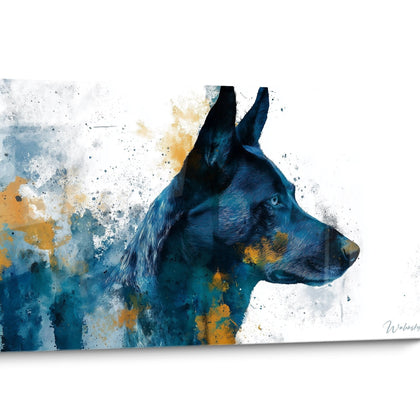
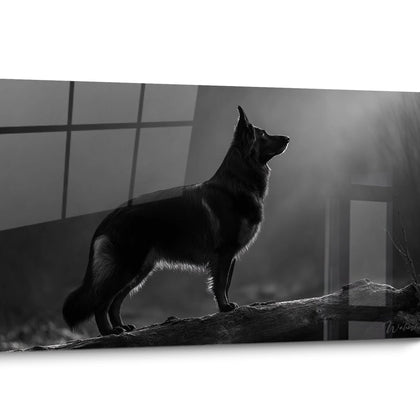
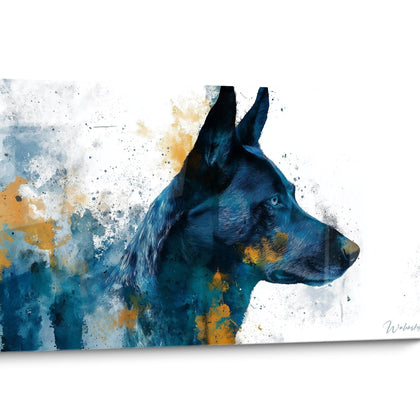
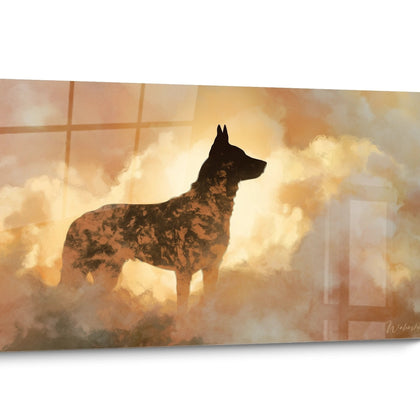
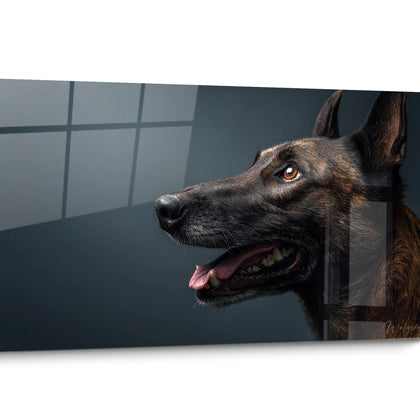
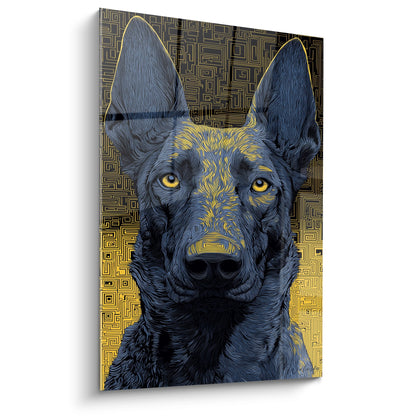
All about Dutch Shepherd Dog Pop Art Canvas
- Presentation Painting Dutch Shepherd Pop Art
- Chromatic Explosion & Visual Energy
- Artistic Movement & Canine Character
- Decorative Ambiance & Spatial Dynamism
The painting Dutch Shepherd Pop Art embodies a fascinating encounter between the intensity of an emblematic working breed and the graphic boldness of a revolutionary artistic movement. This wall creation transforms the recognizable physiognomy of the Dutch Shepherd into a visual explosion of saturated colors and striking contrasts, simultaneously capturing the exuberant energy of this athletic dog and the subversive spirit of Pop Art. Unlike traditional representations focused on anatomical fidelity, this artistic interpretation favors immediate emotional impact through blocks of vibrant colors, graphic repetitions inspired by Warhol, and a stylization that transforms the piercing gaze of the Dutch Shepherd into a true visual statement. Each composition exploits the distinctive morphological characteristics of this Dutch breed – its constantly erect ears, its alert expression, its slender musculature – to create graphic patterns instantly recognizable even under the radical chromatic transformation characteristic of Pop Art.
Chromatic Explosion at the Service of Canine Intensity
The Dutch Shepherd Pop Art painting is fundamentally based on an exacerbated color palette that transcends the natural brindle coat of this working breed. Electric hues – incandescent fuchsia, hypnotic cyan, screaming yellow, flamboyant orange – replace the traditional gold and silver tones of the Dutch Shepherd's coat to create maximum visual tension. This intentional color saturation amplifies the behavioral intensity characteristic of the Dutch Shepherd, visually translating its hyperactive temperament and constant vigilance into chromatic discharges that capture attention from several meters away.
What colored contrasts reveal the athletic power of the Dutch Shepherd?
The most impactful compositions exploit juxtapositions of complementary colors to emphasize the prominent musculature and angular skeleton of the Dutch Shepherd. A treatment in deep purple against lemon yellow accentuates the muscle definition visible through the short coat, while emerald green segments opposed to magenta zones intensify the perception of suspended movement. This particular graphic technique transforms the functional anatomy of the working dog into dynamic visual architecture, each muscle becoming a distinct color block that dialogues with the adjacent areas.
Serial Repetition and Visual Identity of the Dutch Shepherd
Some creations adopt the Warholian technique of image multiplication to generate a hypnotic effect. Four to nine portraits of the same Dutch Shepherd, each treated in a radically different color range, create a visual narrative on the multiplicity of behavior of this versatile breed. This serial approach particularly resonates with Dutch Shepherd owners who recognize their companion's ability to instantly switch from alert mode to playful mode, each color variation embodying a distinct behavioral facet. To explore other artistic interpretations of this Dutch breed, the paintings Dutch Shepherd offer a diversity of complementary styles to suit different aesthetic preferences.
Fragmentation Effects and Perception of Movement
Advanced compositions incorporate deliberate pixelation or geometric fragmentation effects that simultaneously evoke the digital aesthetic of contemporary Pop Art and the lightning speed characteristic of a Dutch Shepherd in action. Segments of the portrait decompose into squares of pure color, creating an impression of controlled disintegration that visually translates the explosion of energy released when this working dog launches. This technique also generates a surprising optical depth, some areas seeming to advance towards the viewer while others recede, mimicking the muscular relief and three-dimensionality of the canine subject.
Pop Art Heritage and Dutch Shepherd Character
The alliance between the rebellious spirit of Pop Art and the functional nobility of the Dutch Shepherd creates a productive conceptual tension. Where Pop Art of the 1960s diverted the icons of mass consumption and popular culture, the Pop Art Dutch Shepherd painting elevates a traditionally Dutch working dog associated with police forces and protection missions to the status of a bold decorative icon. This transformation subtly questions the boundary between canine utilitarianism and aesthetic celebration, between working tool and object of admiration.
How does Pop Art capture the intense facial expression of the Dutch Shepherd?
The gaze of the Dutch Shepherd constitutes a central element of its behavioral identity – concentrated, evaluative, perpetually analyzing its environment. The most successful Pop Art creations isolate and amplify this ocular intensity through specific graphic techniques: thick black outlines like comic books that accentuate the almond shape of the eyes, pupils treated in blocks of pure white creating a supernatural luminosity effect, or multiplication of eyes from different angles to evoke the constant visual sweep characteristic of this vigilant breed. This stylization transforms the canine gaze into a true magnetic focal point.
Color blocks and silhouette of the Dutch Shepherd dog
The silhouette of the Dutch Shepherd presents distinctive morphological characteristics perfectly suited for color block treatment: erect triangular ears, slightly descending topline, deep chest, slender and muscular limbs. Pop Art compositions segment this anatomy into contrasting chromatic zones that emphasize the natural geometric construction of the breed. A typical treatment could present the head in electric blue, the chest in bright yellow, the hindquarters in fuchsia pink, each segment delimited by sharp graphic outlines that simultaneously recall screen printing techniques and the functional morphology of the working dog. Lovers of more subdued representations will also appreciate the black and white Dutch Shepherd paintings which prioritize clean contrast.
Graphic energy and hyperactive temperament
The Dutch Shepherd is recognized among dog breeds for its exceptional energy level and constant need for mental and physical stimulation. Pop Art compositions translate this behavioral effervescence through dynamic graphic elements: stylized speed lines evoking movement, doubling effects suggesting the speed of displacement, backgrounds treated in stripes or spirals generating a sensation of rotation or vibration. This controlled visual agitation perfectly reflects the impossibility for this breed to remain still, transforming a behavioral characteristic into a fundamental aesthetic principle.
Spatial Transformation and Decorative Dynamism of Canine Pop Art
Integrating a Dutch Shepherd dog painting in a Pop Art style into a residential or professional environment immediately generates a spatial upheaval. The generous dimensions of these wall decorations – often offered in panoramic or imposing square formats – combined with the chromatic intensity of the Pop Art compositions, create visual anchor points that completely restructure the perception of a room. This decorative presence affirms a bold aesthetic positioning incompatible with conventional decorative neutrality.
What kind of decorative atmosphere does a Dutch Shepherd in Pop Art version create?
The spatial effect generated by these wall decorations far exceeds the simple occupation of a wall surface. The characteristic chromatic explosion of Pop Art projects colorful echoes into the surrounding space, influencing the perception of adjacent decorative elements. In a contemporary interior with clean lines, the painting introduces a calculated dose of irreverence and vitality that humanizes minimalist austerity. In a more eclectic space, it acts as a unifying element that connects disparate decorative choices through its dominant visual intensity. This ability to transform the atmosphere of a room paradoxically reflects the impact that a living Dutch Shepherd generates in a home through its energetic presence and imposing temperament.
Chromatic dialogues with furniture and textiles
The saturated tones of Pop Art establish unexpected chromatic conversations with existing decorative elements. An emerald velvet sofa resonates with the green segments of a multicolored composition, creating a visual thread throughout the space. Cushions in orange tones dialogue with the flamboyant areas of the canine portrait. This ability to chromatically activate the environment fundamentally distinguishes the Pop Art painting from more discreet approaches. For those who prefer a different sophistication, gold Dutch Shepherd paintings offer a complementary metallic elegance, while geometric Dutch Shepherd paintings explore alternative structured compositions.
Why is Pop Art suitable for dynamic professional spaces?
Professional environments seeking a distinctive visual identity – technology startups, creative agencies, specialized veterinary clinics – frequently adopt these wall decorations for their ability to simultaneously communicate energy, innovation, and an unconventional approach. The specific choice of a Dutch Shepherd rather than a more common breed adds a dimension of canine sophistication that avoids cliché, this Dutch breed remaining relatively unknown to the general public while benefiting from immediate recognition among canine connoisseurs. This duality – visual accessibility through Pop Art, specificity through breed choice – creates an optimal communication balance for professional spaces wishing to assert a distinctive identity.
Perceptual evolution and visual fatigue
Unlike monochromatic compositions that can become invisible through familiarity, Pop Art paintings maintain a renewed visual presence thanks to their chromatic complexity. The eye constantly discovers new interactions between colored areas depending on the lighting, time of day, or simply the angle of observation. This evolving perceptual richness prevents decorative fatigue and justifies the investment in generous formats that gradually reveal their compositional subtleties. Lovers of more subtle nuances may also consider Dutch Shepherd watercolor paintings for a fluid chromatic approach, or Dutch Shepherd portrait paintings emphasizing individual expression.
Is a Pop Art painting suitable for all interior styles?
The Dutch Shepherd Pop Art painting naturally integrates into contemporary, industrial, modernized Scandinavian, or assumedly eclectic interiors. Its strong chromatic personality, however, can create a productive dissonance in classic or traditional environments, generating a deliberate contrast between decorative heritage and contemporary artistic intervention. This tension can become a conscious aesthetic choice for those wishing to energize conventional spaces.
What size should you choose to maximize the impact of a Pop Art painting?
Generous formats – from 90x60 cm and ideally beyond 120x80 cm – allow Pop Art compositions to fully deploy their chromatic complexity and spatial presence. Imposing dimensions also correspond to the actual athletic stature of the Dutch Shepherd, creating a conceptual correspondence between the subject represented and the scale of representation. In professional spaces or spacious living rooms, panoramic formats exceeding 150 cm generate an optimal impact.
How does Pop Art translate the personality of the Dutch Shepherd?
The chromatic intensity, graphic dynamism, and compositional boldness of Pop Art remarkably correspond to the distinctive behavioral traits of the Dutch Shepherd: overflowing energy, sharp intelligence, affirmed presence, functional versatility. This convergence between artistic form and canine character creates a conceptual coherence that goes beyond simple visual representation to achieve an aesthetic translation of temperament, making these creations particularly meaningful for owners and admirers of this exceptional Dutch breed.
L'art qui suscite l'envie
Maison belge d'art mural grand format
14 jourspour changer d'avis*
Protection Walenskyincluse
Fabriquéen Italie
FormatXXL
Kit de fixationtoujours fourni
* Hors tableaux personnalisés et tailles personnalisées


