









Dutch Shepherd Dog Black and White Wall Art
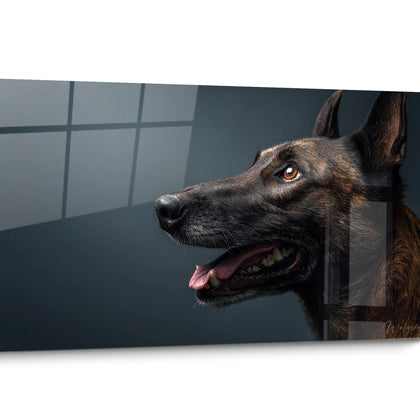
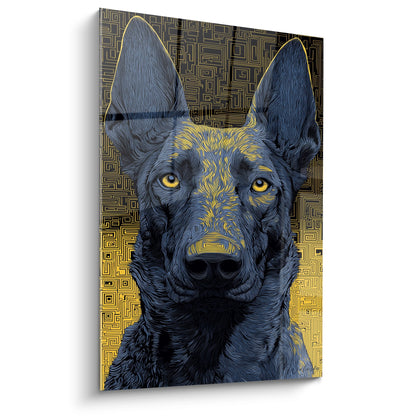
The Painting Dutch Shepherd Dog Black and White celebrates the elegance of this exceptional Dutch breed. Perfect for lovers of monochrome dog decoration, this artistic universe highlights the nobility and distinctive character of the Dutch Shepherd. Each creation captures the intensity of the gaze and the bearing of this remarkable working dog. Ideal for enhancing your interior with a touch of Dutch animal art, this collection brings refinement and authenticity to your living spaces.
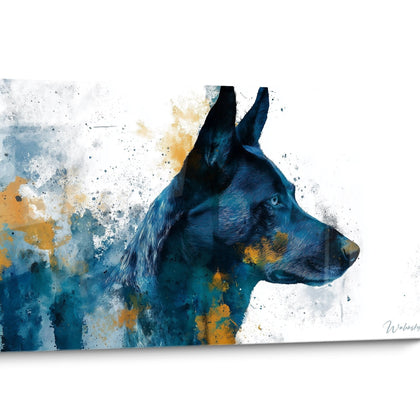
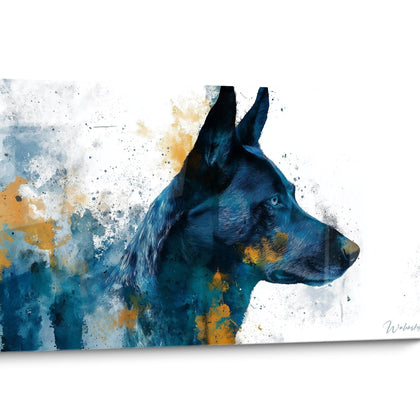
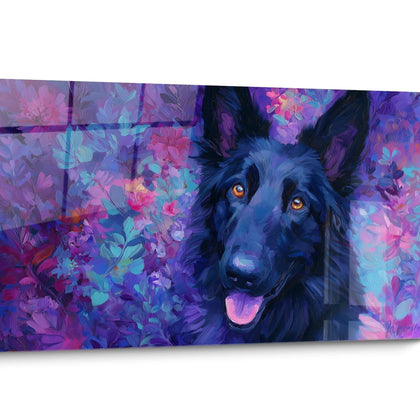
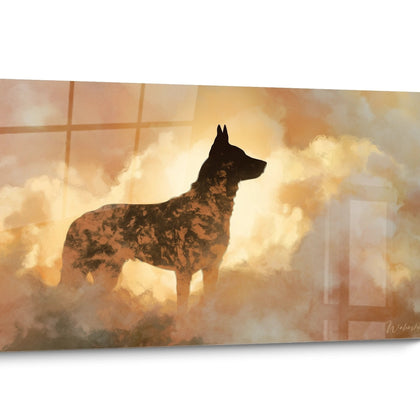
 Dutch Shepherd Silhouette Wall Art Black and White - Noble Gaze - Dutch Shepherd Edition273,90 €
 Dutch Shepherd Black and White Portrait Painting Artistic - Canine Elegance - Dutch Shepherd Edition273,90 €
 Dutch Shepherd Portrait Black and White - Piercing Gaze - Dutch Shepherd Edition228,90 €
Explore further
In Dutch Shepherd Dog Black and White Wall Art
All about Dutch Shepherd Dog Black and White Wall Art
- Presentation Painting Dutch Shepherd Black and White
- Monochrome Aesthetics
- Interior Decoration
- Buying Guide
The painting dog Dutch Shepherd black and white celebrates the timeless elegance of this exceptional Dutch breed through a refined monochrome interpretation. This artistic approach highlights the natural contrasts of the characteristic brindle coat of the Dutch Shepherd, transformed into sophisticated shades of gray that capture the intensity of the gaze and the athletic musculature of this working dog. The restricted black and white palette gives the representation a sculptural dimension, emphasizing the pure lines and noble posture of this little-known Dutch breed. These large-format wall creations are aimed at enthusiasts of this specific breed, collectors of monochrome animal art, and lovers of minimalist decoration seeking a strong piece with character. The absence of color intensifies the facial expression of the Dutch Shepherd and accentuates the dense texture of its coat, creating a contemplative work that transcends simple photographic representation to reach a refined artistic dimension.
Monochrome Art in Service of the Dutch Breed
The painting dog Dutch Shepherd black and white masterfully exploits chromatic restriction to reveal the morphological complexity of this Dutch breed. Unlike colored representations that disperse attention, the monochrome approach focuses the gaze on the structural elements: the triangular geometry of the erect ears, the muscular curve of the powerful neck, and above all the penetrating intensity of the amber gaze transposed into luminous shades of gray.
Why does black and white enhance the brindle coat of the Dutch Shepherd?
The characteristic brindle striped coat of the Dutch Shepherd, with its golden and silver stripes on a dark background, finds a spectacular translation in black and white. Artists specializing in this breed use cross-hatching and subtle gradations to reproduce the dense texture and striated structure of the short hair. This monochrome interpretation eliminates chromatic distraction and reveals the natural geometric patterns of the coat, creating a hypnotic visual effect that evokes ancient engravings while retaining graphic modernity. For collectors who also appreciate other styles, the geometric painting dog Dutch Shepherd offers a complementary alternative exploring the angular shapes of the breed.
Dramatic contrasts and sculptural depth
The use of deep black and pure white creates dramatic contrasts that literally sculpt the silhouette of the Dutch Shepherd in the pictorial space. The shadow areas under the muzzle, around the expressive eyes and along the dorsal musculature generate a striking three-dimensionality. This approach transforms the flat surface into perceived volume, particularly effective on monumental formats where the animal seems to emerge physically from the support. The infinite tonal variations between absolute black and luminous white allow to capture simultaneously the softness of the undercoat and the protective roughness of the cover coat.
Symbolism of monochrome in contemporary canine art
The deliberate choice of black and white to represent the Dutch Shepherd is in line with an artistic tradition that values essence over superficial appearance. This reduced palette evokes animal photography, traditional Japanese prints, and modernist graphic design, giving the monochrome Dutch Shepherd painting a timelessness that transcends fleeting decorative trends. For the buyer seeking a lasting work, this chromatic sobriety guarantees a harmonious integration into evolving environments. Lovers of more expressive representations can discover the Dutch Shepherd Pop Art painting which offers an opposing chromatic approach.
Decorative Integration of the Monochrome Dutch Shepherd Painting
Where to position a black and white Dutch Shepherd painting in a contemporary interior?
The black and white Dutch Shepherd painting in large format finds its ideal place in areas of high traffic where its visual impact can be fully appreciated. Spacious entrances particularly benefit from this noble canine presence which welcomes visitors and residents with benevolent authority. In home offices, the watchful concentration of the Dutch Shepherd captured in monochrome inspires focus and determination, while its neutral palette does not interfere with professional activities. Minimalist living rooms with immaculate white or pearl gray walls receive this type of work as a main focal point, creating a powerful visual anchor without chromatic saturation.
Harmonious decorative associations with canine monochrome
The universality of black and white allows for bold decorative associations impossible with colored works. The monochrome Dutch Shepherd painting harmoniously coexists with natural wood furniture whose grains and knots echo the textures of the fur, with chrome or brushed steel metal elements that reflect its graphic modernity, or with textured textiles (raw linen, bouclé wool, grained leather) that create a tactile dialogue with the representation of the dense hair. In pure Scandinavian interiors, this work brings the emotional warmth of an animal presence without compromising Nordic sobriety. For those who appreciate softer renderings, the Dutch Shepherd watercolor painting offers an alternative with more fluid contours.
Spatial amplification by large-format monochrome
Contrary to popular belief, a large-size monochrome work does not visually weigh down the space but structures and amplifies it. The gaze of the Dutch Shepherd directed outside the frame creates a directional dynamic that guides visual circulation in the room. The bright white areas of the composition reflect natural light, noticeably lightening the environment, while the deep blacks create visual anchor points that define architectural volumes. In open-plan loft spaces, this type of painting subtly defines functional areas without physical partitions, the Dutch Shepherd symbolically watching over its pictorial territory.
Complementarity with architectural lighting
The black and white painting Dutch Shepherd reacts spectacularly to daily lighting variations. Morning direct light accentuates the whites and softens the contrasts, creating a contemplative atmosphere, while twilight indirect lighting intensifies the blacks and gives the animal an almost sculptural presence. Installing rails with adjustable spotlights allows you to dramatically modulate the appearance of the work according to the desired moments and atmospheres. To discover the full range of artistic interpretations of this breed, the painting dog Dutch Shepherd presents all available variations.
Select the Black and White Dutch Shepherd Painting Ideal
Quality criteria for optimal monochrome rendering
Acquiring a black and white Dutch Shepherd painting requires particular attention to the technical details that differentiate an ordinary reproduction from an exceptional work. The depth of the blacks is the first indicator: a true, dense and velvety black, not grayish or faded, guarantees that the shadows of the fur and background will retain their dramatic intensity even after several years of exposure. Intermediate tonal graduation represents the second essential criterion: the eye must be able to distinguish at least fifteen to twenty shades of gray between absolute black and pure white, allowing for subtle modeling of musculature, skin folds, and variations in hair density. Bright whites should have a slight sheen without glare, capturing the natural reflections of healthy fur.
How to identify a representation of a faithfully anatomically correct Dutch Shepherd?
Demanding enthusiasts of this specific Dutch breed will seek precise morphological markers. Body proportions should reflect the FCI standard: body slightly longer than tall, deep chest reaching to the elbows, well-marked rear angulation characteristic of athletic herding dogs. Facial expression deserves particular attention: the authentic Dutch Shepherd has a direct, alert but non-aggressive gaze, with slightly oblique almond-shaped eyes that convey the breed's lively intelligence and natural vigilance. Triangular ears, carried firmly erect and proportionate to the head, are a major identifying element. For those who appreciate a classic realistic approach, the portrait painting dog Dutch Shepherd favors photographic fidelity.
Monumental formats and maximum visual impact
Generous dimensions radically transform the experience of the monochrome Dutch Shepherd painting. A format exceeding 100 centimeters in width allows you to appreciate the meticulous details of the fur: each hair seems individualized, the tactile whiskers appear in fine graphic detail, the textured paw pads reveal their structure. This monumental scale also creates an amplified emotional presence: the Dutch Shepherd is no longer simply represented but truly present in the living space, establishing a striking visual contact with the occupants. For collectors seeking a different chromatic sophistication, the painting dog Dutch Shepherd golden offers a luminous alternative with warm tones.
Durable investment in monochrome canine art
Acquiring a black and white Dutch Shepherd painting represents a particularly lasting decorative investment. The intrinsic timelessness of monochrome guarantees lasting aesthetic relevance, independent of fleeting color trends. This chromatic neutrality also facilitates future decorative evolutions: changes in wall paint, furniture renewal, or textile modifications will never affect the visual harmony of the artwork. For enthusiasts wishing to build a themed collection around the Dutch Shepherd, the monochrome approach establishes a consistent foundation that can be complemented by varied stylistic interpretations, creating a unified ensemble while offering stimulating artistic diversity.
Is a black and white Dutch Shepherd painting suitable for colorful interiors?
Absolutely. The chromatic neutrality of black and white acts as a soothing element in environments saturated with bright colors, creating a sophisticated visual resting point. The monochrome harmoniously dialogues with all palettes, from soft pastel tones to bold saturated hues, without ever creating chromatic conflict. This unique versatility allows for the visual anchoring of eclectic décors that benefit from a strong and neutral presence.
What is the difference between a black and white Dutch Shepherd painting and a framed photograph?
The fundamental distinction lies in artistic interpretation rather than mechanical reproduction. The artist selects, accentuates, and stylizes the characteristic elements of the breed, creating an idealized representation that captures the essence of the Dutch Shepherd rather than its circumstantial appearance. Painting techniques (visible brushstrokes, textures, amplified contrasts) impart a tactile and emotional dimension absent from standard photography, transforming observation into an enriched aesthetic experience.
Does the black and white Dutch Shepherd painting require any special maintenance?
Professional-grade monochrome artworks have the advantage of exceptional pigment stability. The carbon blacks and titanium whites used in high-end reproductions remarkably resist photolytic fading, preserving their initial contrast for decades. Gentle dusting every three months with a dry microfiber cloth is generally sufficient, simply avoiding prolonged direct exposure to intense summer sun, which over the very long term could alter the most subtle intermediate nuances.


