


Colored Amedeo Modigliani Inspired Portrait Wall Art
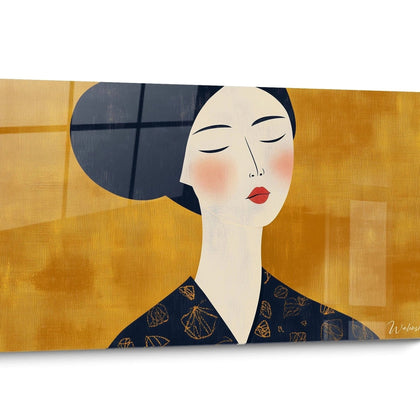
The Painting inspiration Amedeo Modigliani Colorful Portrait celebrates the essence of Italian modern art with its elongated figures and inimitable style. This collection captures the elegance of colorful portraits in the Modigliani style , characterized by their elongated faces, graceful necks, and deep gazes. Vibrant hues reinvent the master's work, offering an expressive modern art wall decoration that enhances your interior with refinement and character.
 Painting Inspired by Head of Amedeo Modigliani No. 2 – Tribute to Renowned Artist273,90 €
 Painting Inspired by Amedeo Modigliani Head N°3 – Homage to a Famous Artist273,90 €
 Painting Inspired by The Beautiful Roman Woman by Amedeo Modigliani No.3 – Tribute to Celebrated Artist273,90 €
 Painting Inspired by The Beautiful Roman Woman by Amedeo Modigliani N°1 – Tribute to Celebrated Artist273,90 €
Explore further
In Colored Amedeo Modigliani Inspired Portrait Wall Art


All about Colored Amedeo Modigliani Inspired Portrait Wall Art
- Presentation Modigliani Portrait
- The colorful Modigliani aesthetic
- Visual and chromatic impact
- Decorative integration of a colorful portrait
The wall creations inspired by Amedeo Modigliani are part of an artistic approach that reinterprets the legacy of the Italian master while imbuing it with a contemporary chromatic dimension. These revisited portrait representations combine the timeless elegance of the elongated faces characteristic of his style with an enriched palette, offering a vibrant alternative to the usually subdued tones associated with the Livorno artist. The generous dimension of these wall compositions allows you to fully appreciate the subtleties of expression and the color sensitivity of these modern reinterpretations that dialogue with demanding residential and professional spaces.
The Modiglianesque heritage revisited by color
Modigliani's visual signature rests on a delicate geometrization of faces, a stylization of slender necks, and a contemplative melancholy that transcends time. When this aesthetic meets an amplified chromatic palette, it opens a fascinating dialogue between heritage respect and contemporary boldness. The colorful portraits inspired by this heritage retain the original formal syntax while releasing a chromatic energy that transforms the visual experience.
Why choose a colored interpretation rather than a monochrome reproduction?
The color-enhanced versions extend Modigliani's emotional intention while adapting it to current decorative sensibilities. This chromatic approach amplifies the psychological dimension of the elongated faces, each shade participating in the narrative construction of the portrait. Backgrounds of ocher can give way to deep blues, vibrant roses, or emerald greens that dialogue with the carnations, creating a renewed emotional depth. This reinterpretation allows buyers looking for a painting inspired by Amedeo Modigliani in color to benefit simultaneously from the referential prestige and a vibrancy adapted to contemporary interiors.
The formal characteristics of the colored Modiglianesque portrait
The immediate recognizability of these compositions rests on several distinctive visual markers: the exaggeratedly elongated facial oval, the eyes often empty or simplified which confer a mysterious universality, the fluid linearity of the contours, and this posture between frontality and a slight inclination. When these structural elements meet an expanded chromatic palette, they generate a productive tension between stylistic familiarity and colorful surprise. Collectors exploring a painting inspired by Amedeo Modigliani in color discover how chromatic saturation can amplify the melancholic introspection without betraying it.
The psychology of color applied to modernist portraiture
Each color choice in these portrait reinterpretations engages a specific emotional reading. Warm tones intensify the carnal presence and vitality of the figures, while cool ranges accentuate the characteristic contemplative distance. This chromatic orchestration transforms the portrait into a total sensory experience, where the viewer establishes an immediate emotional connection before even consciously identifying the artistic reference. For demanding professional spaces or refined residential interiors, this psychochromatic dimension constitutes a major decision-making lever in the selection of a large-scale wall piece.
Monumental presence and chromatic saturation
The generous dimensions characteristic of these contemporary wall compositions significantly amplify the visual impact of chromatic choices. On a substantial surface, every tonal variation becomes perceptible, each nuance contributes to the construction of a specific atmosphere that literally transforms the surrounding spatial ambiance. This monumentality allows for a chromatic immersion that reduced formats cannot offer.
How does the large dimension transform the perception of Modiglianesque colors?
At architectural scale, Modigliani-inspired portraits deploy a presence that modifies the spatial and luminous perception of their environment. The colored planes function as chromatic panels that dialogue with natural and artificial light sources throughout the day. A deep blue background will absorb morning and evening light differently, creating subtle atmospheric variations. This lumino-chromatic dynamic constitutes an essential acquisition criterion for high-end residential spaces or professional environments seeking a distinctive visual signature.
The balance between stylized face and chromatic background
In large-format, colorized Modiglianesque portraits, the relationship between the figure and its chromatic environment becomes a crucial compositional element. Unlike modest formats where the face dominates, monumental versions establish a balanced dialogue between the character and their chromatic universe. This interaction generates an additional narrative depth: the background ceases to be neutral to become emotional context, psychological extension of the portrait itself. Informed buyers seeking a colorful Amedeo Modigliani-inspired portrait appreciate this compositional complexity that enriches the daily contemplative experience.
Which spaces benefit most from a monumental colorful portrait?
Environments with generous volumes constitute the natural setting for these large-scale compositions. Entrance halls benefiting from substantial ceiling heights allow for a total understanding of the verticality characteristic of Modiglianesque portraits. Residential or professional reception areas benefit from the contemplative presence imposed by a large-scale stylized face, instantly creating a conversational focal point. Private libraries and intellectual workspaces particularly resonate with the melancholic introspection of these figures, while chromatic vibrancy prevents any excessive austerity. This contextual versatility explains the growing attractiveness of these reinterpretations among demanding clients seeking referential sophistication and visual vitality.
Cultural insertion and heritage enhancement
Acquiring a contemporary reinterpretation of a colorized Modiglianesque portrait is a cultural act that transcends simple wall decoration. This approach is in line with a centuries-old tradition of dialogue between artistic eras, where each generation reinvests the heritage according to its own sensitivity. Collectors who favor these wall compositions demonstrate an aesthetic awareness that simultaneously values cultural recognition and affirmation of contemporary singularity.
The cultural legitimacy of chromatic reinterpretations
The history of art is full of examples where later artists have revisited earlier masters, bringing their own visual grammar. Colorized Modiglianesque portraits fit into this creative genealogy, offering an augmented reading rather than a servile reproduction. This approach respects the original formal syntax while enriching it with a chromatic dimension that responds to contemporary sensory expectations. For cultured residential spaces or professional environments with a strong cultural identity, this double referentiality constitutes a major distinctive asset.
How does a colorized Modigliani portrait dialogue with other artistic references?
Integrating such a portrait into an environment already rich in artistic references requires reflection on formal and chromatic correspondences. The clean lines characteristic of Modigliani harmonize harmoniously with the modernist furniture of the mid-20th century, creating a transversal stylistic coherence. The extended color palette allows for colorful echoes with other decorative elements: textiles, ceramics, lighting. This dialogic ability transforms the portrait into a unifying element of a thoughtful decorative ensemble, rather than an isolated piece.
Symbolic investment and social distinction
Beyond their decorative function, these monumental wall compositions signal a cultural belonging and educational refinement. Recognizing the Modiglianesque reference while appreciating its contemporary reinterpretation testifies to a developed visual culture. In high-end professional spaces, this symbolic dimension contributes to the construction of a sophisticated corporate identity. For private residences, it manifests an assumed cultural positioning that distinguishes without ostentation. This symbolic value, combined with the immediate visual impact, explains the sustained demand for these portrait reinterpretations among a demanding clientele.
Frequently Asked Questions about Colorful Modigliani Portraits
Does a colorized Amedeo Modigliani-inspired portrait suit minimalist interiors?
Absolutely, the geometric stylization and clean composition of Modiglianesque portraits harmonize perfectly with minimalist environments. The chromatic dimension adds a touch of vitality without compromising the overall sobriety, functioning as a controlled accent rather than a decorative overload.
Do these colored reinterpretations preserve the original melancholic essence?
The contemplative melancholy characteristic of Modigliani resides mainly in the formal construction of the faces and their introspective expression, elements preserved in the colorized versions. The enriched color palette modulates this melancholy without dissolving it, offering a broadened emotional range from nostalgic reverie to serene presence.
What is the optimal distance to fully appreciate a monumental portrait inspired by Modigliani?
Generous formats require sufficient distance for a global understanding of the composition, ideally between three and five meters. This distance simultaneously allows grasping the overall harmony and perceiving the chromatic subtleties, creating a complete visual experience that evolves according to the viewer's position in space.


