


Amedeo Modigliani Inspired Colorful Expressionism Wall Art
Our Painting inspired by Amedeo Modigliani Colorful Expressionism collection celebrates the unique elegance of the Italian master. Discover portraits with elongated faces and expressive colors characteristic of expressionism, where artistic sensitivity meets chromatic boldness. Each creation captures the essence of modern figurative art with vibrant nuances and refined forms. Perfect for creating a refined and artistic atmosphere, this collection transforms your walls into a contemporary art gallery.
 Painting Inspired by Head of Amedeo Modigliani No. 2 – Tribute to Renowned Artist273,90 €
 Painting Inspired by Amedeo Modigliani Head N°3 – Homage to a Famous Artist273,90 €
 Painting Inspired by The Beautiful Roman Woman by Amedeo Modigliani No.3 – Tribute to Celebrated Artist273,90 €
 Painting Inspired by The Beautiful Roman Woman by Amedeo Modigliani N°1 – Tribute to Celebrated Artist273,90 €
Explore further
In Amedeo Modigliani Inspired Colorful Expressionism Wall Art
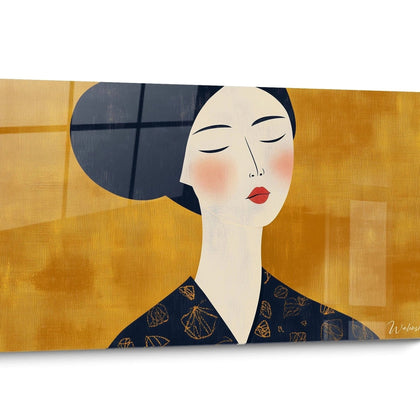


All about Amedeo Modigliani Inspired Colorful Expressionism Wall Art
- Expressionism Modigliani Presentation
- Expressionist Chromaticism
- Colorful Melancholy
- Decorative Impact
The paintings inspired by Amedeo Modigliani expressive colors represent a bold reinterpretation of the Italian master's aesthetics. These large-scale wall art pieces capture the essence of the elongated portraits characteristic of his style while intensifying the color palette towards vibrant and emotionally charged tones. The combination of Modigliani's signature style - his oval faces, elongated necks, enigmatic gazes - and the chromatic intensity of expressionism creates a particularly striking visual synergy for contemporary spaces. This aesthetic fusion is aimed at collectors seeking the formal sophistication of Parisian modernism enriched with an amplified emotional dimension through color.
Chromatic Intensification of Modigliani Aesthetics
The approach to the paintings inspired by Amedeo Modigliani colorful expressionism is based on a deliberate amplification of the originally restrained palette of the Livornese painter. Where Modigliani favored ochres, Sienna earths, and nuanced flesh tones, this expressionist interpretation introduces chromatic saturations that radically transform the emotional impact of the work. Electric blues replace neutral backgrounds, vermilion reds energize complexions, while cadmium yellows illuminate the backgrounds with an almost Fauvist intensity.
How does chromatic saturation transform Modiglian portraits?
This colored intensification is not merely a superficial decoration but operates as a genuine semantic reconfiguration of the work. Modigliani's melancholic portraits, characterized by their contemplative interiority, acquire, under this expressionist re-reading, a dimension of emotional exaltation that dialogues with contemporary large-scale wall formats. Chromatic contrasts accentuate the geometrization of forms, creating visual tensions that immediately capture attention in prestigious residential or professional spaces.
The balance between stylistic fidelity and chromatic reinvention
The success of these interpretations rests on a delicate balance: preserving the characteristic elongation of the figures, the geometric simplification of the faces, the stylization of the almond-shaped eyes while injecting a chromatic energy foreign to the original aesthetics. This dialectic between formal recognition and color surprise generates a layered visual experience, where the viewer instantly identifies the Modiglian reference while discovering a hitherto unknown expressive dimension. The paintings inspired by Amedeo Modigliani colorful thus form a bridge between modernist tradition and contemporary sensibility.
What expressionist palettes sublimate the Modiglian legacy?
The chromatic harmonies favored in these reinterpretations are inspired by German expressionist movements and French Fauves. Complementary chords - vibrant oranges against deep blues, saturated purples opposed to luminous yellows - create dynamic tensions that amplify the wall presence of these large-scale compositions. This chromatic approach transforms each painting into a true visual statement, capable of architecturally structuring a high-end residential space or a demanding professional environment.
Emotional Translation through Colored Expressionism
The paintings inspired by Amedeo Modigliani colorful expressionism create a fascinating emotional translation: they transform the introspective melancholy characteristic of the Italian painter into a vibrant chromatic affirmation. This metamorphosis does not betray the Modiglian spirit but reveals a potential facet, as if the master's silent characters had suddenly found a colored voice to express their inner torments. Expressionism acts here as an emotional amplifier, making visible and tangible what the originals suggested through posture and gaze.
Why does expressionism amplify the psychological dimension of portraits?
The use of unnatural colors - faces with green or bluish hues, backgrounds with passionate reds - functions as a visible emotional map. These chromatic choices visually translate the psychological states that Modigliani expressed through the elongation of forms and the absence of detail in the pupils. A portrait with purple and orange hues instantly communicates an inner tension, an emotional urgency that the large-scale formats further amplify. This approach perfectly meets contemporary decorative expectations that prioritize works with an immediate strong visual impact.
Chromatic strategies of expressionism applied to Modigliani
The creators of these interpretations employ several distinct expressionist strategies. Some compositions favor simultaneous contrasts, juxtaposing complementary tones that vibrate optically and generate a dynamic visual instability. Others adopt saturated monochromatic harmonies - a portrait entirely declined in variations of intense blues or deep reds - creating an immersive and emotionally coherent atmosphere. A third approach fragments the background into distinct chromatic zones, creating tension between the unitary figure and a fragmented colored environment that metaphorizes modern psychological fragmentation.
How do these works dialogue with contemporary interiors?
These large-scale paintings function as master pieces capable of redefining the atmosphere of an entire space. Their double identity - recognizable historical reference and contemporary chromatic boldness - allows them to integrate as well into interiors with minimalist design furniture as into more eclectic environments. A painting inspired by Amedeo Modigliani colorful expressionism in monumental format naturally becomes the focal point of a living room, a private library or a professional reception area, simultaneously affirming the owner's artistic culture and their sensitivity to contemporary visual expressions.
Integration Strategies and Architectural Presence
The installation of a painting inspired by Amedeo Modigliani colorful expressionism of large dimension requires a specific spatial approach that takes into account the chromatic intensity and the verticality characteristic of these compositions. Unlike works with neutral tones that discreetly fade away, these expressionist interpretations claim an affirmed presence that visually structures the space. Their vertical format, a direct echo of the elongation of Modiglianesque figures, creates an ascending dynamic particularly suited to the generous height walls of contemporary spaces.
What spaces optimally value these expressionist compositions?
Generous-volume environments with clean architecture provide the ideal setting for these monumental works. A pristine white wall, a ceiling height of three meters or more, indirect natural lighting: these conditions allow the chromatic intensity to express itself fully without visually saturating the space. Private libraries, spacious entrance halls, and professional reception areas particularly benefit from this artistic presence, which combines cultural sophistication and contemporary visual impact. The monumental scale of these paintings naturally dialogues with the architecture, transforming the wall into an artistic expression surface.
Decorative associations that enhance the expressionist approach
The furniture and decorative environment should balance the chromatic intensity of these paintings without competing with it. Furniture with clean lines and noble materials - dark woods, brushed metals, textured but solid textiles - creates a subtle counterpoint that enhances the visual complexity of the work. Indirect lighting, avoiding direct reflections, allows the chromatic nuances to gradually reveal themselves according to the time of day. A few decorative elements in shades subtly reminiscent of a color in the work - a cushion in a similar tone, a ceramic object - create chromatic echoes that unify the space without literally reproducing the painting's palette.
Why do these works appeal to contemporary collectors?
These reinterpretations respond to a specific demand from the high-end decorative art market: visually impactful works that simultaneously possess cultural legitimacy. They allow you to assert a knowledge of art history - the immediate recognition of the Modiglian style - while demonstrating a sensitivity to bold visual expressions. For buyers seeking monumental pieces capable of radically transforming a room, these paintings offer a solution where historical references reassure while chromatic boldness distinguishes.
Does a colorful expressionist Amedeo Modigliani-inspired painting suit professional spaces?
Absolutely, these works find their place in demanding professional environments - law firms, executive offices, reception areas of creative companies - where they simultaneously signal cultural refinement and openness to innovation. Their artistic dimension legitimizes while offering the expected visual impact in representative spaces.
How does the perception of an Amedeo Modigliani-inspired colorful expressionist painting evolve on a daily basis?
The chromatic richness and complexity of these compositions guarantee a renewed visual experience. Variations in natural light reveal different nuances throughout the day, while progressive familiarity with the work allows you to discover formal subtleties - details of treatment, tonal variations - initially masked by the immediate chromatic impact.
What is the visual durability of Amedeo Modigliani-inspired colorful expressionist paintings in decorative trends?
These works transcend ephemeral decorative trends thanks to their anchoring in art history. Unlike purely decorative productions, they possess a cultural legitimacy that ensures their lasting relevance. Their ability to dialogue with different furniture styles - from mid-century modern to contemporary design - guarantees their harmonious integration even during future decorative evolutions.
L'art qui suscite l'envie
Maison belge d'art mural grand format
14 jourspour changer d'avis*
Protection Walenskyincluse
Fabriquéen Italie
FormatXXL
Kit de fixationtoujours fourni
* Hors tableaux personnalisés et tailles personnalisées


