


Amedeo Modigliani Inspired Minimalist Portrait Wall Art
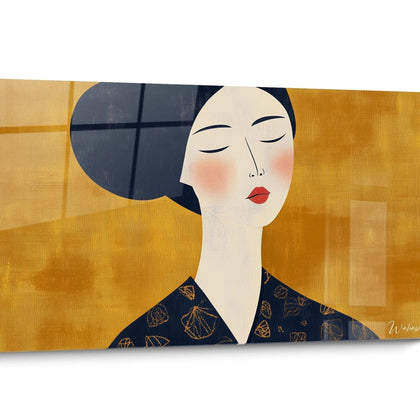
The Painting inspiration Amedeo Modigliani Minimalist Portrait captures the essence of the Italian master of modernist portraiture. This collection celebrates minimalist portraits with elongated faces characteristic of the artist, with clean lines and timeless elegance. Each work evokes Modigliani's artistic sensibility, combining simplicity of form and emotional depth. Perfect for lovers of early 20th century modernist art, this collection transforms your space into a sophisticated gallery.
 Painting Inspired by Amedeo Modigliani Head N°3 – Homage to a Famous Artist273,90 €
 Painting Inspired by Portrait of Paul Guillaume by Amedeo Modigliani No.1 – Tribute to Famous Artist273,90 €
 Painting Inspired by The Beautiful Roman Woman by Amedeo Modigliani No.3 – Tribute to Celebrated Artist273,90 €
 Painting Inspired by The Beautiful Roman Woman by Amedeo Modigliani N°1 – Tribute to Celebrated Artist273,90 €
 Painting Inspired by Seated Jeanne Hébuterne by Amedeo Modigliani N°2 – Tribute to Celebrated Artist273,90 €
Explore further
In Amedeo Modigliani Inspired Minimalist Portrait Wall Art

All about Amedeo Modigliani Inspired Minimalist Portrait Wall Art
- Portrait Presentation Minimalist Modigliani
- Elongated Aesthetics and Minimalism
- Contemplative Atmosphere and Sobriety
- Refined Decorative Integration
A minimalist painting inspired by Amedeo Modigliani portrait captures the timeless essence of the Italian painter while adapting it to the contemporary codes of refined decoration. These large-scale wall creations combine Modigliani's iconic signature – those elongated faces with mysterious eyes – with a chromatic sobriety and formal simplification that meet current aesthetic requirements. Intended for modern spaces that prioritize discreet elegance, these portrait representations transform a wall into a sophisticated focal point without visually overloading the environment. The minimalist adaptation of the Modiglianesque universe preserves the artist's characteristic emotional expressiveness while eliminating superfluous decorative elements, creating a decorative work that dialogues harmoniously with refined contemporary interiors. These monumental formats magnify the evocative power of stylized portraits, offering a affirmed artistic presence that instantly enhances the sophistication of a living room, a master bedroom or a director's office.
Characteristic Elongation Serving Vertical Minimalism
Modigliani's stylistic signature rests on this pronounced verticality of faces and necks which finds a natural resonance in minimalist compositions. A minimalist painting inspired by Amedeo Modigliani portrait exploits this elongation as a structuring principle, creating pure vertical lines that guide the eye and amplify the perception of height in the space. This formal characteristic proves particularly strategic for contemporary environments where architectural sobriety seeks elongated visual accents that accentuate volumes without fragmenting the space.
How does chromatic simplification intensify the emotional impact of the portrait?
In the minimalist interpretation, the reduction of the color palette concentrates attention on the singular proportions and subtle curves of the stylized face. Neutral tones – pearl gray, sand beige, off-white or deep black – eliminate distracting colors to reveal the pure emotional geometry of the portrait. This chromatic economy paradoxically amplifies the expressive presence of the subject, each line becoming a carrier of an intensified contemplative intensity. Large formats magnify this refined approach by creating meditative surfaces where the elongated silhouette becomes a visual architecture.
The absence of superfluous details as a vector of universality
The simplified Modiglianesque aesthetic transcends individual particularities to reach a form of universal human archetype. By eliminating complex clothing accessories and narrative backgrounds, the painting inspired by Amedeo Modigliani focuses on the formal and emotional essence of the portrait. This refined universality allows for projective identification by the observer, transforming the work into a contemplative mirror rather than a descriptive representation. Collectors seeking a sophisticated artistic presence without ostentation find the ideal balance between cultural reference and decorative discretion.
Monumental proportions and spatial impact in refined interiors
Generous dimensions accentuate the hypnotic power of these elongated faces, creating a sculptural presence that dialogues with contemporary architectural volumes. In a minimalist space where every element counts, a large Modigliani-esque portrait functions as a vertical visual anchor, structuring spatial perception and conferring artistic dignity to the whole. This controlled monumentality avoids visual saturation thanks to the intrinsic sobriety of the graphic and chromatic treatment.
The Silent Melancholy and the Minimalist Contemplative Atmosphere
A minimalist Amedeo Modigliani-inspired portrait conveys the contained melancholy characteristic of the artist, sublimated by contemporary formal sobriety. Eyes often without pupils – a distinctive Modigliani mark – create a visual introspection that invites contemplation rather than narrative interaction. This purified psychological dimension integrates remarkably well into modern residential environments where a soothing atmosphere conducive to reflection and disconnection is sought.
Which spaces particularly benefit from this meditative presence?
Master bedrooms, private libraries, and relaxation areas find in these stylized portraits a non-intrusive artistic presence that favors introspection. Unlike expressionist figurative compositions or dynamic abstractions, the minimalist Modigliani portrait establishes a suspended temporality, an eloquent visual silence. Imposing formats transform the wall into a contemplative window open onto a universal interiority, particularly sought after in Scandinavian, Japonisant or brutalist interiors where emotional restraint constitutes a fundamental aesthetic principle.
Expressive neutrality as interpretive openness
The absence of an explicit smile or dramatic grimace in these portraits offers an interpretive plasticity that evolves according to the observer's state of mind. This controlled emotional ambiguity, characteristic of Modigliani’s work and accentuated by minimalist simplification, creates an evolving relationship with the artwork. The same painting will be perceived differently depending on the time of day, natural lighting variations, and the viewer’s psychological dispositions. This chameleon-like quality justifies the investment in a monumental format intended to permanently accompany a living space.
Chromatic sobriety and compatibility with contemporary materials
The neutral tones of the minimalist interpretations establish harmonious dialogues with the raw materials favored in contemporary architecture: polished concrete, natural wood, brushed steel, raw linen. A portrait in earthy tones naturally combines with the warm textures of wood and natural textiles, while a black monochrome version on a white background creates an elegant graphic tension with mineral surfaces. This chromatic versatility facilitates decorative integration while maintaining an affirmed artistic identity that distinguishes the space from blandly neutral interiors.
Integration Strategies for Contemporary, Purified Environments
Installing a minimalist Amedeo Modigliani-inspired painting portrait in a contemporary interior requires consideration of the balance between a strong artistic presence and overall decorative coherence. These monumental formats demand a clear wall acting as a setting, where the absence of surrounding visual clutter allows the elongated portrait to fully deploy its vertical impact. Architectural spaces with clean lines – renovated industrial lofts, minimalist Haussmann apartments, modernist villas – constitute the ideal contexts for these creations that engage with volumes rather than simply decorating them.
Pairing with sculptural furniture and signature pieces
The optimal approach is to treat the Modiglianesque portrait as an architectural element dialoguing with furniture pieces also designed as functional sculptures. An iconic mid-century armchair, a monolithic marble coffee table, or an asymmetrical black steel bookcase create formal correspondences that elevate the whole to a domestic museum-like coherence. This strategy avoids decorative dispersion to build a visual narrative where each element reinforces others through controlled contrast or formal resonance.
Why prioritize spatial isolation over multiple wall compositions?
Unlike eclectic gallery walls, a large-scale minimalist Modiglianesque portrait requires a solitary presentation that respects its status as a focal artwork. Framing by empty wall surfaces amplifies its presence while preserving the essential visual breathing space for minimalist interiors. This single-work approach avoids narrative saturation and allows the gaze to focus on formal subtleties – the singular tilt of the head, the delicate asymmetry of the features, the expressive tension of the elongated neck. Discerning collectors recognize in this refined presentation a mark of superior sophistication to quantitative accumulation.
Complementarity with architectural plants and minimalist botanical compositions
Pairing with plants with graphic silhouettes – lyrata ficus with wide veined leaves, strelitzia with sculpted shapes, stripped birch branches – creates organic echoes that humanize minimalist rigor without compromising sobriety. These vegetal presences function as living counterpoints to the contemplative stillness of the portrait, introducing a biological temporality that enriches the spatial experience. The strategic positioning of a monumental botanical element in controlled proximity establishes a nature-culture dialogue particularly sought after in contemporary urban interiors aspiring to organic reconnection.
Would a minimalist Amedeo Modigliani-inspired portrait be suitable for contemporary professional spaces?
Absolutely, these creations bring a cultural sophistication appreciated in law firms, creative agencies, consulting spaces, or executive offices. The historical artistic reference confers intellectual legitimacy while the minimalist treatment guarantees compatibility with professional environments that prioritize sobriety. The monumental format signals attention to the aesthetic environment that enhances the company's brand image.
How does a minimalist Modiglianesque portrait influence the spatial perception of a room?
The pronounced verticality of elongated compositions visually accentuates ceiling height, particularly beneficial in spaces with standard proportions. This visual elongation creates an upward dynamic that counterbalances the horizontal nature of the low-lying furniture characteristic of contemporary interiors. The architectural effect of the portrait structures the volumetric perception by establishing a strong vertical axis that visually organizes the surrounding space.
What is the aesthetic durability of a minimalist Amedeo Modigliani-inspired painting, portrait, in the face of evolving trends?
The double inscription – in the history of modern art via Modigliani and in timeless minimalism – guarantees lasting relevance transcending ephemeral trends. Unlike seasonal decorative motifs, these stylized portraits benefit from cultural legitimacy and formal sobriety that resist trend renewals. Investing in a monumental format of this nature is a strategic long-term decorative decision, particularly suitable for owners who prioritize timeless quality over frequent rotation.
L'art qui suscite l'envie
Maison belge d'art mural grand format
14 jourspour changer d'avis*
Protection Walenskyincluse
Fabriquéen Italie
FormatXXL
Kit de fixationtoujours fourni
* Hors tableaux personnalisés et tailles personnalisées


